Categories
Requires a prepared asphalt or concrete base with proper curing and leveling.
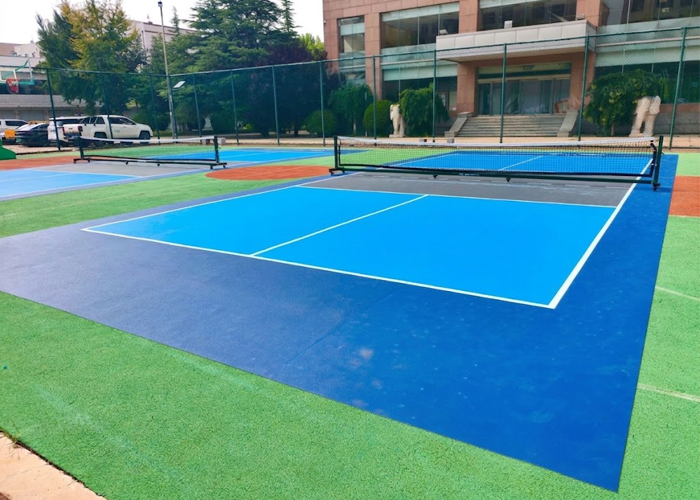
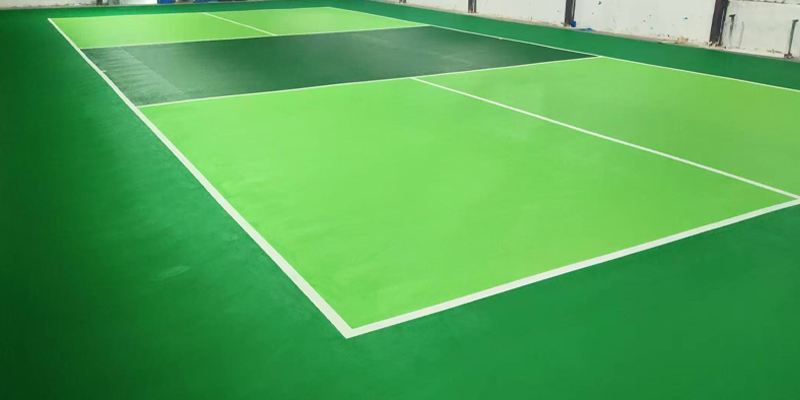
Multi-layer coating system applied on-site (primer → texture coats → color coats → lines).
Longer installation period: several days to weeks depending on weather and curing.
Requires a professional crew.
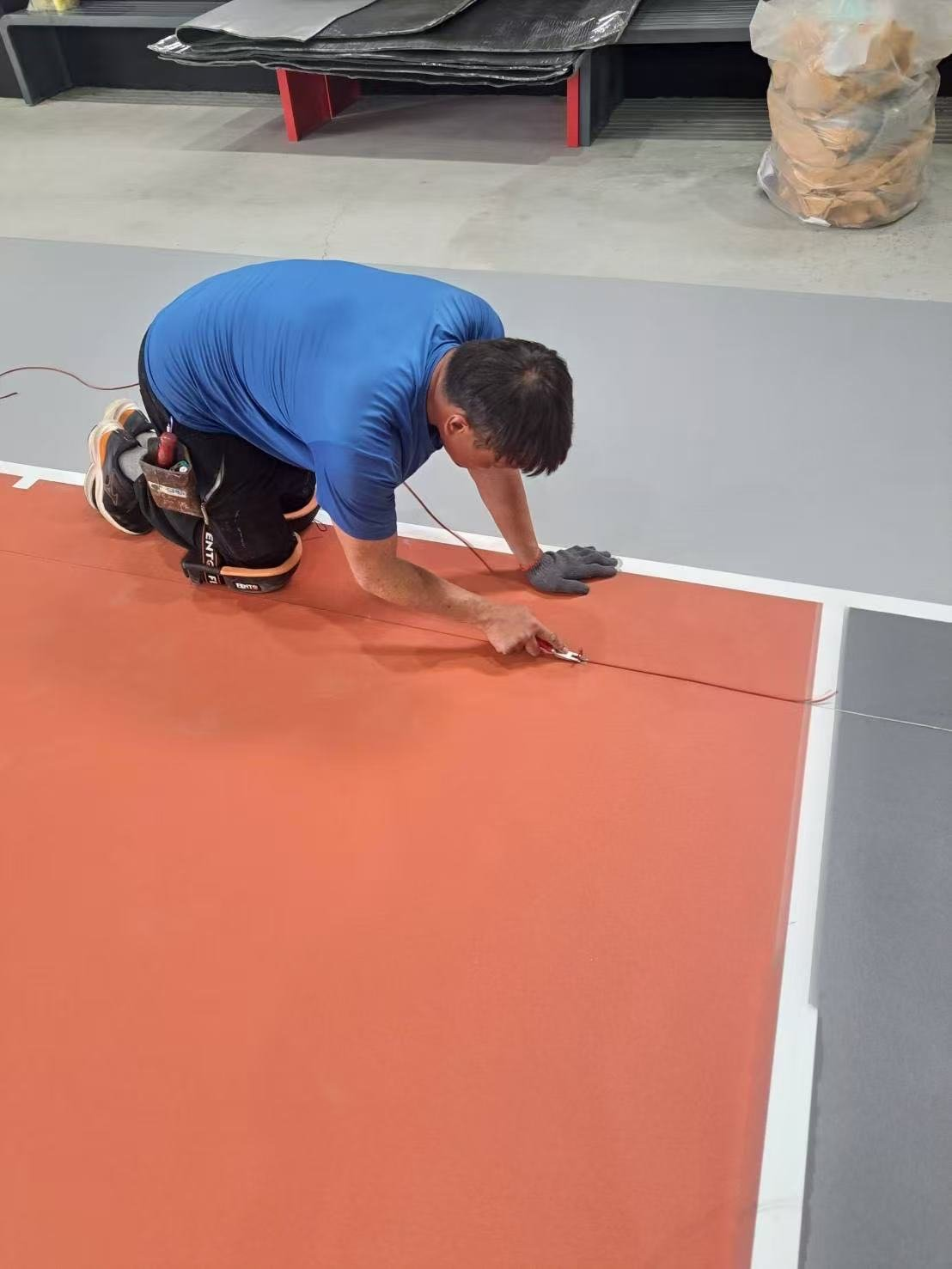
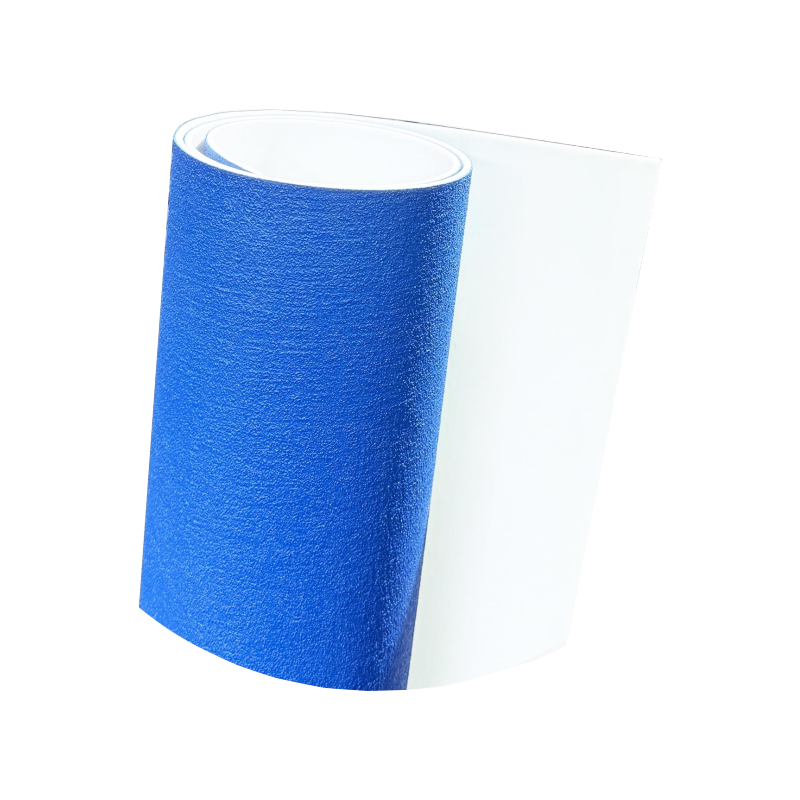
Factory-made sheets/rolls installed by unrolling and securing seams/edges.
Fast installation: 1-2 hours.
Less disruption and fewer construction requirements.
Ideal for temporary or multi-use facilities.
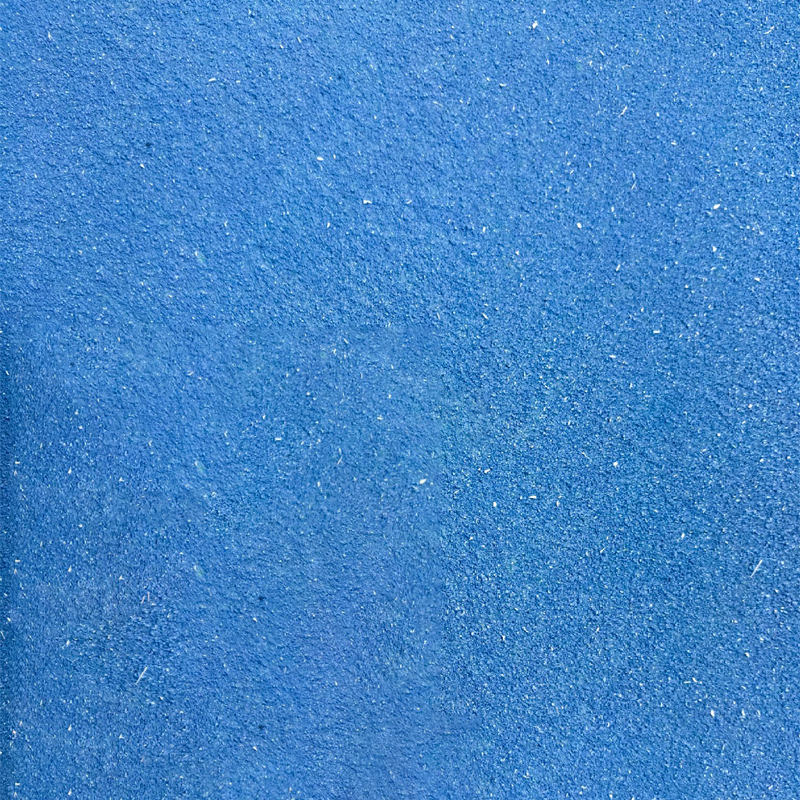
Consistent texture using sanded acrylic coatings.
Predictable ball bounce and medium ball speed (standard for competitive play).
Preferred for sanctioned tournaments.
Quality varies by manufacturer.
High-end products can closely mimic acrylic texture, but overall consistency and long-term wear uniformity are generally lower.
Suitable for casual play, training, and temporary competitive events.
When installed correctly, usable for 6–12+ years with periodic maintenance.
Excellent UV resistance and weather durability.
Typical lifespan 5–10 years, depending on material thickness and UV exposure.
Edges and seams are more vulnerable to wear, curling, or thermal expansion issues.
Can be re-coated or locally repaired by sanding and patching.
Predictable long-term maintenance schedule (cleaning + resurfacing every few years).
Easy to repair by replacing sections or patching.
Must monitor seams and edges for lifting, water intrusion, or stretching.
Cleaning is simple, but stability depends on installation quality.
Higher initial cost (especially if a new concrete/asphalt base is needed).
Over long-term heavy use, often more economical due to long lifespan.
Initial cost may be lower (depending on product grade), and installation is cheaper.
For frequent use over many years, replacement cycles can make the total cost higher.
Permanent and non-movable.
Best for dedicated outdoor or club facilities.
Can be rolled up, moved, stored, or reused.
Excellent for events, seasonal play, or multi-sport gyms.
Often uses PVC or composite substrates with lower breathability.
Moisture or temperature changes can affect expansion, seams, and adhesion.
Friction and texture can be precisely controlled during installation.
Optional cushioned acrylic layers for joint comfort.
Texture depends on product design; high-quality models offer good grip.
Cushioning and shock absorption vary widely.
Highly customizable colors; crisp and durable lines.
Smooth, seamless visual appearance.
Factory-printed or surface-coated colors/lines.
Seams may be visible depending on roll width and installation quality.
You are building a competition-level or club-level court for permanent use.
You expect heavy daily usage.
You need a temporary or seasonal court.
You manage a multi-purpose facility.
We and selected third parties use cookies (or similar technologies) for technical purposes, to enhance and analyze site usage, to support our marketing efforts, and for other purposes described in our Cookie Policy