Table of Contents
Categories

KOLISTI Team

1. Introduction to Pickleball Court Mats and Pricing in 2026
1.1 What Is a Pickleball Court Mat
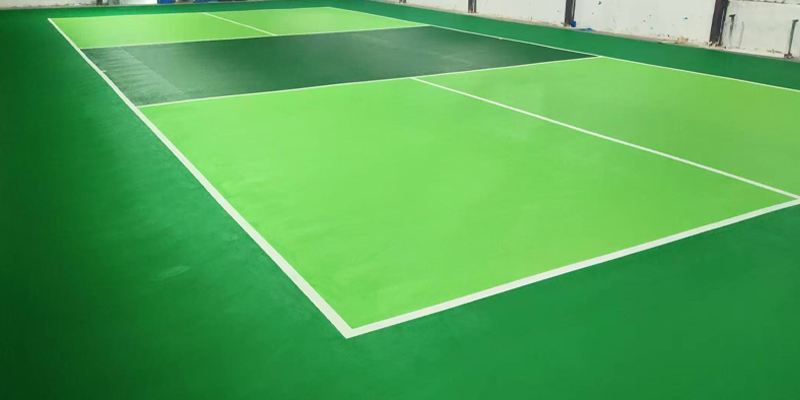
A pickleball court mat is a portable or semi-permanent surface system designed to replicate the playability of a regulation pickleball court without the need for permanent construction. These mats typically sit atop existing substrates like concrete, asphalt, wood, or even compacted ground, making them a flexible option for many settings. In recent years, court mats have evolved far beyond basic roll-out vinyl, now incorporating advanced acrylic layers, textured finishes, and shock-absorbing properties. For players and facility owners alike, they offer a fast-track solution to get paddles swinging without breaking ground. Simply put, they let you play now instead of someday.
1.2 Why Court Mat Pricing Varies Widely
Pickleball court mat pricing can feel all over the map, and there’s a good reason for that. Variables such as material formulation, thickness, surface treatment, and intended usage dramatically influence cost. A lightweight indoor mat for occasional play is a completely different animal from a commercial-grade roll-out acrylic system designed for daily competition. Add customization, branding, or outdoor performance requirements to the mix, and prices can swing quickly. In short, not all mats are created equal, and the sticker price reflects that reality.
1.3 What This Price & Buying Guide Covers
This guide breaks down what actually goes into the price of a pickleball court mat in 2026, cutting through marketing fluff and vague estimates. It covers realistic price ranges, explains why certain features command higher costs, and compares mats to other popular court surfaces. Practical buying considerations are front and center, from backyard use to large-scale facilities and event setups. The goal is clarity, plain and simple, so buyers can spend wisely and play confidently.
2. Average Pickleball Court Mat Price Overview
2.1 Typical Price Ranges by Court Size
The size of the court is the first and most obvious cost driver. A standard pickleball court mat typically ranges from several thousand dollars for smaller or thinner systems to well over five figures for full-size, professional-grade courts. Half-court or practice mats come in at the lower end, while tournament-ready courts with run-off areas push prices upward. Custom dimensions can add incremental costs depending on complexity. As courts grow, so does material usage, transport expense, and installation consideration.
2.2 Price Per Square Foot vs Full-Court Cost
Some suppliers quote pricing per square foot, while others prefer full-court packages, and the difference matters. Per-square-foot pricing allows easier comparison between products, especially when evaluating material thickness or surface technology. Full-court pricing, on the other hand, often bundles accessories, line markings, and edge finishing, which can simplify budgeting. Buyers should always ask what’s included, because a lower square-foot price may exclude essentials. Clarity here prevents sticker shock later on.
2.3 Entry-Level, Mid-Range, and Premium Options
Entry-level pickleball court mats are typically designed for light use, temporary setups, or recreational play. Mid-range options strike a balance, offering better durability, truer ball response, and improved player comfort without veering into luxury pricing. Premium systems, often acrylic-based roll-out courts, are built for serious play and frequent use, delivering consistent traction and professional aesthetics. These high-end options tend to cost more upfront but pay dividends in longevity and performance. As the saying goes, you get what you pay for.
3. Key Factors That Affect Pickleball Court Mat Cost
3.1 Material Composition and Thickness
Material composition sits at the heart of court mat pricing. Thicker mats with multi-layer construction provide better shock absorption and structural integrity, which naturally increases cost. Acrylic-based surfaces, especially roll-out acrylic systems, offer superior ball bounce and traction compared to basic polymer or PVC mats. These materials also resist deformation over time, maintaining play quality. Thickness and formulation together determine whether a mat feels flimsy or rock-solid underfoot.
3.2 Manufacturing Quality and Durability
Manufacturing standards make a noticeable difference in both price and performance. Precision layering, consistent coatings, and controlled curing processes result in a surface that wears evenly and resists cracking or delamination. Lower-cost mats may look fine out of the box but degrade quickly under repetitive foot traffic. High-quality manufacturing extends usable life, which lowers long-term cost even if the initial price is higher. Durability is where smart money often wins.
3.3 Indoor vs Outdoor Performance Requirements
Indoor mats prioritize grip, consistent bounce, and compatibility with gym floors, while outdoor mats must contend with UV exposure, temperature swings, and moisture. Outdoor-rated mats require specialized coatings and weather-resistant materials, which add to cost. Drainage, slip resistance, and fade resistance all factor into pricing for exterior use. Choosing the wrong mat for the environment is a costly mistake. Performance requirements should always dictate material choice, not the other way around.
4. Pickleball Court Mat Types and Their Price Differences
4.1 Roll-Out Pickleball Court Mats
Roll-out pickleball court mats are prized for their seamless appearance and fast installation. These systems, particularly acrylic roll-out courts, deliver a playing experience that closely mirrors permanent courts. They tend to sit in the mid-to-premium price range due to material quality and surface performance. Roll-out systems are ideal for facilities seeking portability without sacrificing professionalism. Companies like KOLISTI specialize in roll-out acrylic pickleball court flooring that balances tournament-level playability with practical deployment.
4.2 Modular and Interlocking Court Mats
Modular court mats use interlocking tiles that snap together to form a complete surface. Pricing varies widely depending on tile thickness, locking mechanism, and material resilience. These systems offer flexibility and easy replacement of damaged sections, which some buyers find appealing. However, seams can slightly affect ball response, especially at lower price points. Modular systems often appeal to multi-sport venues with frequent layout changes.
4.3 Custom and Hybrid Court Mat Systems
Custom and hybrid systems combine elements of roll-out mats and modular flooring to meet specific project needs. These solutions are typically designed for unique spaces, branding requirements, or performance specifications. Pricing reflects the bespoke nature of the product, often landing in the premium tier. While more expensive upfront, custom systems can solve problems that off-the-shelf mats simply cannot. They are tailored tools, not one-size-fits-all fixes.
5. Installation, Setup, and Related Cost Considerations
5.1 Temporary vs Semi-Permanent Installation Costs
Temporary installations are generally less expensive, relying on minimal anchoring or adhesive methods. Semi-permanent setups may require edge securing, bonding, or additional stabilization, which increases labor and material costs. The trade-off is improved performance and reduced movement during play. Buyers should weigh how often the court will be relocated. A court that stays put benefits from more robust installation.
5.2 Subfloor Preparation and Surface Requirements
The condition of the underlying surface plays a significant role in total project cost. Smooth, level concrete or asphalt requires minimal preparation, while uneven or damaged substrates demand corrective work. Mats placed over poor subfloors can telegraph imperfections, affecting ball bounce and player safety. Proper preparation ensures the mat performs as intended. Skipping this step is a penny-wise, pound-foolish move.
5.3 Labor, DIY Setup, and Time Investment
Some pickleball court mats are designed for DIY installation, reducing labor expenses. Others, especially larger or premium systems, benefit from professional setup to ensure alignment and longevity. Time investment also has a cost, particularly for facilities that need quick turnaround. Roll-out systems often shine here, allowing courts to be installed and ready for play in short order. Time saved is often money saved.
6. Comparing Pickleball Court Mats to Other Court Surfaces
6.1 Court Mats vs Acrylic Pickleball Courts
Permanent acrylic courts require significant construction and curing time, driving up initial cost. Court mats, especially acrylic roll-out systems, deliver similar playability without long-term commitment. Mats also offer portability, which permanent courts cannot match. For many buyers, mats strike a sweet spot between performance and flexibility. They bring the game to the player, not the other way around.
6.2 Court Mats vs Modular Sports Tiles
Modular tiles are durable and versatile but can feel rigid underfoot. Court mats typically provide better shock absorption and a more uniform playing surface. Pricing between the two overlaps, but performance characteristics differ noticeably. Mats often appeal more to pickleball purists seeking consistent bounce and feel. Tiles excel in multi-sport environments but may compromise pickleball-specific play.
6.3 Short-Term vs Long-Term Cost Value
Upfront price tells only part of the story. Long-term value depends on durability, maintenance, and replacement frequency. A higher-priced mat that lasts years can outperform a cheaper option that needs frequent replacement. Evaluating total cost of ownership paints a clearer picture. Savvy buyers look beyond the initial invoice.
7. Use-Case Based Pricing: Who Pays What and Why
7.1 Backyard and Residential Pickleball Courts
Residential buyers often prioritize affordability and ease of setup. Smaller court mats or practice areas fit both space and budget constraints. Price sensitivity is higher, but expectations for performance are still rising as the sport grows. Home players want a real pickleball feel, not a backyard compromise. Well-chosen mats deliver that experience without permanent construction.
7.2 Gyms, Schools, and Multi-Purpose Facilities
Institutional buyers focus on durability, safety, and versatility. These environments demand mats that withstand heavy foot traffic and frequent setup changes. Pricing reflects the need for robust materials and reliable performance. Roll-out acrylic systems are increasingly popular in these settings due to quick conversions and professional play quality. Reliability trumps bargain pricing here.
7.3 Events, Tournaments, and Temporary Courts
Events and tournaments value speed, consistency, and visual appeal. Mats used for these purposes often require custom branding and precise line markings. Pricing includes not just the mat but also logistics, storage, and transport. The ability to deploy a regulation court almost anywhere is a game-changer. In these scenarios, performance and presentation justify higher costs.
8. Customization Options and Their Impact on Price
8.1 Custom Court Sizes and Layouts
Custom sizing allows courts to fit unconventional spaces or specific event requirements. This flexibility adds material and production complexity, increasing price. However, it can unlock usable space that standard courts cannot. Custom layouts often maximize return on investment. Precision comes at a premium.
8.2 Line Markings, Colors, and Logos
Standard line markings are typically included, but custom colors and logos add cost. Branding enhances visual appeal and professional credibility, especially for clubs and sponsors. Advanced printing or layered acrylic coatings ensure markings remain crisp over time. Aesthetics matter more than many buyers initially realize. A sharp-looking court elevates the entire experience.
8.3 Branding, Storage, and Transport Accessories
Accessories such as storage racks, transport cases, and protective covers influence total project cost. Branded storage solutions streamline setup and teardown for mobile courts. While often optional, these accessories extend product lifespan and ease handling. Over time, they pay for themselves. Convenience is an underrated value.
9. How to Evaluate Value Beyond the Initial Price
9.1 Lifespan, Warranty, and Maintenance Costs
A longer lifespan reduces replacement frequency and overall cost. Warranties signal manufacturer confidence and provide peace of mind. Maintenance requirements vary, with higher-quality mats typically needing less upkeep. Factoring these elements reveals true value. Cheap products often cost more in the long run.
9.2 Player Comfort, Safety, and Performance
Player comfort influences enjoyment and injury risk. Quality mats offer balanced shock absorption and reliable traction. Consistent ball response enhances gameplay and fairness. Performance isn’t just about competition; it’s about longevity in the sport. Comfortable courts keep players coming back.
9.3 Portability, Storage, and Reusability
Portable mats offer unmatched flexibility for changing needs. Easy storage and reusability maximize return on investment. Facilities benefit from courts that adapt to schedules and spaces. Portability future-proofs the purchase. Flexibility is king in modern pickleball.
10. How to Get an Accurate Pickleball Court Mat Quote
10.1 Information Suppliers Typically Require
Suppliers usually ask for court dimensions, intended use, and installation environment. Indoor or outdoor placement significantly affects material selection. Frequency of use and performance expectations also matter. Providing accurate details ensures realistic pricing. Guesswork leads to misquotes.
10.2 Questions to Ask Before Requesting Pricing
Buyers should ask about material composition, warranty coverage, and expected lifespan. Clarifying what’s included in the quote avoids surprises. Asking about installation support and lead times is equally important. Transparency builds trust on both sides. Informed questions lead to better decisions.
10.3 Avoiding Hidden Costs and Overpaying
Hidden costs often lurk in shipping, accessories, or installation add-ons. Reviewing quotes line by line prevents unpleasant surprises. Comparing apples to apples is essential when evaluating multiple suppliers. A slightly higher upfront quote may include far more value. Smart buyers read the fine print before signing off.
Related Posts
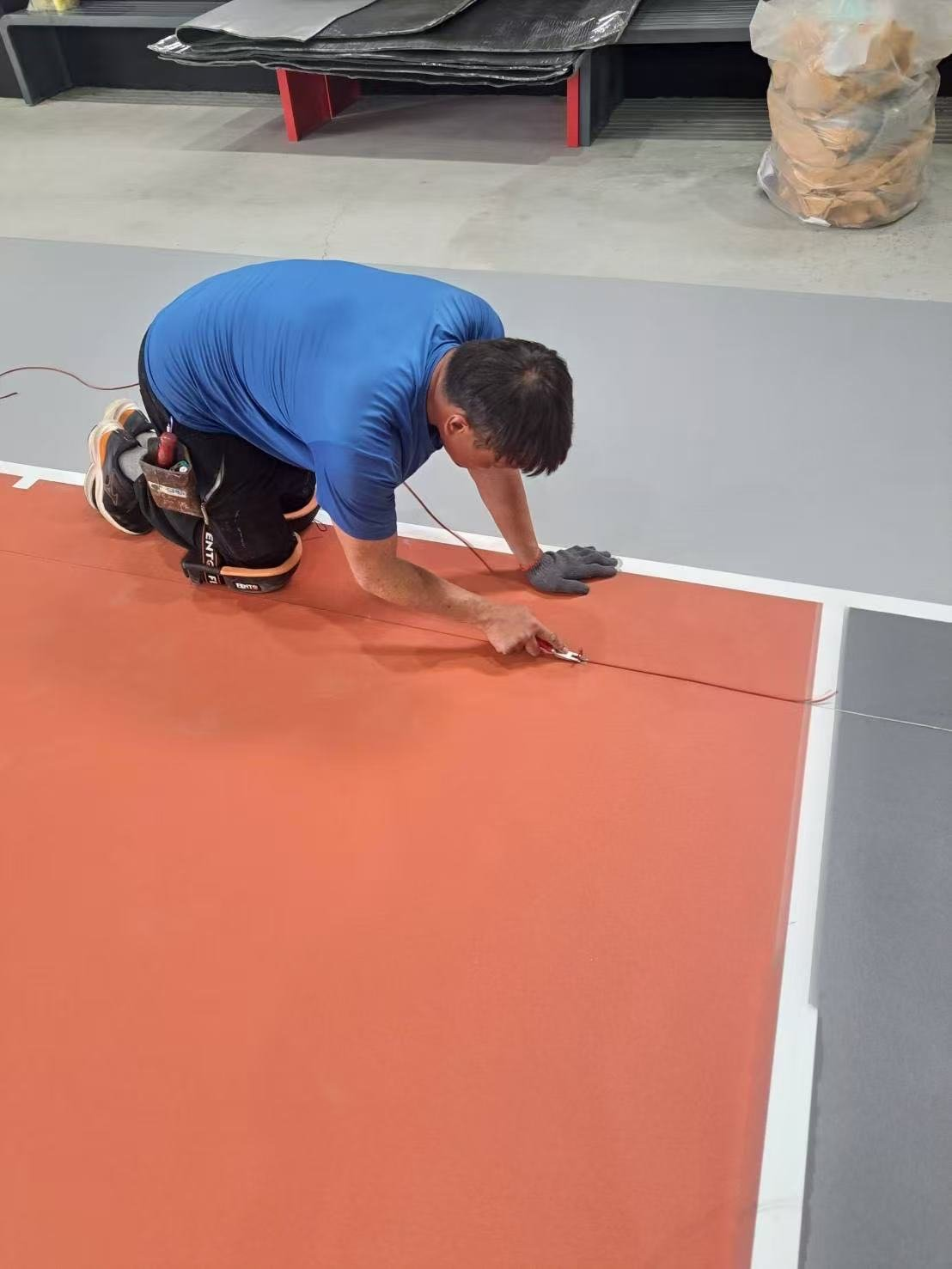
How to Install Roll-Out Pickleball Court Flooring
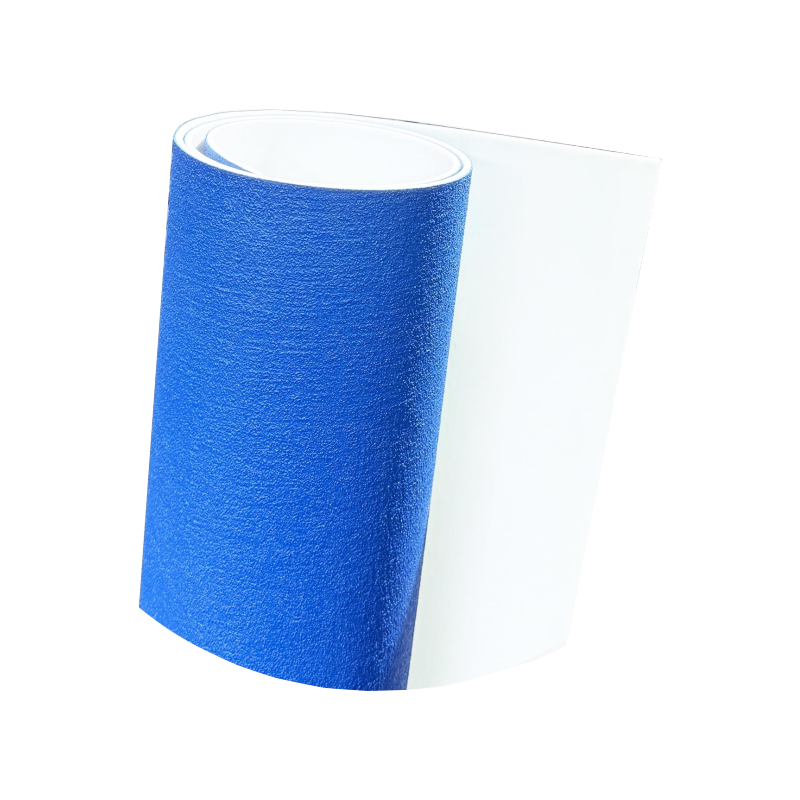
Cushioned Pickleball Courts: Sourcing Guide for Global Brands
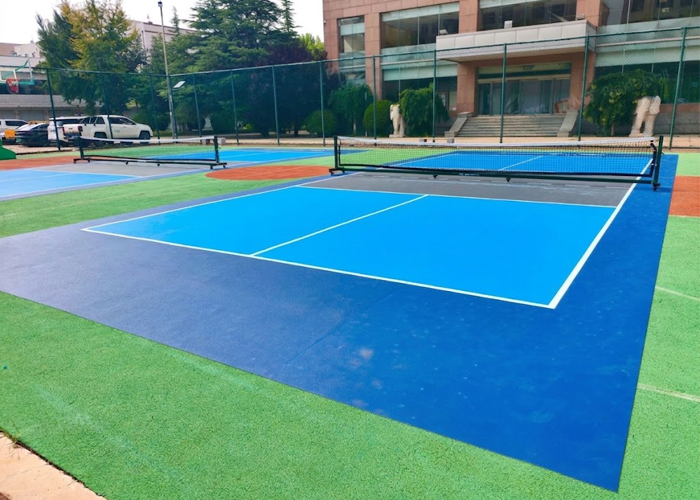
Outdoor Pickleball Court Flooring: 5 Sourcing Tips