Table of Contents
Categories

KOLISTI Team
1. Introduction to Pickleball Roll Out Mats
Rise of Pickleball in Global Markets
Pickleball is no longer just a backyard pastime or a niche retirement community sport. It’s exploded worldwide, catching fire in North America, Europe, and even parts of Asia. With participation rates climbing like a rocket on launch day, brands are scrambling to meet demand with innovative, scalable solutions.
Importance of Versatile Court Solutions
Permanent pickleball courts are great—if you’ve got the real estate and budget. But most facilities don’t, which makes modular, flexible solutions like roll out mats essential. Whether it’s a pop-up tournament or a gym that hosts multiple sports, having a surface you can deploy in minutes is a game changer.
Why Roll Out Mats Are Gaining Popularity
Convenience is king, and roll out mats offer it in spades. Lightweight, transportable, and easy to store, they give you a playable court without pouring a drop of concrete. That kind of flexibility is gold for brands selling to schools, rec centers, and mobile event crews.
2. What Is a Pickleball Roll Out Mat?
Basic Structure and Use Cases
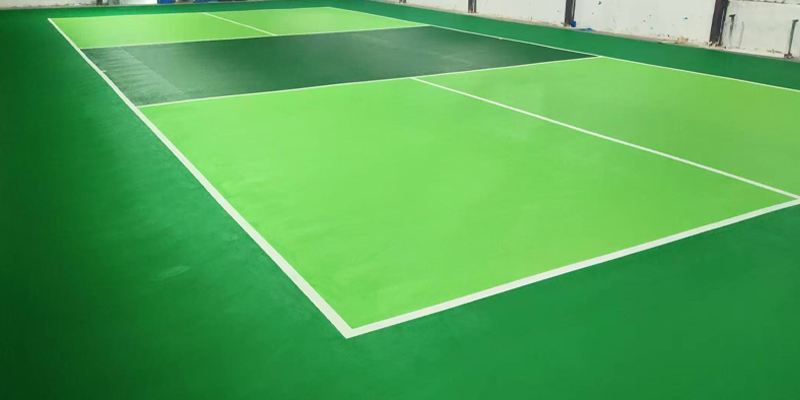
A pickleball roll out mat is essentially a prefabricated surface made from durable polymers, designed to replicate regulation court dimensions. Think of it like a yoga mat on steroids—longer, thicker, and made to take a beating. It’s ideal for multi-use spaces, temporary installations, or places where building a court just isn’t in the cards.
Key Features and Functional Benefits
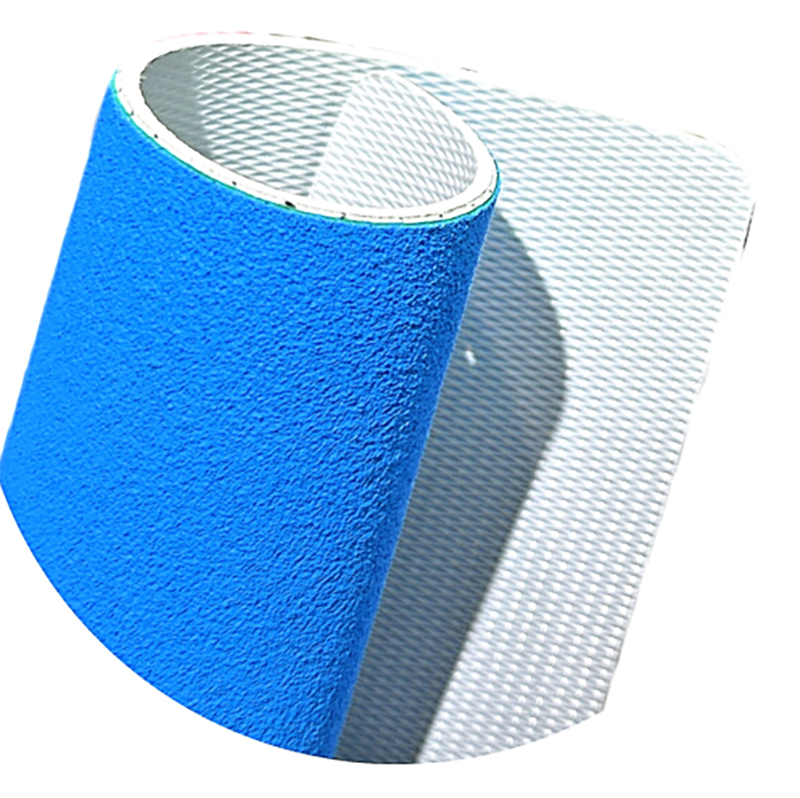
These mats offer grip, cushioning, and ball response that mimic traditional surfaces. They roll out flat, stay put during aggressive play, and can be cleaned with a simple mop. Plus, they’re a cinch to brand and customize, making them a dream for product lines with visual identity in mind.
Comparison to Permanent Court Surfaces
Sure, a permanent surface like acrylic or concrete has its perks—it’s rugged and consistent. But when you weigh in cost, installation time, and lack of mobility, the roll out mat holds its own. It’s the swiss army knife of court solutions: functional, flexible, and ready to move when you are.
3. The OEM Model Explained
Definition and Relevance in Manufacturing
OEM stands for Original Equipment Manufacturer—basically, you design it, we build it. It’s not a new model, but it’s picking up steam in niche sports like pickleball, where custom branding and unique features matter. For businesses looking to stand out, OEM is a ticket to market differentiation.
Benefits for Brand Owners and Retailers
Going the OEM route means total control over how your product looks, feels, and performs. It lets you dictate materials, specifications, and even packaging—perfect for brands carving out their niche in a booming sport. Plus, it gives you a leg up on competitors selling off-the-shelf gear.
How OEM Differs from White Labeling
White labeling slaps your logo on a pre-made product. OEM builds your vision from the ground up. If white labeling is reheating leftovers, OEM is cooking from scratch with your recipe.
4. Why Choose OEM for Pickleball Mats
Full Design and Branding Control
You get to pick every element, from mat thickness to logo placement to texture underfoot. That level of detail lets your product scream “you” instead of blending into a sea of sameness. For brands with big ambitions, that’s not just nice—it’s necessary.
Better Pricing Through Direct Manufacturing
Cut out the middlemen and you cut down on cost. Working directly with a factory gives you better margins, clearer communication, and a lot more bang for your buck. It’s not just business-savvy—it’s survival in today’s hyper-competitive gear market.
Streamlined Supply Chain for Custom Products
With OEM, the process is streamlined from prototyping to production. No back-and-forth with third-party vendors, no miscommunications about specs—just straight talk with the people building your gear. That means faster timelines and fewer headaches.
5. Material Choices for Custom Roll Out Mats
Overview of EVA, PVC, and TPE Options
Most mats are made from EVA foam, PVC, or TPE—each with its own perks. EVA is lightweight and cushy, PVC is dense and durable, and TPE hits a sweet spot for grip and eco-friendliness. Choosing the right one is about balancing feel, budget, and end-user preference.
Factors That Influence Material Selection
Where it’s being used, who’s using it, and how often—it all affects your material pick. A mat for outdoor camps needs more UV resistance, while a pro-level mat demands maximum grip. Your brand’s use case should steer this ship.
Sustainability and Eco-Friendly Alternatives
More buyers are asking, “Is it green?”—and brands need to have an answer. Recyclable materials and low-VOC options aren’t just nice; they’re becoming table stakes. Sustainable mats can also unlock access to eco-conscious markets and grant programs.
6. Customization Capabilities
Logo Printing and Color Matching
With full-color sublimation printing, your logo can pop like fireworks on the Fourth of July. Want a mat that matches your team’s pantone-perfect colors? No problem. Your mat, your rules.
Size and Thickness Adjustments
Standard sizing is fine for starters, but custom widths, lengths, and foam depths open the door to specialty use cases. Want a mat for juniors or wheelchair players? OEM makes it happen. Even the tiniest tweak can give your brand a competitive edge.
Surface Texture and Grip Options
Smooth, gritty, or somewhere in between—surface texture plays a big role in performance and safety. More grip means better play; too much can be a tripping hazard. You want to find the Goldilocks zone for your market.
7. How OEM Design Process Works
Initial Specification and Briefing
Start with a spec sheet: dimensions, materials, logo placement, and any unique features. Think of it as a blueprint for your dream mat. The clearer the brief, the better the build.
Sample Development and Client Feedback
Next comes prototyping. You’ll receive a sample to test for fit, function, and flair. If something’s off—color, grip, feel—you tweak until it’s just right.
Approval to Mass Production Timeline
Once the sample passes muster, it’s green light for full production. From that point, lead times vary by order size, but most manufacturers can move pretty quick if your specs are solid.
8. MOQ and Volume Flexibility
Standard MOQ Requirements Explained
Minimum order quantities vary, but they usually start around 100–200 units. It’s a low enough bar for startups and high enough to make production cost-effective. For serious brands, it’s the perfect entry point.
Volume Discounts and Tiered Pricing
The more you buy, the less you pay per unit. That’s basic economics, but it’s especially sweet in OEM where tooling costs get amortized over volume. Bulk orders also help smooth out logistics and ensure stock availability.
Balancing Inventory and Cost-Efficiency
Ordering too little leaves you backlogged; too much, and you’re swimming in stock. Smart brands forecast demand and place orders just ahead of peak season. Lean but ready—that’s the name of the game.
9. Branding and Marketing Impact
Turning Mats into Promotional Assets
Your roll out mat isn’t just equipment—it’s a 17-foot-long billboard. At tournaments, in photos, and across social media, your brand becomes part of the action. Visibility like that pays for itself.
Enhancing User Experience Through Custom Design
Details matter. A well-designed mat with crisp lines, smart graphics, and proper traction turns heads and wins loyalty. It says, “We care about the details,” and that’s how you earn repeat buyers.
Building Brand Recognition in Niche Markets
Pickleball’s growth is being driven by tight-knit communities. Nail your brand aesthetic and function, and your mat becomes the go-to recommendation. Word-of-mouth in these circles is worth its weight in gold.
10. Quality Control in OEM Production
In-Process and Final Inspections
Each mat goes through inspections at multiple stages—raw materials, lamination, printing, and packaging. That’s how you ensure no defects slip through the cracks. It’s not rocket science—it’s discipline.
Adherence to Global Safety Standards
Reputable OEM partners follow ISO, CE, and REACH standards. That’s not just good practice—it’s required to enter premium markets like Europe and North America. Cutting corners here costs you later.
Performance Testing for Durability
Roll tests, impact tests, UV resistance—every mat needs to take a licking and keep on ticking. You want it to look great on day one and still perform a year later. That’s what separates pro-grade gear from the bargain bin.
11. Logistics and Global Delivery
Managing Lead Times for Large Orders
Time is money, and long lead times can kill momentum. Reliable OEM manufacturers give you clear ETAs and stick to them like glue. Whether you’re prepping for a product launch or stocking up before peak season, a tight delivery window can make or break the deal.
Packaging, Labeling, and Export Documentation
Presentation counts, even before the mat hits the floor. Custom packaging, barcoding, and retail-ready labeling add polish to your product line. On the back end, proper export docs like HS codes and certificates of origin keep customs from becoming a nightmare.
Freight, Warehousing, and Customs Support
OEM partners worth their salt help arrange freight—air, sea, or a combo—and even offer short-term warehousing. Customs can be a beast, especially across borders, but the right partner smooths the process. No one wants to deal with stuck shipments or surprise duties.
12. Common OEM Challenges and Solutions
Design Revisions and Lead Time Delays
Sometimes what looks good on paper doesn’t work in real life. That’s why iteration is baked into the process—but each change adds time. Setting realistic timelines and sticking to a clear brief upfront can keep things humming along.
Material Sourcing and Alternatives
Global supply chains can be fickle. If your go-to material becomes scarce, your manufacturer should suggest tested alternatives—not leave you high and dry. Having a backup plan is just smart business.
Ensuring Brand Consistency Across Batches
Color matching and texture uniformity might seem minor, but they’re big for brand integrity. The best OEM shops use Pantone systems, digital templates, and retained production samples to ensure your 10th batch looks just like the first.
13. Working with a Chinese OEM Manufacturer
Manufacturing Strength and Expertise
China’s been building sports gear for decades, and when it comes to scale, precision, and versatility, they’re tough to beat. From digital printing to high-capacity extrusion lines, the infrastructure is dialed in. That means faster turnaround and sharper detail on every mat.
Cost Advantages Without Sacrificing Quality
Lower labor costs don’t mean lower standards. With proper vetting, you get high-end production without blowing your margins. It’s the sweet spot that lets your brand grow without cutting corners.
Language, Communication, and Time Zone Tips
Working across time zones takes some finesse, but with modern tools like WeChat, Slack, and Zoom, communication’s a breeze. A bilingual project manager can be a godsend, ensuring nothing gets lost in translation—literally.
14. Real-World Use Cases and Applications
Temporary Courts in Gyms and Event Spaces
Pop-up pickleball is taking over rec centers and hotel ballrooms. Roll out mats let you convert a space in minutes, host a tournament, then roll it back up and go home. That kind of plug-and-play value is hard to beat.
Retailers Launching Private Label Gear
Big-box and boutique stores alike are diving into the private label game. A custom mat can complement paddle sets or serve as a branded giveaway. With OEM, it’s easy to build a full product ecosystem under your own flag.
Sports Brands Expanding into Accessories
Mats aren’t just for playing—they’re branding tools. If you’re already selling paddles or apparel, adding a mat gives you another revenue stream while reinforcing your brand identity. Think cross-selling, bundling, and upselling opportunities galore.
15. How to Get Started with a Custom Order
Preparing Design Files and Specs
To hit the ground running, you’ll need a vector logo, color codes, desired dimensions, and use-case details. The more info you can provide up front, the smoother the ride. A product brief with visuals helps your manufacturer get it right the first time.
Understanding the Sample Process
Before full production, you’ll receive a sample—your prototype in the flesh. This is your moment to inspect it with a fine-toothed comb. Check print quality, material feel, traction, and overall aesthetic. Feedback is encouraged and expected.
Timeline from Inquiry to Final Delivery
From initial inquiry to doorstep delivery, the process typically takes 6–10 weeks depending on order size. That includes sampling, revisions, mass production, and shipping. Planning a few months ahead puts you in the driver’s seat.
16. Conclusion and Call to Action
Summary of Custom OEM Advantages
OEM lets you create a product that’s uniquely yours—functionally superior, visually distinct, and aligned with your brand ethos. With complete control over design, pricing, and production, it’s a strategy built for long-term success.
Final Thoughts on Market Timing and Demand
Pickleball isn’t just hot—it’s molten. With demand showing no signs of slowing, the time to stake your claim is now. Don’t wait until the space is crowded with lookalikes; OEM gives you the edge to lead, not follow.
Steps to Partner with a Trusted Manufacturer
Vet your partners, prep your specs, and start the conversation. Choose a manufacturer with experience, infrastructure, and clear communication protocols. Then buckle up—because with the right OEM partner, your brand’s growth won’t just pick up speed—it’ll hit warp drive.
Related Posts
How to Install Roll-Out Pickleball Court Flooring
Cushioned Pickleball Courts: Sourcing Guide for Global Brands
Outdoor Pickleball Court Flooring: 5 Sourcing Tips