Table of Contents
Categories

KOLISTI Team
1. Introduction to the Global Pickleball Boom
Rising Popularity Across Continents
Pickleball is no longer just a backyard pastime for retirees in the States—it’s a full-blown global phenomenon. From South Korea to Sweden, courts are springing up faster than you can say “dink rally.” As international tournaments pop up and new clubs form by the week, the sport is attracting players of all ages and skill levels, turning it into a global enterprise with serious legs.
Impact on Sports Equipment Demand
With more paddles swinging worldwide, the demand for quality equipment—especially net systems—is skyrocketing. Brands and retailers are scrambling to keep shelves stocked and online inventories up to speed. It’s not just about selling more; it’s about meeting evolving expectations from seasoned pros, casual players, and everyone in between.
Opportunity for Procurement Professionals
For procurement pros, this is a prime moment to get in on the ground floor of something massive. Global buyers are seeking reliable manufacturing partners who understand both volume and nuance. The key? Sourcing net systems that tick all the boxes—from durability to brand-specific flair—without driving up costs or lead times.
2. Understanding Pickleball Net System Essentials
Key Components of a Complete Net System
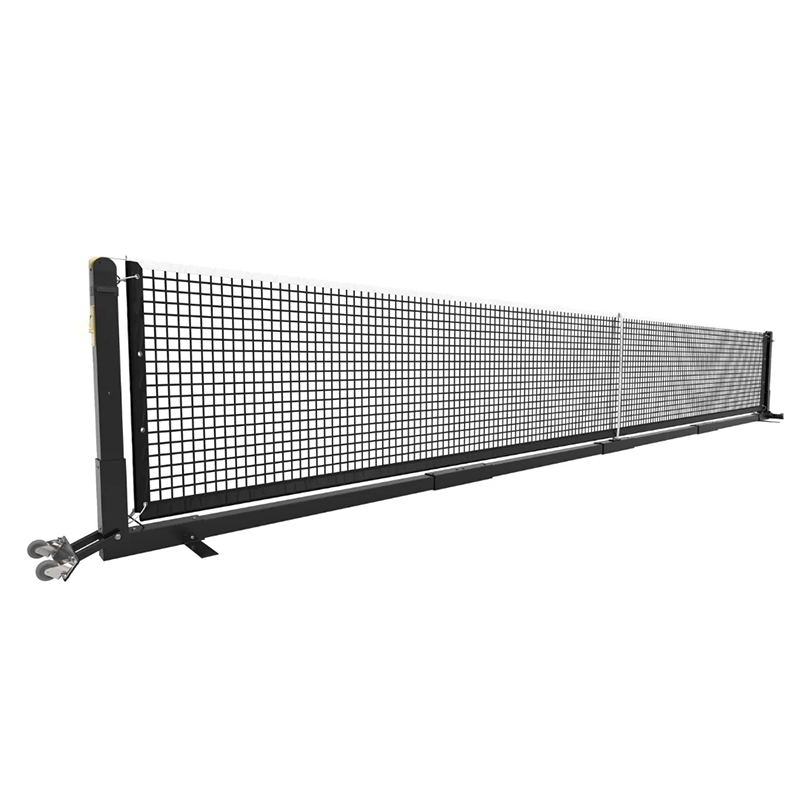
A legit pickleball net system isn’t just a piece of mesh strung between two poles—it’s a finely tuned setup. You’re looking at a sturdy frame, weather-resistant netting, tension straps, and a base that won’t budge when the game heats up. Throw in a carrying bag and clear assembly instructions, and now you’ve got a product ready for global appeal.
Standard Dimensions and Compliance
To stay tournament-ready, nets must meet regulation dimensions: 22 feet wide, 36 inches high at the sidelines, and 34 inches at the center. Anything less is just backyard play. Global brands that want to stay compliant with organizations like the USA Pickleball Association or the International Federation must treat these specs as gospel.
Portable vs Permanent Systems
Some buyers want permanent installations for parks and recreation centers, while others need portable options for gyms or events. Portable systems offer flexibility and convenience, but they need to be engineered for repeat setup and tear-down without wear and tear. It’s horses for courses—smart brands know how to offer both without compromising on quality.
3. Key Global Market Demands for Net Systems
Durability Under Diverse Climate Conditions
From the humidity of Southeast Asia to the dry heat of the American Southwest, nets need to handle the full weather buffet. UV resistance, rust-proof coatings, and moisture-repellent fabrics are no longer “nice-to-haves”—they’re non-negotiables. A system that falls apart in one season won’t make the cut for international distribution.
Customization for Brand Identity
These days, brands want their logos front and center, not lost in the noise. Custom net tape, color-coordinated frames, and branded carry bags help establish brand recognition and consumer loyalty. A customizable design transforms a commodity into a calling card.
Scalability for Mass Distribution
When demand explodes, your supply chain better be able to keep pace. Scalable systems must be designed for rapid production, efficient packaging, and consistent quality. For procurement teams, scalability means peace of mind when big orders come in hot.
4. Materials That Meet International Standards
Net Fabrics and UV Resistance
A net isn’t worth a dime if it fades or frays under the sun. High-tensile polyethylene or knotless polyester nets with UV treatment can extend product lifespan dramatically. When done right, it’s the kind of “set it and forget it” performance that keeps customers happy season after season.
Frame Metals and Corrosion Protection
Aluminum alloys and powder-coated steel are top contenders for net frames. These materials deliver the ideal blend of strength and corrosion resistance—especially important in salty coastal areas or tropical zones. The finish matters too; a sleek, matte black coating adds both aesthetic value and long-term protection.
Reinforced Stitching and Edge Binding
One weak seam can wreck the whole setup. Industrial-grade stitching with reinforced edge binding ensures the net doesn’t unravel or tear after a few games. Attention to detail in this area says a lot about the overall craftsmanship—and global buyers notice.
5. Engineering for Easy Setup and Portability
Tool-Free Assembly Mechanisms
Nobody wants to fumble with a tool kit just to set up a net. Snap-lock systems, push-button connections, and labeled components make setup intuitive and frustration-free. It’s like IKEA, but without the hex keys and missing screws.
Compact Storage Design
Efficient design should let the whole system pack down into a tidy, transportable bundle. Telescoping poles and foldable bases reduce storage space without compromising structural integrity. This is critical for both consumers and retailers looking to optimize warehouse and retail space.
Lightweight Yet Stable Bases
There’s a fine line between lightweight and flimsy—and buyers know it. Composite materials and strategic weight distribution can keep systems steady even in windy conditions. Stability shouldn’t come at the cost of portability, and the best designs strike that balance.
6. Customization Options for Global Brands
Logo Printing and Color Matching
Colorways and logos are the beating heart of brand visibility. Whether it’s heat-transferred logos or custom-dyed netting, consistent branding across every product matters. That includes Pantone-matching colors and durable, fade-resistant inks.
Adjustable Sizing and Frame Design
While regulation dimensions are standard, some markets want variations for youth or training courts. Modular frame designs and telescoping features allow a single product line to cover multiple use cases. That kind of flexibility helps brands expand their offerings without reinventing the wheel.
Packaging and Labeling Localization
It’s not just what’s in the box—it’s how it’s presented. Packaging with translated instructions, localized branding, and retail-ready displays can make or break sales in foreign markets. Smart procurement teams treat packaging as part of the product experience.
7. Meeting Quality Assurance Across Markets
ISO and SGS Certifications
Global buyers want more than promises—they want proof. ISO 9001, SGS, and similar certifications demonstrate compliance with internationally recognized quality benchmarks. These third-party endorsements instill confidence and streamline import approvals.
Product Testing Protocols
Drop tests, tensile strength, salt spray resistance—robust testing is a sign of a serious manufacturer. A proactive QC process ensures that every batch meets the same high standard, regardless of destination. When the tests are legit, the product performs.
Continuous Improvement Processes
Staying competitive means never standing still. Lean manufacturing, Six Sigma, and customer feedback loops help manufacturers refine products over time. Global brands expect this level of agility and commitment from their OEM partners.
8. OEM/ODM Capabilities That Add Value
Full-Service Product Development
A good OEM doesn’t just build what you send—it helps you innovate. From CAD modeling to 3D prototyping, full-service development streamlines the journey from idea to product. This is where design meets manufacturability.
Flexible MOQ for Various Markets
Emerging brands may not be ready for 10,000 units off the bat. Tiered MOQ policies allow buyers to test new SKUs in smaller markets before scaling up. It’s a win-win: brands reduce risk, and manufacturers build long-term relationships.
Joint R&D for Proprietary Designs
Some of the best products come from collaborative R&D. Co-developing a unique frame design or collapsible mechanism gives brands a competitive edge. And because it’s proprietary, it’s protected from knockoffs.
9. Adapting to Regional Regulations and Preferences
Compliance with Sports Associations
Every region has its own governing body with its own checklist. Whether it’s USA Pickleball or the European Pickleball Federation, compliance earns legitimacy. Non-compliant gear won’t get far in serious circles.
Regional Height and Tension Standards
While the global standard is pretty locked in, some areas still have legacy setups with different net tensions or heights. Adjustable net systems can help accommodate these preferences without alienating official rules. That versatility makes a big difference in market penetration.
Localized Marketing Preferences
Colors, language, imagery—all these details impact brand perception across borders. A sleek black-and-silver setup may fly off shelves in the U.S., but in parts of Asia, brighter color palettes or minimalist designs could perform better. Tailoring presentation to local tastes boosts brand resonance.
10. Sourcing Considerations for Global Buyers
Vendor Reliability and Communication
Consistent communication, clear timelines, and real-time updates are must-haves. Language barriers and time zones can be hurdles, but responsive vendors build trust fast. In today’s market, reliability is currency.
Lead Time Transparency and Planning
Unexpected delays are procurement kryptonite. Accurate production schedules, transparent logistics, and buffer planning can help brands avoid costly out-of-stock situations. A good factory respects your deadlines as much as their own.
Risk Mitigation Strategies
From backup suppliers to multi-region distribution centers, savvy brands build resilience into their supply chain. Vendors that offer dual-factory production or hold safety stock provide added peace of mind. Flexibility is the new stability.
11. Cost-Efficiency Without Compromising Quality
Cost Drivers in Net System Production
Materials, labor, design complexity—all of these play into unit cost. Understanding which features drive price can help buyers prioritize must-haves and drop the fluff. It’s all about bang for the buck.
Strategies for Bulk Order Savings
Larger orders should come with real incentives. Tiered pricing, freight optimization, and consolidated packaging can drive substantial savings. When vendors share cost-saving strategies, everybody wins.
Hidden Costs to Watch Out For
Bad packaging, high defect rates, and unclear tariffs can eat into margins. A sharp procurement team digs into the fine print—before the PO is signed. Avoiding these pitfalls keeps profit on track.
12. Logistics and Shipping Optimization
Packaging for Space Efficiency
Smart packaging equals lower freight costs. Stackable, shrink-wrapped systems and modular packaging designs make containers go further. Good packaging is an unsung hero in global supply chains.
Options for Global Freight and Warehousing
From FOB China to DDP Europe, flexible logistics options give brands control. Warehousing solutions in strategic hubs can shorten delivery times and reduce customs hassles. Think globally, ship smart.
Customs and Import Compliance
Nobody wants gear stuck at customs. Upfront documentation, proper HS codes, and local regulatory knowledge help shipments glide through borders. A factory that handles this seamlessly is worth its weight in gold.
13. Trends in Net System Innovation
Smart Net Systems with Sensors
Sensor-equipped nets that track ball hits and tension settings are hitting the market. These smart systems bring training and gameplay analytics into the mix. It’s where tradition meets tech.
Sustainable and Recyclable Materials
Eco-conscious consumers are looking for products that leave a lighter footprint. Biodegradable net fabrics and recyclable frames can align your brand with modern values. Sustainability isn’t just a buzzword—it’s a sales driver.
Multi-Purpose Court Solutions
Some net systems now transform to support tennis, badminton, and even volleyball. These hybrid solutions are ideal for schools, rec centers, and clubs with limited space. More bang for every square foot.
14. Case Studies of Successful Global Partnerships
Mid-Size Brand Expansion into New Regions
A U.S. brand partnered with a Chinese OEM to launch in Latin America. By localizing packaging and scaling production in waves, they saw a 300% increase in regional sales. Strategic sourcing was the cornerstone.
Custom Net System Rollout for Tournaments
An international tournament circuit needed portable, high-end nets with custom branding. The manufacturer delivered 2,000 units on deadline across six countries. It was a logistical ballet—and a roaring success.
Long-Term OEM Relationships
One European brand has worked with the same supplier for over a decade. Together, they’ve launched four product lines, each more innovative than the last. The key: trust, consistency, and shared ambition.
15. Why China Remains a Strategic Manufacturing Hub
Skilled Labor and Production Capacity
China’s got the factory firepower to deliver volume without sacrificing quality. From welding frames to precision net weaving, the workforce is both skilled and specialized. When deadlines loom, capacity matters.
Government Support for Exports
Export-friendly policies, infrastructure, and trade zones streamline global sales. Support from local governments often translates to smoother scaling for foreign brands. It’s a business climate built for growth.
Competitive Pricing with Quality Consistency
China still offers the best value equation—cost meets capability. With mature supply chains and quality control systems in place, Chinese manufacturers deliver on time and on spec. For procurement pros, that’s the sweet spot.
16. Choosing the Right Manufacturing Partner
Vetting for Experience and Capabilities
Not every factory that says “OEM” can actually deliver. Look for a proven track record, relevant certifications, and product samples that speak for themselves. Due diligence is non-negotiable.
Communication and Project Management
Responsive teams, regular updates, and project milestones keep things on track. Miscommunication kills deals—clear, fluent communication keeps them alive. Tools like Slack, Trello, or WeChat can make coordination smoother.
Post-Sale Support and Future Collaboration
A true partner doesn’t disappear after the invoice is paid. Post-sale troubleshooting, warranty support, and future product planning are hallmarks of a top-tier OEM. Relationships—not transactions—build global brands.
Related Posts
How to Install Roll-Out Pickleball Court Flooring
Cushioned Pickleball Courts: Sourcing Guide for Global Brands
Outdoor Pickleball Court Flooring: 5 Sourcing Tips