Table of Contents
Categories

KOLISTI Team
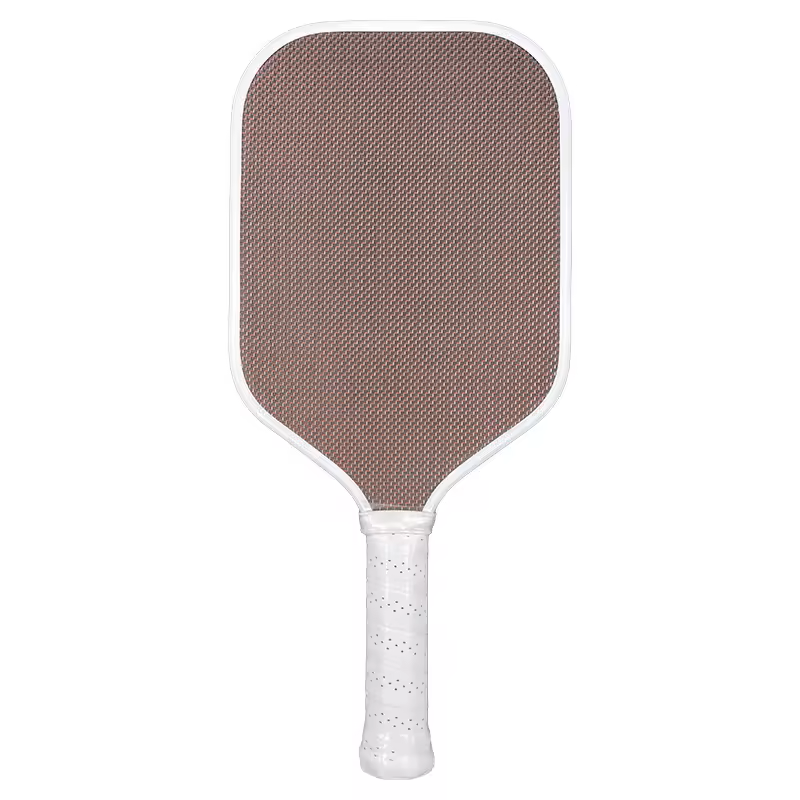
1. Introduction to Titanium Pickleball Paddles
Overview of the Titanium Paddle Market
The pickleball paddle market has been on a meteoric rise, with materials playing a pivotal role in product differentiation. Titanium, once reserved for aerospace and medical industries, is now making waves in sports gear, particularly paddles. This shift is driven by the material’s unique blend of lightness and strength, appealing to manufacturers and players alike who crave high-performance without compromise.
Why Titanium Is Gaining Attention
Titanium grabs attention because it breaks the mold—literally. Compared to conventional paddle materials like fiberglass and carbon fiber, titanium offers superior resilience against dents and warping, which means paddles last longer and maintain consistent playability. Plus, it has this undeniable “cool factor” that resonates with tech-savvy consumers seeking gear that stands out on the court.
Importance of Material Choice in Paddle Performance
The choice of paddle material is no small potatoes—it directly influences control, power, and durability. The right material can elevate a player’s game by optimizing weight distribution and vibration dampening. For brands, material choice translates into a compelling selling point, balancing cost, performance, and the ability to customize features tailored to different player needs.
2. Understanding Titanium as a Material
Key Properties of Titanium
Titanium is a lightweight metal with an impressive strength-to-weight ratio that surpasses many traditional metals used in sports equipment. It boasts exceptional corrosion resistance, ensuring paddles stay pristine even in humid or salty conditions. Additionally, its biocompatibility and hypoallergenic nature mean fewer issues with skin irritation, a subtle yet appreciated bonus for players who sweat buckets during intense matches.
Benefits Over Traditional Materials
Compared to aluminum or composite paddles, titanium offers enhanced stiffness without adding bulk, allowing for more precise shot-making. Its fatigue resistance means paddles can endure countless swings without performance degradation. Moreover, titanium’s natural ability to absorb and redistribute impact energy reduces player fatigue, translating to longer, more enjoyable play sessions.
Challenges and Solutions in Working with Titanium
Working with titanium isn’t a walk in the park; it requires specialized tooling and processes due to its toughness and thermal conductivity. The cost of raw titanium is higher, and machining it demands precise temperature control to avoid microfractures. However, advancements like additive manufacturing and innovative forging techniques are helping overcome these hurdles, making mass production more viable and affordable.
3. Rising Demand for Customization in Sports Equipment
Shifting Consumer Expectations
Today’s players want gear that’s as unique as their playing style and personality. The cookie-cutter approach doesn’t cut it anymore—consumers expect brands to offer tailored options that cater to individual preferences, whether that’s weight, grip size, or aesthetics. This shift reflects a broader cultural movement towards personalization in every aspect of life.
Trends in Personalized Gear
From laser-etched names to customizable color palettes, personalization trends are reshaping the paddle market. Advanced manufacturing technologies now enable on-demand customization, allowing brands to respond quickly to consumer desires without massive inventory risk. Limited-edition runs and collaboration models further fuel excitement and exclusivity.
Impact on Brand Positioning
Brands that embrace customization gain a leg up in differentiation, commanding premium price points and fostering deeper customer loyalty. Custom titanium paddles can elevate a brand’s reputation from generic to elite, signaling innovation and commitment to
4. Why Titanium Is Ideal for Custom Pickleball Paddles
Versatility in Design
Titanium’s exceptional strength allows designers to push creative boundaries without worrying about structural compromise. Whether it’s sleek aerodynamic shapes or paddles with ergonomic contours, titanium supports a wide spectrum of form factors. This design freedom lets brands create signature paddles that truly stand out on the court.
Strength and Weight Balance
One of titanium’s crowning achievements is how it balances robust strength with featherlight weight. This perfect harmony means paddles can be built to withstand aggressive play styles without bogging players down with excess mass. The result? Lightning-quick maneuverability paired with enough heft to deliver powerful smashes.
Compatibility with Custom Features
Titanium’s material properties make it highly compatible with a variety of custom elements—like enhanced grip surfaces, integrated sensors, or hybrid core technologies. It bonds well with composites and coatings, allowing for innovation without sacrificing the paddle’s structural integrity or performance.
5. Key Customization Options for Titanium Paddles
Surface Texture and Grip
The paddle’s surface texture plays a critical role in ball control and feel. Titanium’s rigidity means it holds micro-textures, such as grooves or dimples, much longer than softer materials. Combined with custom grips crafted from silicone blends or recycled polymers, players can tailor tactile feedback and comfort to their liking.
Core Material Combinations
Titanium paddles often incorporate core materials like polymer honeycomb or Nomex to fine-tune responsiveness and weight. Different cores influence the paddle’s bounce, control, and durability, giving brands the flexibility to engineer products for power hitters, control freaks, or all-around players.
Shape and Weight Distribution
Designers can exploit titanium’s lightness to experiment with paddle shape and balance. Shifting weight toward the handle or head changes swing dynamics and shot precision. Customized weight distribution unlocks performance tweaks that let players optimize every stroke for their unique play style.
6. Branding Opportunities with Custom Titanium Paddles
Logo Placement and Finishes
Titanium’s surface readily accepts laser engraving and anodized finishes that are both durable and visually striking. Unlike printed decals that wear off, these treatments embed logos permanently, elevating brand presence in a subtle yet premium manner. Strategic logo placement reinforces brand identity with every swing.
Colorways and Limited Editions
Anodization technology lets brands offer paddles in vibrant, long-lasting colors without compromising durability. Limited edition color runs tap into collectors’ mindsets, driving buzz and exclusivity. These bespoke colorways serve as a powerful marketing tool to attract enthusiasts and elevate brand cachet.
Packaging and Presentation
Custom titanium paddles call for packaging that matches their premium status. Magnetic closure boxes, embossed logos, and accessory bundles (think paddle covers or branded towels) enrich the unboxing experience. Presentation becomes a key touchpoint that deepens consumer engagement and brand loyalty.
7. OEM/ODM Manufacturing Advantages
Scalability for Large Orders
Working with an experienced OEM means brands can efficiently scale production from hundreds to tens of thousands of units. Titanium’s machinability at scale has improved with automated CNC processes, ensuring quality consistency even on large runs. This scalability supports market growth and retail expansion plans.
Flexibility in Design Iteration
A flexible OEM partner offers rapid prototyping capabilities that let brands test multiple design iterations before committing to mass production. Short iteration cycles enable swift adjustments based on player feedback, market trends, or new tech integrations. This agility is crucial to staying competitive in a fast-moving sport.
Cost Efficiency at Volume
Although titanium has a higher material cost than composites, bulk manufacturing benefits and streamlined processes help reduce per-unit costs. OEMs skilled in titanium production leverage economies of scale and advanced tooling to maximize profitability. Brands can thus offer premium paddles at price points that resonate with target consumers.
8. Meeting Global Compliance Standards
USAPA and International Regulations
Any pickleball paddle hitting courts worldwide has to play by the rules set by organizations like the USAPA. Titanium paddles, despite their cutting-edge design, need to comply with size, weight, and surface roughness standards to be tournament-legal. Navigating these regulations ensures that custom paddles can be adopted by competitive players without headaches.
Materials Testing and Certification
Before a paddle can hit shelves, it undergoes rigorous materials testing — think stress tests, impact resistance, and surface wear. Certification labs verify that titanium paddles meet industry benchmarks for safety and performance. This step is crucial not just for legal compliance but to build trust with consumers and retailers alike.
Ensuring Export Readiness
For brands eyeing international markets, export readiness means conforming to country-specific regulations, packaging standards, and documentation. Working with manufacturers who understand these nuances streamlines customs clearance and accelerates time-to-market. It’s a vital consideration for any brand wanting a global footprint.
9. Design Collaboration Process
Initial Concept and Requirements Gathering
Designing a titanium paddle starts with a deep dive into brand goals and player needs. Procurement teams collaborate with engineers to define specs such as paddle dimensions, weight, core materials, and surface textures. This upfront clarity lays the foundation for a product that hits the mark both functionally and aesthetically.
Prototype Development and Revisions
Once concepts are clear, prototypes enter the scene. These test units undergo iterative refinements based on player feedback and lab results. The back-and-forth between brand, manufacturer, and testers helps fine-tune every detail — from the paddle’s flex to grip ergonomics — ensuring the final product delivers a killer on-court experience.
Final Approval and Mass Production
After rigorous testing and design tweaks, the final prototype gets the green light. This approval signals the start of mass production, where precision manufacturing and quality control processes ensure each paddle matches the approved specs. Brands can then confidently launch with a product that’s been battle-tested and brand-aligned.
10. Customization Trends in the Pickleball Market
Pro-Level Gear Influencing Amateurs
Pro players’ paddle choices and customizations often trickle down to recreational users hungry to mimic their idols. This trickle effect fuels demand for custom paddles that incorporate pro-inspired materials, weight distributions, and surface technologies. Brands that capitalize on this trend tap into aspirational buying behavior.
Gender and Age-Specific Designs
The market is seeing a surge in paddles tailored for different genders and age groups, optimizing grip size, weight, and balance accordingly. Titanium’s versatile properties make it perfect for adapting designs that meet these diverse needs without compromising performance. This inclusive approach broadens market reach and customer satisfaction.
Eco-Friendly and Recycled Options
Sustainability is no longer just a buzzword—it’s a buyer priority. Brands are experimenting with recycled titanium and eco-conscious production methods to appeal to environmentally aware consumers. This green pivot aligns with global trends and enhances brand reputation in a market where conscious purchasing is on the rise.
11. Performance Testing and Quality Assurance
Lab-Based Durability Tests
Every titanium pickleball paddle must endure a gauntlet of lab-based stress tests before it hits the market. These tests simulate repeated impacts, temperature fluctuations, and wear to ensure the paddle won’t buckle under real-world rigors. Titanium’s natural toughness shines here, consistently delivering superior durability compared to many traditional materials.
On-Court Performance Feedback
Beyond the lab, nothing beats real-world testing by players of varying skill levels. Feedback on balance, control, and vibration informs iterative design tweaks that optimize paddle feel and function. This blend of empirical testing and player insights guarantees a product that performs as promised under actual match conditions.
Batch Consistency and Control
For procurement pros, consistency is king. Ensuring every paddle in a production run meets exacting standards minimizes returns and boosts customer trust. Manufacturers employ statistical process controls and advanced inspection methods to maintain uniformity, so players get the same high-quality experience game after game.
12. Logistics and Fulfillment for Global Brands
Lead Times and Production Schedules
Timing is everything when launching a new paddle line. OEM partners that provide transparent lead times and adhere to production schedules help brands avoid costly delays. Strategic planning around peak buying seasons and tournament calendars can make or break a product’s market success.
Warehousing and Inventory Solutions
Efficient warehousing ensures custom titanium paddles are stored safely without damage and ready to ship at a moment’s notice. Brands partnering with manufacturers who offer integrated inventory management reduce overhead and streamline distribution, especially when scaling globally.
Global Shipping and Delivery Tracking
Reliable shipping and real-time tracking build confidence across international markets. Brands can keep customers informed and troubleshoot logistics issues quickly, enhancing the overall purchase experience. Partnering with OEMs experienced in global fulfillment ensures paddles arrive intact and on schedule.
13. Pricing Strategies for Custom Titanium Paddles
Factors Influencing Cost Per Unit
The price tag on titanium paddles reflects raw material costs, complexity of design, customization levels, and production volume. While titanium demands a premium upfront, its durability and performance can justify higher retail pricing, especially in the eyes of discerning consumers.
Tiered Pricing for Volume Orders
Brands often leverage tiered pricing models that reward bulk purchases with discounts, encouraging larger orders and ensuring steady manufacturing runs. This pricing strategy supports both boutique brands and large retailers looking to optimize inventory costs.
ROI for Premium Custom Offerings
Investing in custom titanium paddles can deliver strong returns through premium positioning and brand differentiation. When executed well, these paddles command higher margins and foster loyal customers who value exclusivity and quality, making the upfront cost worthwhile.
14. Case Studies of Custom Titanium Paddle Success
Boutique Brand Market Entry
Several emerging brands have successfully used custom titanium paddles to carve niches in a competitive landscape. By emphasizing craftsmanship, innovation, and personalized features, these boutiques attract avid pickleballers seeking something truly unique.
Pro Athlete Collaborations
Collaborations with pro players not only elevate brand visibility but also push design boundaries. Signature titanium paddle lines that reflect athlete preferences resonate deeply with fans, driving sales and building authentic brand stories.
Retailer Exclusive Editions
Exclusive editions developed for major retailers create buzz and encourage foot traffic. These partnerships often feature limited-run titanium paddles with distinct aesthetics or tech specs, giving retailers a competitive edge in the marketplace.
15. How to Choose the Right OEM Partner
Key Questions to Ask Manufacturers
Selecting the right OEM partner is crucial to turning your titanium paddle vision into reality. Ask about their experience with titanium materials, production capacity, and quality control measures. Inquire about their ability to handle customization requests, lead times, and after-sales support to avoid any surprises down the road.
Evaluating Production Capabilities
Not all manufacturers are created equal when it comes to titanium fabrication. Assess their technological capabilities such as CNC machining, additive manufacturing, and finishing techniques. Reviewing case studies or visiting facilities can offer valuable insight into their ability to consistently deliver high-quality paddles.
Importance of Transparent Communication
Clear and ongoing communication with your OEM partner can make or break the project. A partner that provides regular updates, promptly addresses concerns, and is proactive about potential issues ensures a smoother development cycle. Transparency fosters trust and helps maintain alignment on expectations and timelines.
16. Future Outlook for Custom Titanium Paddles
Evolving Consumer Preferences
Consumer demands are shifting toward ever more personalized, high-performance equipment. Titanium paddles, with their adaptability and durability, are poised to capitalize on this trend. Expect players to seek paddles that not only perform but also reflect their individual style and values.
Emerging Materials and Tech Integrations
While titanium leads the pack today, future innovations may blend it with emerging materials like graphene or incorporate smart sensors for real-time performance tracking. These integrations will elevate paddle functionality, opening new avenues for customization and data-driven player insights.
Opportunities for Market Expansion
As pickleball’s popularity skyrockets globally, new markets are emerging with unique preferences and regulatory landscapes. Brands investing in custom titanium paddles stand to gain from early entry into these regions, leveraging the material’s premium status to capture discerning players looking for next-level gear.
Related Posts
How to Install Roll-Out Pickleball Court Flooring
Cushioned Pickleball Courts: Sourcing Guide for Global Brands
Outdoor Pickleball Court Flooring: 5 Sourcing Tips