Table of Contents
Categories

KOLISTI Team
1. Introduction to Temporary Pickleball Court Surfaces
Growing demand for flexible court solutions
Pickleball’s meteoric rise isn’t just a flash in the pan—it’s a full-blown movement. As the sport barrels into the mainstream, facility managers, event organizers, and community planners are clamoring for fast, adaptable court solutions. Enter temporary pickleball court surfaces: a game-changer for those needing high-performance play without permanent construction. Whether it’s a pop-up tournament in downtown Phoenix or a beachside demo in Santa Monica, these modular surfaces offer freedom where traditional courts can’t.
Importance of surface quality in pro-level play
Ask any seasoned player or paddle engineer worth their salt, and they’ll tell you—court surface makes or breaks the game. For pro-level matches, the surface must deliver predictability in bounce, exceptional traction, and a stable underfoot feel. A subpar court leads to mishits, injuries, and a lackluster player experience. If you’re aiming to host elite-level matches or brand-sponsored events, the surface quality isn’t just important—it’s non-negotiable.
Overview of temporary court surface applications
Temporary courts aren’t just a stopgap; they’re a strategic asset. They shine in multi-use gymnasiums, rooftop sports centers, exhibition spaces, and mobile tournaments. Brands love them for their versatility, while players appreciate the near-permanent feel. Whether it’s for a month-long league, weekend showcase, or corporate event, these surfaces flex to fit the bill.
2. Key Features of Pro-Level Temporary Court Surfaces
Optimal ball bounce and surface traction
Professional players demand consistency. The surface must ensure a reliable bounce across the entire court—no dead spots, no surprises. Premium temporary systems offer engineered friction layers and micro-textured surfaces that replicate the feel of a dedicated hard court, ensuring the paddle-to-ball interaction stays crisp and true.
Shock absorption for player comfort and safety
Joint health is a top priority, especially with older players comprising a large chunk of the pickleball demographic. Pro-grade temporary surfaces incorporate shock-dampening layers, which reduce strain on knees, ankles, and hips. These are not your old-school gym mats—they’re biomechanically engineered platforms that keep athletes in the game longer.
Weather resistance and durability standards
Outdoors? No problem. UV-treated, weatherproof surfaces shrug off rain, extreme heat, and even frost without warping or fading. Durable modular designs resist wear and tear from repeated assembly, disassembly, and transportation. They’re built tough—like a steel-toe boot in court form.
3. Material Options for Temporary Pickleball Surfaces
Modular polypropylene tile systems
These interlocking tiles are the gold standard. Lightweight yet resilient, they snap together faster than a hot knife through butter. The lattice-style bottom supports drainage, while textured tops provide reliable grip. Plus, they’re color-customizable to match brand aesthetics or court zoning requirements.
Portable roll-out vinyl or synthetic surfaces
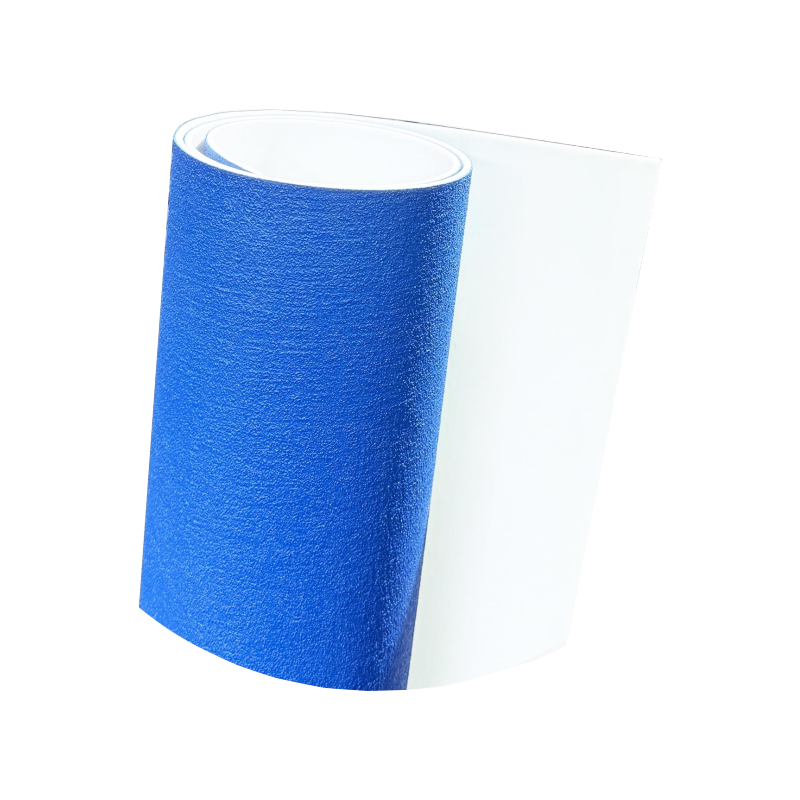
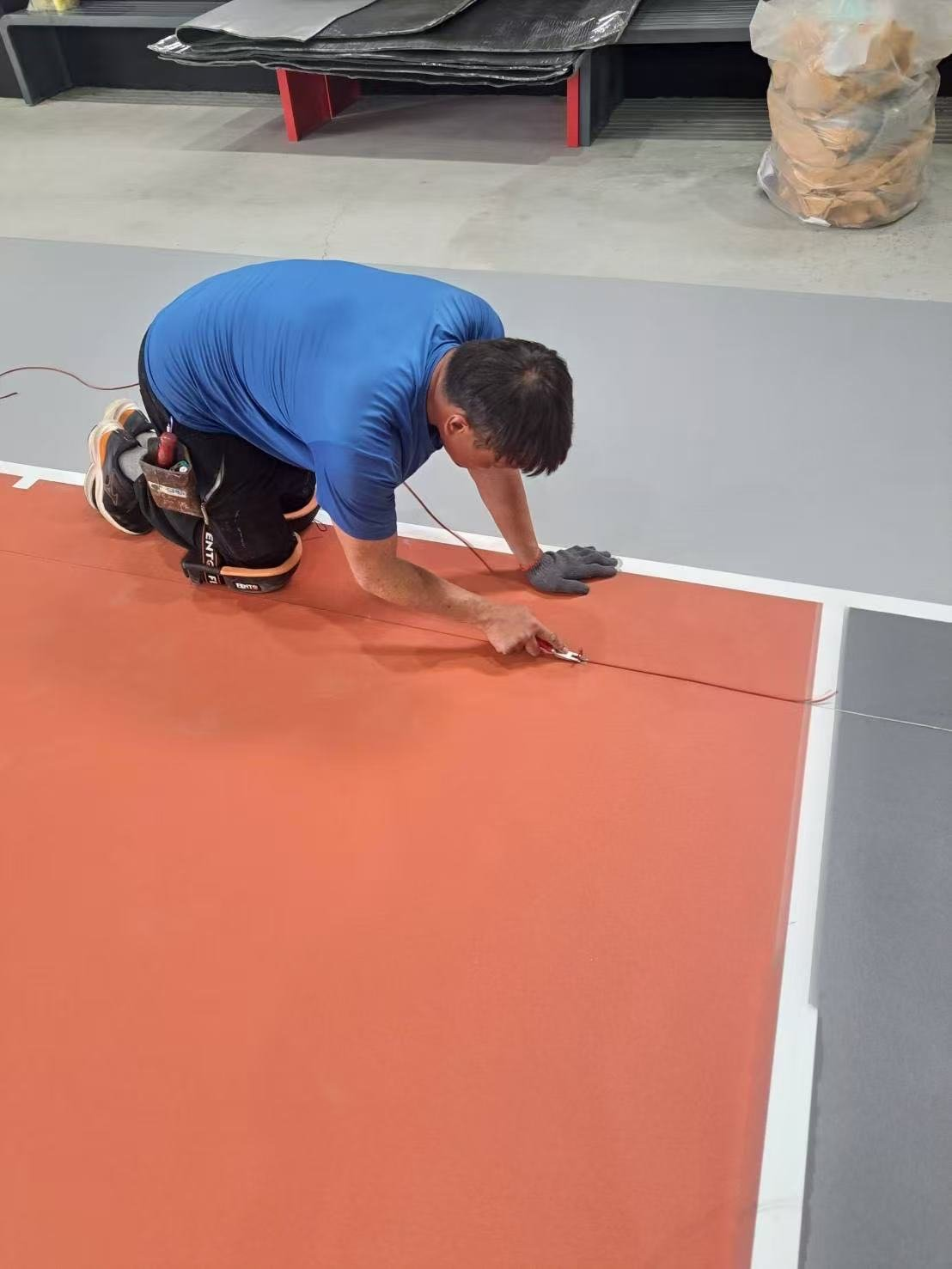
When time is of the essence, roll-out systems save the day. They’re often used for indoor installations where floor markings must be temporary. Vinyl options provide a seamless surface with excellent grip, although they require a level subfloor to perform optimally.
Eco-friendly and recyclable materials
Sustainability isn’t just a buzzword—it’s a procurement requirement. Modern court surfaces are increasingly made from recycled polymers, non-toxic compounds, and biodegradable packaging. These options allow brands to lower their carbon footprint without compromising on performance.
4. Installation and Setup Efficiency
Tool-free modular designs for quick assembly
No drills. No glue. No headaches. Modern temporary courts are engineered for plug-and-play assembly. A small crew can install a full-sized court in a matter of hours, which is a boon for event managers on tight schedules.
Site preparation and surface compatibility
These courts play nice with almost any base—concrete, asphalt, wood, even compacted gravel. Proper leveling and basic cleaning are typically all that’s needed before laying the surface. And if your base isn’t pristine? Adjustable underlays can compensate for minor irregularities.
Storage and transport considerations
Storage efficiency is a silent hero here. The best modular systems stack neatly onto wheeled carts, fitting into compact storage closets or event trucks. Roll-out systems can be spooled and shelved. Portability reduces logistical friction and speeds up turnaround between events.
5. Compliance with International Standards
Surface friction and performance certifications
Procurement pros know the devil’s in the details. Surfaces should meet ASTM and EN standards for slip resistance and shock absorption. Certification isn’t just about safety—it’s a marker of professional credibility when marketing events or training facilities.
ITF, USAPA, and local regulations
To host a sanctioned event, you’ll need a surface that ticks all the regulatory boxes. That means court dimensions, color zoning, net height compatibility, and ball bounce characteristics need to align with USAPA and ITF guidelines.
Meeting tournament-grade specifications
From line visibility under broadcast lights to surface uniformity under drone inspections, tournament-level play demands precision. Top-tier temporary courts meet or exceed the specs demanded by national and international governing bodies.
6. Customization and Branding Opportunities
Color schemes and surface textures
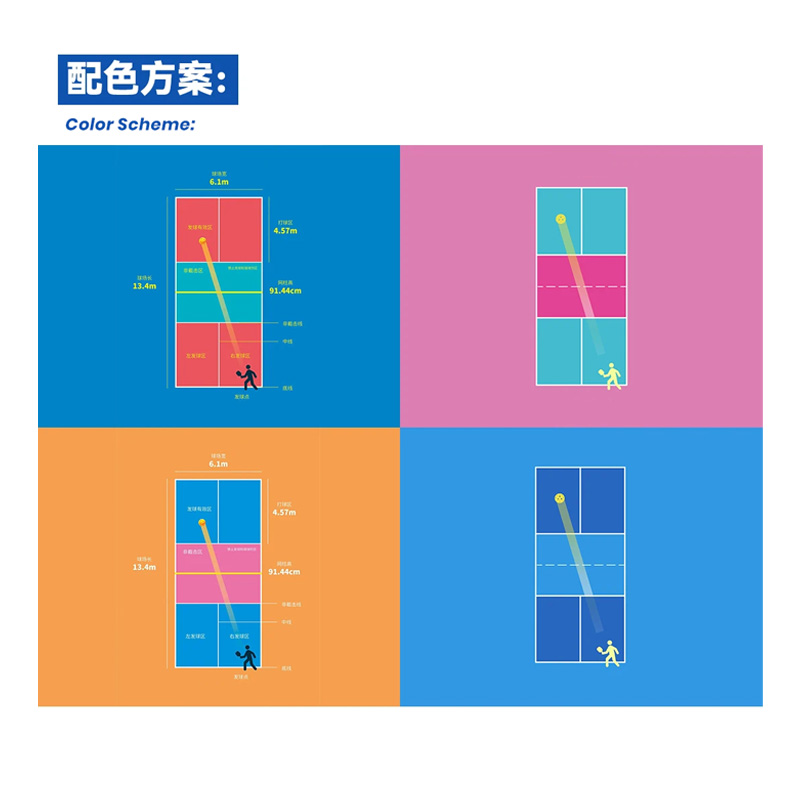
A sharp-looking court leaves a lasting impression. Choose from a wide spectrum of color options to reflect your brand or event theme. Some systems even allow multi-texture zones for training or youth play customization.
Logo printing and sponsor integration
Modular tiles and roll-out surfaces can be factory-printed or overlaid with UV-stable graphics. Sponsor logos, tournament insignias, or facility branding become part of the court—not just banners hanging off the fence.
Court sizing for branded events and promotions
Need a 2-court pop-up for a product launch in Times Square? No problem. Want a compact single-court demo booth inside a convention center? Easy. Sizes and configurations can be tailored without compromising on the playing experience.
7. OEM/ODM Solutions for Global Procurement
Custom designs based on brand specifications
From bespoke tile patterns to co-branded packaging, OEM/ODM options allow distributors and private labels to deliver a differentiated product to market. Consistency, quality control, and unique design setups make a big difference in brand perception.
Flexible production volumes for diverse markets
Whether it’s a 100-court rollout for a national chain or a small-batch order for a boutique brand, reliable OEM partners offer scalable production. Minimum order quantities and lead times are optimized to meet procurement cycles.
Streamlined communication and quality assurance
Working with overseas manufacturers doesn’t have to be a circus. With proper quality protocols, CAD modeling, and live QC reporting, OEM partners in China and beyond deliver with clockwork precision.
8. Cost-Effectiveness and ROI Benefits
Reusability and long service life
Invest once, deploy for years. High-grade temporary court surfaces are engineered for hundreds of installations without degradation. They’re the Swiss Army knife of court infrastructure—always ready, always reliable.
Low maintenance requirements
No resurfacing, repainting, or sealing needed. Routine cleaning with a leaf blower or light detergent does the trick. Compare that to the upkeep of asphalt courts, and the cost-savings are a no-brainer.
Value comparison with permanent court surfaces
While permanent courts require significant upfront capital and land commitment, temporary surfaces offer a far more agile ROI. For facilities looking to expand offerings without breaking ground, temporary is the smarter play.
9. Use Cases Across Different Environments
Temporary setups for tournaments and pop-up events
From beach tournaments to urban street fests, temporary courts bring pickleball to the people. Fast assembly, branded design, and pro-level playability make them ideal for headline-grabbing activations.
School and recreational facilities with shared spaces
Gyms, cafeterias, and multipurpose halls become training grounds in a flash. When the bell rings or the lights go out, the courts roll up or stack neatly away, keeping shared facilities versatile.
Indoor vs. outdoor adaptability
Sun blazing or snow falling, these surfaces adapt. UV protection and water drainage make outdoor setups a breeze, while cushioned layers and sound-reducing construction serve indoor spaces quietly and efficiently.
10. Future Trends in Temporary Court Technologies
Smart surface integration for data tracking
Court surfaces are going digital. Embedded sensors and Bluetooth beacons are already in prototype, offering real-time player analytics, ball tracking, and even injury risk alerts for tech-forward training environments.
Advanced material innovation for performance
Graphene-infused polymers, antimicrobial coatings, and thermally adaptive materials are entering the market. These innovations push the envelope on what temporary courts can deliver, both in play and longevity.
Sustainability in manufacturing and disposal
Green is the future. Manufacturers are pivoting to closed-loop production, low-emission factories, and end-of-life recycling programs. Performance and planet-consciousness are no longer mutually exclusive.
Conclusion
Temporary pickleball court surfaces aren’t just a trend—they’re the backbone of modern, mobile, and scalable play. Whether you’re a procurement officer sourcing for a global brand or a facility manager expanding your offerings, these courts deliver the performance, flexibility, and value needed to stay ahead of the game.
Related Posts
How to Convert a Tennis Court to Pickleball Courts
Can You Put a Pickleball Court on a Driveway? A Complete Guide
How to Install Roll-Out Pickleball Court Flooring