Table of Contents
Categories

KOLISTI Team
Introduction to Temporary Pickleball Courts
Growing Popularity of Pickleball Worldwide
Pickleball isn’t just catching fire — it’s scorching the court. What started as a quiet backyard pastime has surged into a full-blown international sport, with player participation up across the U.S., Europe, and even parts of Asia. From country clubs to cruise ships, the demand is growing faster than a third-shot drop in a windy rally.
The Rise of Temporary Court Solutions
As pickleball fever spreads, permanent infrastructure just can’t keep up. Enter the flexible hero: temporary courts. Whether it’s a weekend tournament, a corporate pop-up, or a rec center looking to diversify, the ability to roll out a full-size court on-demand is changing the game.
Why Portability Matters in Modern Court Design
In a world that moves fast, nobody has time for cement pours and zoning permits. Brands and venues want agility — they want to set up, play, pack down, and hit the road. Portability isn’t just a perk, it’s a necessity for reaching new markets and maximizing usage.
What Are Temporary Pickleball Courts?
Definition and Core Features
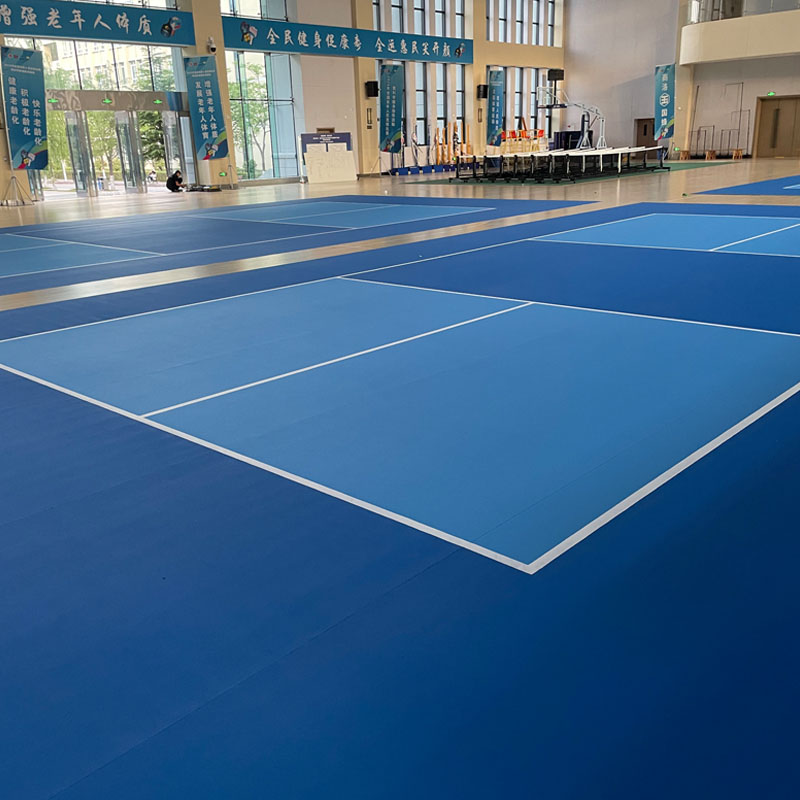
Temporary pickleball courts are modular, mobile systems that replicate regulation play conditions without the permanence of concrete and paint. They come with defined boundaries, net systems, and adaptable surfaces, all engineered for swift deployment. It’s like having a professional-grade court in your equipment trailer.
Differences from Permanent Courts
Permanent courts are embedded into the landscape — they’re static, weathered, and pricey to alter. Temporary setups, on the other hand, can be deployed on nearly any flat surface, indoors or out, without breaking ground. That kind of versatility gives them an edge in multi-use spaces and evolving environments.
Common Use Cases and Applications
Think tournaments, trade shows, brand activations, gymnasiums, and hotel ballrooms. Anywhere there’s open floor space, there’s an opportunity for a court. Even schools and churches are hopping on the bandwagon with temp courts that disappear after use.
The Importance of Portability in Court Design
Adapting to Limited or Shared Spaces
Not every venue has the real estate to dedicate to a single sport year-round. Temporary courts allow you to transform basketball gyms, parking lots, or indoor convention halls into pickleball arenas in no time flat. It’s a smart solution for tight spaces that need to do double duty.
Ease of Setup and Removal
One of the biggest selling points is how quickly these courts can be installed or broken down — usually in under an hour with a trained team. The days of backbreaking labor are over; now, you’re looking at color-coded panels, snap-lock tiles, and pre-measured netting systems. Even a greenhorn can get the hang of it with a little practice.
Supporting Multi-Location Branding Strategies
For brands looking to make noise across multiple cities or countries, temporary courts are a no-brainer. They can be wrapped in custom graphics, built to spec, and reused across various activations. That’s some serious bang for your marketing buck.
Materials Used in Portable Court Construction
Surface Options: Modular Tiles, Synthetic Turf, etc.
Today’s surfaces are engineered for precision play, whether you prefer the bounce of modular polypropylene tiles or the grip of cushioned turf. Modular systems offer quick drainage and consistent ball response. Turf options bring a soft landing and visual appeal for events looking to impress.
Frame and Support Structures
Frames need to be lightweight yet strong — think aluminum alloys or coated steel for maximum durability without the heft. Smart design means less hardware and more plug-and-play assembly. Anchors, stabilizers, and sidewalls are all part of the package, built for minimal fuss.
Weather-Resistant and Durable Materials
Whether it’s a baking-hot afternoon in Texas or a foggy morning in Vancouver, materials need to hold up. UV-resistant coatings, waterproof adhesives, and anti-slip textures are must-haves. A well-made court shrugs off sun, wind, and rain like a seasoned pro.
Portable Pickleball Court Types
Roll-Out Court Kits
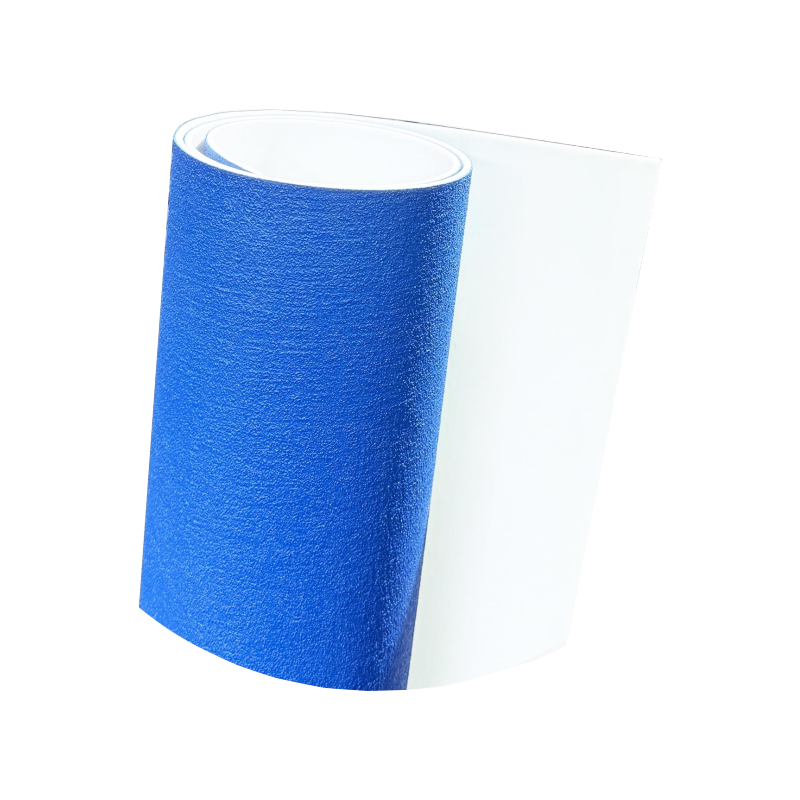
These are your ultra-mobile solutions — often vinyl or rubber mats pre-lined and ready to roll. While they may not match the bounce quality of rigid tiles, they get the job done fast and fold up even faster. Ideal for quick-turnaround events or small-budget setups.
Snap-Together Tile Systems
This is the gold standard for performance and durability. Tiles lock into place with a click and offer high traction, good cushioning, and consistent ball behavior. They’re the go-to for pros who want to recreate the feel of a permanent court without the permanence.
Inflatable or Foldable Court Frames
Lightweight and flashy, these systems grab attention fast. Inflatable borders are often used for marketing events or beginner lessons. While not built for tournament-level play, they serve a niche that values portability above all.
OEM/ODM Opportunities in Temporary Court Manufacturing
Custom Branding Options for Partners
Logos, color schemes, messaging — all of it can be embedded into court surfaces, nets, and even packaging. That turns your mobile court into a moving billboard. Brands love the exposure, and end users get a cohesive, professional experience.
White-Label vs. Private Label Solutions
Whether you’re reselling or rebranding, manufacturers offer both white-label (unbranded) and private label (fully custom) options. This flexibility opens the door for small startups and global giants alike to bring unique solutions to market. It’s all about control — and visibility.
Meeting Unique Specification Demands
Need a court to fit a rooftop space with 3-inch drainage gaps? No problem. OEM/ODM producers can tailor everything from court dimensions to surface hardness to fit a client’s exact vision. It’s not just about product — it’s about partnership.
Logistics and Transport Considerations
Weight and Volume Factors
Portability doesn’t mean featherweight, but smart design keeps weight manageable. Most court systems break down into stackable sections or rollable segments, reducing bulk. The goal is to fit a full regulation court into a single crate or van load.
Packaging Solutions for Global Shipping
Protective packaging is a key piece of the puzzle. Foam inserts, reinforced corners, and weather-sealed wraps keep the components safe across sea, sky, or truck route. Global freight-forwarding partnerships streamline the delivery from China to the world.
Storage Requirements On-Site
Once the game ends, storage becomes the name of the game. Temporary courts pack down compactly and can be stored in closets, garages, or shipping containers. Stackable bins and wheeled cases help keep things tidy and protected between uses.
Setup and Takedown Efficiency
Time Required for Assembly/Disassembly
An average team can set up a full-size court in under 45 minutes with proper training. Quick-connect joints, pre-lined markings, and labeled parts eliminate the guesswork. That speed means more time playing and less time scratching heads.
Recommended Tools and Team Size
Most kits only need a rubber mallet and maybe a power driver. A three-person crew is ideal: one for unboxing, one for layout, and one for final checks. Keeping it lean and simple is part of the portable court’s charm.
Safety and Maintenance Protocols
Even temporary setups need TLC. Regular inspections for wear, tear, and secure locking can extend court life. Slip-resistant surfaces and clearly marked boundaries keep players safe and brands out of legal hot water.
Design Flexibility and Customization
Court Dimensions and Layouts
Whether you’re working with a full-size regulation space or a half-court for training, dimensions can be adjusted. Custom layouts can even incorporate coaching zones or warm-up areas. It’s a tailor-made experience every time.
Branding Zones and Color Schemes
From sideline ads to net sleeves, there are plenty of places to insert your brand personality. Colorways can be matched to national teams, sponsors, or event themes. It’s eye-catching, Instagrammable, and deeply effective.
Integration of Multi-Sport Features
Got a space that flips between pickleball and futsal? Temporary courts can be designed with multi-line systems or reversible surfaces. One minute it’s dinks and drops, the next it’s dribbles and goals.
Cost Efficiency and ROI for Buyers
Lower Upfront Investment vs. Permanent Builds
Forget site prep, concrete pours, and construction permits — temporary courts cost a fraction of the price. For venues testing the waters or operating seasonally, this makes all the difference. Lower risk, quicker payback.
Reusability Across Multiple Events or Venues
Buy once, deploy often. Portable courts can travel city to city, event to event, delivering consistent play quality wherever they go. That reusability pays off fast in marketing, revenue, and brand recognition.
Impact on Customer Engagement and Brand Exposure
When a branded court pops up in a mall or public plaza, heads turn. People stop, play, snap photos, and share — driving impressions that no billboard ever could. Engagement goes through the roof.
Use Cases in Sports Events and Pop-Ups
Tournaments and Promotional Showcases
Pop-up courts make tournaments mobile and scalable. Whether it’s a pro event or a local showdown, they bring the excitement to new audiences. And when it’s branded, every match becomes a marketing moment.
Corporate and Community Events
From team-building retreats to city park festivals, temporary courts are instant crowd-pleasers. They’re approachable, inclusive, and downright fun. That’s a win-win for hosts and attendees alike.
Temporary Installations in Schools and Clubs
PE programs and community centers often lack the funds or space for permanent courts. Portable systems solve the problem — giving kids and club members access to real-deal play without blowing the budget.
Durability and Performance Standards
Surface Traction and Bounce Quality
High-end surfaces mimic the bounce and grip of permanent installations. That means clean volleys, safe pivots, and consistent play. Athletes won’t know the difference — and that’s the point.
Resistance to Weather and UV Exposure
Sun, rain, wind — no problem. Materials are treated to withstand the elements without warping, cracking, or fading. Even after a summer tour, courts still look and play like new.
Long-Term Performance in High-Traffic Use
Quality portable courts are battle-tested. Whether it’s hundreds of matches or thousands of feet, top-tier materials stand up to the grind. Maintenance is minimal, and replacements are rare.
Compliance with Official Regulations
Court Dimension and Marking Standards
Every good court starts with precision. Temporary systems are cut and marked to match USA Pickleball or international standards to the millimeter. That way, no one can question the legitimacy of your event.
Net Systems and Boundary Requirements
Net heights, tension settings, and side clearances all matter — and portable systems deliver. Nets come with adjustable frames and pre-set lines that keep things tournament legal. It’s pro-level quality without the permanence.
Alignment with USA Pickleball or International Rules
From junior clinics to sanctioned competitions, compliance is non-negotiable. Temporary courts meet those rules so players, organizers, and officials can trust the environment. No corners cut, no rules bent.
Sustainability and Eco-Friendly Materials
Recyclable and Reusable Components
Green doesn’t mean flimsy — today’s courts use recyclable plastics, low-emission materials, and reusable packaging. That appeals to both customers and municipalities focused on sustainability goals. It’s good for business and the planet.
Low-Impact Installation Techniques
No digging, no drilling, no damage. Temporary courts lay flat on existing surfaces with minimal disruption. That makes them ideal for heritage sites, public venues, and eco-sensitive zones.
Green Certifications and Buyer Expectations
Buyers today ask tough questions about materials and sourcing. Manufacturers that offer LEED compliance, REACH certification, or carbon offsetting earn more trust — and more contracts. The green trend isn’t going away.
Choosing the Right Manufacturer
Evaluating OEM/ODM Capabilities
Not all manufacturers are created equal. Look for partners who offer in-house design, custom engineering, and quality control from raw material to finished court. That end-to-end visibility ensures consistency.
Production Capacity and Lead Times
Fast isn’t helpful if it’s sloppy. Balance production speed with quality assurance — and look for scalable capacity that can grow with your needs. When a big order comes in, you want a factory that won’t miss a beat.
Case Studies and Client Testimonials
Nothing beats a proven track record. Case studies that show successful rollouts — with metrics and visuals — help separate serious players from the rest. Testimonials from big-name clients don’t hurt either.
Future Trends in Portable Pickleball Courts
Smart Integration and Digital Features
Imagine courts that track player movement, sync with mobile apps, or light up for night play. Smart features are making their way into temporary systems, bringing tech to the turf. It’s the future, and it’s already knocking.
Advances in Material Science
Tomorrow’s courts will be lighter, tougher, and more adaptable. Graphene-infused tiles, biodegradable polymers, and self-healing coatings are on the horizon. That means better performance, longer life, and lower environmental impact.
Expanding Global Demand and Product Evolution
As the sport spreads to new corners of the globe, so too will the need for portable courts. From luxury resorts in Dubai to community centers in Brazil, the market is wide open. The only question is — who’s ready to serve first?
Related Posts
How to Convert a Tennis Court to Pickleball Courts
Can You Put a Pickleball Court on a Driveway? A Complete Guide
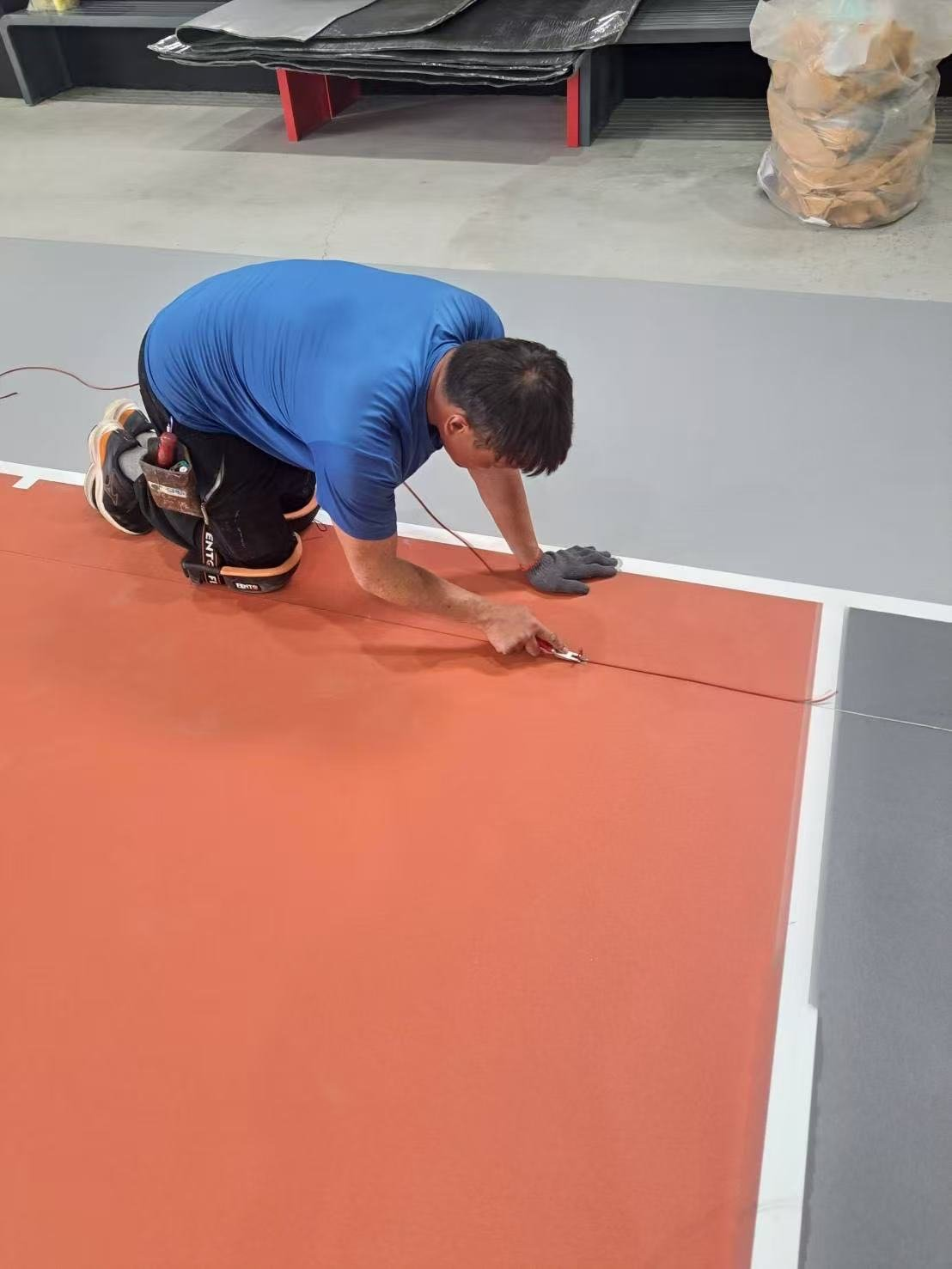
How to Install Roll-Out Pickleball Court Flooring