Table of Contents
Categories

KOLISTI Team
1. Introduction to Quiet Pickleballs
What Are Quiet Pickleballs?
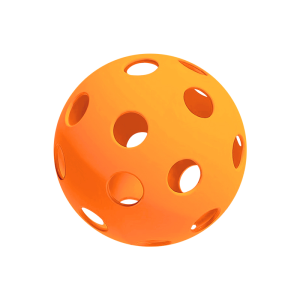
Quiet pickleballs are a fresh breed of performance-engineered balls, specifically crafted to reduce the characteristic pop-pop sound of traditional models. By using modified core structures and unique polymer blends, these balls keep gameplay intact while significantly cutting down on noise pollution. For brands catering to indoor clubs, urban spaces, and noise-sensitive zones, these balls are quickly becoming a must-have in their product arsenal.
Why Noise Reduction Matters in Pickleball
Let’s face it—pickleball isn’t exactly a silent sport. When paddle meets ball, that sharp crack can be music to some ears, but downright disruptive to others. In residential areas and community centers, complaints about noise have reached fever pitch. Offering quiet pickleballs helps brands stay ahead of the curve and out of the crosshairs of local ordinances. It’s not just about courtesy—it’s about compliance, playability, and customer satisfaction.
Growing Demand for Low-Noise Sports Equipment
As recreational spaces tighten and cities grow denser, the call for low-noise sports gear is getting louder. Consumers—especially those in apartment-heavy neighborhoods or HOA-regulated zones—are gravitating toward equipment that blends performance with peace. From silent basketballs to vibration-dampened tennis rackets, low-decibel products are the new normal. Quiet pickleballs aren’t just riding that wave—they’re driving it in the racquet sport niche.
2. The Innovation Imperative in Modern Sports Brands
How Innovation Drives Consumer Loyalty
Innovation isn’t just for Silicon Valley—it’s the engine that drives brand stickiness in sporting goods, too. When players feel their equipment is cutting-edge, they develop an emotional bond with the brand behind it. Offering something as finely tuned as a quiet pickleball demonstrates foresight, care, and a commitment to progress. Loyalty follows brands that anticipate needs before they become complaints.
Competitive Edge Through Product Differentiation
In the race to dominate court space, standing out matters. A brand offering standard-issue pickleballs might fade into the background, but one pushing acoustic innovation? That gets noticed. Custom quiet pickleballs help procurement managers build collections that don’t just compete—they lead. When every other SKU looks the same, innovation becomes the hook that keeps retailers and customers coming back.
The Role of Innovation in Brand Perception
Today’s consumers want to align with brands that are forward-thinking, responsible, and solution-oriented. A quiet pickleball communicates all three in a single swing. It says, “we care about communities, play experience, and cutting-edge tech.” This kind of brand positioning doesn’t just sell—it inspires trust. And trust is what keeps your product in the shopping cart and off the discount shelf.
3. Market Trends Shaping the Quiet Pickleball Segment
Rising Popularity of Pickleball Worldwide
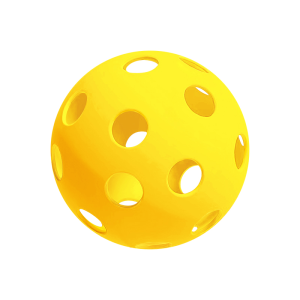
Pickleball has exploded in recent years, finding fans from Miami to Mumbai. With courts popping up in parks, gyms, and schoolyards, the game is shedding its niche status fast. As this popularity grows, so does the demand for equipment that can meet new performance, aesthetic, and acoustic standards. Quiet pickleballs are quickly moving from novelty to necessity in fast-expanding markets.
Consumer Preferences for Noise-Controlled Play
People want to play without disturbing the peace, plain and simple. Whether it’s weekend warriors sneaking in a 7 a.m. game or retirees enjoying afternoon matches in shared housing, noise-controlled play is key. Quiet pickleballs allow players to enjoy the game without getting side-eye from the neighbors or park rangers. This shift in consumer mindset isn’t a blip—it’s a baseline.
Regulatory and Community Noise Restrictions
More and more municipalities are putting the squeeze on noisy sports, and pickleball is often in the hot seat. Sound ordinances, HOA guidelines, and court time restrictions are putting pressure on clubs and facilities to get quieter. Forward-thinking brands can step in with quiet pickleballs as a ready-made solution. Compliance plus innovation? That’s a win-win.
4. Key Features of Innovative Quiet Pickleballs
Advanced Polymer and Core Materials
The heart of a quiet pickleball lies in its core. Manufacturers are now using proprietary polymer blends and structural dampening elements that absorb impact noise without dulling the bounce. Think of it like stealth mode for your paddle. These aren’t cheap plastics—they’re engineered composites, designed for performance and peace.
Engineered Surface Texture and Weight Balance
It’s not just about what’s inside—surface texture and weight distribution play a massive role. A finely-tuned ball will glide through the air with minimal vibration, reducing acoustic output on contact. Texture also enhances control and spin, giving players a pro-level feel without the racket. When every detail is engineered, the silence speaks volumes.
Durability and Long-Term Performance
Innovation that doesn’t last is just flash in the pan. Quiet pickleballs need to survive aggressive play, indoor floors, outdoor grit, and temperature swings. The best models hold their shape and sound-dampening properties for hundreds of games. This durability not only adds value but also strengthens brand perception over the long haul.
5. Customization Options for Brand Differentiation
Logo and Color Custom Printing
Brand identity is everything in a saturated market. OEM quiet pickleballs can be printed with vivid logos and custom colors that align with a brand’s visual DNA. Whether you’re looking for minimalism or maximalist flare, customization ensures your ball looks as premium as it performs.
Packaging Solutions Aligned with Brand Identity
Don’t underestimate the box. Custom packaging, from recyclable tubes to sleek matte finishes, enhances the unboxing experience and reinforces your brand’s message. Whether your buyers are big-box retailers or boutique shops, packaging that wows is part of the product story.
Custom Performance Specifications Based on Target Markets
One size does not fit all in pickleball. Competitive players want higher bounce and precision control, while beginner-friendly products need consistency and forgiveness. Custom performance tuning—acoustic thresholds, bounce rates, hardness—lets brands serve multiple segments without reinventing the wheel every time.
6. OEM/ODM Solutions for Brand Procurement Teams
Differences Between OEM and ODM Models
OEM (Original Equipment Manufacturer) lets you bring your brand to an existing design, while ODM (Original Design Manufacturer) offers end-to-end product development. OEM is ideal for quick turnarounds; ODM is for when you want to break the mold entirely. Both options provide flexibility, depending on your launch timeline and innovation appetite.
How OEM/ODM Streamlines Product Development
With experienced manufacturers, you can skip months of R&D and go straight to market-ready. Templates, molds, materials—all ready to be tailored to your specs. It’s like having a product development team without the overhead. The key is finding a partner who knows the sport as well as the science.
Benefits of Partnering with a Reliable Manufacturer
A reliable manufacturer reduces risk, delays, and rework. From stable supply chains to consistent quality control, a good partner becomes an extension of your brand. The best factories also provide insights into emerging tech and material upgrades, keeping your catalog fresh and competitive.
7. Quality Control and Testing Standards
In-House Lab Testing for Acoustic Levels
Before any ball hits the court, it should pass a battery of lab tests. Leading manufacturers use decibel meters, impact tests, and bounce assessments to guarantee performance. Quiet isn’t subjective—it’s measurable. And that kind of testing ensures every batch meets brand promises.
International Certifications and Compliance
Whether you’re selling in the EU, USA, or Asia-Pacific, certifications matter. Products should comply with relevant safety and material standards—RoHS, REACH, ASTM—depending on where you’re shipping. These aren’t just bureaucratic checkboxes; they signal legitimacy and responsibility to your buyers.
Batch Testing and Inspection Protocols
Every production run should undergo random sampling and inspection. Look for partners who employ rigorous quality assurance protocols—not just final inspections but in-process checks. It’s the difference between 99% reliability and a warehouse full of defective returns.
8. Case Studies of Innovative Brands Using Quiet Pickleballs
Boutique Sports Brands Targeting Urban Clubs
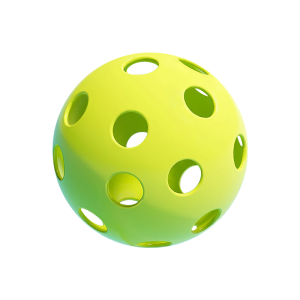
One East Coast startup partnered with a Chinese ODM to launch a line of matte-finished quiet pickleballs tailored for rooftop courts. The result? A 200% increase in orders from metropolitan facilities and boutique retailers within six months. Noise control became their competitive advantage.
Retail Chains Building Private Label Collections
A mid-tier sporting goods retailer built an entire private label collection centered on low-noise gear, with quiet pickleballs as the flagship product. Sales outperformed expectations, and customer reviews praised the sound reduction as a key feature. It turned a commodity item into a conversation starter.
Institutional Buyers for Schools and Gyms
School districts and community gyms are particularly sensitive to noise complaints. One district outfitted 20 schools with branded quiet pickleballs and reported a 75% drop in facility noise concerns. Quiet innovation isn’t just for pros—it’s winning hearts in recreational sectors too.
9. Sustainability in Quiet Pickleball Manufacturing
Eco-Friendly Materials and Production Processes
More manufacturers are moving toward recyclable polymers and cleaner curing processes. These materials reduce both environmental impact and production waste. For brands aiming to appeal to the eco-conscious segment, that’s a major selling point.
Packaging Innovation to Reduce Waste
Custom tubes made from recycled cardboard, biodegradable shrink wraps, and minimalist design all play into greener branding. Sustainability can start with the ball—but it ends with what goes into the customer’s hands. Make that last impression a good one.
Aligning Sustainability with Consumer Expectations
Today’s buyers want performance and responsibility. Quiet pickleballs that are also planet-friendly allow brands to market to two high-growth segments at once. It’s not greenwashing when the product really delivers on both fronts.
10. Sourcing Quiet Pickleballs from China
Advantages of Chinese Manufacturing Expertise
China’s manufacturing ecosystem is unmatched when it comes to scalable innovation. Factories have the machinery, manpower, and know-how to deliver customized solutions without sky-high costs. It’s not just about volume—it’s about versatility and consistency.
Communication and Lead Time Best Practices
Clear communication is critical. Work with partners who offer bilingual support, real-time updates, and transparent production schedules. A factory that hits deadlines and keeps you in the loop? Worth its weight in polymer.
Navigating MOQ, Pricing, and Shipping Logistics
Minimum order quantities vary, but many manufacturers offer flexible terms for new partners. Pricing scales with complexity, but even high-spec quiet balls remain affordable in bulk. Factor in shipping timelines and customs processing early in your procurement plan to avoid surprises.
11. Future Trends in Quiet Pickleball Innovation
Smart Ball Technology and Embedded Sensors
Tech meets tradition with smart pickleballs that track impact, spin, and bounce. Quiet and connected, these products are set to redefine player feedback and coaching. The future of silent play may also be digital.
Next-Gen Materials and Silent Play Engineering
Expect continued evolution in thermoplastics, vibration-dampening cores, and sound-absorbing laminates. Some brands are even exploring foam-filled cores for ultra-quiet indoor play. Innovation is just getting warmed up.
Expanding Use Cases Beyond Traditional Pickleball
Quiet pickleballs are branching out into modified games for younger players, rehab programs, and even senior care fitness regimens. As new demographics adopt the game, demand for quieter, gentler equipment will only increase.
12. Conclusion and Call to Action
Key Takeaways for Brand Decision Makers
Quiet pickleballs represent more than a trend—they’re a response to evolving consumer needs, regulatory pressures, and brand differentiation opportunities. They offer performance, peace, and product innovation all in one.
Why Now Is the Time to Invest in Quiet Pickleballs
With noise complaints on the rise and the sport still booming globally, there’s never been a better moment to future-proof your catalog. Brands that act now will own the space before it gets crowded.
Next Steps to Launch Your Branded Quiet Pickleball Line
Choose an OEM/ODM partner with a proven track record, nail down your specs, and prepare your marketing story. Your customers are ready to listen—just make sure what they hear is quiet.
Related Posts
How to Install Roll-Out Pickleball Court Flooring
Cushioned Pickleball Courts: Sourcing Guide for Global Brands
Outdoor Pickleball Court Flooring: 5 Sourcing Tips