Table of Contents
Categories

KOLISTI Team
Understanding the Private Label Opportunity in Pickleball
Market Growth and Demand for Pickleball Accessories
Pickleball isn’t just catching on—it’s exploding like a cracked serve on a summer court. With millions of players picking up paddles worldwide, the sport has shifted from backyard hobby to global trend. That momentum is fueling surging demand for accessories that enhance gameplay, style, and performance. Gloves, once overlooked, are now front and center as players seek better grip, less sweat, and more control. For brands looking to ride this wave, accessories represent a golden ticket to profit. The market’s still hot and far from saturated. That means there’s plenty of room at the table for new players—especially private labels with a sharp value proposition.
Why Gloves Are a High-Potential Product Segment
While paddles steal the limelight, gloves are the unsung heroes of the court. They bridge the gap between player and paddle, enhancing feel, finesse, and focus. As matches heat up, sweaty palms turn into slippery grips—and that’s where a good glove earns its stripes. They’re also affordable, easy to customize, and simple to ship, making them ideal for high-turnover retail strategies. With the right design, they appeal to both casual players and seasoned tournament competitors. Best of all, gloves are recurring purchases—players wear them out and come back for more. That repeat business? It’s pure gold for any private label.
The Benefits of Offering Private Label Sports Gear
Private labeling gloves gives brands full control over design, pricing, and messaging. No middleman, no licensing headaches—just your logo front and center on a product built to perform. It’s a strategic move that builds brand equity and boosts profit margins all at once. Plus, you gain agility—able to respond to trends faster than bigger, slower legacy brands. Whether it’s seasonal colors or co-branded collections, private label lets you pivot without skipping a beat. As long as you’re backed by a reliable manufacturing partner, your brand can dominate a niche with custom gear that feels tailor-made. And that’s exactly what consumers crave—authenticity with performance to match.
Key Features That Define High-Quality Pickleball Gloves
Breathability and Moisture-Wicking Materials
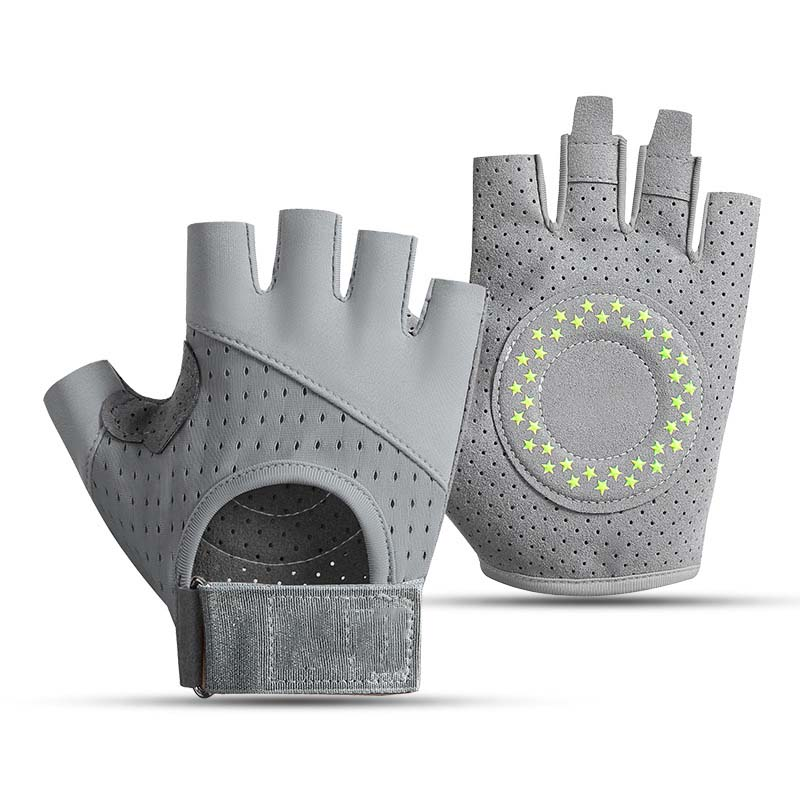
When the game’s on the line and the sun’s beating down, breathability matters more than you’d think. Top-tier gloves integrate technical fabrics that wick sweat like a desert sponge—keeping hands dry and grips steady. Mesh panels, moisture channels, and vented palms are no longer luxuries; they’re essentials. Nobody wants a glove that turns into a swamp after two games. The right materials breathe, stretch, and dry fast, allowing for longer, more comfortable play. This isn’t just about comfort—it’s about performance under pressure. When your gear keeps up with your game, you can focus on winning, not wiping your hands.
Durable Stitching and Grip-Enhancing Palms
A glove is only as good as its seams—and trust me, there’s nothing worse than stitching that unravels mid-match. Reinforced seams and industrial-strength thread ensure gloves can take a pounding without falling apart. Grip is just as critical; players need palm textures that lock in paddle handles like glue. Silicone printing, tacky leather, or synthetic microtextures all play a role in keeping the paddle steady through volleys and dinks. Durability and grip aren’t optional—they’re the backbone of serious gear. If the glove can’t go the distance, it’s headed for the trash. High-quality construction builds trust with your customers—and keeps them coming back.
Ergonomic Design for Maximum Comfort and Control
If a glove fits like a cardboard box, it doesn’t matter how great it looks. Ergonomic design contours the glove to match real hand shapes and natural finger movements. Pre-curved fingers, stretch zones, and compression fits enhance feel and reduce fatigue. Every detail—down to thumb gussets and cuff styles—affects how players perform on the court. When gloves feel like a second skin, confidence skyrockets. It’s the difference between playing to win and playing not to drop the paddle. In this game, control is king—and ergonomics are the throne.
Customization Options That Elevate Your Brand
Logo Placement and Brand Color Integration
A glove is more than gear—it’s a branding canvas. Strategic logo placement makes sure your name shows up where it matters: on the court, in photos, and in your customers’ minds. Embroidery, heat-pressing, and sublimation all offer unique ways to make your mark. Custom color schemes that match your brand palette reinforce identity and build cohesion across product lines. Smart design choices turn standard gloves into signature items. They also create the kind of visual consistency that makes a brand feel big, even when it’s just breaking into the market.
Packaging Solutions for a Premium Unboxing Experience
First impressions count, and in eCommerce, packaging does the talking. A sleek, well-designed package tells buyers your brand values quality and detail. Whether it’s recyclable kraft boxes, zippered polybags, or magnetic gift boxes, good packaging ups the perceived value of your product. Add-ons like inserts, tags, and holographic seals build trust and excitement. The unboxing experience becomes shareable—social media gold for your marketing team. And in a crowded marketplace, packaging can be the deciding factor between cart and skip.
Material and Design Customization for Different Markets
What works for a Florida pickleball crowd might flop in Sweden. Different regions have different climates, styles, and player preferences. Offering gloves with thermal lining for cold markets or ultra-light mesh for hot regions shows you’ve done your homework. Design tweaks like fingerless options or paddle-specific grips let you serve niche audiences. That customization also unlocks the door to partnerships with local clubs, influencers, and retailers. One size fits all? That’s old-school thinking. Modern private labels succeed by offering personalized performance.
Choosing the Right OEM/ODM Manufacturing Partner
Factors to Evaluate When Selecting a Supplier
A good glove starts with a great factory. You’ll want to vet suppliers for technical capability, production capacity, and commitment to quality. Ask for sample runs, check previous client references, and don’t be shy about factory visits—virtually or in person. Look for responsiveness, attention to detail, and a willingness to iterate on prototypes. If the supplier cuts corners, your brand reputation takes the hit. Choose a partner that sees your success as their success, not just another invoice to fulfill.
Understanding OEM vs. ODM Capabilities
OEM (Original Equipment Manufacturer) builds your design, exactly how you want it. ODM (Original Design Manufacturer) offers you pre-developed designs you can tweak and brand as your own. Both have their perks—OEM is ideal if you’ve got a unique vision, while ODM is faster for getting to market. A hybrid approach can be even more powerful: modify existing templates while customizing high-impact features. Know what level of input you need before signing any contracts. The right partner should be able to flex between both models with ease.
The Importance of Communication and Transparency
A factory that ghosts you after sample approval? That’s a nightmare. Clear, consistent communication is the bedrock of a strong manufacturing partnership. From design revisions to delivery schedules, you need updates you can count on. Transparency on material sourcing, pricing breakdowns, and production timelines helps you make smart decisions. If issues arise—and they sometimes do—you want a partner who raises a hand, not one who hides the problem. Communication builds trust. Trust builds business.
How to Balance Cost and Quality in Private Label Production
Smart Material Sourcing for Competitive Pricing
Materials make or break a glove—both in function and in cost. Smart sourcing means selecting materials that offer the best performance-to-price ratio. Synthetic leathers, moisture-wicking fabrics, and grip-enhancing polymers are often more cost-effective than exotic options, yet they hold up just as well when properly tested. Bulk purchasing, long-term supplier relationships, and geographic proximity to textile markets can shave down costs without sacrificing quality. It’s all about knowing where to spend and where to save. Your end goal? A glove that feels premium but doesn’t price you out of your market segment.
Maintaining Quality Standards at Scale
Making 100 gloves that pass inspection is easy. Making 100,000 and keeping the quality consistent—that’s the real test. Quality assurance systems must be baked into every stage of the production process, not just slapped on at the end. Implementing SOPs, random batch testing, and real-time defect tracking helps keep standards high. Your reputation hinges on what gets into the customer’s hands. A single thread out of place can lead to returns, bad reviews, or worse—brand erosion. Excellence isn’t a one-time act; it’s a system that scales.
Cost-Effective Production Strategies for Higher ROI
Efficiency is the name of the game. Streamlined workflows, minimized waste, and optimized labor utilization are what keep production costs in check. Some manufacturers offer cell-based production, which boosts speed without sacrificing quality. Consider batch production schedules and Just-in-Time (JIT) inventory systems to reduce holding costs. Investing in reusable molds, dies, and printing templates also pays off over time. Every penny saved in production widens your profit margin—and that’s what fuels future growth.
Compliance and Certification Essentials
Meeting International Quality and Safety Standards
If you want to sell globally, you’ve got to play by the global rulebook. That means making sure your gloves meet CE, ASTM, or ISO certifications depending on your target market. Safety, skin sensitivity, and durability are common criteria in testing. Failure to comply can lead to customs delays, seized shipments, or worse—legal battles. Certified gloves also give customers peace of mind, which leads to stronger loyalty and better reviews. It’s not just about ticking boxes; it’s about building credibility on a world stage.
Eco-Friendly and Sustainable Material Certifications
Today’s consumers are savvier—and greener—than ever. They want to know their gear is made responsibly. Choosing GRS-certified recycled fabrics, water-based inks, or biodegradable packaging can give your brand a serious edge. Certifications like OEKO-TEX or FSC show your commitment to sustainability without the greenwashing. These choices may carry slightly higher upfront costs, but the long-term brand equity they generate is worth its weight in gold. More and more retailers are demanding eco-friendly compliance too. Ignore sustainability, and you risk being left on the shelf—literally.
Ensuring Factory Audits and Ethical Labor Practices
Modern buyers care about how products are made—not just what they do. Factory audits, such as BSCI or SMETA, help guarantee that labor conditions meet ethical standards. These audits evaluate everything from worker safety and wages to hours and hygiene. Partnering with audited factories builds a story you can proudly share with customers and retailers alike. It also mitigates risk in a world where social media can blow up scandals overnight. A clean supply chain is no longer optional—it’s foundational.
Streamlining the Manufacturing and Logistics Process
Sample Development and Approval Timelines
First impressions matter—especially when they come in the form of a product sample. The development phase sets the tone for your entire relationship with the factory. Samples should be tested thoroughly for fit, feel, and function before greenlighting full production. Timely sample iterations, detailed feedback loops, and clear spec sheets prevent costly delays. Don’t rush it, but don’t let it drag either. A factory that can turn around a high-quality sample in under two weeks is worth its weight in titanium.
Production Lead Times and Capacity Planning
Production timelines can make or break your go-to-market strategy. A 6-week delay might mean missing a tournament season or holiday surge. Accurate forecasting, clear communication, and buffer time planning are key to staying on track. Make sure your factory has the capacity to handle both your initial order and reorders if demand spikes. Consider tiered manufacturing partners—one for bulk, another for rapid runs. Smart capacity planning ensures you’re never caught with your shelves empty and your customers waiting.
Shipping, Warehousing, and Global Delivery Options
Once gloves are boxed and ready, the logistics marathon begins. Air freight is fast but pricey; sea freight saves money but takes time. The best strategy often involves blending both, depending on urgency and destination. Consider 3PL (third-party logistics) providers with global warehousing to streamline delivery and reduce customs hiccups. Duties, taxes, and local regulations can become a tangle if not managed proactively. A good logistics plan isn’t just about getting products from A to B—it’s about doing it reliably, affordably, and without giving you gray hairs.
Building a Strong Product Line Around Pickleball Gloves
Expanding into Related Accessories and Apparel
Pickleball gloves are just the beginning—they’re your foot in the door. Once your brand gains traction, it’s smart to expand into adjacent categories like wristbands, paddle covers, compression sleeves, and even performance shirts. These related products allow you to cross-sell and boost average order values without reinventing the wheel. Players who trust your gloves are more likely to buy other gear that completes their court kit. It’s a natural brand extension that deepens customer loyalty and opens new revenue streams. From headbands to hydration packs, the possibilities are as wide as a baseline volley.
Creating Seasonal or Limited-Edition Collections
Scarcity drives demand—ask any sneakerhead. Seasonal or limited-edition glove drops can build hype, encourage urgency, and generate buzz around your brand. Think patriotic colorways for the Fourth of July, neon glow styles for night tournaments, or special collabs with influencers or clubs. These short-run collections create marketing moments that are perfect for social media and email campaigns. Plus, they allow you to test new materials or designs without committing to full-scale production. For your brand, it’s part style play, part sales strategy.
Strategies for Upselling and Bundling Products
Gloves pair perfectly with other items—why not sell them that way? Bundling gloves with paddles, grip tape, or cleaning kits increases value for the customer and profit for your brand. You can also offer upsells like premium glove variants, personalized embroidery, or carry cases. Tiered pricing models—basic, advanced, elite—cater to different buyer personas without complicating your product line. Smart upselling not only lifts your bottom line, it positions your brand as a one-stop shop for all things pickleball. That’s how you go from “just another vendor” to “go-to gear provider.”
Marketing and Positioning Your Private Label Gloves
Identifying and Targeting Niche Customer Segments
Not every player is chasing medals—some just want to play without blisters. Segmenting your market lets you tailor your messaging for weekend warriors, senior leagues, youth camps, or even adaptive athletes. Each group has different pain points and preferences. Seniors might prioritize comfort and arthritis-friendly fits, while younger players might want flashy designs and pro-style grip. Niche targeting makes your brand feel personal, relevant, and dialed in. And when people feel seen, they buy.
Using Influencer and Affiliate Marketing Strategies
Let’s be honest—nothing sells like someone showing off your gloves mid-match on TikTok. Partnering with micro-influencers, coaches, or semi-pro players can get your gear into the spotlight. Affiliate programs are also low-risk, high-reward ways to incentivize content creators and ambassadors to promote your gloves. These strategies build organic visibility and trust far more effectively than generic ads. A single well-placed video or tournament endorsement can snowball into thousands of new eyes—and orders. Word of mouth moves fast in tight-knit sports communities like pickleball.
Highlighting Unique Selling Points in Product Listings
Your product pages should do more than just inform—they should convert. Use bullet points and visuals to hammer home your gloves’ best features: enhanced grip, breathable mesh, reinforced stitching, and killer custom branding. Don’t just tell players it’s better—show them why. Include lifestyle imagery, sizing charts, and customer reviews that speak to real performance. Use words like “engineered,” “precision fit,” or “tournament-ready” to evoke trust and technical value. When your listings read like pro endorsements instead of bland specs, sales tend to follow.
Scaling Your Brand with a Long-Term Manufacturing Strategy
Planning for Inventory Growth and Reordering Cycles
You’ve got momentum—don’t let stockouts kill your buzz. Plan inventory cycles with your manufacturer to match sales spikes, seasonal shifts, and marketing campaigns. Leverage reorder thresholds and real-time tracking to avoid overstocks and shortages. As your brand grows, so does the complexity of managing SKUs, sizes, and regional preferences. A dialed-in supply chain isn’t a luxury—it’s mission-critical. Think like a general, not a gambler. Predict, prepare, and protect your growth.
Leveraging Data for Demand Forecasting and Trends
Data is your compass. Use historical sales, customer feedback, and search trends to predict what’s coming next. Did a new grip style fly off the shelves? Is a certain region buying more gloves in winter? These insights guide production planning, marketing timing, and product development. Advanced brands even integrate AI tools to crunch purchase patterns and optimize pricing. Don’t fly blind—use every bit of data at your disposal. In the end, it’s the brands that anticipate—not just react—that win.
Related Posts
How to Install Roll-Out Pickleball Court Flooring
Cushioned Pickleball Courts: Sourcing Guide for Global Brands
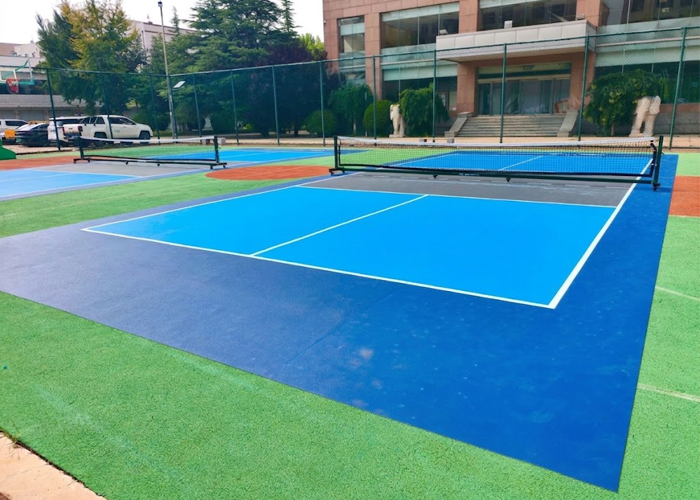
Outdoor Pickleball Court Flooring: 5 Sourcing Tips