Table of Contents
Categories

KOLISTI Team
Introduction to Pickleball and Equipment Needs
The Rising Popularity of Pickleball Worldwide
Pickleball isn’t just a backyard pastime anymore—it’s become a full-blown phenomenon across the globe. From retirees in Florida to college athletes in California, everyone’s picking up a paddle. With new courts sprouting up like wildflowers and tournaments filling up faster than a hot donut shop on Sunday morning, the sport’s meteoric rise shows no signs of slowing. It has captured the attention of casual players and serious athletes alike. The community is booming, and with growth comes the need for smarter infrastructure. Efficiency is no longer a luxury—it’s a requirement for keeping pace.
Challenges Faced in Maintaining Court Efficiency
As interest surges, facilities are feeling the heat. Managing court time, minimizing downtime, and maximizing player throughput are now critical concerns. It’s not just about keeping the nets tight and the balls clean anymore—it’s about shaving every unnecessary second off play interruptions to keep things humming like a well-oiled machine. Staff are stretched thin, and with court demand rising, there’s little room for bottlenecks. Even small delays from retrieving balls can disrupt schedules and increase stress. For competitive venues, that inefficiency can erode profits and reputation.
Importance of Supporting Equipment in Gameplay
That’s where the unsung heroes of the court come in—supporting equipment like ball picker uppers. While paddles and shoes get all the glory, tools that enhance flow and functionality are the real MVPs behind the scenes. A smart setup with the right equipment can turn a chaotic court into a smooth-running operation. Supporting gear is the glue that holds game flow together, ensuring that each match starts and ends on time. In a sport where quick transitions keep the rhythm alive, even simple tools can create massive ripple effects.
What is a Pickleball Ball Picker Upper
Definition and Core Function of the Tool
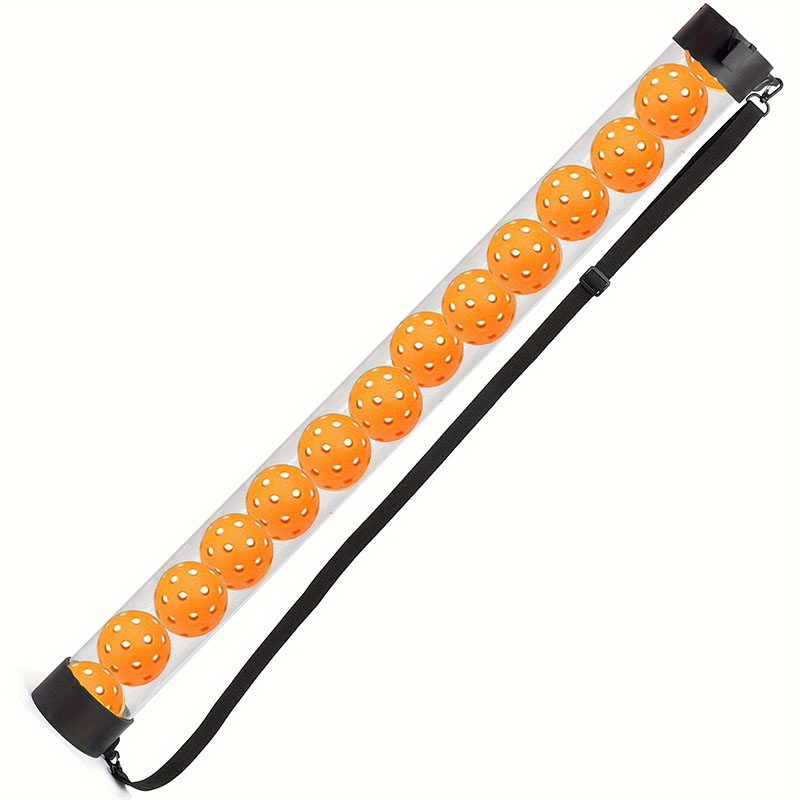
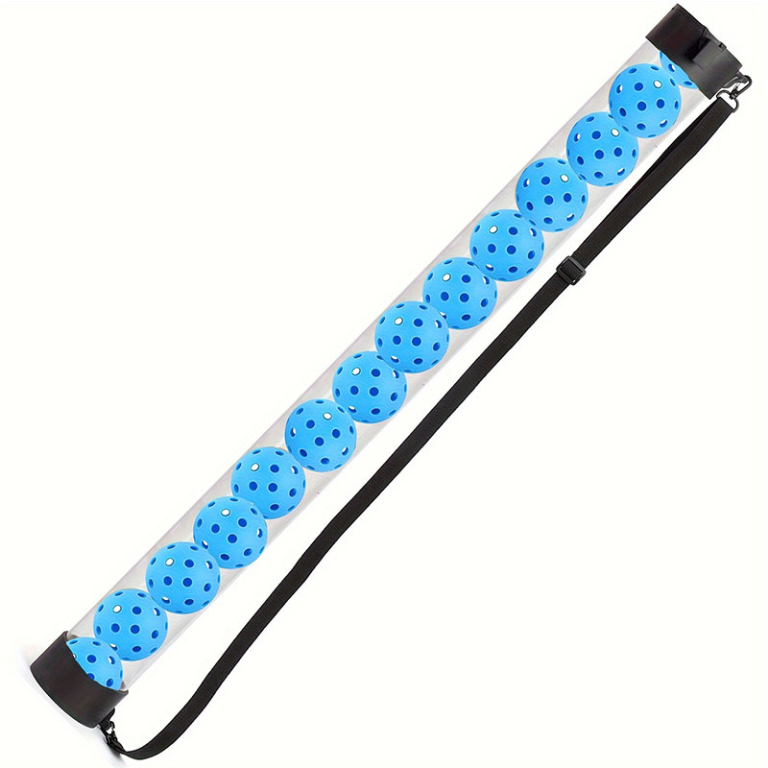
A pickleball ball picker upper is exactly what it sounds like—a gadget designed to gather balls from the court quickly and efficiently. It’s a must-have for coaches, club managers, and players who don’t want to waste valuable time stooping and scooping. These handy tools are the secret weapon to speeding up drills, play, and clean-up. Whether in practice or full-blown tournaments, picker uppers make short work of what would otherwise be a tedious chore. Their purpose is simple, but their impact is substantial. Think of them as time machines that buy back minutes every session.
Common Materials and Designs Used
Most picker uppers are built from lightweight plastics, aluminum alloys, or sturdy polycarbonates, offering the perfect blend of resilience and portability. Designs range from mesh baskets on poles to rolling cages with spring-loaded mechanisms. Some are minimalistic, while others are tricked out with extra storage or adjustable handles—think of it like the Swiss Army knife of court tools. Materials are selected not just for durability but for ease of use, weather resistance, and long-term comfort. Some even fold down for compact storage between uses. The best ones blend engineering know-how with real-world practicality.
Manual vs Automatic Picker Uppers
Manual picker uppers rely on physical effort—roll, scoop, repeat. They’re dependable, affordable, and easy to maintain. On the flip side, automatic models—though pricier—use vacuum systems or mechanical rollers to collect balls with minimal human input, making them ideal for high-volume or professional settings. Manual models are perfect for personal or small-club use, while automatic units shine in commercial environments. Choosing between the two depends on volume, budget, and desired level of automation. Each serves its purpose depending on the use case.
How Court Efficiency Impacts the Pickleball Experience
Time Wasted in Ball Collection During Games
Without a picker upper, collecting balls between drills or games can feel like chasing tumbleweeds in a windstorm. Those seconds add up—especially over multiple matches or a full-day tournament. What seems like a minor delay quickly compounds into lost time and frustrated players. Ball chases may be fun for kids, but they’re a drain on court productivity. In fast-paced matches or drills, rhythm matters—and interruptions disrupt flow. Every moment saved in ball retrieval adds to active playtime, improving overall enjoyment.
Impact on Player Satisfaction and Court Turnover
Pickleball players crave action, not constant interruptions. Fast ball recovery means more time hitting and less time hunting, which translates to higher satisfaction. For facilities, quicker turnovers mean better use of booked court hours and happier customers waiting their turn. The smoother the transition between games, the more satisfied everyone is—from recreational players to seasoned pros. Players notice when a facility runs tight and clean. Positive experience leads to more bookings and word-of-mouth referrals.
Effects on Tournament and Training Operations
During high-stakes events or structured training sessions, efficiency is king. A delayed match or training session due to ball retrieval chaos can throw the whole day off-kilter. That’s why tournament organizers and coaches swear by ball picker uppers to keep the schedule on track and stress levels low. Time is money at competitive events, and every tool that helps maintain pace is worth its weight in gold. Picker uppers keep coaches coaching—not crawling. They also improve the learning environment by maintaining momentum.
Key Features of an Efficient Ball Picker Upper
Lightweight and Ergonomic Construction
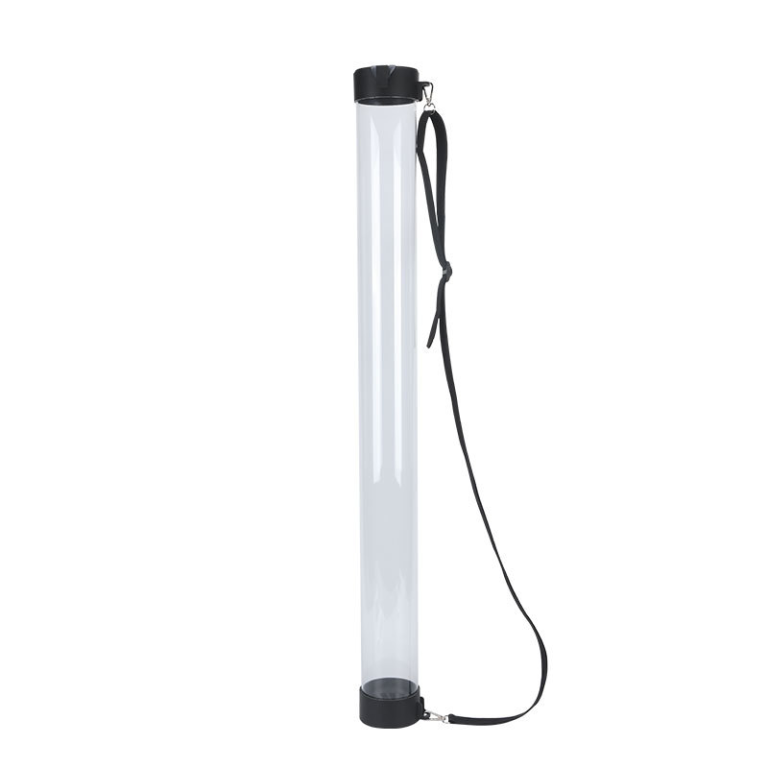
The best picker uppers are light as a feather but tough as nails. Ergonomic handles, balanced weight distribution, and non-slip grips make them comfortable to use even over long sessions. A well-designed tool reduces fatigue and keeps users moving fast. Even junior players or seniors can use them with ease. Portability also makes them easy to store and transport. Comfort directly correlates with usage—nobody wants to wrestle with clunky gear.
Large Capacity and Fast Collection Speed
More balls per load equals fewer trips, and that’s a game-changer. Efficient models can hold 30 to 50 balls or more, cutting down on repetitive collection. Speed rollers or scoop baskets allow for quick pickup—like vacuuming, but way more fun. The faster the collection, the quicker the next serve. This allows coaches to focus more on instruction, not logistics. Fast and full—that’s the winning combo.
Durability and Maintenance-Friendly Design
Nobody wants a picker upper that quits after one season. High-grade materials, weather-resistant components, and replaceable parts ensure long-term use. Easy-to-clean designs also mean less downtime and more playtime. If a tool breaks down mid-tournament, it’s not just inconvenient—it’s embarrassing. Maintenance should be minimal, and replacements should be readily available. That’s why design matters just as much as material.
Advantages for Pickleball Facilities and Clubs
Streamlining Daily Court Operations
With ball picker uppers in the mix, court maintenance becomes a breeze. Staff and players can reset for the next session in a snap, reducing lag time. It’s the small efficiencies that snowball into big wins for facility management. Every saved second counts in peak hours. Over time, picker uppers pay for themselves in productivity. Organized courts feel more professional and attract higher-tier players.
Reducing Labor and Maintenance Costs
Fewer man-hours spent crawling around courts means lower staffing costs. Whether it’s a solo instructor or a large club with a full team, automation in cleanup saves both time and money. Over time, that translates to noticeable savings on the bottom line. Streamlining basic tasks reduces burnout for staff and increases job satisfaction. Facilities that run lean need tools that can keep up.
Enhancing Customer Satisfaction and Retention
When players see a club that runs like clockwork, they stick around. Clean courts, seamless transitions, and no waiting around for ball cleanup show that a facility respects its clients’ time. That builds trust—and loyalty. Tools that improve experience lead directly to higher membership renewals and customer reviews. Picker uppers may seem simple, but their effect on customer satisfaction is undeniable.
OEM and ODM Customization Opportunities
Tailoring Designs for Different Court Types
Not all courts are created equal—indoor, outdoor, clay-composite, asphalt—they all have unique surface challenges. A picker upper that glides effortlessly on one surface might skid or drag on another. That’s why customization for specific court conditions is essential. Adjusting wheel materials, widths, and grip levels can significantly improve usability. Manufacturers can also fine-tune handle lengths or angles for varying user heights. The goal is seamless integration, not a one-size-fits-none tool.
Branding Options and Logo Placement
For brands looking to stand out, ball picker uppers offer prime real estate. Custom colors, engraved logos, or even QR codes printed directly onto the unit can elevate the product from functional to promotional. Facilities can create a cohesive visual identity across gear, paddles, and tools—everything speaks the same design language. A branded picker upper quietly markets your club or brand with every use. It turns practical gear into a statement piece.
Meeting Regional Compliance and Safety Standards
Export markets vary in their regulatory frameworks. From material safety certifications to anti-slip regulations and recyclable packaging, customization must go beyond aesthetics. Reputable OEMs offer documentation and adapt production accordingly. That not only protects your brand legally but also reassures end customers. Safety isn’t just good ethics—it’s good business. A proactive approach to compliance boosts credibility and opens doors to premium markets.
Choosing the Right Manufacturer in China
Evaluating Production Capabilities and Certifications
Finding the right manufacturing partner is like finding a good doubles partner—you need skill, reliability, and trust. Vet factories based on their production lines, factory size, and output volume. Certifications like ISO 9001, BSCI, or Sedex aren’t just logos—they reflect serious commitments to quality and labor standards. Ask for test reports, inspect their tooling setups, and, if possible, request a virtual or physical tour. A strong production partner scales with you as demand grows.
Communication and Sampling Processes
The best factories don’t just make products—they build relationships. Clear, prompt communication is vital from day one. Request detailed samples, test them thoroughly, and give feedback without hesitation. Fast turnaround times and flexibility during revisions are green flags. Miscommunications at this stage can snowball into costly mistakes. A great supplier knows how to listen, adapt, and deliver.
Ensuring Quality Control and Timely Delivery
Even the best-designed product can fall flat if QC isn’t tight. Establish inspection protocols, testing checklists, and enforce accountability. Reliable manufacturers provide full reports, from raw material intake to final pre-shipment inspection. When your supply chain relies on punctual delivery, consistency becomes currency. Delays disrupt launch schedules, hurt customer trust, and cost money. Partner with a manufacturer that treats your deadlines like their own.
Case Studies of Successful Implementations
How Clubs Reduced Downtime With New Picker Uppers
A large multi-court facility in Texas implemented picker uppers across its league nights and saw a 35% increase in court availability within the first month. Members played more, staff worked less, and scheduling conflicts dropped. What used to be dead time between matches was reclaimed for actual gameplay. The club also reported fewer on-court injuries, as players no longer needed to bend or scramble to collect balls.
Brand Partnerships That Boosted Product Visibility
A European sports gear brand co-developed a signature picker upper as part of a new product line. They included it as a bundled offering with high-end paddles, increasing their average order value by 22%. Customers loved the added utility, and the tool became a brand ambassador at clubs across three countries. It showed that smart accessory design can drive real commercial results.
Feedback From Facility Managers and Players
Facility managers consistently praise how picker uppers lighten the workload and bring structure to busy hours. Players—especially seniors or those with mobility issues—appreciate not having to bend down constantly. One coach described it as “the best investment I’ve made that doesn’t involve a paddle.” Across the board, users call them practical, durable, and surprisingly satisfying to use.
Tips for Brand Procurement Professionals
Key Factors to Consider Before Placing Orders
Focus on more than just unit cost. Evaluate product quality, customization options, service flexibility, and post-sale support. Ask how easily replacement parts can be supplied or whether color-matched batches are available later. Don’t just chase the lowest quote—chase long-term value. A good procurement decision balances cost, speed, and brand impact.
Managing MOQ and Lead Time Expectations
Minimum order quantities can vary depending on design complexity and materials. Communicate your volume needs early and build in lead-time buffers. For seasonal product launches, confirm tooling and production capacity ahead of time. Freight and customs delays are real—better to ship a month early than risk arriving late. Forecasting accurately is half the battle in smooth procurement.
Building Long-Term Supplier Relationships
Great procurement is about playing the long game. Share market feedback with your suppliers and involve them early in product roadmap discussions. Trust is earned with transparency and mutual respect. Strong relationships result in better pricing, faster responses, and flexibility when crunch time hits. Treat your supplier like a partner, not just a vendor.
Conclusion and Future Outlook
The Growing Demand for Efficiency Tools in Sports
As pickleball evolves into a mainstream sport, the demand for supporting tools that enhance performance, speed, and safety will keep rising. From grassroots clubs to professional facilities, everyone wants gear that gets the job done faster. Efficiency isn’t a bonus—it’s a baseline expectation. Every minute saved is a step toward better experiences and higher ROI.
Innovation Trends in Pickleball Accessories
The future is brimming with smarter, more adaptable gear. Think telescoping designs, integrated storage systems, and even IoT-enabled gear tracking. Pickleball may be rooted in simple fun, but its accessories are becoming increasingly sophisticated. As players become more demanding, accessories must rise to meet them. Picker uppers included.
Why Ball Picker Uppers Are a Smart Investment
They may not be flashy, but ball picker uppers are pound-for-pound one of the most practical investments in the pickleball arena. They boost efficiency, enhance player experience, and offer customization potential for growing brands. In a game of margins, these tools deliver a competitive edge. For facilities looking to run smarter—not just harder—the choice is obvious. Pick it up, and level up.
Related Posts
How to Convert a Tennis Court to Pickleball Courts

Can You Put a Pickleball Court on a Driveway? A Complete Guide
How to Install Roll-Out Pickleball Court Flooring