Table of Contents
Categories

KOLISTI Team
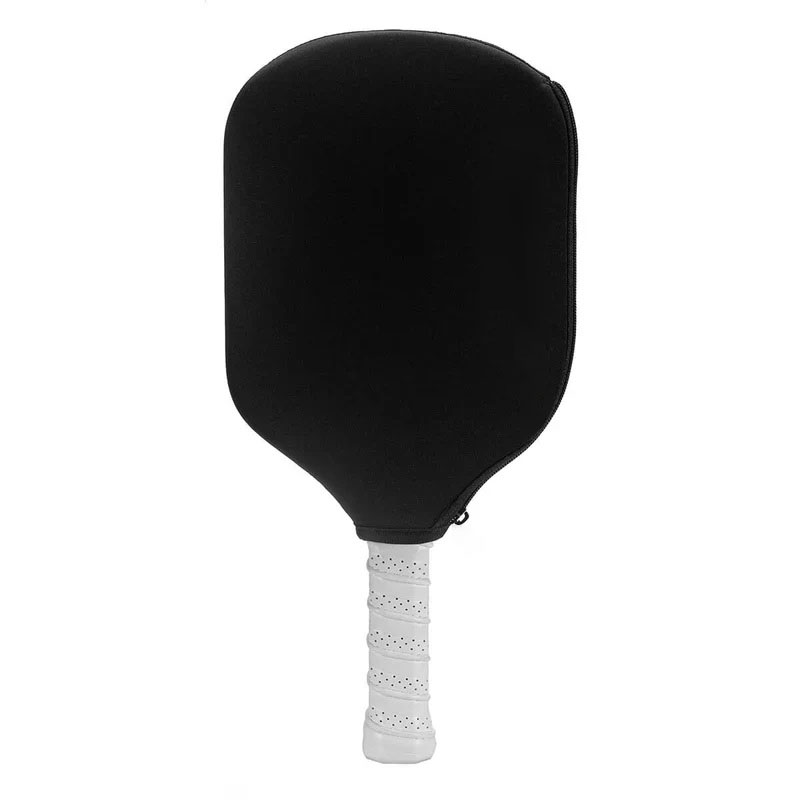
Understanding the Role of Paddle Covers in Brand Identity
Why accessories matter in competitive sports markets
In the cutthroat world of sporting goods, accessories are no longer just afterthoughts—they’re front-line soldiers in the battle for brand recognition. Think of them as the cherry on top of your gear sundae; they complete the experience. For brand procurement professionals, every accessory is an opportunity to tell a deeper story, one rooted in quality, style, and identity. Paddle covers in particular have emerged as more than protective shells—they’re now extensions of the brand ethos. When consumers hit the courts, they want their gear to not only perform but represent their vibe. Accessories speak when the logo can’t. A well-designed paddle cover tells your brand story before the game even starts.
The hidden branding power of protective gear
Protective gear is often overlooked, but savvy brands are tapping into its unassuming surface to reinforce brand recognition. Paddle covers are always on display—on benches, courtside bags, or clipped to fences—creating thousands of micro-impressions. They’re the billboards of the pickleball world, subtle yet powerful. With high-quality stitching, bold colors, and tactile finishes, a paddle cover can quietly scream premium. A forgettable cover blends in. A well-branded one becomes a talking point. In today’s saturated marketplace, passive exposure builds active loyalty.
How paddle covers shape customer perception
First impressions last, especially in retail environments and online catalogs. When a customer sees a paddle cover that feels overbuilt, sleek, and deliberate, they associate those traits with the paddle—and the brand—inside. It’s no exaggeration to say the cover often sells the paddle. A flimsy, generic sleeve implies a lack of care, while a thoughtfully engineered cover says this brand sweats the details. Customers today are savvy; they judge the whole package. The cover becomes the handshake between the brand and the buyer.
Market Trends in Pickleball Accessories
Growth of the global pickleball equipment market
Pickleball isn’t just booming—it’s exploding, both stateside and abroad. The global market for pickleball gear has seen double-digit growth year over year, and accessories are riding shotgun on that rocket. Paddle covers are quickly shifting from optional to essential in most SKUs. As the game scales into Europe, Asia, and South America, brands need to anticipate demand spikes and regional preferences. This growth opens the door for innovation in design, material sourcing, and production volume. It’s a green light for brands looking to differentiate on the global stage.
Rising consumer demand for premium paddle gear
Today’s player isn’t just grabbing whatever’s cheapest on the shelf—they’re curating their kit. Consumers are more design-conscious, brand-loyal, and quality-savvy than ever before. Paddle gear has evolved from utilitarian to aspirational. Paddle covers with EVA foam, water-resistant coatings, or ventilated linings are no longer luxuries—they’re expectations. The modern buyer wants gear that feels pro-level, even if they’re still learning the basics. Brands that deliver on these details are winning long-term loyalty.
Branding trends among top pickleball brands
The top players in the game—both on court and in business—are leaning heavily into cohesive branding strategies. We’re seeing bold color blocking, matte-finish materials, and sustainable fabrics entering the scene. Top brands are using paddle covers to create limited-edition drops, collabs, and even loyalty perks. It’s all about giving the buyer a sense of belonging to something cooler than a simple product purchase. For procurement pros, the takeaway is clear: paddle covers should be part of your brand’s narrative arsenal, not an afterthought.
Key Features Buyers Look for in Paddle Covers
Durability and material innovation
The days of thin neoprene are numbered. Buyers want materials that are as tough as they are attractive—think ballistic nylon, carbon-fiber textures, or PU leather with reinforced edges. The goal is to protect against drops, sun exposure, and court grime without sacrificing style. Water-resistance and abrasion-proof surfaces are big selling points. Some covers now feature antimicrobial linings to combat odor and moisture buildup. It’s not just about protection—it’s about longevity and performance. Buyers know a durable product reduces returns and builds trust.
Design appeal and customization options
Customization isn’t just a feature—it’s a necessity in the modern retail landscape. Brands are leveraging high-resolution sublimation printing, embroidery, and embossed finishes to differentiate. Whether it’s a full-bleed graphic, a monogram, or a branded zipper pull, every design element matters. Buyers want their brand to shine through the gear. Offering limited colorways or customer-exclusive patterns can turn a simple cover into a collector’s item. Customization also allows regional adaptation—think bold hues for North America and minimalist tones for Asia.
Functionality: zipper quality, padding, and fit
A paddle cover isn’t just a pretty face—it’s got a job to do. Zipper quality is a top complaint in customer reviews, so it’s crucial to invest in high-gauge, snag-resistant zippers. Padding should be thick enough to protect, but not so bulky it becomes a burden. Internal lining, edge binding, and shape retention are all key to long-term functionality. Fit should be snug but easy—think of it like a glove, not a straightjacket. Thoughtful touches like interior ID tags or mesh pockets can push the product into premium territory.
How Custom Paddle Covers Build Brand Loyalty

Turning everyday gear into brand ambassadors
Every time a paddle cover hits the court, it becomes a conversation piece. Custom covers with bold logos or standout patterns act like free marketing machines, quietly promoting the brand with every match. When customers take pride in their accessories, they post, share, and talk—fueling organic word-of-mouth. For brands, this is the holy grail: turning gear into social currency. A custom cover can trigger dozens of touchpoints a week. When executed right, your product becomes the player’s favorite teammate.
Enhancing user experience with thoughtful design
Ergonomic handles, hook loops, dual-zip systems—these aren’t gimmicks; they’re differentiators. Players appreciate gear that feels intuitive and supports their routines. Little things like soft-grip zipper pulls or moisture-wicking interiors create memorable impressions. They signal care and quality. A great paddle cover doesn’t just protect—it makes the whole sport experience smoother. And in a crowded market, those thoughtful touches make all the difference.
Case studies of brands that used custom covers successfully
Several fast-growing pickleball brands have made waves by launching limited-edition paddle covers. One upstart brand saw a 40% increase in paddle sales after bundling covers in seasonal colorways. Another leveraged athlete endorsements to co-design covers, generating waitlists weeks before launch. A third brand built an entire social campaign around user-submitted designs, boosting engagement and retention. These aren’t flukes—they’re strategic wins rooted in smart procurement and even smarter design.
OEM and ODM Opportunities for Paddle Covers
Differences between OEM and ODM services
Understanding the difference between OEM (Original Equipment Manufacturer) and ODM (Original Design Manufacturer) is crucial when developing paddle covers. OEM gives you full control over design—you supply the specs, and the manufacturer produces it. ODM, on the other hand, means you’re choosing from pre-designed templates with room for branding. For fast turnarounds and lower R&D costs, ODM is attractive. But if you’re chasing innovation and exclusivity, OEM gives you that creative runway. The best manufacturers offer both, depending on your goals.
Choosing the right model for your brand
Your business model will often dictate which route is best. Startups looking to enter the market quickly might lean into ODM for its speed and simplicity. Established brands aiming to disrupt the category with a fresh product will benefit from the bespoke control of OEM. Consider factors like product lifecycle, budget, and in-house design capability. You don’t need to reinvent the wheel every time—but if your brand voice is unique, your paddle cover should reflect that. The model you choose impacts not only product quality but also your time-to-market and margin potential.
Benefits of working with a full-service manufacturer
A full-service partner doesn’t just manufacture—they solve problems. From material sourcing and prototyping to logistics and post-shipment support, they handle the heavy lifting. This means fewer touchpoints, smoother communication, and faster issue resolution. For brand procurement pros juggling multiple SKUs and suppliers, this consolidation is pure gold. It ensures brand consistency and unlocks cost efficiencies over time. Plus, it lets your creative and marketing teams focus on what they do best—building buzz and moving units.
Design Strategies That Capture Consumer Attention
Color, texture, and print trends for 2025
Looking ahead, 2025 is shaping up to be all about texture and contrast. Matte finishes paired with gloss accents, quilted stitching, and tactile surfaces will dominate. Colors are trending toward earthy tones like sage, sand, and charcoal, with neon accents making a return in competitive and youth-driven markets. Custom prints—think abstract courts, minimalist stripes, or digital camo—are gaining ground, especially in limited drops. The goal is to strike the balance between trend-forward and timeless. Consumers want gear that feels ahead of the curve but still works with their existing kits.
Smart use of logos and branding placement
Where and how you place a logo matters more than most folks realize. Centered, oversized logos make a bold statement—great for athletic markets. Subtle debossing or embroidered marks work well in luxury segments. Side panels, zipper pulls, and interior tags offer branding real estate without overwhelming the design. Multipoint branding—placing your mark in several low-key spots—can be a clever way to boost recognition while keeping things sleek. Strategic placement also helps avoid wear-and-tear zones, so your logo stays visible over time.
Matching paddle covers with full gear collections
A cohesive look across your product line builds trust and brand recall. Paddle covers should complement paddles, bags, wristbands, and apparel, not clash with them. Using a consistent color palette, material feel, or graphic motif ties everything together. This strategy opens up upsell opportunities and bundle deals. When a customer sees a matching set, they’re more likely to spring for all of it. It’s like having matching luggage—sharp, functional, and hard to ignore.
Quality Control and Material Standards
Common materials used and their pros/cons
Neoprene, polyester, nylon, PU leather—each material brings something different to the table. Neoprene is cost-effective and lightweight but prone to tearing under stress. High-denier polyester offers durability and decent water resistance. PU leather provides a premium look with decent wear resistance, but it’s less breathable. Hybrid materials that blend strength and style are rising in popularity. The right material depends on your target customer: recreational players, pros, or luxury consumers. Understanding material tradeoffs is key to delivering what your market actually values.
Testing procedures for durability and safety
Reputable manufacturers don’t leave things to chance—they test like their business depends on it. Abrasion tests, UV resistance, zipper cycle tests, and drop resistance protocols are common. Some even include odor and moisture testing to ensure internal linings hold up during summer matches. For international distribution, safety standards like REACH, CA Prop 65, and CPSIA compliance come into play. Having these certifications builds trust and smooths the path into retail channels. It’s the difference between just shipping a product and launching one that’s retail-ready.
Meeting international compliance and certifications
Selling globally isn’t just about logistics—it’s about legal compliance. European markets require REACH compliance, while the U.S. looks for CPSIA and Prop 65 readiness. Canada and Australia have their own consumer safety standards, and many large retailers won’t stock products without proper documentation. This isn’t red tape—it’s a badge of credibility. Partnering with a manufacturer that understands and navigates these regulatory landscapes is essential. It’s not just about checking boxes—it’s about protecting your brand reputation across borders.
Supply Chain and Scalability Considerations
Lead times and order volume flexibility
Pickleball is seasonal in some regions and year-round in others, so flexible production cycles are vital. Top manufacturers offer tiered lead times based on order volume and material availability. Some even maintain raw material reserves for repeat clients to reduce downtime. Your supplier should scale with you—not bottleneck your growth. Whether you’re producing 500 or 50,000 units, agility is key. Build a timeline buffer into product launches, but work with suppliers who can pivot when demand spikes.
Inventory planning and restock efficiency
Accurate forecasting and smart inventory planning reduce overstock risk and avoid the dreaded stockout. Some partners offer just-in-time manufacturing or warehousing options to streamline restocks. Real-time tracking, automated reorder points, and EDI integration help keep the wheels turning. For procurement pros managing multiple SKUs, these efficiencies are game-changers. They lower carrying costs, reduce shrink, and improve cash flow. A responsive supplier is worth its weight in gold during retail surges and promotional runs.
Packaging and shipping options for global markets
Packaging isn’t just about aesthetics—it’s about compliance, cost, and customer experience. Choose packaging that protects during transit but also aligns with your sustainability goals. Options like recycled polybags, molded inserts, or branded kraft boxes can add value while keeping shipping costs in check. Freight consolidation, DDP options, and flexible INCOTERMS arrangements are also important. Your manufacturing partner should be well-versed in international logistics so your covers arrive intact and on time—every time.
Partnering with a Trusted Manufacturer in China
What to look for in a reliable OEM/ODM partner
A good partner makes the process seamless—a great one elevates your product. Look for manufacturers with strong portfolios, clear communication channels, and responsive service teams. Factory visits, video audits, and third-party reviews can help validate claims. Make sure they’re equipped with the right certifications and technical capabilities for your market. Ask about their experience in the pickleball space specifically. The right partner doesn’t just make your product—they help you make your mark.
Communication, timelines, and production transparency
Clear communication eliminates costly mistakes. Look for partners who offer bilingual support, dedicated account reps, and structured update cycles. You should always know where your order stands—design, sampling, production, QA, or shipping. Timelines should be realistic but firm, and hiccups should be flagged early. Transparency builds trust and helps you plan your campaigns with confidence. In this game, silence isn’t golden—it’s a red flag.
Success stories of global brands working with Chinese suppliers
Some of the biggest names in sporting goods rely on Chinese OEMs to build their accessory lines. One U.S.-based paddle brand partnered with a factory in Xiamen to launch their first private-label cover, now a best-seller in four countries. Another scaled from 5K to 50K units in under a year thanks to agile production lines and pre-booked fabric inventory. The success of these collaborations comes down to shared vision, solid communication, and manufacturing excellence. When you pick the right partner, anything is possible.
Steps to Launch Your Custom Paddle Cover Line
Concept to prototype: starting your design
It all begins with a vision—then comes the sketch, the CAD, and finally, the prototype. Collaborate with your supplier’s design team or bring in your own artwork. A good prototype cycle includes 1–2 rounds of sampling, material adjustments, and logo placement tweaks. Testing the prototype under real-world conditions is essential. Once it passes the test, you’re ready for production. Nail the prototype, and you’ve already won half the battle.
Production timeline and branding finalization
Finalizing branding includes confirming Pantone colors, logo positioning, packaging artwork, and production details. Most full-scale runs take 4–8 weeks, depending on complexity and material availability. Lock in your quantities and get a clear production schedule from your manufacturer. Don’t forget to sign off on a golden sample—a reference piece that defines production standards. It’s your north star throughout the build. Once branding is dialed in, everything else flows more smoothly.
Marketing and retail launch tips for impact
Launch your cover line with the same energy you’d give a new paddle. Tease designs on social media, loop in influencers, and create unboxing content that spotlights details. Consider limited drops, bundle discounts, or early access for loyal customers. Retailers love supporting new accessories when there’s hype and solid margin structure behind them. Your launch isn’t just a release—it’s a signal to the market that your brand plays the game differently. Make it count.
Conclusion
Pickleball paddle covers are more than protective layers—they’re brand multipliers. From strategic design and material choices to global scalability and partner alignment, the right cover program can elevate your entire gear lineup. Get it right, and your brand won’t just be seen—it’ll be remembered.
Related Posts
How to Convert a Tennis Court to Pickleball Courts
Can You Put a Pickleball Court on a Driveway? A Complete Guide
How to Install Roll-Out Pickleball Court Flooring