Table of Contents
Categories

KOLISTI Team

Introduction to Portable Pickleball Court Surfaces
Overview of the Growing Pickleball Market
Pickleball has surged from a niche pastime to a mainstream sport, captivating communities from suburban neighborhoods to international tournament arenas. Participation has grown at breakneck speed, driven by its easy-to-learn rules and its uncanny knack for bringing together players of all ages. Brand procurement professionals are now eyeing pickleball as fertile ground for strategic product development, as the sport’s global footprint shows no sign of slowing. With clubs sprouting up in parks, recreation centers, and even cruise ships, the demand for high-quality playing surfaces is skyrocketing. Portable court systems have become a key facilitator of this boom, offering flexible, scalable solutions. This dynamic environment makes now the perfect moment to capture market share with cutting-edge portable court surfaces.
Advantages of Portable Court Solutions
The beauty of a portable pickleball court lies in its mobility—these surfaces can be deployed in a gymnasium one day and a corporate event space the next. Unlike fixed installations, portable options don’t require permanent structural changes, making them ideal for venues that need versatility. Their modularity allows brands and event organizers to scale up or down depending on the occasion. They also open doors for pop-up tournaments, community outreach programs, and product showcases. For procurement teams, this means a faster return on investment since a single set of portable courts can serve multiple venues. The reduced installation overhead also helps brands experiment with different markets before committing to permanent setups.
The Role of Custom Design in Product Differentiation
In a sea of generic blue and green courts, custom design is the ace up the sleeve. By integrating brand colors, logos, and thematic patterns into the playing surface, companies can turn an ordinary game into a full-blown brand experience. Customization reinforces brand identity, making every rally a visual reminder of the sponsor or supplier. In competitive B2B markets, such distinctiveness can sway procurement decisions, as buyers increasingly seek products that stand out without compromising performance. The ability to adapt surface aesthetics to local preferences or special events only heightens market appeal. A customized court is not just a surface—it’s a silent yet powerful marketing channel.
Key Features of Portable Pickleball Court Surfaces
Lightweight Yet Durable Materials
Advanced engineering has made it possible to create surfaces that weigh far less than traditional courts while retaining exceptional strength. High-impact polypropylene and reinforced polymer blends are popular for their resilience against repeated play. These materials also withstand compression from heavy equipment during transport and storage. Their lightweight nature makes them easier to handle for staff, reducing labor costs and setup time. Despite the portability, these surfaces are engineered to resist warping, cracking, or fading. The balance between weight and toughness ensures that procurement teams get both practicality and longevity.
Easy Installation and Dismantling Process
Time is money, and a surface that takes hours to install is a drain on resources. Portable pickleball courts are designed for tool-free assembly, often featuring interlocking panels that snap together seamlessly. This not only speeds up the process but also minimizes errors during installation. With straightforward dismantling, these surfaces can be packed and moved in record time, enabling rapid deployment for events. Clear labeling systems and modular layouts make it possible for even a small crew to manage setup. Such efficiency is a boon for procurement managers tasked with maximizing operational throughput.
Compatibility with Various Playing Environments
One of the hallmarks of a well-designed portable court is its adaptability to different terrains and climates. Whether it’s laid over concrete, asphalt, or an indoor sports hall floor, the surface maintains its structural integrity and playability. Anti-slip treatments ensure consistent grip even in humid or dusty conditions. The underlayment systems can be adapted for cushioning, noise reduction, or improved ball bounce. For brands targeting multiple markets, this versatility means a single product SKU can meet diverse requirements. The ability to perform equally well indoors and outdoors is a competitive edge in procurement planning.
Importance of Custom Design Options for Brands
Enhancing Brand Visibility on the Court
Every match becomes a marketing opportunity when your brand is woven into the playing surface. Logos placed at the center line or baseline command attention during photos, livestreams, and social media posts. Branded courts also create a cohesive visual identity for tournaments and promotional events. This visibility is particularly valuable in international markets, where in-person demonstrations can solidify brand recognition. Even casual players tend to remember a visually striking court, which can generate organic word-of-mouth buzz. The result is a high-impact advertising channel that doubles as a functional product.
Tailoring Aesthetics to Market Preferences
Regional markets often have their own tastes when it comes to sports design. In some areas, bold, high-contrast colors are favored for their energy and vibrancy; in others, muted tones and minimalistic patterns resonate better. Customization allows brands to adapt quickly to these cultural nuances. Seasonal designs can also be introduced to coincide with major sporting events or national holidays. Such adaptability can foster local loyalty while maintaining global brand coherence. Procurement teams that offer these tailored solutions often enjoy a stronger foothold in diverse markets.
Differentiating Products in Competitive Markets
In a rapidly growing industry, sameness is the enemy of sales. Custom design breaks the mold, giving products an edge in crowded catalog listings and at trade fairs. Buyers are increasingly drawn to suppliers who can deliver something unique without inflating lead times or costs. Even subtle design changes, such as textured logos or gradient patterns, can set a product apart. Differentiation also plays a role in protecting pricing power, as distinctive products are harder to compare directly with low-cost alternatives. For long-term procurement partnerships, uniqueness often seals the deal.
Material Choices and Their Impact on Performance
Comparing Synthetic vs. Modular Surface Materials
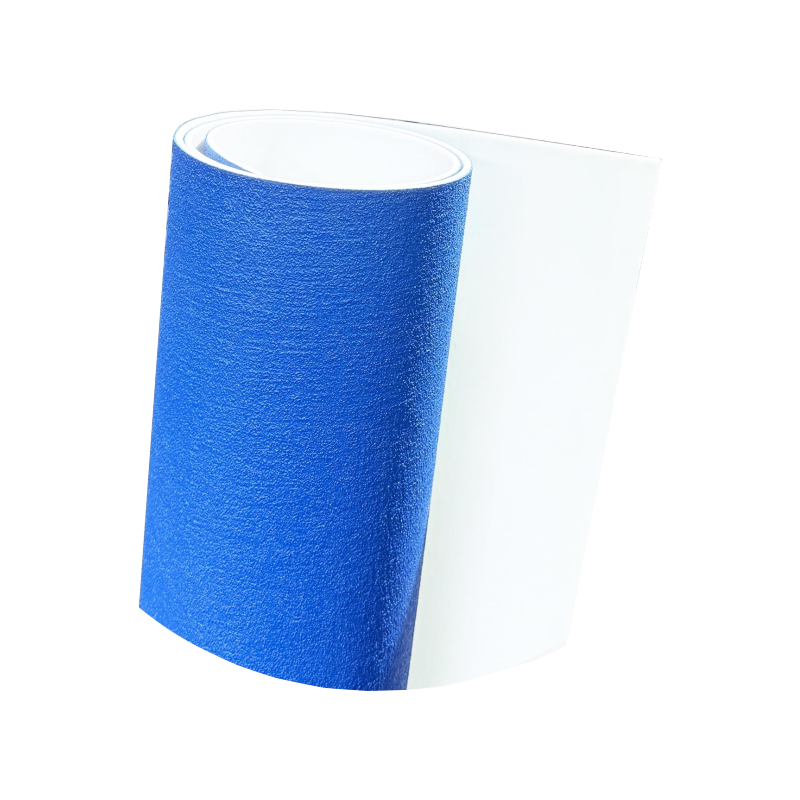
Synthetic roll-out surfaces offer smooth installation and are well-suited for temporary events, but they can be heavier and more difficult to store. Modular tile systems, on the other hand, provide superior ventilation and drainage, making them ideal for permanent or semi-permanent setups. Modular designs also allow for easy replacement of damaged sections, reducing maintenance costs over time. Each option has trade-offs in terms of cost, portability, and performance consistency. Procurement managers must balance these factors based on the intended usage. Selecting the right material upfront prevents costly replacements later.
Surface Texture and Player Comfort
The texture of a court surface influences everything from ball spin to player agility. A slightly textured finish improves traction, helping players pivot and stop without slipping. Too much texture, however, can lead to increased wear on pickleball paddles and balls. Comfort underfoot is another key consideration, particularly for tournaments where athletes spend hours on the court. Advanced materials with built-in cushioning can reduce joint strain and fatigue. These ergonomic benefits often translate into positive user feedback, which bolsters brand reputation.
Durability and Weather Resistance Factors
Outdoor courts face the constant assault of UV rays, moisture, and temperature fluctuations. High-quality portable surfaces incorporate UV stabilizers and anti-fungal treatments to prolong life. Modular designs with drainage channels prevent water pooling, reducing slip hazards and surface degradation. For indoor use, resistance to scuffing and staining is paramount, particularly in multipurpose venues. Durability is also a sustainability factor—longer-lasting products reduce waste and replacement costs. This resilience makes a strong case for procurement teams focused on lifecycle value.
OEM and ODM Manufacturing Capabilities
How OEM Solutions Meet Brand-Specific Requirements
OEM manufacturing allows brands to take existing court surface designs and seamlessly integrate their own visual identity. This approach ensures consistent product quality while speeding time-to-market. Manufacturers can adjust panel dimensions, color schemes, and branding placement according to client specifications. For brands with established product lines, OEM provides a straightforward path to expansion without reinventing the wheel. It’s a reliable way to scale production while maintaining control over brand presentation. Such partnerships often lead to long-term supply stability.
ODM Opportunities for Unique Product Development
ODM manufacturing goes a step further by enabling entirely new product designs. This is ideal for brands seeking to innovate beyond standard market offerings. ODM projects can incorporate novel materials, proprietary surface textures, or inventive modular systems. While development times are longer, the end result can be a market-first product that sets the trend. These collaborations foster exclusivity, allowing brands to own intellectual property in a rapidly growing sector. The payoff is often higher margins and stronger brand differentiation.
Flexible Production Volumes for Varying Demand
The pickleball market is not uniform—some regions experience seasonal surges, while others maintain steady year-round demand. Flexible manufacturing capabilities allow suppliers to adjust production volumes accordingly. Smaller initial runs help brands test new markets without overcommitting resources. Conversely, large-scale orders for tournament seasons can be fulfilled without bottlenecks. This adaptability helps procurement managers manage inventory risk while capitalizing on peak sales windows.
Quality Control and International Standards
Ensuring Consistent Quality in Large Orders
Scaling production should never come at the cost of product integrity. Rigorous quality control protocols ensure every batch meets the same performance benchmarks. Randomized inspections during production catch potential issues before products ship. Maintaining uniformity is critical when supplying multiple courts to the same venue or event. Even slight inconsistencies in panel thickness or color can undermine brand credibility. For procurement professionals, reliable quality translates directly into fewer returns and higher customer satisfaction.
Compliance with Global Sports Surface Certifications
Meeting international standards is more than a checkbox—it’s a gateway to global markets. Certifications from recognized bodies like ASTM or ITF validate a product’s safety, durability, and performance metrics. Compliance demonstrates that the product has been tested against rigorous benchmarks, reassuring buyers and end-users alike. Some markets even mandate these certifications before products can be sold or installed. For brands eyeing global expansion, certification is a non-negotiable asset.
Testing Procedures for Performance and Safety
Laboratory tests assess critical factors like ball bounce uniformity, slip resistance, and shock absorption. Outdoor durability tests simulate years of weather exposure in accelerated time frames. Safety testing ensures that materials are non-toxic and free from harmful chemicals. By documenting these results, suppliers provide valuable proof points for procurement decisions. Transparent testing data often becomes a persuasive tool in competitive bidding scenarios.
Cost and Logistics Considerations
Price Factors Affecting Procurement Decisions
Material selection, customization complexity, and order volume are the primary drivers of cost. While high-end materials command a premium, they often yield better lifecycle value. Custom graphics and intricate designs may increase upfront costs but can enhance marketing impact. Volume discounts help offset customization expenses, particularly for large events or multi-location rollouts. Procurement professionals must weigh short-term budget constraints against long-term ROI.
Shipping and Packaging for Global Distribution
Efficient packaging protects the product while minimizing shipping volume to reduce costs. Modular panels are often stacked and shrink-wrapped, while roll-out surfaces are secured on reinforced spools. For international orders, packaging must also comply with local import regulations. Clear labeling and assembly instructions are essential for smooth delivery-to-installation transitions. Reliable freight partners ensure on-time arrival for event-critical deadlines.
Balancing Cost-Efficiency with Premium Quality
Cutting corners on quality to save costs can backfire, leading to higher replacement expenses and reputational damage. The most successful procurement strategies focus on achieving optimal value—balancing performance, aesthetics, and price. Investing in slightly higher-grade materials can reduce maintenance costs over the court’s lifespan. Premium products often generate stronger end-user satisfaction, driving repeat business. Long-term partnerships with quality-focused suppliers can also secure better terms over time.
Future Trends in Portable Pickleball Court Surfaces
Innovations in Sustainable Materials
Sustainability is no longer a fringe concern—it’s becoming central to product development. Recycled polymers, biodegradable composites, and eco-friendly dyes are gaining traction in court manufacturing. Such innovations reduce environmental impact without sacrificing performance. Green certifications can also serve as a marketing advantage in environmentally conscious markets. As consumer expectations evolve, eco-friendly solutions may become a default requirement.
Emerging Customization Technologies
Advancements in printing and coating technologies now allow for more intricate, fade-resistant designs. Digital printing directly onto modular panels opens the door for complex graphics and even photographic imagery. UV-cured inks maintain color vibrancy for years, even in harsh outdoor conditions. These innovations enable brands to push creative boundaries without compromising durability. Customization is poised to move beyond simple color schemes into fully immersive branding experiences.
Market Forecasts for Global Brand Opportunities
With pickleball’s participation numbers climbing globally, the demand for portable courts is projected to grow steadily over the next decade. Emerging markets in Asia, South America, and the Middle East present untapped potential. Brands that establish a foothold early in these regions can secure long-term market dominance. The combination of sport accessibility, low infrastructure needs, and cultural adaptability makes pickleball a prime candidate for worldwide adoption. This expansion offers fertile ground for procurement strategies centered on premium, customizable court solutions.
Related Posts
How to Convert a Tennis Court to Pickleball Courts
Can You Put a Pickleball Court on a Driveway? A Complete Guide
How to Install Roll-Out Pickleball Court Flooring