Table of Contents
Categories

KOLISTI Team
1. Introduction to Pickleball Paddle Cores and OEM Partnerships
Growth of the pickleball market worldwide
Pickleball has skyrocketed to a global sport, with participation numbers climbing at breakneck speed across North America, Europe, and Asia. Professional leagues, televised tournaments, and an influx of younger players are fueling demand for high-performance equipment like never before. This expansion isn’t a passing fad; it’s reshaping the sporting goods industry and creating an urgent need for scalable, dependable paddle production.
Importance of paddle core quality for brand success
At the heart of every paddle lies its core, the unsung hero that dictates feel, control, and overall playability. A premium-looking paddle with a weak core is like a flashy car with a sputtering engine—it simply won’t hold up under scrutiny. For brands, the paddle core is what keeps customers loyal and willing to pay a premium for performance. Strong core quality translates to fewer returns, better word of mouth, and a clear edge in an increasingly crowded marketplace.
How OEM partnerships shape long-term supply reliability
OEM partnerships act as the backbone of the paddle supply chain, ensuring that production doesn’t buckle under global demand swings. Reliable OEM relationships safeguard material sourcing, manufacturing precision, and delivery timelines, which in turn protect brand credibility. Brands that lock arms with trustworthy OEMs avoid the constant game of catch-up and instead focus on scaling, innovating, and dominating the pickleball market.
2. Understanding Different Types of Pickleball Paddle Cores
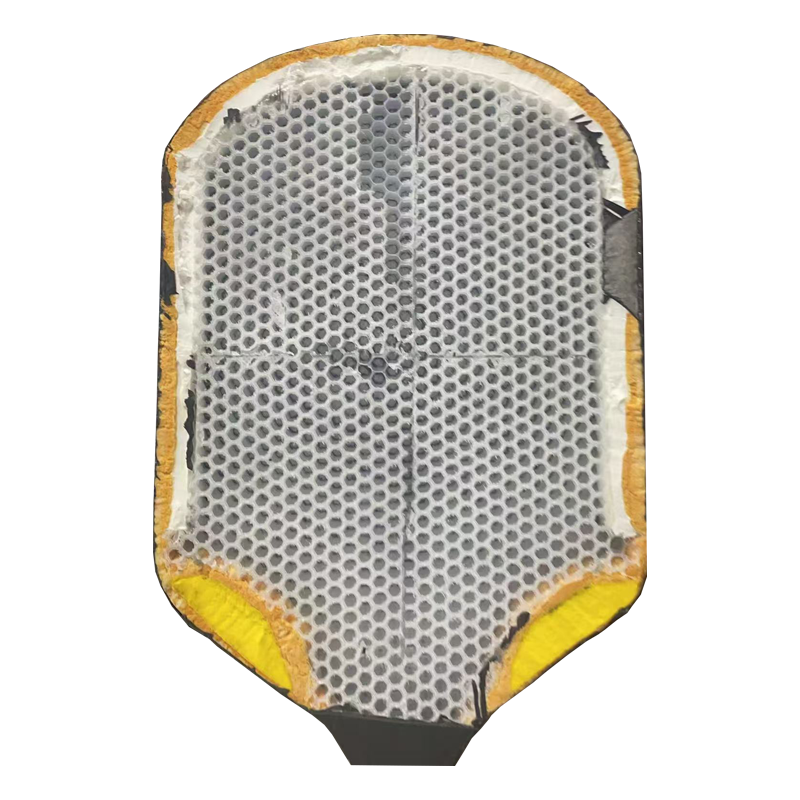
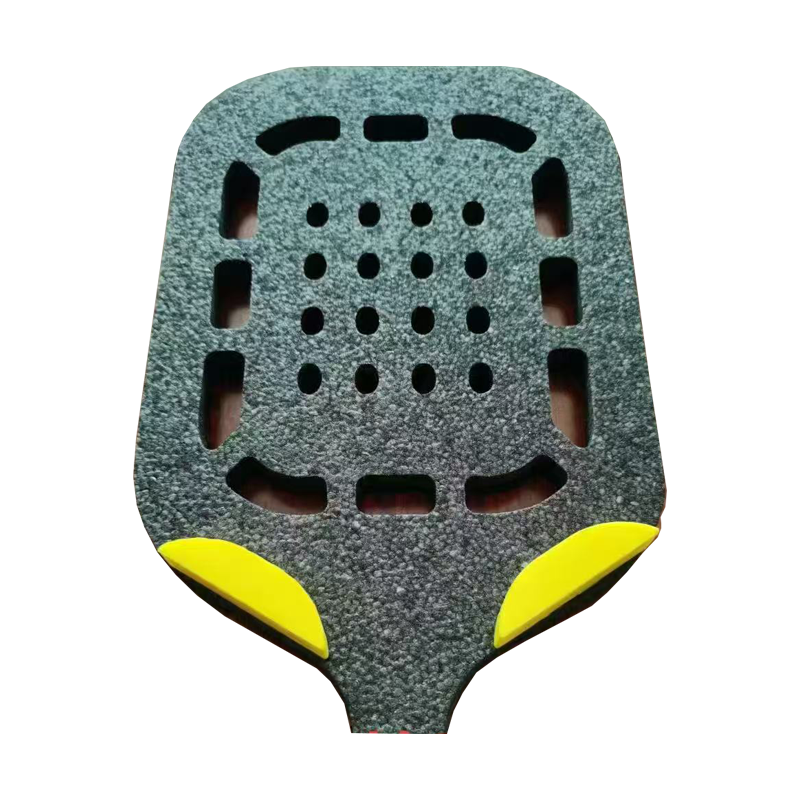
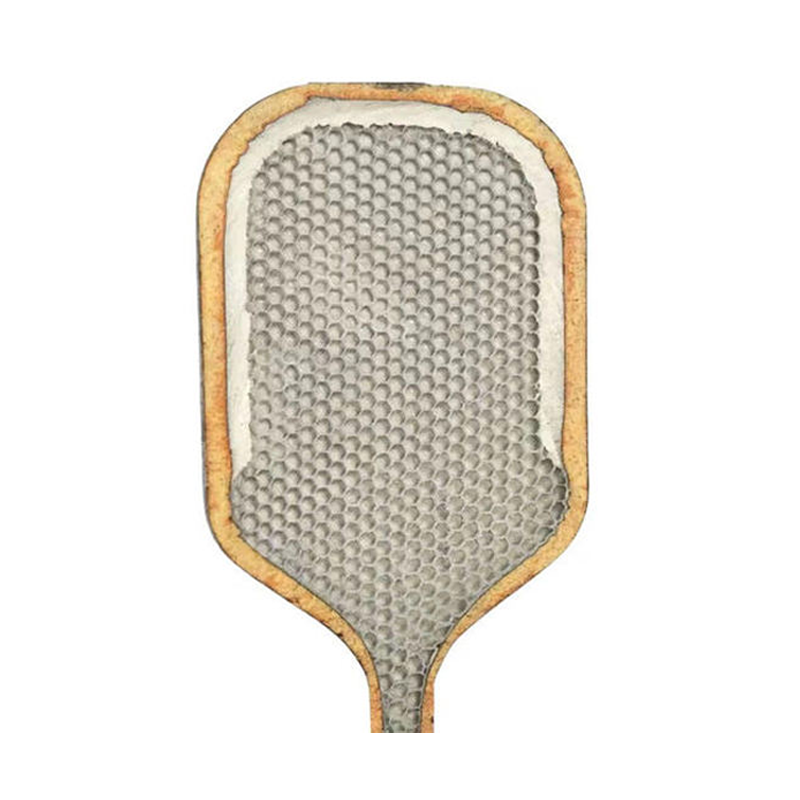
Polymer cores and their performance benefits
Polymer cores are the crowd favorite, offering a soft, forgiving touch that appeals to recreational and professional players alike. These cores excel in reducing vibration, providing smoother ball control and longer rallies. Their quiet play also makes them a go-to for noise-restricted communities and indoor facilities. For brands, polymer cores represent versatility—widely appealing across different segments of the market.
Nomex cores and their durability profile
Nomex, a honeycomb material known for its rigidity, delivers a power-packed punch that’s hard to ignore. Players who crave speed and precision often gravitate toward Nomex cores for their crisp response and longevity. While they produce a louder “pop,” their reputation for toughness makes them indispensable for advanced players. From a manufacturing standpoint, Nomex cores provide brands with a reliable option for performance-driven product lines.
Aluminum cores and their niche applications
Aluminum cores occupy a niche corner of the market, but they bring unique strengths that shouldn’t be underestimated. They offer a balance between touch and durability, appealing to players seeking more finesse in their game. While not as common as polymer or Nomex, aluminum remains an intriguing option for specialty lines or limited-edition products. Brands that diversify with aluminum paddles can differentiate themselves in a sea of similar offerings.
3. Why Core Quality Matters in OEM Manufacturing
Impact on player performance and satisfaction
A well-engineered core directly influences how a paddle feels in the hand and performs on the court. Players judge paddles by responsiveness, consistency, and comfort, all of which are core-dependent. When performance expectations are met or exceeded, players develop strong loyalty to a brand and become its most authentic advocates.
Influence on product consistency across batches
Consistency is king when it comes to OEM production. A paddle purchased today should perform identically to one bought six months later, and that uniformity is anchored in core quality. Inconsistent cores can lead to uneven performance, customer dissatisfaction, and reputational damage that’s hard to undo. OEMs who control core quality ensure brands deliver predictable excellence every time.
Direct connection to brand reputation in global markets
Global markets are unforgiving when it comes to quality lapses, especially in fast-growing sectors like pickleball. A single batch of subpar paddles can tarnish a brand’s image and make competitors look like safer bets. Strong core quality becomes a brand’s calling card, signaling to distributors, retailers, and end-users that they can expect elite performance every time.
4. Key Considerations for Reliable OEM Partnerships
Proven track record in core material sourcing
The most reliable OEMs demonstrate deep-rooted expertise in sourcing premium materials consistently. They maintain long-standing relationships with trusted suppliers and navigate raw material fluctuations with agility. This track record ensures brands never face supply interruptions or compromised paddle quality.
Transparency in production processes
Transparency is more than a buzzword—it’s a necessity for lasting partnerships. Brands need visibility into manufacturing practices, from raw material handling to final inspections. OEMs that embrace transparency foster trust, reduce uncertainties, and strengthen collaborative decision-making.
Commitment to international compliance and standards
Global brands can’t afford shortcuts when it comes to regulatory compliance. OEMs that adhere to international quality, safety, and environmental standards safeguard brands from legal and reputational risks. Compliance also signals professionalism, reinforcing the OEM’s reliability in competitive markets.
5. Ensuring Scalability in Pickleball Paddle Production
Flexible manufacturing to meet seasonal demand
Pickleball demand fluctuates seasonally, with peaks during spring and summer in many markets. OEMs that adjust production capacity seamlessly help brands avoid costly stockouts or overstocks. Flexibility ensures supply keeps pace with demand, preserving both sales momentum and brand credibility.
Efficient lead times and inventory control
Time is money in the fast-paced sporting goods market. OEMs that streamline lead times and employ smart inventory management systems keep brands agile. Predictable timelines also allow for smoother coordination with distributors and retailers, minimizing disruptions across the supply chain.
Capacity to support private label expansions
As brands grow, many look to launch private label lines or expand their offerings. OEMs with scalable operations and diverse core capabilities can accommodate these growth strategies without compromising quality. This support enables brands to expand market share quickly and confidently.
6. Cost Efficiency without Compromising Quality
Optimizing raw material usage in paddle cores
Effective OEMs minimize waste by optimizing raw material usage during core production. This approach reduces costs while maintaining quality, a win-win for both manufacturers and brand partners. Efficiency in raw material handling also reflects positively on sustainability initiatives.
Balancing durability with competitive pricing
Brands walk a fine line between offering affordable paddles and ensuring long-lasting durability. OEMs that engineer cores for optimal strength at reasonable costs help brands achieve this delicate balance. The result is a product lineup that appeals to both budget-conscious buyers and discerning athletes.
Value engineering for long-term brand growth
Value engineering focuses on enhancing performance while reducing unnecessary expenses. OEMs that adopt this practice give brands a competitive edge, enabling them to invest savings in marketing, distribution, or innovation. Over time, this strategic efficiency fosters sustainable growth.
7. Building Trust through Testing and Quality Assurance
Rigorous in-house testing of paddle cores
High-performing OEMs don’t leave quality to chance; they stress-test cores under varied conditions before paddles reach the market. Testing ensures every paddle meets durability and performance benchmarks. Brands gain confidence knowing their products are built to withstand real-world play.
Third-party certifications for credibility
Independent certifications reinforce the credibility of both the OEM and the brand. Third-party testing validates claims about performance, safety, and durability, helping brands stand out in competitive markets. Certifications also provide added assurance to procurement professionals and retailers.
Long-term durability studies for market assurance
Durability isn’t proven overnight; it requires long-term studies that mimic extended play. OEMs that invest in these evaluations provide brands with data-backed proof of reliability. This foresight strengthens marketing narratives and reassures end-users of long-lasting value.
8. The Future of Pickleball Paddle Cores in OEM Partnerships
Innovation in advanced core technologies
Innovation is accelerating, with advanced composites and hybrid cores on the horizon. These technologies promise enhanced control, power, and customization for players. OEMs at the forefront of innovation will enable brands to stay ahead of the curve.
Growing demand for eco-friendly paddle materials
Sustainability is no longer optional—it’s a market expectation. Eco-conscious players are pushing brands to offer paddles made with recyclable or biodegradable cores. OEMs that pioneer environmentally friendly solutions will win favor with brands seeking to align with global green initiatives.
Strategic collaborations for global market expansion
The pickleball boom shows no signs of slowing, and global expansion is the next frontier. OEMs that collaborate strategically with brands will unlock new markets, from emerging economies to premium sporting hubs. These partnerships position both sides for enduring success in an evolving industry.
Related Posts
How to Install Roll-Out Pickleball Court Flooring
Cushioned Pickleball Courts: Sourcing Guide for Global Brands
Outdoor Pickleball Court Flooring: 5 Sourcing Tips