Table of Contents
Categories

KOLISTI Team
Introduction to Roll Out Pickleball Courts
Growing global demand for pickleball facilities
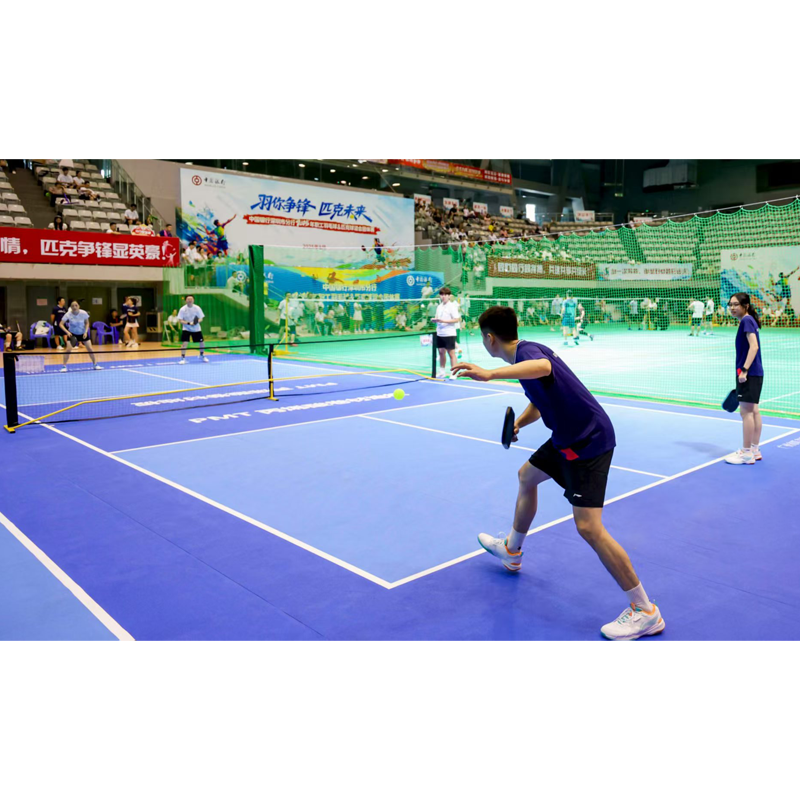
Pickleball has rapidly evolved to a fully fledged global sport, attracting players of every age bracket and skill level. From bustling retirement communities in the United States to energetic youth programs in Asia, demand for accessible courts is skyrocketing. Sports clubs, schools, and even municipalities are investing heavily to accommodate the surge, with tournaments and leagues popping up at a pace that rivals long-established sports. This growth shows no signs of slowing, with participation numbers doubling in many regions year over year. As a result, facilities and brands that want to stay relevant must respond quickly with scalable court solutions that meet international standards while remaining practical and cost-effective.
Benefits of roll out court solutions for brands
Roll out pickleball courts have become a go-to answer for organizations that need speed and adaptability. Unlike permanent installations, these courts can be deployed in minutes, rolled back up for storage, and repositioned to suit changing requirements. This flexibility is a boon for events, training camps, or multipurpose facilities where space utilization is paramount. For brands, roll out courts offer the added benefit of mobility—making it possible to showcase their products at exhibitions, pop-up events, or even community demonstrations with minimal hassle. Additionally, they provide an affordable entry point into the market, enabling procurement teams to stretch budgets without compromising quality or performance.
Why ODM flexibility matters in procurement
Procurement professionals know that markets don’t stand still, and neither should products. Off-the-shelf solutions may suffice for a time, but true competitive advantage comes from the ability to adapt, customize, and innovate. ODM flexibility empowers brands to collaborate directly with manufacturers to shape product design, materials, and features according to market needs. This approach helps ensure that a roll out pickleball court isn’t just functional but also distinct, carrying the brand’s identity into every match played. It reduces friction in procurement cycles, accelerates launch timelines, and ultimately strengthens a brand’s position in an increasingly competitive global sports equipment marketplace.
Understanding Roll Out Pickleball Court Products
Key materials used in roll out court production
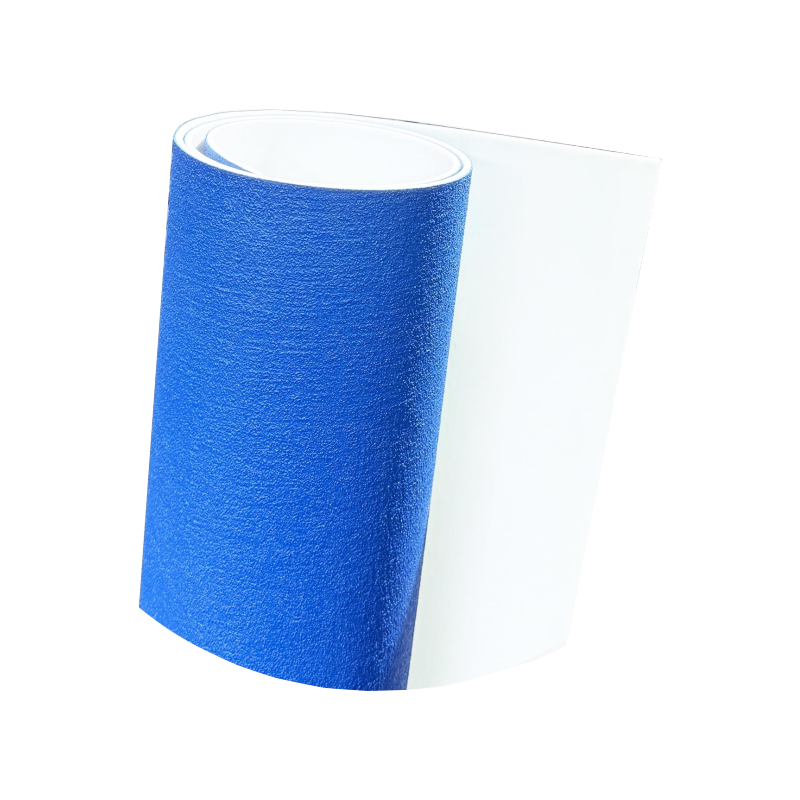
The foundation of every reliable roll out pickleball court lies in the materials chosen during manufacturing. High-quality reinforced PVC and polymer blends dominate the market due to their durability and ease of handling. These materials deliver excellent traction and shock absorption, minimizing the risk of slips and injuries while providing a consistent ball bounce that players demand. Some variations feature layered reinforcement to withstand repeated rolling and unrolling without cracking or deforming. As the market matures, eco-friendly material options are also emerging, appealing to sustainability-conscious brands that want to align with environmental goals. Acrylic + PVC blends is the latest rollout pickleball court material, which can be applied in both indoor and outdoor courts for a long time.
Standard sizes and customization possibilities
While regulation-sized courts remain the backbone of production, roll out solutions can be customized to fit almost any requirement. Facilities with limited space might opt for compact training courts, while sports complexes hosting large tournaments can install multiple regulation courts side by side. Manufacturers with ODM capabilities can go further by offering adjustable dimensions that cater to mixed-use venues or specialized coaching programs. The ability to adapt sizes ensures that brands can target varied customer segments, expanding their product portfolio without the need for entirely new manufacturing lines.
Durability and performance considerations
Durability goes hand in hand with performance when evaluating court quality. A roll out pickleball court must hold up against constant use, outdoor weather extremes, and frequent installation cycles. The surface must resist warping, fading, and tearing while still maintaining reliable grip and consistent ball response. Advanced coatings that repel UV rays and moisture are often applied to extend the product’s lifespan and reduce maintenance requirements. These features are not only practical—they also reinforce a brand’s reputation for delivering quality that customers can trust game after game.
The Role of ODM in Product Development
Difference between OEM and ODM solutions
In traditional OEM arrangements, a manufacturer builds to a buyer’s blueprint, limiting innovation to whatever specifications the buyer provides. ODM, however, brings collaboration and co-creation into the equation. Manufacturers don’t just assemble—they actively contribute design insights, propose material improvements, and introduce new features. This partnership dynamic gives procurement teams access to built-in R&D resources, helping them innovate faster and with less risk. The difference may seem subtle on paper, but in practice, ODM solutions can determine whether a brand fades into the background or leads the market with distinct offerings.
How ODM enables brand differentiation
Differentiation is the lifeblood of brand strategy, and ODM makes it attainable even in competitive categories. Courts designed through ODM can showcase unique textures, striking visual patterns, or proprietary surface technologies that no competitor can replicate. For instance, a brand might choose a non-slip pattern designed to highlight safety or a vivid color scheme aligned with its corporate identity. This differentiation resonates with procurement clients who want products that not only perform well but also communicate exclusivity. The ability to stand out is crucial in a market where visual appeal often influences purchasing decisions as much as performance specifications.
Reducing time-to-market with ODM support
Speed is a decisive factor in today’s fast-moving sports equipment industry. ODM partners streamline product development by leveraging pre-existing molds, materials, and design expertise. This reduces the time and cost of prototyping, testing, and scaling production. Procurement professionals benefit from shorter lead times, ensuring their brands can capitalize on pickleball’s popularity while it’s still cresting. In a market where being a few months late can mean missing entire seasonal cycles, ODM support transforms agility from a buzzword into a tangible business advantage.
Customization Options for Brand Procurement
Court color schemes and branding integration
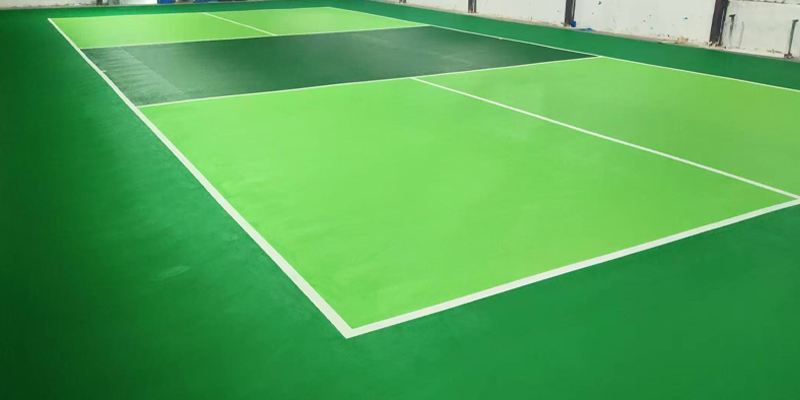
Color isn’t merely cosmetic; it’s an integral part of brand storytelling. Roll out pickleball courts offer a wide range of color schemes that can align with logos, mascots, or signature palettes. Some brands choose bold, high-contrast designs that demand attention at events, while others lean toward subtle elegance to convey professionalism. Beyond aesthetics, these colors can serve functional purposes, such as designating practice zones or spectator areas. By embedding branding directly into the playing surface, every rally becomes an opportunity for exposure.
Tailored packaging for private labels
In an era where unboxing has become a consumer ritual, packaging matters more than ever. ODM flexibility allows brands to dictate not just the appearance but also the structure of packaging. Whether it’s compact designs for e-commerce efficiency or premium boxes that exude sophistication, packaging becomes an extension of the brand itself. For private labels, custom packaging ensures a seamless brand experience from warehouse to playing field, helping distinguish their products from generic alternatives.
Adaptable features to meet regional needs
No two markets are alike, and adaptability is crucial when expanding globally. In humid climates, courts may need anti-mildew treatments; in desert regions, UV resistance becomes paramount. ODM customization ensures these features are incorporated seamlessly, allowing brands to cater to local expectations while maintaining consistency across markets. This adaptability also provides a competitive advantage in securing government tenders or large institutional contracts, where meeting regional requirements is often mandatory.
Quality Assurance and Compliance
International safety and performance standards
Compliance with international standards such as ASTM, EN, or ISO is non-negotiable for serious players in the global sports market. Roll out pickleball courts must demonstrate not only durability but also player safety, ensuring surfaces reduce injury risk while maintaining fair play. Certification becomes a trust signal for procurement officers, reassuring them that the products they source meet universally recognized benchmarks. Brands that invest in compliance gain an edge, particularly in markets where regulations are strict and closely monitored.
In-house testing and third-party certifications
Rigorous in-house testing serves as the first line of defense in maintaining quality. Manufacturers simulate wear and tear, conduct slip resistance tests, and measure surface consistency under varying conditions. To reinforce these efforts, many turn to independent third-party laboratories that certify performance claims. These certifications carry weight in procurement negotiations, providing tangible evidence that products will perform as promised under real-world conditions.
Consistency in large-scale production
Scaling production introduces the risk of quality dilution, but advanced ODM partners mitigate this with precise manufacturing controls. Automated processes, robust quality checks, and statistical sampling ensure every unit aligns with established standards. Consistency isn’t just about meeting specs—it’s about guaranteeing that a brand’s reputation remains intact when thousands of units are shipped worldwide. Procurement teams value this reliability, knowing they can deliver on contracts without facing quality disputes.
Supply Chain and Manufacturing Efficiency
Streamlined production for high-volume orders
As pickleball fever spreads, procurement teams often face demand for bulk orders that stretch into the thousands. Streamlined production processes, incorporating automation and lean manufacturing practices, ensure that volume doesn’t compromise quality. Advanced scheduling systems allow manufacturers to manage multiple large orders simultaneously, reducing bottlenecks and delays. For brands, this means predictability in timelines and confidence in meeting seasonal sales windows.
Logistics and global distribution strategies
Manufacturing is only half the equation; the other half lies in getting products into the hands of customers quickly and reliably. ODM partners with global distribution networks can coordinate shipping by sea, land, or air depending on urgency and cost considerations. Warehousing strategies, customs expertise, and just-in-time delivery systems further enhance efficiency. By integrating logistics into procurement planning, brands can avoid the pitfalls of delays and secure a smoother path to market.
Cost advantages of working with ODM partners
Cost savings aren’t achieved solely through lower production expenses—they stem from holistic efficiency across design, manufacturing, and logistics. ODM consolidation eliminates the need for multiple suppliers, reducing coordination overhead and minimizing errors. Bulk purchasing of materials lowers per-unit costs, while integrated packaging solutions cut shipping expenses. For procurement professionals, these savings create breathing room in budgets and improve overall profit margins.
Market Opportunities for Brands
Rising demand in schools, clubs, and communities
Educational institutions and recreational clubs represent some of the fastest-growing adopters of pickleball. Schools embrace the sport for its inclusivity and low learning curve, while community centers see it as a way to engage diverse demographics. Roll out courts provide these organizations with an affordable and versatile way to add pickleball facilities quickly. For brands, supplying to these sectors opens the door to long-term partnerships and repeat orders, as usage inevitably creates demand for replacements and expansions.
Expanding retail and e-commerce channels
Retail and e-commerce continue to redefine the distribution landscape for sporting goods. Roll out courts, with their portable nature and relatively compact packaging, are ideally suited for online sales. Large retailers and digital marketplaces alike are eager to offer products that tap into the pickleball craze, giving brands multiple sales avenues. By leveraging tailored packaging and branding, companies can create compelling product listings that stand out in crowded digital storefronts.
Leveraging ODM products for new market entry
Emerging markets in regions like Southeast Asia, South America, and the Middle East offer fertile ground for expansion. ODM flexibility enables brands to tweak features to suit local preferences, environmental conditions, and regulatory frameworks. This adaptability lowers the barriers to entry and reduces the risks associated with unfamiliar markets. By leveraging ODM partnerships, brands can enter these regions with products that feel tailor-made for local consumers, establishing credibility quickly.
Conclusion and Takeaways
Why roll out pickleball courts are a smart investment
Roll out courts are more than a convenient product—they’re a strategic asset. They cater to an exploding global demand for pickleball while offering unmatched versatility for facilities and events. For brands, the investment translates into a product line with wide market appeal and the ability to generate sustained revenue across multiple channels.
The long-term value of ODM flexibility
ODM flexibility ensures that today’s products remain relevant tomorrow. By co-developing features, adapting to local needs, and maintaining compliance with global standards, brands position themselves for long-term growth. Flexibility becomes not just a tactical advantage but a strategic cornerstone for sustaining competitiveness in an evolving market.
Steps to start sourcing with confidence
The path forward begins with identifying ODM partners who combine creativity, reliability, and efficiency. Brands should prioritize transparent communication, clear documentation, and collaborative design sessions to align expectations. By doing so, procurement professionals can confidently source roll out pickleball courts that embody both performance and brand identity, ensuring success in a marketplace where demand is only heading upward.
Related Posts
How to Install Roll-Out Pickleball Court Flooring
Cushioned Pickleball Courts: Sourcing Guide for Global Brands
Outdoor Pickleball Court Flooring: 5 Sourcing Tips