Pickleball Paddles for Court Projects
Paddles available for club programs, training use, and project-based supply.
Definition of Pickleball Paddles
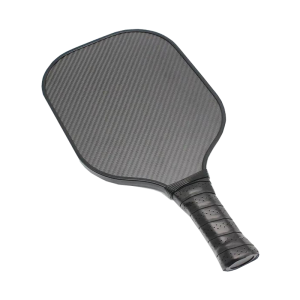
A pickleball paddle is a solid, flat tool used to hit the pickleball. Made from materials like wood, plastic, or carbon fiber, it features a handle and comes in various sizes and weights to suit different playing styles. Unlike tennis rackets, it has no strings, offering control and power.
KOLISTI offers premium pickleball paddles designed to complement our high-performance court flooring systems.
Our paddles combine durability, balanced performance, and ergonomic design, making them ideal for players of all levels.
By providing quality paddles alongside our court flooring solutions, we help partners create complete, professional-standard pickleball experiences for clubs and facility projects worldwide.
Types of Pickleball Paddles (by face material)

Glass Fiber Paddles
Fiberglass pickleball paddles are made with a composite face woven from fiberglass strands, offering a softer, more flexible impact for power and forgiveness.
Carbon Fiber Paddles
Carbon fiber pickleball paddles feature a face woven from ultra-strong carbon fiber strands, lighter and more durable than fiberglass paddles
Kevlar Fiber Paddles
Kevlar fiber pickleball paddles use aramid fiber layers for exceptional durability and shock absorption, reducing vibration for a softer, arm-friendly feel. They’re less common than carbon fiber but favored by players seeking comfort over raw power.
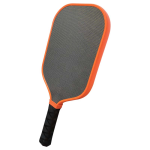
Hybrid (Mix) Paddles
A hybrid (mix) pickleball paddle combines different materials—typically carbon fiber, fiberglass, Kevlar, or titanium—in its face and core to balance power, control, and comfort.
Manufacturing process of Pickleball Paddles
1. Material Selection
- Paddles are made from materials like wood, composite plastic, or carbon fiber. Each material offers different benefits in terms of weight, durability, and performance.
2. Core Creation
- The core, which provides the paddle's weight and flexibility, is made from materials like honeycomb polymer or foam composite. This is cut to the desired size and shape.


3. Surface Layering
- A thin, durable surface layer is added, typically using fiberglass or carbon fiber, to enhance the paddle's strength and improve ball control.
4. Molding & Shaping
- The core and surface layers are then molded into the paddle shape, using either compression or heat to bond the layers together.
5. Handle Construction
- The handle is attached to the paddle’s body, often made from wood or a plastic composite, and wrapped with a grip material for comfort and control.
6. Finishing & Quality Control
- The paddle undergoes sanding, painting, and finishing for aesthetic appeal. Rigorous quality control checks ensure the paddle meets performance and durability standards.

7. Testing for Balance & Weight
- After assembly, paddles are tested for proper balance and weight distribution to ensure optimum playability. This step ensures that the paddle offers the right combination of control and power.
8. Branding & Customization
- Once the paddle is fully assembled, it may undergo branding, such as logo placement or custom designs, to meet client specifications or to appeal to different market segments. Customization allows for personalized aesthetics and product differentiation.
Pickleball Paddles Comparison
Feature | Glass Fiber Paddles | Carbon Fiber Paddles | Kevlar Fiber Paddles | Hybrid (Mix) Paddles |
Material | Fiberglass face with polymer core | Carbon fiber face with polymer core | Kevlar fiber face with polymer core | ombines 2+ materials (e.g., carbon + fiberglass) |
Power | High (flexible face adds pop) | Medium-high (stiff for power) | Medium-low (dampens power) | Customizable (e.g., carbon for control, fiberglass for power) |
Control | Medium (softer feel) | High (precise, responsive) | High (vibration dampening) | Medium |
Spin | Moderate (smooth surface) | Excellent (grittier texture) | Moderate (softer surface) | Depends on blend (e.g., carbon boosts spin) |
Durability | Good (prone to scratches) | Excellent (resistant to wear) | Very good (impact-resistant) | Varies (e.g., carbon edges add durability) |
Weight | Mid-heavy (power focus) | Light-midweight (agile) | Midweight (balanced) | Adaptable (often balanced) |
Vibration | Moderate (some feedback) | Low (stiff, stable) | Very low (shock-absorbing) | Can optimize comfort (e.g., Kevlar reduces vibrations) |
Best For | Beginners/intermediates seeking power | Advanced players wanting spin/control | Players with arm injuries | Versatile players or those customizing performance |
FAQ - Frequently Asked Questions About Pickleball Paddles
1. What’s the best pickleball paddle for beginners?
Midweight (7.3–8.3 oz) paddles with fiberglass or composite faces for a balance of power and control.
2. What materials are pickleball paddles made from?
Pickleball paddles are typically made from wood, composite materials, or a combination of both. Wood paddles are traditional and cost-effective, while composite paddles are lightweight, durable, and provide excellent performance.
3. What is the ideal weight for a pickleball paddle?
Paddle weight ranges from 6 to 14 ounces. Lighter paddles offer more maneuverability and control, while heavier paddles provide more power. The ideal weight depends on the player’s preference and style of play.
4. How do I choose the right grip size for my paddle?
Grip size is crucial for comfort and performance. A grip that’s too small can cause the paddle to twist in your hand, while a grip that’s too large can lead to discomfort or lack of control. You can measure grip size by wrapping your fingers around the handle; there should be about a finger’s width of space between your fingers and palm.
5. Can a pickleball paddle affect my game?
Yes, the paddle you choose can significantly affect your game. Paddles differ in terms of weight, material, shape, and grip size, all of which influence power, control, and feel. A good paddle matches your skill level and playing style.
6. What is the sweet spot on a pickleball paddle?
The sweet spot is the area on the paddle face where you should hit the ball for the best performance. It’s usually located near the center of the paddle, and hitting the ball here provides the most power and control.
7. How long do pickleball paddles last?
With proper care, pickleball paddles can last several years. Composite paddles may degrade slightly over time, especially in extreme temperatures, but they generally maintain their performance for a long period.
8. Can I use a wooden paddle for advanced play?
Wooden paddles are typically less expensive and heavier, which may make them less suitable for advanced play. They can provide more power, but many experienced players prefer composite paddles for better control and precision.
9. What are the differences between indoor and outdoor paddles?
While indoor and outdoor paddles are technically the same, outdoor paddles may have a slightly thicker core and a more durable surface to withstand harsher conditions. Indoor play often demands less durability because the playing surface is softer.
10. How do I care for my pickleball paddle?
To extend the life of your paddle, store it in a cool, dry place. Avoid leaving it in direct sunlight or extreme temperatures, as this can warp the material. Wipe it clean after each game, and periodically check for any cracks or damage.
Why Us

Quality First
Rigorous testing & ISO-certified processes – because "no quality means no future."

10 Years of Expertise
Deep-rooted knowledge in acrylic court flooring solutions.

OEM/ODM Specialists
Custom color schemes, logo print, and flexible MOQs to suit your brand’s needs.

Eco-Conscious Materials
Sustainable production with recyclable cores and finishes.