Table of Contents
Categories

KOLISTI Team
Introduction to Backyard Pickleball Courts
Rising popularity of pickleball worldwide
Pickleball has attracted players from all over the globe. From bustling suburbs in the United States to lively communities in Europe and Asia, people are flocking to the court with paddles in hand. The unique blend of tennis, badminton, and ping pong makes it approachable for all ages, and its rapid rise has caught the attention of brands seeking to capitalize on the craze.
Why homeowners are investing in backyard courts
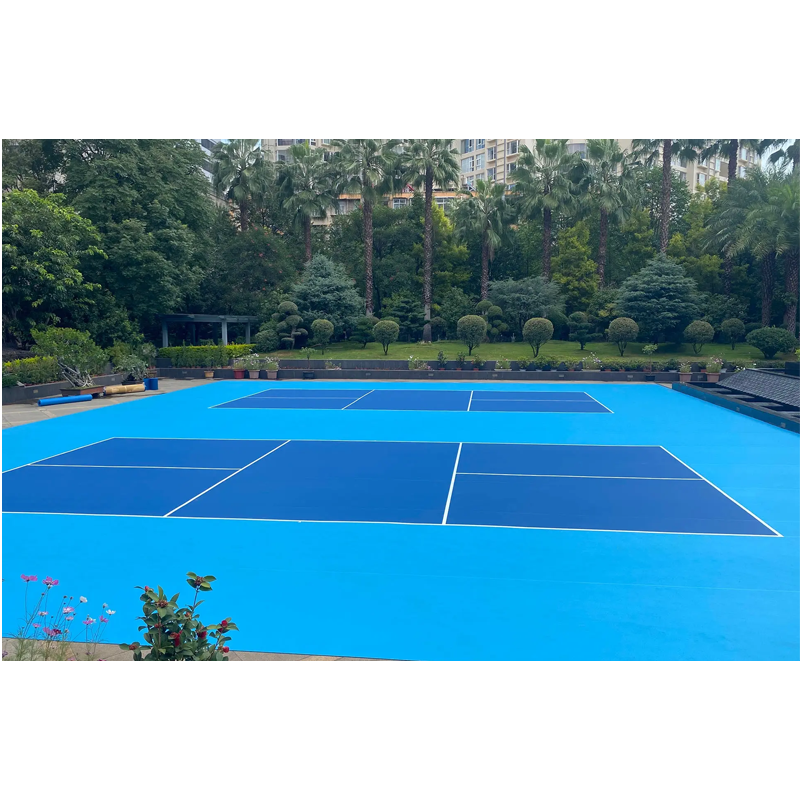
Homeowners are realizing that having a backyard pickleball court is like bringing the club to your doorstep. Families see it as a convenient way to stay active, avoid expensive memberships, and host lively gatherings that get everyone moving. Beyond recreation, these courts add property value and prestige, transforming unused yard space into an entertainment hub.
Opportunities for private label brands in this niche
For private label brands, backyard pickleball courts represent a golden ticket into a booming lifestyle market. Consumers are looking for tailored solutions that combine style with functionality, and brands that can deliver that balance stand out. With the right manufacturing partners, private labels can introduce complete court packages that seamlessly marry performance with personalization.
Market Potential for Private Label Backyard Courts
Growth drivers in the recreational sports industry
Health consciousness, outdoor living trends, and family-centric activities are fueling demand for recreational sports equipment. The pandemic further accelerated this shift as people sought safe and enjoyable ways to exercise at home. Private labels can ride this momentum by offering backyard courts that serve as both fitness assets and social anchors.
Key demographics driving pickleball adoption
Pickleball is no longer just the pastime of retirees—it’s a cross-generational movement. Young professionals love its fast pace, while older players appreciate its low-impact design. Families, schools, and community centers are adopting the sport in droves, making backyard courts relevant to a wide and diverse audience.
Forecasts for backyard court demand globally
Market analysts project steady double-digit growth for pickleball infrastructure in the coming years. Backyard courts are expected to play a central role in this expansion, especially in regions where real estate supports private recreational spaces. Brands that establish a foothold early will gain significant traction in a sector that shows no sign of slowing down.

Design and Layout Considerations
Standard dimensions for residential pickleball courts
A regulation pickleball court measures 20 feet wide by 44 feet long, but residential layouts sometimes adapt these dimensions to fit available space. Even scaled-down versions can provide the same thrill while maximizing yard use. Proper planning ensures that homeowners get the right balance of playability and practicality.
Surface options for performance and durability
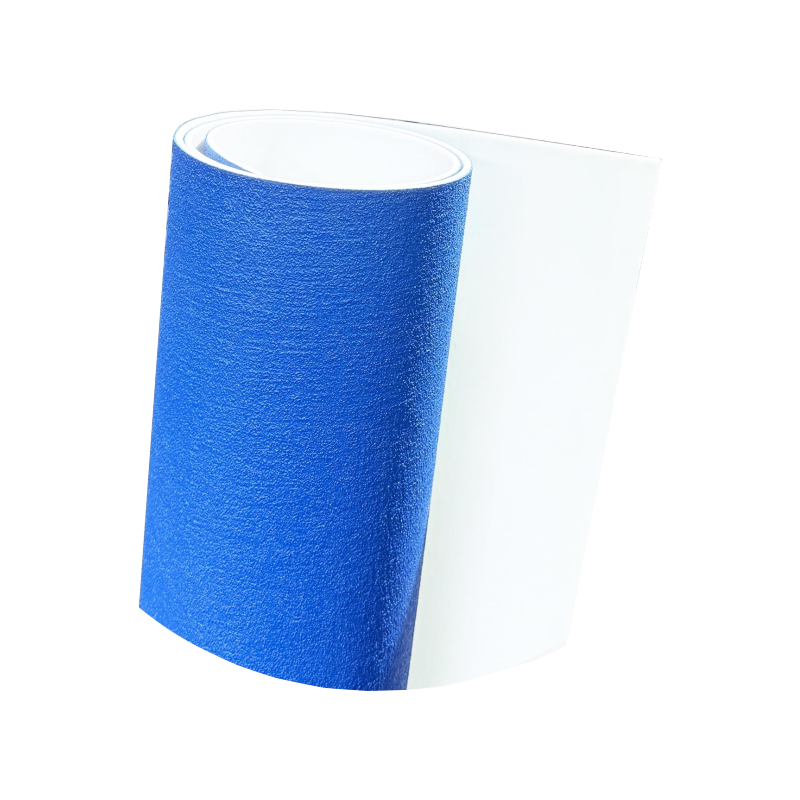
Surface materials matter, as they influence speed, bounce, and player comfort. Popular choices include concrete with acrylic coatings, modular tiles, and cushioned systems that reduce joint strain. Private labels can differentiate themselves by offering multiple surface options tailored to climates and customer preferences.
Court accessories that enhance play experience
No backyard court feels complete without the right accessories. Nets, fencing, LED lighting, and line-marking kits all elevate the user experience and add professional polish. Private labels can bundle these extras into packages, giving buyers a one-stop solution for a ready-to-play court.
Material and Manufacturing Options
Common materials used for court surfacing
Traditional surfacing materials include asphalt, concrete, and acrylic coatings, each delivering a distinct balance of longevity and play quality. Modular tile systems are increasingly popular for their ease of installation and maintenance. Offering these variations allows private labels to meet different market segments.
Sustainable and eco-friendly alternatives
Eco-conscious buyers are on the lookout for green solutions, and this is where innovation shines. Recycled plastics for modular tiles and low-VOC coatings help reduce environmental footprints. Private labels that emphasize sustainability not only attract eco-minded consumers but also strengthen brand reputation in competitive markets.
Customization potential for branding and differentiation
Customization is the ace up the sleeve for private labels. Logos, brand colors, and unique surface finishes can transform a court into a lifestyle statement. By enabling consumers to personalize their purchase, brands strengthen emotional connections and encourage long-term loyalty.
OEM and ODM Solutions for Private Labels
Benefits of OEM manufacturing for consistency
OEM manufacturing ensures a uniform product that aligns with strict quality benchmarks. This model is ideal for private labels aiming to establish a reputation for reliability and performance. With OEM, brands can scale efficiently while delivering a product that consistently meets consumer expectations.
Advantages of ODM for design flexibility
ODM services give brands the freedom to innovate and bring unique ideas to life. Whether it’s new modular configurations, creative packaging, or exclusive accessories, ODM empowers differentiation. Private labels leveraging ODM stand out by offering something customers can’t find on the mass market.
Choosing the right partnership model for brands
Deciding between OEM and ODM depends on a brand’s goals, resources, and market positioning. Some labels prefer the safety of proven templates, while others crave the boldness of novel designs. A blended approach often delivers the best of both worlds, balancing stability with innovation.
Quality Control and Compliance Standards
Meeting international safety certifications
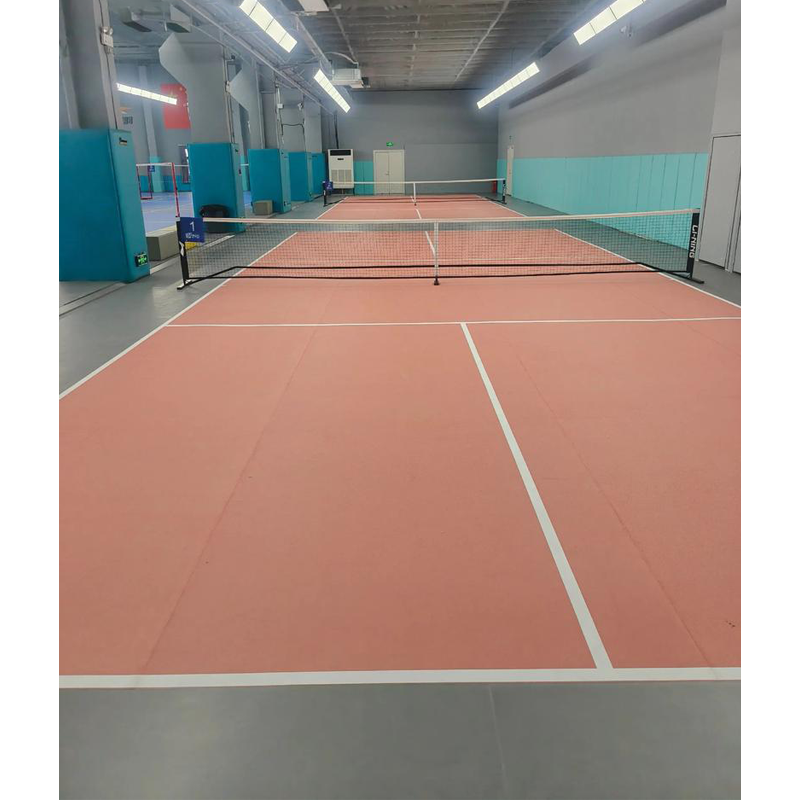
Every brand seeks to stand out, and customized rollout courts make that possible. From exclusive color palettes to thematic layouts, courts can be designed to reflect unique brand DNA. These tailored solutions create memorable experiences for players while reinforcing brand messaging.
Ensuring durability under varied climates
From scorching desert heat to damp coastal air, courts must withstand diverse environments. Manufacturers address these challenges through weather-resistant coatings, UV stabilizers, and reinforced structures. Brands that highlight climate-ready durability can appeal to international markets without hesitation.
Testing processes for long-term performance
Rigorous testing ensures surfaces maintain bounce quality, traction, and structural integrity over time. Accelerated wear simulations and load-bearing assessments identify potential weak points before products reach customers. This meticulous approach translates into satisfied buyers and fewer returns.
Logistics and Supply Chain Advantages
Cost benefits of sourcing from China
China remains a powerhouse for cost-effective production without compromising quality. Economies of scale and advanced manufacturing facilities allow brands to price competitively while protecting margins. For private labels, this translates into attractive entry points and sustainable growth.
Streamlined shipping and packaging solutions
Efficient logistics systems make it easier to ship bulky items like court kits across the globe. Flat-packed components, protective packaging, and optimized container loading reduce transportation costs and damage risks. Brands can pass these efficiencies on to their buyers, strengthening value propositions.
Managing inventory for seasonal demand
Pickleball surges in popularity during warmer months, making inventory management a critical task. Forecasting seasonal demand ensures brands avoid costly stockouts or overstocks. Flexible supply chains that adjust quickly to market rhythms are a hallmark of successful private label operations.
Building a Competitive Private Label Strategy
Positioning backyard courts as a premium product
By emphasizing performance, durability, and design, private labels can carve out a premium niche. Highlighting exclusive features such as pro-grade surfacing or luxury accessories reinforces the perception of superior value. A premium position not only commands higher margins but also builds brand prestige.
Leveraging customization for brand loyalty
Allowing buyers to personalize their court—whether through colors, logos, or unique accessories—creates a sense of ownership. This personalization turns a product into an experience, forging stronger emotional bonds. Loyal customers often become vocal advocates, fueling word-of-mouth growth.
Marketing strategies for global distribution
Global distribution requires a multi-pronged marketing approach that spans digital platforms, retail partnerships, and trade shows. Storytelling around health, lifestyle, and community can resonate across cultures. By aligning brand identity with the universal joy of pickleball, private labels can break through international barriers.
Reference
Related Posts
How to Convert a Tennis Court to Pickleball Courts
Can You Put a Pickleball Court on a Driveway? A Complete Guide
How to Install Roll-Out Pickleball Court Flooring