Table of Contents
Categories

KOLISTI Team
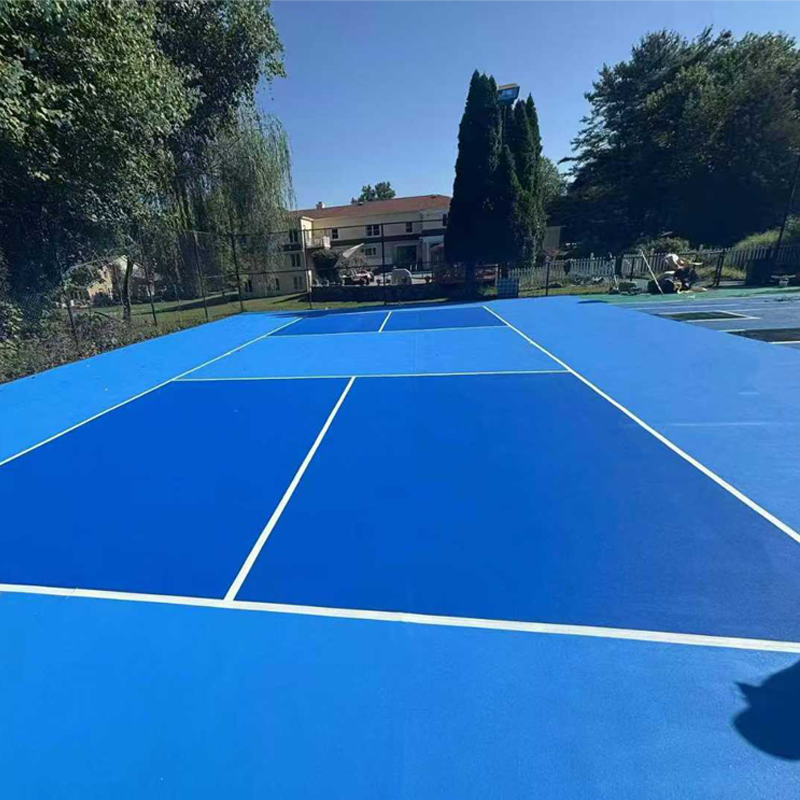
Introduction to Pickleball Temporary Court Systems
Growing Demand for Pickleball Facilities Worldwide
What began as a casual backyard diversion has erupted into one of the most dynamic sports trends sweeping the globe. From neighborhood parks to elite athletic clubs, the call for facilities that can cater to both weekend warriors and serious competitors is louder than ever. This explosive rise is pushing procurement teams to source adaptable, durable court systems that can be delivered and installed at record speed.
Why Temporary Courts Are a Practical Solution
Not every venue has the luxury of permanent infrastructure, and that’s where temporary courts shine. They allow sports clubs, resorts, and municipalities to adapt existing spaces into vibrant pickleball venues without heavy construction. Temporary courts provide the agility to test market demand, host pop-up events, or serve multi-use facilities where one surface needs to serve many sports.
Key Benefits of Fast Installation for Brands and Venues
Time is money, and the quicker a court is installed, the faster it can generate engagement and revenue. Fast installation means tournaments can be set up in a matter of hours, and retail brands can use the space as a stage for experiential marketing. Venues benefit from reduced downtime, keeping their facilities profitable while meeting the growing appetite for pickleball.
Understanding the Basics of Temporary Court Systems
Definition and Core Components of Temporary Courts
A temporary pickleball court system is a modular setup designed to transform flat surfaces into regulation play areas. Its core elements typically include interlocking flooring tiles, portable net systems, and customizable boundary markings. These systems are engineered for quick assembly and disassembly without compromising on playability.
Differences Between Temporary and Permanent Setups
Permanent courts demand excavation, surfacing, and fixed infrastructure that locks a space into single-purpose use. Temporary courts, by contrast, are lightweight, transportable, and flexible, offering nearly identical performance without the permanence. This adaptability makes them invaluable for spaces like gymnasiums, parking lots, and multipurpose arenas.
Typical Use Cases in Sports Facilities and Events
Sports complexes deploy temporary courts to host large-scale pickleball tournaments without altering their permanent layouts. Hotels and resorts use them as seasonal attractions, drawing in recreational players and enhancing guest experiences. Corporate events, festivals, and community fairs also leverage them for crowd engagement and brand exposure.

Materials and Design Options for Temporary Courts
Popular Flooring Materials and Their Durability
Polypropylene modular tiles are among the most common, offering excellent traction, shock absorption, and resilience against heavy foot traffic. Some suppliers integrate UV-resistant coatings to ensure the courts hold up in blazing outdoor conditions. Rubberized surfaces also provide additional comfort for players, reducing fatigue during long matches.
Modular and Portable Court Designs
Modern court systems prioritize portability with interlocking panels that snap together seamlessly. Many designs allow partial configurations, enabling venues to scale up or down depending on the number of players. Their compact storage and lightweight transport make them a practical choice for recurring events.
Safety and Performance Features for Players
Safety is paramount, with non-slip surfaces, beveled edges, and stable anchoring systems minimizing risk. Performance features, such as consistent ball bounce and shock absorption, replicate the feel of permanent courts. These enhancements ensure players can focus on their game rather than worrying about surface inconsistencies.
Quick Installation Advantages for Procurement Teams
Faster Deployment for Event Deadlines
Temporary courts can be installed within hours, aligning perfectly with the tight schedules of event organizers. Quick deployment means that procurement teams can promise timely delivery even for last-minute events. This reliability enhances brand reputation and fosters trust among stakeholders.
Reduced Labor and Equipment Costs
Because the courts are modular, they require minimal specialized labor or heavy machinery. Smaller teams can handle installation and removal, dramatically cutting down overhead. Lower labor intensity translates into better margins and more competitive bids for procurement professionals.
Flexibility in Relocating or Reusing Courts
Once an event wraps, the same court can be packed up, transported, and reused at a different location. This reusability transforms temporary courts into long-term assets rather than single-use investments. Procurement teams benefit from higher returns on their purchasing decisions.
Customization and Branding Opportunities
Court Color Schemes Aligned with Brand Identity
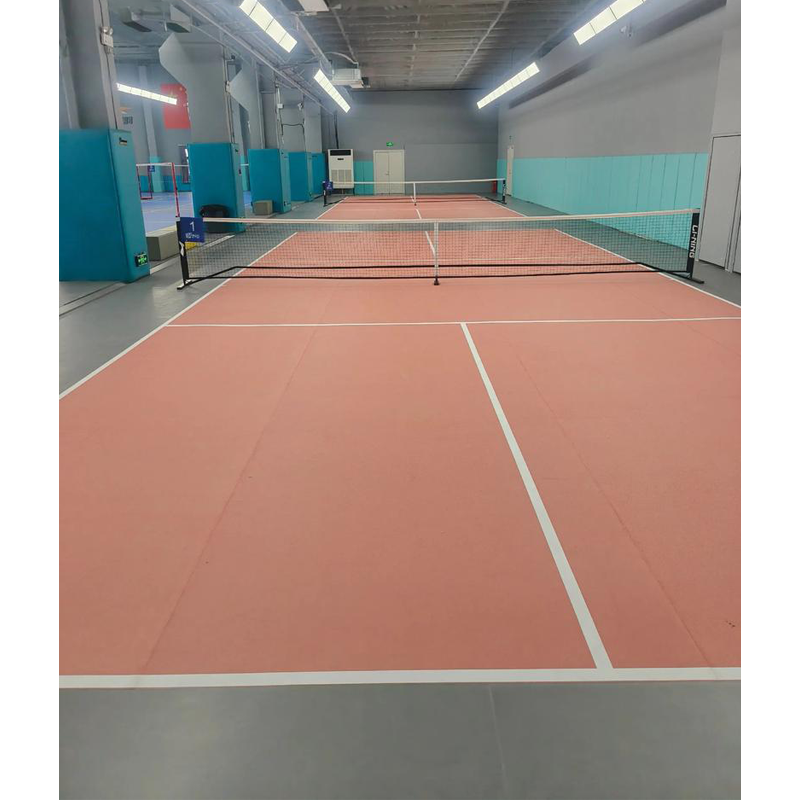
Customizable tile colors allow brands to reinforce their identity through the very surface players compete on. Vivid hues can be coordinated with corporate colors, creating a strong visual impact. This turns every court into a branding canvas as much as a sporting venue.
Logo Placement and Visual Branding on Surfaces
Logos can be embedded directly into tiles or applied with durable decals. These branding elements ensure maximum visibility in photos, live streams, and press coverage. It’s an organic way for sponsors and partners to gain exposure while enhancing the overall court aesthetic.
Tailored Dimensions for Different Venue Requirements
Some venues may prefer compact training courts, while others require full-size layouts. OEM providers can adapt dimensions to match the spatial constraints and strategic goals of the buyer. This adaptability ensures no square footage goes to waste.
Customization Manufacturing for Global Buyers
Benefits of Partnering with OEM/ODM Suppliers
OEM and ODM suppliers provide procurement teams with flexibility, from white-label production to fully customized designs. This ensures products align with brand expectations without reinventing the wheel. Partnering with seasoned manufacturers reduces time-to-market and improves competitive positioning.
Streamlined Production for Bulk Orders
Bulk manufacturing leverages economies of scale, cutting costs for large procurement projects. Automated systems and efficient assembly lines ensure consistency across every unit produced. This scalability guarantees timely delivery, even for expansive rollouts.
Quality Assurance and International Standards Compliance
Reputable manufacturers enforce rigorous quality checks, from material testing to final inspections. Compliance with international sporting and safety standards assures buyers that products meet global expectations. These practices safeguard brand reputation while minimizing risk.
Cost Considerations and ROI
Initial Investment Versus Long-Term Savings
While upfront costs may appear higher than makeshift solutions, the durability of temporary court systems ensures long-term savings. Reusability and lower maintenance requirements make them a smarter investment. Over time, the per-use cost diminishes, boosting overall ROI.
Scalability for Multi-Location Rollouts
Procurement teams can replicate successful installations across multiple locations without extensive redesign. This scalability provides consistency for brands expanding their footprint regionally or globally. A standardized system also simplifies logistics and inventory management.
Value-Added Features That Enhance Player Experience
Enhanced play surfaces, custom designs, and comfort-driven features elevate the experience for players. Happy players return more frequently, increasing foot traffic and repeat revenue for venues. These features translate into tangible brand loyalty and customer satisfaction.
Future Trends in Temporary Pickleball Courts
Sustainable Materials and Eco-Friendly Designs
Eco-conscious buyers are pushing for materials made from recycled plastics and biodegradable options. Manufacturers are innovating with sustainable composites that maintain performance standards. These green initiatives align with global sustainability goals and appeal to environmentally aware consumers.
Integration of Smart Technology in Court Systems
Emerging court designs are incorporating smart sensors to track player performance and usage data. LED boundary markings and app-connected scoring systems are on the horizon. These innovations promise to transform courts into interactive, data-driven environments.
Expanding Markets and Growth Opportunities Worldwide
The rise of pickleball is no longer confined to North America; Europe, Asia, and South America are rapidly catching on. As markets expand, procurement teams face unprecedented opportunities to introduce adaptable, temporary court systems. This global momentum positions pickleball as a cornerstone in the future of recreational and competitive sport.
Reference
Related Posts
How to Convert a Tennis Court to Pickleball Courts
Can You Put a Pickleball Court on a Driveway? A Complete Guide
How to Install Roll-Out Pickleball Court Flooring