Table of Contents
Categories

KOLISTI Team
Introduction to Pickleball Paddles for Beginners
Why Choosing the Right Paddle Matters for Beginners
When it comes to pickleball, choosing the right paddle is a game-changer, especially for beginners. A paddle that’s too heavy or too light can affect your ability to make controlled shots, while one that doesn’t fit your playing style can cause frustration and a steep learning curve. For newcomers, the right paddle can mean the difference between enjoying the game and feeling discouraged. After all, it’s not just about how hard you can hit the ball; it’s about control, comfort, and consistency. Whether you’re just starting or you’ve been at it for a few weeks, getting your hands on a paddle that suits your skill level will let you develop faster and enjoy the game more.
The Importance of Comfort and Control for New Players
Comfort and control are the foundation of good pickleball play, particularly for beginners who are still developing their technique. You need a paddle that feels natural in your hand, without causing discomfort or hindering your movement. A paddle that gives you good control allows for better placement of shots, enabling you to stay in rallies longer, and possibly even outlast opponents who have more experience. At the same time, the right paddle will allow you to focus on your fundamentals without distraction. For beginners, comfort translates into confidence, which is a must for progressing in the game.
Overview of Key Features That Impact Performance
The performance of a pickleball paddle hinges on a few key factors: materials, weight, grip size, shape, and core composition. All these elements influence how the paddle feels and performs during play. A beginner’s paddle should be light enough to swing comfortably but durable enough to handle consistent use. Additionally, the paddle’s core and shape will have a big impact on your ability to generate power or finesse. As we go into more detail, it will be clear that each of these features serves a distinct purpose in improving your game.
Understanding Paddle Materials and Their Impact
Common Paddle Materials: Wood, Composite, and Graphite
Pickleball paddles are made from several different materials, each offering unique characteristics. Wood paddles are the traditional option, often favored for their affordability, though they’re typically heavier and less responsive than modern alternatives. Composite paddles, made from materials like fiberglass or carbon fiber, strike a balance between power and control, offering a solid performance without breaking the bank. Finally, graphite paddles are the go-to for serious players, prized for their lightweight nature and precise control. Each material has its strengths, so knowing what each one offers is crucial when selecting the best paddle for your playing style.
How Material Affects Durability and Performance
Material choice directly affects both the durability and performance of your paddle. Wood paddles tend to be durable but less forgiving on the court. Their heavy construction can lead to fatigue, especially for beginners who might struggle with consistent ball contact. Composite paddles, on the other hand, offer a better balance of durability and responsiveness, making them a great option for newcomers. Graphite paddles, while lighter and more precise, are also more fragile, often requiring better care. For beginners, durability is important, but a paddle that offers both comfort and performance will keep you playing for years without excessive wear.
Pros and Cons of Different Materials for Beginners
Each material brings a set of advantages and drawbacks for beginner players. Wood paddles are affordable and can take a beating but are often cumbersome and less responsive. Composite paddles, which are lighter and offer more flexibility in design, provide better playability and a wider sweet spot, making them ideal for new players still figuring out their stroke. Graphite paddles, while great for precision, can feel too “high-end” for beginners who are still developing their skills. Therefore, many players opt for a composite paddle as a middle ground, enjoying the benefits of a solid, durable product without overwhelming their game.
Choosing the Right Paddle Weight
How Paddle Weight Affects Control and Power
The weight of your paddle plays a critical role in how you control the ball and generate power. Lighter paddles, typically ranging from 6 to 7 ounces, allow for quicker reactions and more maneuverability, ideal for players focusing on finesse. Heavier paddles, on the other hand, deliver more power with each stroke and are usually favored by advanced players who have developed strength and precision. For beginners, striking the right balance is key—too heavy, and you risk fatiguing too soon; too light, and you may lack the power to execute strong shots. Knowing how your body feels when handling different weights is crucial to improving your game without overexerting yourself.
Ideal Weight Range for Beginner Players
For most beginner players, paddles in the range of 7 to 8 ounces are ideal. This weight provides a good combination of control, power, and comfort without requiring an advanced level of strength or technique. These paddles strike a balance that helps players manage both power shots and more delicate touch shots. Lighter paddles, while appealing for their speed, often lack the stability that beginners need to develop consistent shots, whereas heavier paddles can be taxing and may slow down reaction time. Starting with a medium weight paddle will give you enough power while still allowing for the learning process.
Lightweight vs. Midweight Paddles: What to Consider
Choosing between a lightweight and midweight paddle is a personal decision, depending on the player’s preferences and physical conditioning. Lightweight paddles, under 7 ounces, are often easier to handle and allow for quicker wrist flicks and faster reaction times. However, they may lack the stability needed for power hits. Midweight paddles offer a better mix of both control and power, with the added advantage of being less taxing on the arm over long periods. For most beginners, a midweight paddle is the sweet spot—it provides both playability and comfort without sacrificing too much in either department.
Grip Size and Its Importance for Comfort
How to Measure the Right Grip Size
Selecting the right grip size is essential to avoiding discomfort and improving control. To measure, you can use a simple ruler or measuring tape to determine the distance from the tip of your ring finger to the middle crease of your palm. A grip that’s too large will make the paddle hard to control, while a grip that’s too small could cause strain on your wrist and elbow. The ideal grip size should feel snug, offering a comfortable hold without needing to overgrip. A good rule of thumb: if you can fit a finger between your fingers and palm, you’ve likely got the right size.
Impact of Grip Size on Control and Injury Prevention
The correct grip size can make a big difference when it comes to both control and injury prevention. A grip that’s too small can lead to excessive wrist movement, which might cause overuse injuries like tennis elbow. On the flip side, a grip that’s too large can force you to squeeze harder, creating unnecessary tension in your arm. Finding the right fit allows for better wrist stability, which in turn improves shot accuracy and reduces fatigue over time. Control is enhanced when your hand doesn’t struggle to maintain a firm grip, making it easier to direct shots with precision.
Choosing Between Cushion and Standard Grips
Grips come in two main varieties: standard and cushioned. Standard grips are typically thinner and can feel more natural for some players, but they might not absorb sweat as well or provide as much comfort for extended play. Cushioned grips, often thicker, provide additional padding, reducing strain on the hands and absorbing shock. For beginners who might be playing longer sessions, cushioned grips are often the preferred choice for added comfort, though it’s ultimately a matter of personal preference. Both grip types have their merits, but comfort is key, so trying a few options is recommended.
Paddle Shape and Its Influence on Play
Differences Between Wide, Standard, and Elongated Shapes
Pickleball paddles come in a variety of shapes, each affecting gameplay in distinct ways. The standard shape is the most common and offers a balanced combination of control and power. Wide paddles provide a larger sweet spot, making them more forgiving on off-center hits, which can be especially helpful for beginners still mastering their stroke. Elongated paddles, while offering more reach and power, come with a smaller sweet spot and require a bit more skill to control effectively. Understanding the differences in shape is essential, as it helps players match their paddle to their style and level of play.
Which Paddle Shape is Best for Beginners?
For beginners, a wide-body paddle is often the most forgiving and easy to use. The larger sweet spot provides greater room for error, making it easier to make solid contact with the ball. Standard paddles also work well, offering a more balanced experience for those who are ready to start refining their technique. Elongated paddles are generally better suited for intermediate to advanced players, as they require a more consistent hitting technique to take full advantage of their reach and power. Overall, wide-body paddles tend to offer the most benefit to new players looking to build confidence and consistency.
How Paddle Shape Affects Sweet Spot and Forgiveness
The shape of the paddle directly influences the size and location of the sweet spot, the area of the paddle that produces the cleanest hits. Wider paddles generally have a larger sweet spot, making them more forgiving on off-center hits, which is crucial for beginners who are still refining their technique. Standard paddles offer a more traditional sweet spot, ideal for players who are comfortable with their stroke mechanics. Elongated paddles, with a narrower sweet spot, can be challenging for beginners to control, as any mis-hit can result in a loss of power or accuracy.
Core Materials and Their Role in Paddle Performance
Understanding Core Materials: Nomex, Polymer, and Aluminum
The core of a pickleball paddle plays a significant role in how the paddle feels and performs. Nomex, a honeycomb material, provides durability and a high level of power, making it a popular choice for players who need extra force in their shots. Polymer cores, known for their quiet nature and excellent control, absorb shock well and offer a softer feel, which can be a game-changer for beginners looking for more consistency. Aluminum cores, often found in more affordable paddles, tend to be lighter but less durable. Understanding these core materials helps players make more informed decisions based on their needs and preferences.
How Core Materials Affect Paddle Power and Control
Core materials directly influence the paddle’s balance between power and control. Nomex cores provide excellent power, making them ideal for players who want to hit hard, but they might not offer the same level of control as softer cores. Polymer cores, on the other hand, are perfect for beginners who prioritize control, as they reduce vibration and give more tactile feedback during play. Aluminum cores, while lighter, tend to offer less power and control but can be a good choice for those looking for a more budget-friendly option. For beginners, polymer cores are often the sweet spot, as they offer the best balance of power and control without being too harsh on the arm.
Best Core Material Choices for Beginner Players
For beginners, polymer cores are typically the best option. They provide a softer, more forgiving feel, which is essential for new players still working on their technique. These cores offer good power without sacrificing control, allowing players to focus on learning the fundamentals without worrying too much about mis-hits. If you’re looking for a more durable option, Nomex cores offer more power, though they might be less forgiving. Polymer is the go-to choice for comfort and playability, providing a balanced experience for most new players.
Edge Guard: Do Beginners Need It?
What Is an Edge Guard and Why It’s Important
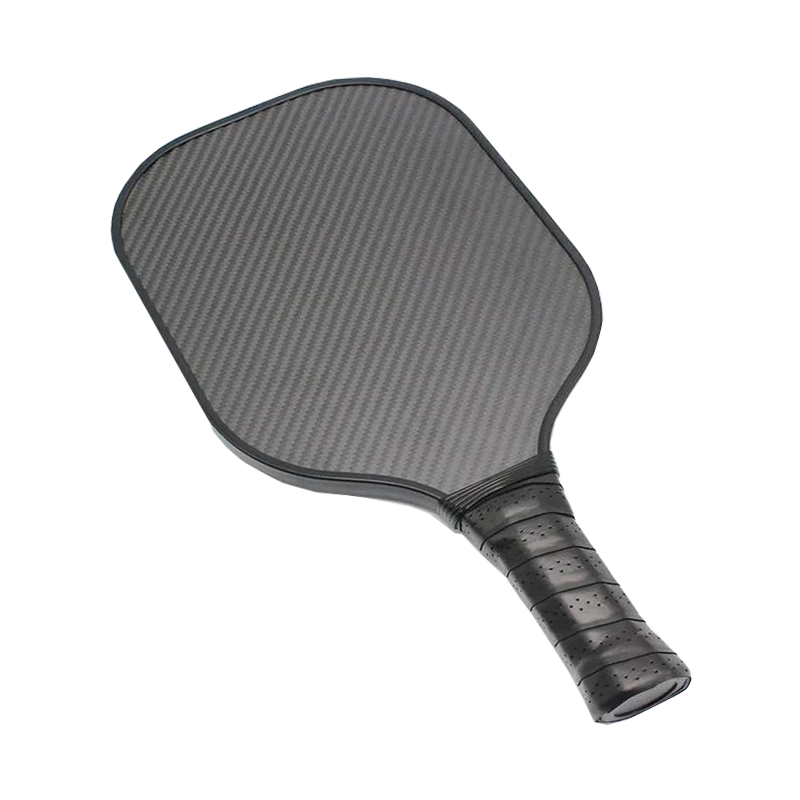
The edge guard is a protective band that runs along the perimeter of a paddle, safeguarding it from damage during play. This small but essential feature helps prevent cracks and chips, which can shorten the lifespan of your paddle. For beginners, an edge guard is particularly useful since newcomers are more likely to mishit or scrape their paddle along the ground. While it might add a small amount of weight to the paddle, the protection it offers far outweighs any minor inconvenience. For any paddle that’s meant to last, having an edge guard is a no-brainer.
The Role of Edge Guards in Protecting Your Paddle
Edge guards serve as a protective barrier against accidental drops and wall contacts. For beginners, who might not have full control of their paddle at all times, this feature ensures longevity. Without an edge guard, the paddle is more prone to nicks and chips that affect both its aesthetic appeal and playability. A good edge guard absorbs shock and impact, ensuring your paddle stays intact even if it’s bumped or dropped. It’s not a feature that should be overlooked, as it provides extra peace of mind, especially during the first few months of play.
Are Edge Guards Necessary for Beginners?
While not absolutely necessary, an edge guard is highly recommended for beginners. Since new players tend to mishit the ball or drop their paddle more often, having an edge guard offers an extra layer of protection. Not only does it prolong the life of the paddle, but it also ensures that your paddle doesn’t get damaged during those inevitable learning moments. It’s a small investment in durability and peace of mind that can make a big difference for those just starting out.
Budget vs. Premium Paddles: What to Choose for Beginners
Understanding Price vs. Quality for Beginner Players
When it comes to pickleball paddles, price and quality are often closely related, but not always in the way you might think. While premium paddles tend to offer superior materials, lighter weight, and more precise control, beginners don’t necessarily need to spend top dollar to get a good paddle. The key is balancing price and quality. A mid-range paddle made from composite materials, for instance, can deliver excellent performance without the hefty price tag of a graphite paddle. Beginners should focus on finding a well-constructed paddle that’s durable, comfortable, and forgiving, without breaking the bank.
When to Invest in a Premium Paddle
For most beginners, there’s no immediate need to invest in a premium paddle. That said, once you’ve developed your skills and started playing more frequently, you may want to upgrade. Premium paddles offer better responsiveness, lighter construction, and increased durability—benefits that experienced players can truly appreciate. However, it’s best to wait until you’ve established your playing style and understand what features matter most to you. At that point, a premium paddle can elevate your game, but for beginners, affordability and comfort should take priority.
Top Affordable Options Without Sacrificing Performance
Luckily, there are plenty of high-quality, affordable paddles on the market that don’t sacrifice performance. Brands offer paddles made from composite materials, lightweight construction, and well-designed grips that cater to beginners without the expensive price tag. When shopping on a budget, look for paddles with polymer cores and ergonomic grips. These materials provide the comfort, control, and power needed for beginners to improve without overspending. There’s no need to break the bank—some of the best options are reasonably priced and offer incredible value for money.
Related Posts
How to Install Roll-Out Pickleball Court Flooring
Cushioned Pickleball Courts: Sourcing Guide for Global Brands
Outdoor Pickleball Court Flooring: 5 Sourcing Tips