Table of Contents
Categories

KOLISTI Team

Introduction to Pickleball Roll Out Courts
Rising Global Demand for Pickleball Products
Pickleball has transformed from a local pastime to a full-blown global sensation. Its rise is not just steady—it’s explosive, with millions of new players picking up paddles every year. Municipalities are reimagining underutilized spaces, private clubs are scrambling to build courts, and retailers are racing to stock products fast enough to meet demand.
For procurement professionals, this creates a fertile landscape of opportunity. Brands that align with the pickleball boom are not just meeting a trend—they’re stepping into a long-term, rapidly expanding market. A simple, well-placed product like a roll out court can unlock entry points to entire new customer segments across continents.
Why Portable Courts Are Disrupting the Market
Traditional pickleball infrastructure has always been a barrier for rapid adoption. Fixed courts require land, permits, costly construction, and maintenance that can drag out timelines and inflate budgets. Portable roll out courts, however, cut through all of that like a hot knife through butter. They allow venues and retailers to bring the game directly to the people, bypassing costly installations and time-consuming approvals.
This disruption is not just about convenience. It’s about enabling new business models—event rentals, pop-up experiences, seasonal programs, and private label expansions. When courts can be rolled out in minutes and packed up just as quickly, brands can reach audiences in places they never could before.
How Brand Procurement Can Capitalize on the Trend
Procurement teams are in the driver’s seat of this momentum. By forging smart partnerships with manufacturers and leveraging flexible production capacity, brands can move faster than competitors. Portable courts are lightweight, easy to customize, and quick to ship, making them ideal for rapid go-to-market strategies.
Instead of waiting for long development cycles, procurement can stock products that are already optimized for distribution. This agility means tapping into events, hospitality chains, big-box retail, and direct-to-consumer channels without heavy infrastructure investment. Those who move early stand to build market leadership while the rest are still drawing up construction plans.
What Is a Pickleball Roll Out Court
Core Components and Material Specifications
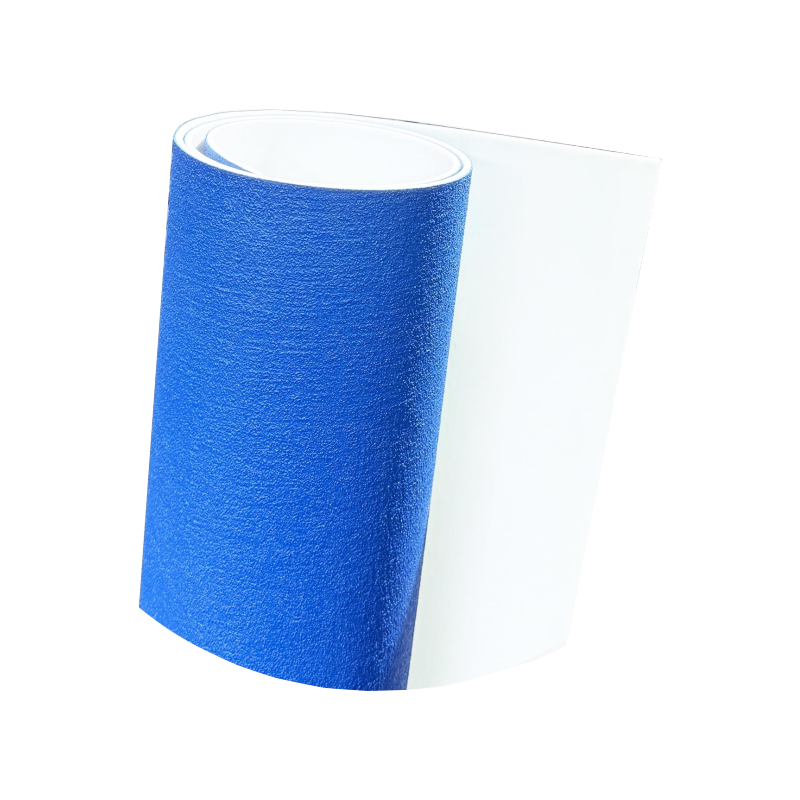
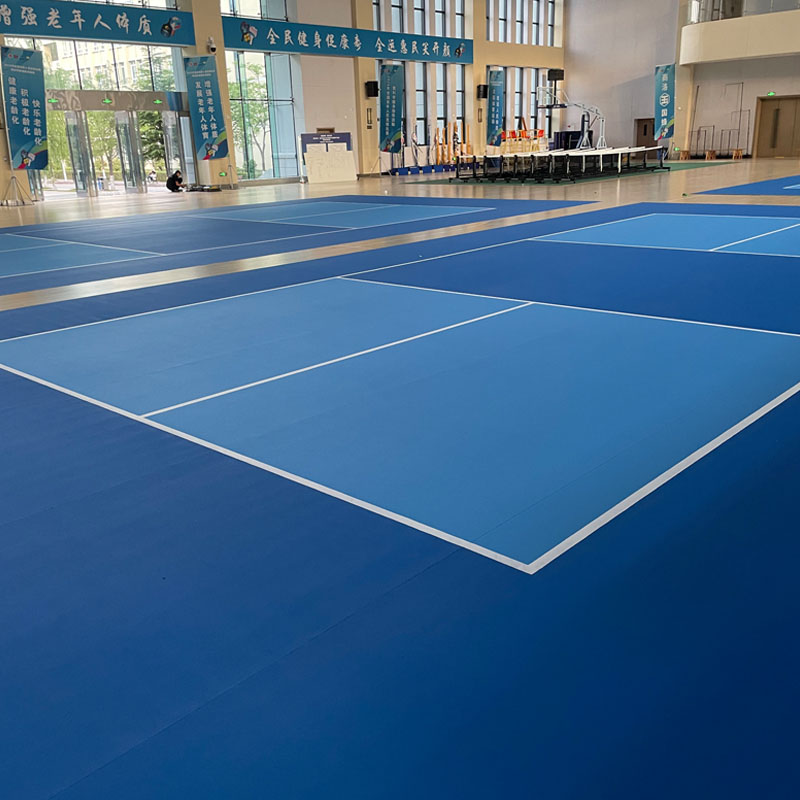
A pickleball roll out court is more than just a mat with lines. It’s a carefully engineered playing surface, typically made of high-grade PVC or thermoplastic elastomers that deliver consistent bounce, excellent grip, and long-term durability. These materials are UV resistant and weather-hardy, making them suitable for both indoor gyms and outdoor spaces. The latest pickleball court flooing is pre-cured roll out mat made of acrylic and PVC.
The courts come with pre-applied regulation lines, precision-measured for tournament play, ensuring players enjoy a professional-grade experience anywhere. Some designs also incorporate anti-slip backing, allowing them to lay flat without creases or movement during play. For brands, this means fewer complaints, longer product lifespan, and stronger customer satisfaction.
Advantages Over Traditional Fixed Courts
Fixed courts lock you into one location and require significant investment. Roll out courts, on the other hand, bring fluidity and flexibility. They can be installed on asphalt, concrete, gym floors, or even smooth grass in a matter of minutes, enabling businesses to maximize space usage.
They’re also maintenance-friendly—no cracking surfaces, no repainting, and no resurfacing required. For brands selling to schools, clubs, or homeowners, this ease of setup translates directly into value. The product itself becomes a turnkey solution, opening doors to recreational programs and commercial partnerships without capital-heavy commitments.
Ideal Use Cases for Brands and Distributors
The versatility of roll out courts makes them a match made in heaven for multiple industries. Retailers can sell them to homeowners looking to play in driveways or backyards. Event organizers can use them for tournaments and community engagement. Hospitality brands—think resorts, hotels, cruise ships—can offer pickleball experiences without permanent installations.
For distributors, this product is low-risk and high-volume. It travels well, stores efficiently, and can be branded in multiple configurations. Whether as part of a broader product catalog or a standalone offering, it creates opportunities to expand reach and revenue.

Key Market Drivers for Fast Brand Scaling
Explosive Growth of Pickleball Participation
Pickleball participation is climbing faster than any other recreational sport. Markets like the U.S., Canada, Germany, and Australia are witnessing growth curves that mirror early-stage tennis booms. This isn’t just recreational; major sports brands and celebrity investors are funneling resources into pro leagues and international tournaments.
When a sport grows this quickly, infrastructure follows suit—and portable courts offer the fastest way to keep up. Brands that meet this demand head-on will establish themselves as core suppliers to schools, clubs, retailers, and hospitality venues worldwide.
High Consumer Demand for Easy Installation
Consumers want simplicity. They don’t want to hire contractors, pull permits, or wait months for a permanent installation. They want to unroll a court, grab their paddles, and play. Roll out courts deliver exactly that.
This kind of plug-and-play convenience is what modern buyers expect. The product practically sells itself because it removes all the friction from adoption. For procurement teams, this means shorter sales cycles, higher conversion rates, and happy partners.
Expanding B2B Opportunities for Private Labels
Private label programs thrive on products that can be easily customized and scaled. Roll out courts check both boxes. Brands can choose colors, logos, materials, and packaging styles to fit their identity, creating a signature product line without the costs of R&D.
Beyond retail, there’s enormous B2B potential in schools, corporate wellness programs, community centers, and franchise fitness chains. A strong private label strategy can position a brand as the go-to supplier for these growing segments.
Benefits for Procurement and Sourcing Teams
Faster Product Launches with Flexible Supply
Procurement teams live and breathe speed. A product that can go from order to market in weeks—not months—changes the entire competitive equation. Because roll out courts require no installation, brands can launch new product lines quickly to align with seasonal spikes or emerging regional demand. This speed also allows procurement teams to experiment with smaller initial runs, test new markets, and scale up seamlessly once the demand is proven.
Lower Logistics Costs with Lightweight Solutions
Freight and warehousing costs are silent profit killers. Traditional court installations involve heavy materials and expensive shipping. Roll out courts, however, are compact and lightweight. They can be shipped in rolls, reducing container costs, and stored efficiently in smaller warehouses. This means procurement teams can maximize shipping volumes, lower overhead, and ultimately increase margins. For brands managing global supply chains, this efficiency is a serious competitive advantage.
Easier Inventory Planning with Modular Design
Because these courts are modular and standardized, inventory planning becomes much more predictable. Procurement can order in bulk without worrying about site-specific installation variables. Modular design also allows brands to offer multiple configurations—standard court, half-court, or multi-court kits—without bloating SKU counts. This simplifies forecasting and gives sourcing teams flexibility in responding to shifts in demand.
OEM and ODM Manufacturing Advantages
Full Customization to Match Brand Identity
In a crowded marketplace, differentiation is gold. OEM and ODM manufacturing options give brands the ability to fully customize their roll out courts—whether through branded colors, embossed logos, custom edge trims, or co-branded packaging. This kind of personalization turns a standard product into a high-value branded asset. It enhances visibility at events, retail stores, and online marketplaces, turning every court into a marketing touchpoint.
Scalable Production Capacity for Large Orders
A major benefit of partnering with experienced manufacturers is scalability. High-capacity production facilities can handle large seasonal or promotional orders without compromising lead times. Whether the order is 100 units or 10,000, manufacturing processes can ramp up efficiently. This allows brands to plan large-scale campaigns, retail rollouts, or promotional pushes with confidence. No backorders. No missed opportunities.
Reliable Quality Control and Compliance Standards
A product is only as strong as its weakest seam. Reputable manufacturers adhere to rigorous quality control protocols—checking thickness, traction, colorfastness, and UV stability. Many also maintain international certifications that ensure compliance with global safety and performance standards. This assurance is invaluable for procurement teams working with multinational distribution networks. Reliable QC reduces returns, strengthens brand reputation, and builds trust across the supply chain.
How Pickleball Roll Out Courts Drive ROI
High-Margin Potential with Premium Positioning
Roll out courts are a high-value, low-footprint product. With smart branding and premium positioning, they can command healthy margins, especially in retail and B2B segments. Customers are willing to pay for convenience, quality, and branded aesthetics. This profit potential makes the product a strong anchor in any sports equipment portfolio. For procurement professionals, it represents a strategic SKU that drives both revenue and brand equity.
Rapid Market Entry with Minimal Infrastructure
Launching into a new market typically involves high overhead, but with roll out courts, brands can bypass many of those barriers. There’s no need for warehouse expansions, installation teams, or construction permits. A leaner entry means less capital risk and faster ROI. This is particularly powerful in emerging markets where the appetite for pickleball is high but infrastructure is limited. Portable solutions fill the gap while competitors are still negotiating land use.
Long Product Lifecycle and Repeat Orders
One of the most underrated benefits of roll out courts is their longevity. Made from durable, weather-resistant materials, they hold up over years of use. This means fewer warranty claims, higher customer satisfaction, and strong word-of-mouth. Additionally, many customers—event organizers, hospitality chains, and schools—place repeat orders to expand programs or replace aging inventory. That recurring demand builds a stable revenue base for brands.
Choosing the Right Manufacturing Partner
Key Factors to Evaluate in a Supplier
Not every supplier has the same level of technical sophistication or reliability. Procurement teams should evaluate manufacturing history, production scale, technology used, and responsiveness. Transparency in communication and documentation is crucial. A great supplier isn’t just a vendor—they’re a strategic ally. The right partner helps solve problems before they arise, ensuring smooth operations and on-time deliveries.
Importance of Certifications and Testing
Third-party certifications and rigorous product testing are non-negotiable for global distribution. Certifications like ISO, SGS, or ASTM compliance guarantee that the courts meet international safety and quality benchmarks. For brands selling into regulated markets, these certifications are not just a selling point—they’re a requirement. They reduce risk, protect brand reputation, and facilitate smooth import/export operations.
Building Long-Term Strategic Sourcing Relationships
The most successful procurement strategies are built on long-term, trust-based partnerships. By working closely with a manufacturer, brands can secure better pricing, priority production slots, and co-development opportunities. This strategic sourcing model transforms a transactional relationship into a collaborative growth engine. Over time, both sides benefit from shared innovation and market insight.
Future Trends and Growth Opportunities
Innovations in Materials and Design
The next generation of roll out courts is already on the horizon. Advanced polymer blends, eco-conscious materials, and anti-microbial surface coatings are becoming standard. These innovations enhance performance, safety, and sustainability, creating a new layer of differentiation for forward-thinking brands. Design is also evolving with sleeker profiles, reinforced edges, and built-in anchoring systems. The court of tomorrow will be lighter, smarter, and even easier to deploy.
Integration with Smart Sports Solutions
Technology is reshaping how people experience sports. Smart courts with integrated sensors can track ball bounce, line calls, and player movements. This data can be connected to mobile apps, allowing players to review performance or participate in virtual leagues. For brands, integrating with smart ecosystems creates entirely new upsell pathways—bundling courts with software, wearable tech, or club memberships.
Global Expansion Strategies for Emerging Brands
Pickleball is spreading fast beyond its original strongholds. Latin America, Southeast Asia, and the Middle East are emerging as high-potential markets. Brands that establish supply chains and partnerships early in these regions can secure long-term dominance. Roll out courts offer the perfect low-barrier entry strategy. Lightweight, scalable, and easy to localize, they allow brands to establish a presence without heavy investment. When the sport booms in these new territories, those early movers will be the ones holding the winning paddle.
Related Posts
How to Convert a Tennis Court to Pickleball Courts

Can You Put a Pickleball Court on a Driveway? A Complete Guide
How to Install Roll-Out Pickleball Court Flooring