Table of Contents
Categories

KOLISTI Team
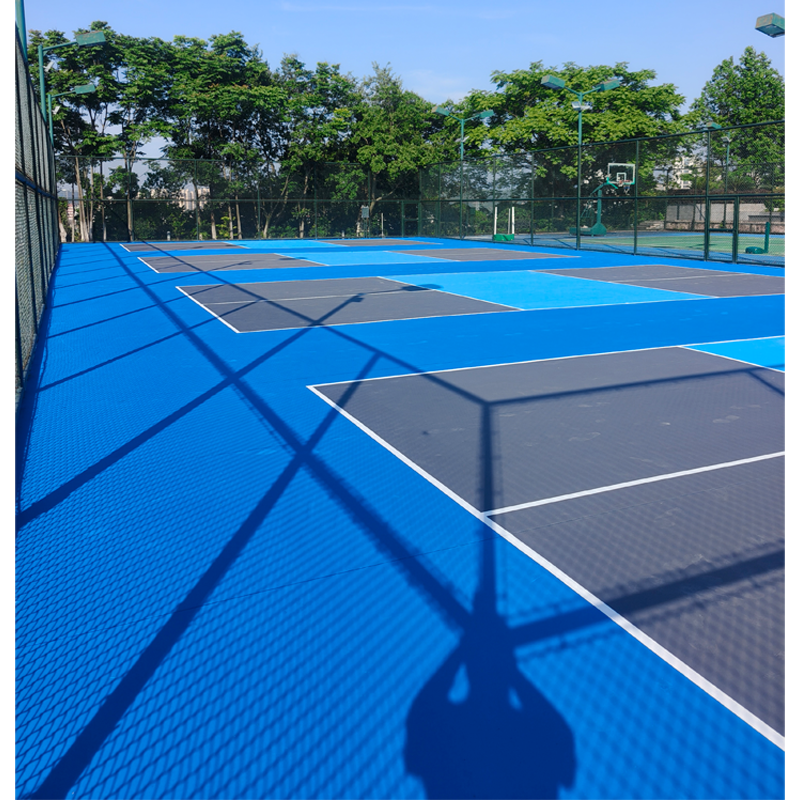
Introduction to Rollable Pickleball Courts
Rising global demand for pickleball products
Pickleball is exploding. From the suburbs of the United States to the bustling cities of Europe and Asia, the sound of paddles popping against perforated balls has become unmistakable. Once seen as a leisurely pastime for retirees, pickleball has evolved into a competitive, inclusive, and wildly popular sport across all age groups. Major brands, distributors, and facility operators are all feeling the heat to keep pace with skyrocketing participation numbers. This demand is spilling over into equipment, accessories, and — crucially — court infrastructure. What makes this surge particularly unique is its speed and scale. Unlike many sports that grow organically over decades, pickleball has experienced exponential adoption in just a few years. And with that rapid growth comes a pressing need for solutions that are fast to install, easy to transport, and built to last. Enter the rollable pickleball court: a flexible, modern answer to a global infrastructure challenge.
Why flexibility is redefining sports infrastructure
Traditional court construction has always been a time-consuming and expensive endeavor (on-site pouring). Permanent concrete courts require land, permits, heavy labor, and ongoing maintenance — not to mention the immobility that locks operators into a single location. In today’s hyper-agile sports environment, where brands need to seize opportunities as they arise, flexibility has become the name of the game. A rollable pickleball court isn’t tied down to one place. It can adapt to changing seasons, new partnerships, or fast-growing communities. This kind of mobility not only lowers barriers to entry but also gives procurement professionals the strategic advantage of being able to meet demand where it’s highest, not just where the infrastructure exists. That shift is reshaping how sports businesses think about investment, scalability, and speed to market.
How rollable courts open new business opportunities
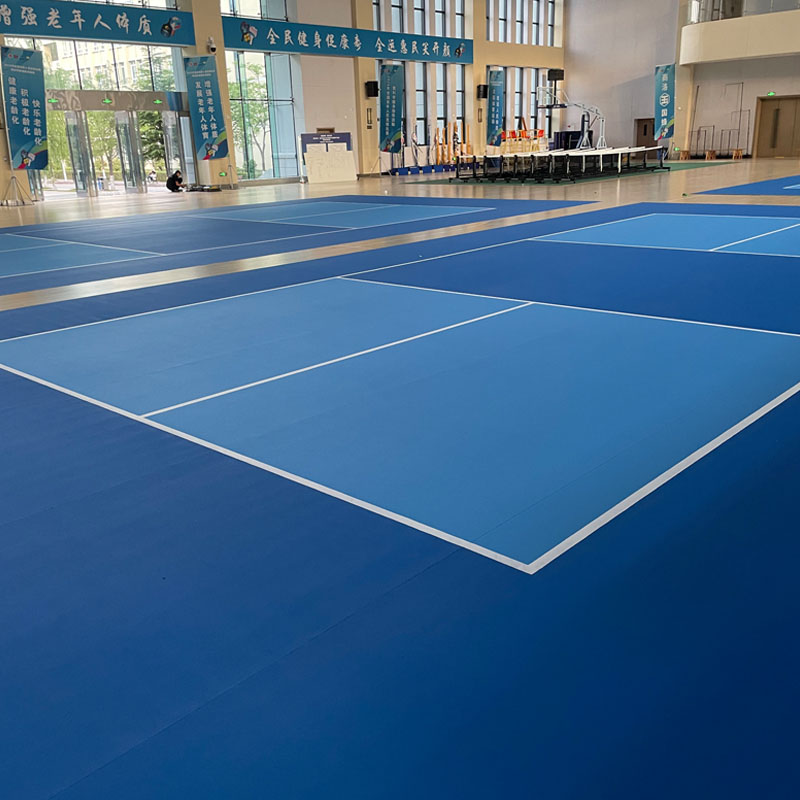
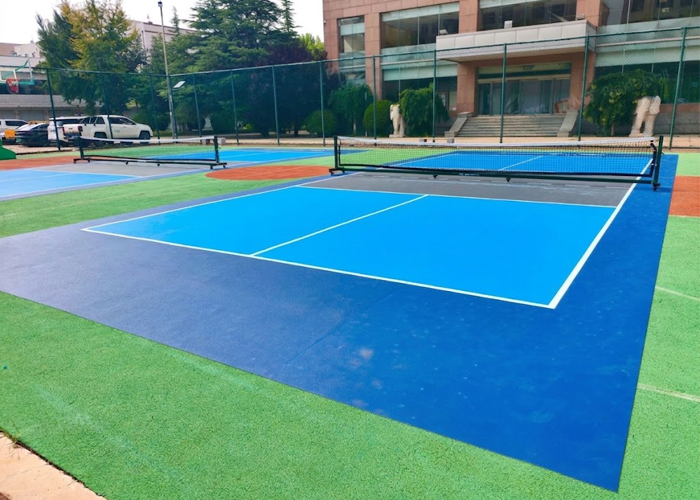
The beauty of a rollable court lies in its versatility. Imagine being able to transform a gymnasium, warehouse, parking lot, rooftop, or convention hall into a regulation-size pickleball court in only two hours. This kind of adaptability empowers brands to host pop-up events, tournaments, corporate activations, or test markets with minimal risk and maximum exposure. For procurement leaders, that translates to fresh revenue streams. New venue partnerships, franchise models, and sponsorship activations become far more feasible when the court itself is mobile. It’s not just a playing surface; it’s a scalable business asset that can unlock entirely new market segments.
Understanding the Rollable Pickleball Court Concept
What makes a court “rollable”
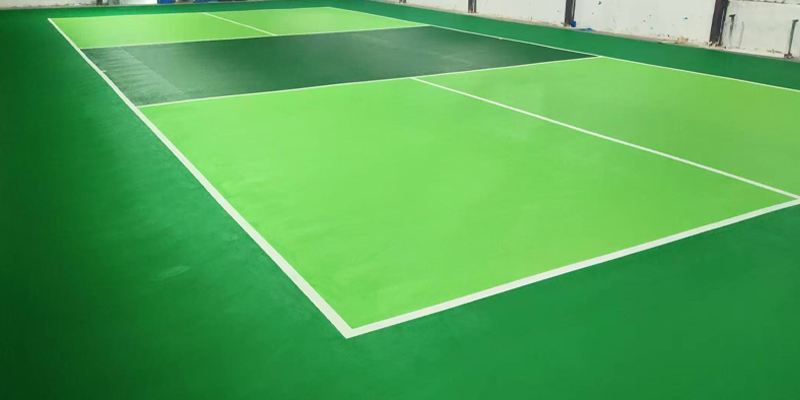
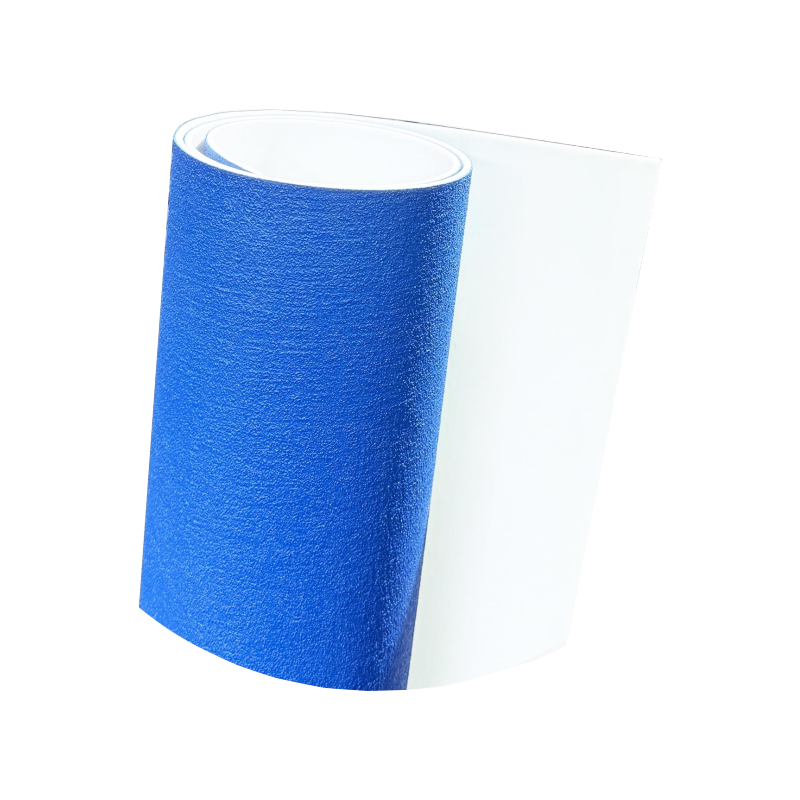
At its core, a rollable pickleball court is a full-sized, professional-grade playing surface engineered to be portable. Instead of fixed concrete or asphalt, the surface is manufactured in flexible rolls that can be laid down and secured quickly on a level substrate. When not in use, the entire system can be rolled up, transported, and redeployed elsewhere. The key isn’t just the portability — it’s the play quality. A well-designed rollable court preserves the bounce, grip, and overall “feel” of a traditional court, ensuring players experience consistent performance whether they’re playing at a permanent facility or a temporary event. It’s an elegant blend of engineering precision and practical functionality.
Key materials and construction technology
The construction typically involves a durable PVC or rubberized base layer, which gives the court stability and cushioning. On top of that sits a factory-applied acrylic finish that mirrors the playing characteristics of permanent outdoor courts. Advanced manufacturing processes ensure the layers bond seamlessly, maintaining structural integrity even after repeated rolling and unrolling. This sophisticated technology isn’t just about looks — it’s about longevity. Rollable courts are designed to withstand intense use, frequent transport, and varying environmental conditions. Anti-slip coatings, UV resistance, and moisture protection further enhance their durability, making them a smart investment for facilities and brands alike.
How it differs from traditional permanent courts
Permanent courts are, by definition, fixed. They require months of planning, construction, and significant capital outlay. If the market shifts or usage patterns change, those courts can quickly turn from assets into liabilities. Rollable courts, in contrast, are agile. They can be deployed or stored at will, keeping operational overhead flexible. The installation process is dramatically simplified as well. Instead of heavy machinery, concrete pouring, and resurfacing, rollable courts need only a clean, level surface. That means faster turnaround times, lower costs, and minimal disruption — all while delivering a premium playing experience.
Market Trends Driving Pickleball Growth
Rapid participation growth across North America, Europe, and Asia
Pickleball’s rise is a textbook case of modern sports adoption. North America continues to lead the charge, with millions of players flocking to the game each year. But the movement has gained serious traction in Europe and Asia as well, fueled by international tournaments, celebrity endorsements, and community-driven growth initiatives. What makes this wave so compelling is its demographic diversity. Youth programs, corporate leagues, senior recreation, and pro-level competition all intersect under the pickleball umbrella. This broad appeal has created a global market hungry for scalable infrastructure solutions that can keep pace with participation rates.
Expansion into schools, clubs, and community centers
Educational institutions and community centers have emerged as major drivers of pickleball’s spread. Schools see it as an easy-to-learn, inclusive sport that fits neatly into existing physical education programs. Community centers and private clubs appreciate its relatively low space requirements compared to tennis or basketball. For these operators, permanent courts can be cost-prohibitive. Rollable courts provide a solution that doesn’t require breaking ground. They can convert multipurpose spaces into fully playable venues and back again with minimal effort. This flexibility has proven to be a decisive factor in accelerating pickleball adoption.
Increasing demand for portable and multi-use solutions
Modern sports infrastructure is shifting toward modular, adaptable, and portable solutions. Facility operators no longer want to commit to single-purpose spaces. They want agility — the ability to pivot quickly between sports and events without major capital investment. Rollable courts fit perfectly into this model. They empower operators to host pickleball one day and another activity the next. This multi-use versatility translates into higher space utilization, greater revenue, and better return on investment.
Why Rollable Pickleball Courts Attract Buyers
Quick installation and relocation benefits
One of the biggest selling points of rollable courts is the time factor. In an industry where speed to market often determines who wins the race, being able to install a full court in a single day is a massive advantage. There’s no waiting for concrete to cure or paint to dry — it’s roll out, set up, and play. Relocation is equally straightforward. The same court can serve multiple locations over time, which is a game-changer for event organizers, clubs, and franchise operators. That mobility not only saves time but also maximizes asset utilization.
Lower initial investment compared to permanent structures
Capital expenditure can be a make-or-break consideration for new projects. Permanent court construction involves not only the building costs but also land acquisition, permits, and maintenance. Rollable courts eliminate much of that burden, providing a cost-effective pathway to market entry. This lower investment threshold opens the door for smaller operators, entrepreneurs, and new brands to enter the pickleball space. For established brands, it allows for faster expansion and market testing without tying up large amounts of capital in fixed infrastructure.
Ideal for temporary events, pop-up venues, and tournaments
Pickleball thrives on community engagement and event culture. Tournaments, showcases, and brand activations can pop up in unexpected places — from parking decks to corporate lobbies. Rollable courts make that possible. They can be set up for a weekend event and gone by Monday morning, leaving no trace behind. This event-ready nature has major implications for brand visibility. Sponsors and organizers can bring the game directly to audiences instead of waiting for them to come to fixed facilities. It’s a smart way to accelerate awareness and engagement.
Customization Opportunities for Global Brands
Customizable design options for different markets
Every region has its own flavor, and customization is key to resonating with local audiences. Rollable courts offer a wide spectrum of color palettes, surface textures, and configurations to suit different market preferences. Brands can adapt their designs to align with local culture, seasonal promotions, or special events. This level of flexibility gives procurement teams more control over branding strategies, helping to differentiate products in competitive markets. A well-designed court doesn’t just host games — it tells a story.
Branding and private labeling strategies
Rollable courts provide a prime surface for private labeling and co-branding campaigns. Logos, slogans, and visual elements can be seamlessly integrated into the court design, turning every match into a brand experience. This transforms the court from a neutral space into a powerful marketing platform. Whether it’s a local club or a global distributor, the ability to own the visual identity of a product line creates lasting brand equity. And since these courts travel, the branding travels with them, amplifying exposure at every location.
Partnering with reliable Chinese manufacturers
China remains a global hub for OEM and ODM production, offering cost advantages and robust manufacturing capacity. Partnering with reputable manufacturers ensures that brands receive consistent quality, competitive pricing, and scalable production. Such partnerships allow procurement professionals to move quickly and confidently into new markets without shouldering heavy production burdens themselves. The result is a leaner, faster, and more competitive business model.
Logistics, Storage, and Operational Advantages
Compact storage and easy transportation
Unlike rigid modular tiles or permanent courts, rollable courts are designed with mobility in mind. When not in use, they roll up into compact, manageable sizes that fit neatly into storage racks or shipping containers. This makes them ideal for operators managing multiple venues or event schedules. The ease of transportation reduces the logistical friction that often comes with infrastructure-heavy products. This simplicity translates to faster deployment and more agile operations.
Reduced warehousing and shipping costs
Storage and shipping can quietly eat into margins. Rollable courts minimize those costs by occupying less space and weighing significantly less than traditional alternatives. Whether shipped across a city or an ocean, this efficiency has a direct impact on the bottom line. Brands can store larger inventories in less space, respond faster to orders, and reduce freight costs — all key factors in scaling successfully in a fast-moving global market.
Streamlined installation for minimal downtime
Downtime is revenue lost. With rollable courts, installation and teardown are streamlined, often requiring just a small crew and minimal tools. That allows operators to transition quickly between activities, maximizing the use of their facilities. This operational agility gives venues more scheduling flexibility and boosts utilization rates. For event organizers and clubs alike, that means more games, more players, and more revenue.
Competitive Edge in a Growing Market
Speed to market with flexible product lines
In a market that’s expanding at lightning speed, being first often beats being perfect. Rollable courts enable brands to launch new offerings, test new regions, and establish presence before competitors even break ground on their permanent facilities. This speed to market gives brands a powerful strategic edge, allowing them to seize high-demand opportunities and cement their position as innovators.
Capturing new customer segments and distributors
The affordability and mobility of rollable courts attract a broad spectrum of buyers — from schools and municipalities to commercial sports operators and distributors. Many of these buyers may not have been able to invest in permanent infrastructure, but now they can. This opens up new B2B channels and strengthens distributor relationships. By offering a versatile product, brands position themselves to capture market share that others overlook.
Building brand value through innovation
Innovation drives growth, and in pickleball’s booming landscape, brands that innovate stand out. Rollable courts embody this spirit, solving real-world problems with practical, elegant solutions. That innovation builds credibility, loyalty, and recognition. Over time, this reputation compounds, setting the stage for expansion into other product lines and adjacent markets. Innovation isn’t just about staying ahead — it’s about setting the pace.
Future Outlook and Business Strategy
Long-term demand forecasts for portable sports courts
Analysts project sustained growth in the portable sports infrastructure sector over the next decade. As pickleball cements its place as a mainstream sport, portable courts will play a central role in supporting that expansion. They will be particularly crucial in emerging markets where land availability and budgets are more constrained. This growth trajectory makes rollable courts not just a product but a strategic asset in the long-term business plans of forward-thinking brands.
Integrating rollable courts into product portfolios
For brands already active in the sports equipment sector, integrating rollable courts is a natural next step. It complements paddles, balls, nets, and accessories, creating a holistic product ecosystem. This portfolio approach makes brands more attractive to distributors and procurement teams seeking turnkey solutions. It also allows for upselling, cross-promotions, and bundled packages, increasing revenue per customer and deepening relationships with buyers.
Action steps for procurement and brand decision-makers
Procurement professionals can act now by evaluating manufacturing partners, exploring customization options, and assessing logistics capabilities. Early movers will secure favorable supply chains, brand visibility, and distributor loyalty ahead of the competition. Strategically, it’s about aligning product agility with market momentum. Those who invest wisely today will be the ones setting the pace tomorrow in the global pickleball landscape.
Related Posts
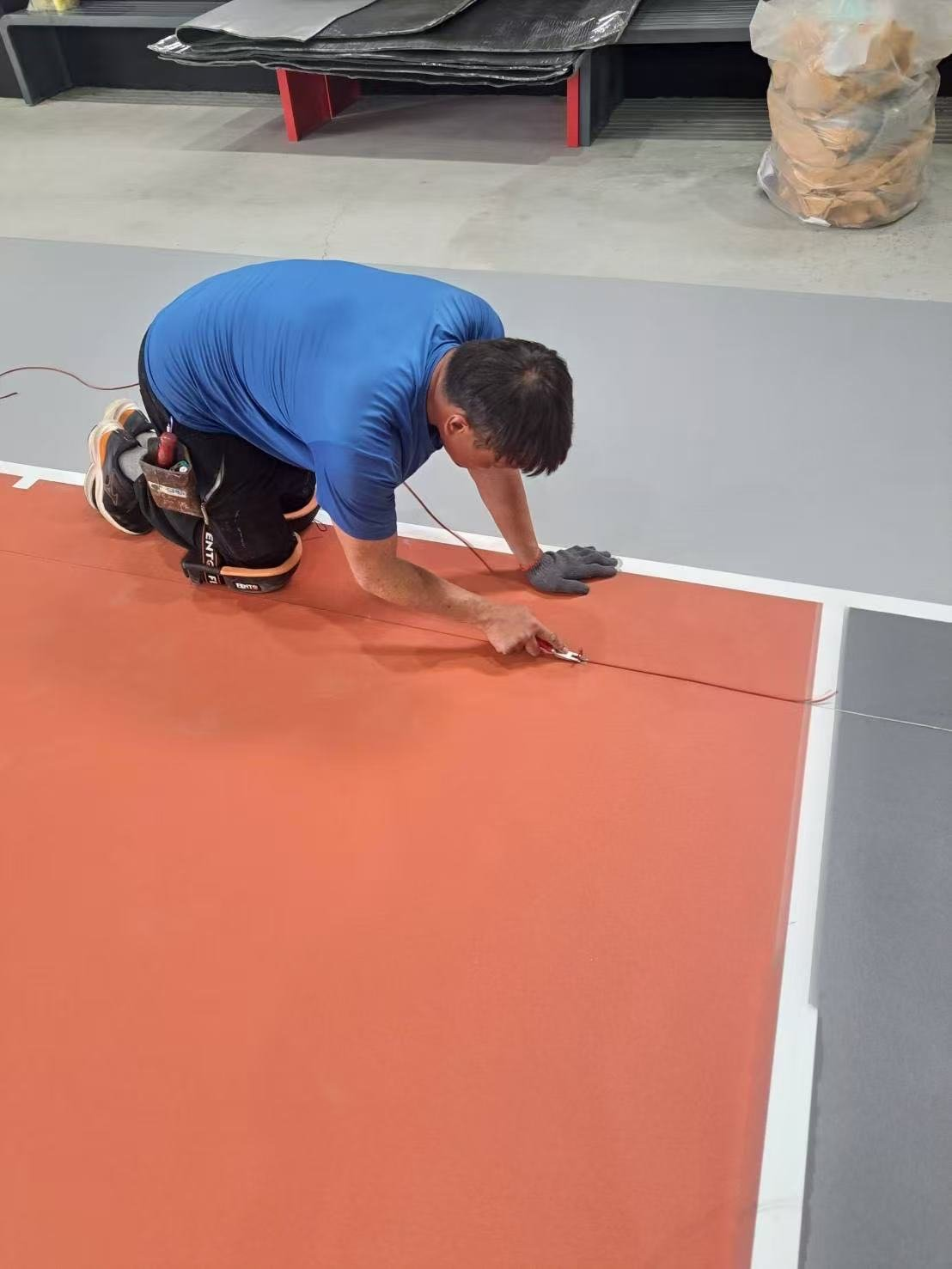
How to Install Roll-Out Pickleball Court Flooring
Cushioned Pickleball Courts: Sourcing Guide for Global Brands
Outdoor Pickleball Court Flooring: 5 Sourcing Tips