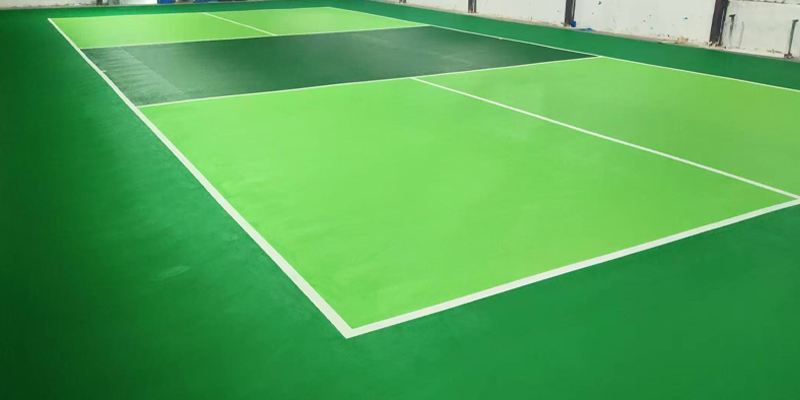
Table of Contents
Categories

KOLISTI Team
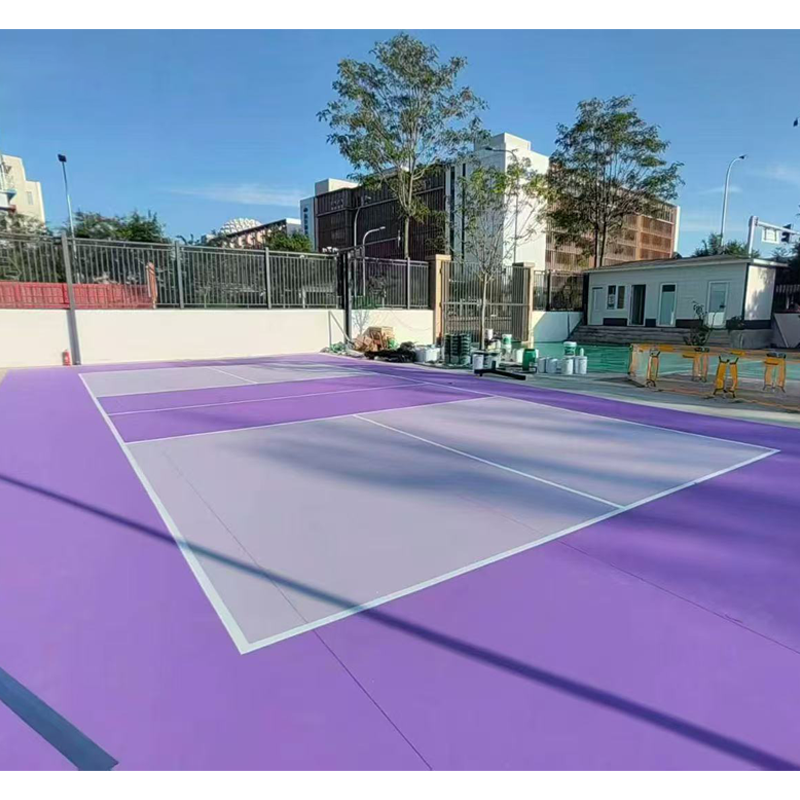
Introduction: The Rising Demand for Pickleball Outdoor Courts
Global popularity of pickleball and its market impact
Pickleball is generally becoming a full-blown global sensation, blending the accessibility of ping pong with the energy of tennis. From suburban neighborhoods in the U.S. to bustling parks across Asia, courts are popping up faster than new coffee chains. This explosion in participation has led to surging demand for outdoor court solutions, with brands now scrambling to capture their share of a market that shows no signs of slowing down.
Growth of outdoor recreation and brand opportunities
As lifestyles shift toward outdoor wellness and social play, brands in the sports and leisure sector are seeing major growth potential. Procurement professionals are recognizing that pickleball’s charm lies in its simplicity—minimal gear, modest space, and maximum fun. This convergence of recreation and convenience makes pickleball an ideal category for private label expansion, especially for companies seeking to diversify their outdoor product portfolios.
Why private label expansion matters now
Private label growth isn’t just a trend—it’s a strategic move. Retailers and sports brands are discovering that controlling design, pricing, and brand experience yields higher margins and stronger customer loyalty. With innovative products like prefabricated acrylic pickleball court flooring leading the way, private labels can now offer high-performance solutions without massive R&D investments.
Understanding the Pickleball Outdoor Court Market
Key market segments: residential, commercial, and community spaces
Residential buyers want compact, easy-to-install courts for backyards or driveways. Commercial operators—resorts, clubs, and developers—prioritize durability and visual appeal. Meanwhile, municipalities and community centers demand cost-efficient, low-maintenance courts to support local recreation programs. Each segment presents unique procurement considerations that shape product design and pricing strategies.
Emerging markets and regional opportunities
While the U.S. leads in participation, markets in Europe, Southeast Asia, and the Middle East are quickly catching the pickleball fever. Urban developers and hospitality brands in these regions are investing in outdoor recreation as a draw for tourism and community engagement. Forward-thinking brands are leveraging OEM and ODM partnerships to enter these markets with localized designs and climate-optimized materials.
Factors driving buyer decisions in 2025
In 2025, buyers are prioritizing sustainability, durability, and aesthetic appeal. Quick installation, weather resistance, and eco-friendly materials are now must-haves rather than bonuses. Procurement specialists also seek suppliers who can deliver consistent quality at scale—making manufacturing expertise and transparency decisive factors in vendor selection.
The Role of OEM/ODM Partnerships in Private Label Success
Defining OEM vs. ODM for brand procurement teams
An OEM (Original Equipment Manufacturer) builds products based on your specifications, while an ODM (Original Design Manufacturer) provides ready-to-brand solutions. OEM is ideal for established brands with unique requirements, while ODM offers speed and convenience for those entering new markets. Understanding these models helps procurement professionals align their strategy with time-to-market goals.
Benefits of partnering with a Chinese manufacturer
China remains the global hub for sports infrastructure manufacturing, thanks to its advanced production facilities and scalable capabilities. Partnering with a trusted Chinese OEM or ODM ensures cost efficiency without compromising on quality. With the right partner, brands gain access to cutting-edge materials, precise fabrication methods, and logistics expertise that supports seamless global distribution.
How OEM/ODM collaboration accelerates product launch
Through OEM/ODM partnerships, brands can bypass lengthy product development cycles. Manufacturers provide prototypes, performance testing, and customization within shorter timelines. This synergy enables procurement teams to move from concept to launch in record time—ideal for capturing momentum in the fast-evolving pickleball market.
Materials and Manufacturing for Durable Outdoor Courts
Choosing the right surface materials for weather resistance
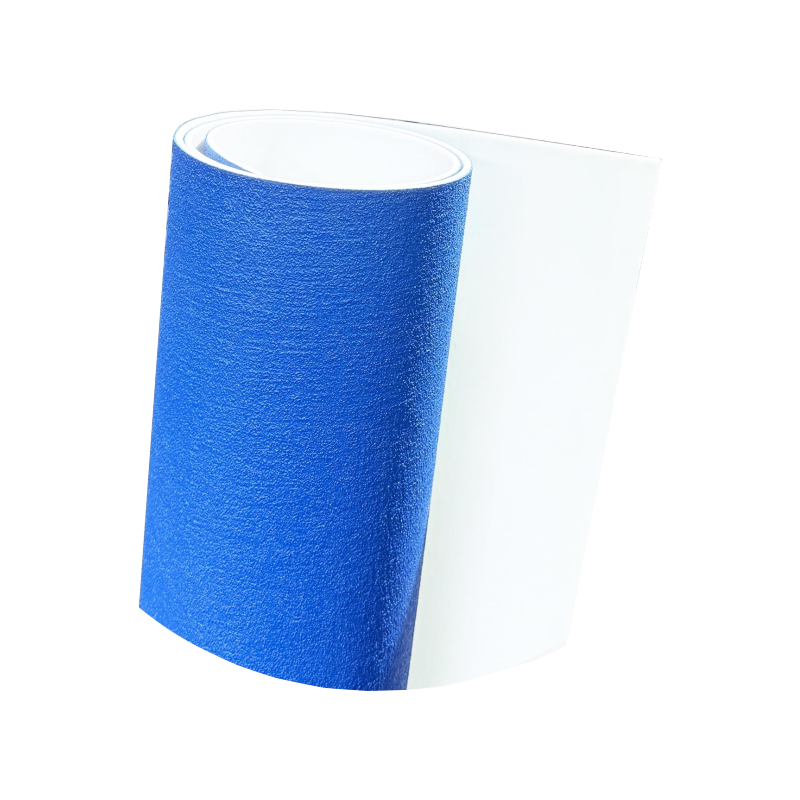
The surface of a pickleball court must endure heat, rain, and constant play without warping or cracking. High-quality acrylic coatings and advanced polymer blends provide superior UV resistance and slip control. Our prefabricated acrylic pickleball court flooring is engineered for long-term outdoor use, offering consistent bounce and easy maintenance across diverse climates.
Sustainable and recyclable material innovations
Eco-conscious buyers are increasingly drawn to materials that minimize environmental impact. Recyclable acrylic and modular subfloor systems allow for efficient reuse and lower carbon emissions during production. Manufacturers adopting green practices not only meet regulatory demands but also enhance brand reputation among sustainability-driven consumers.
Quality control standards for long-term performance
Every batch of flooring should undergo rigorous tensile, abrasion, and color retention testing. Strict QC protocols ensure that surfaces maintain integrity through thousands of matches. Brands that integrate certified quality processes into their supply chain can confidently deliver performance courts that outlast competitors.
Customization and Branding Opportunities
Tailoring court design, color, and layout for brand identity
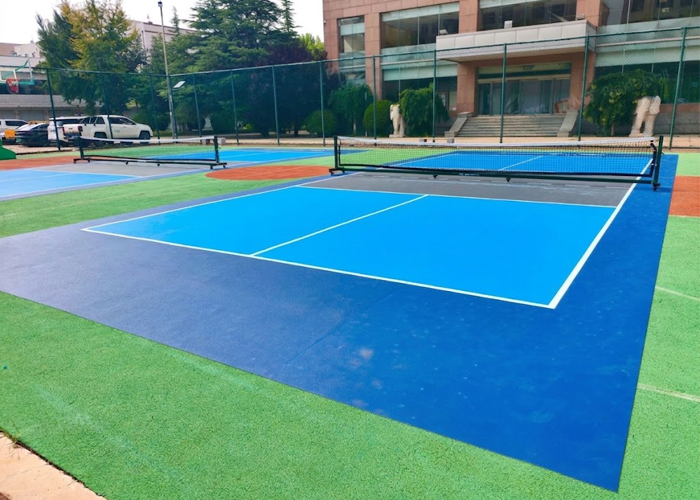
Private labels thrive on distinctiveness. Offering customizable court colors, boundary line designs, and layout configurations allows brands to reflect their unique identity. Our modular systems make it easy to match a corporate palette or create visually striking courts that stand out in resorts, clubs, or retail displays.
Integrating logos and visual elements into court surfaces
With precision printing and UV-stable coatings, brand logos can be embedded directly into the acrylic surface. This not only strengthens recognition but also turns the court itself into a branding tool. Creative design integration transforms standard surfaces into marketing assets, especially for hospitality and promotional events.
Packaging and marketing assets for private label success
Beyond the court, thoughtful packaging and visual presentation play a vital role. Ready-to-brand manuals, installation guides, and promotional imagery help distributors accelerate sales. Providing end-to-end marketing support ensures consistency from production to the point of sale.
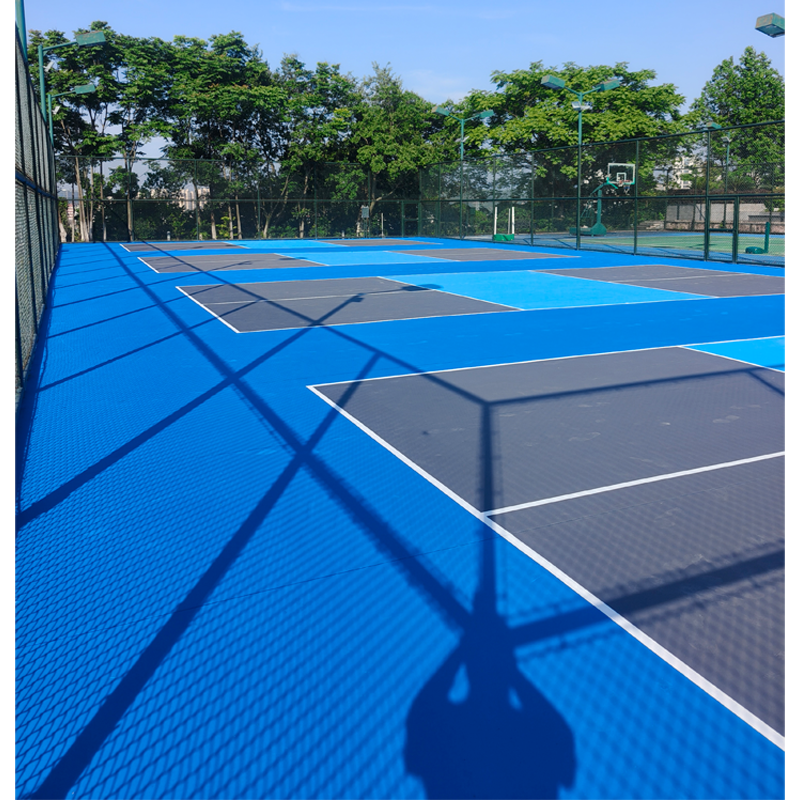
Supply Chain Optimization and Cost Efficiency
Streamlining production and logistics with reliable partners
Working with manufacturers offering full-service production and logistics management eliminates common procurement headaches. Centralized operations—from raw materials to finished court modules—enhance traceability and reduce lead times. This efficiency translates into lower costs and higher responsiveness to market demand.
Balancing cost, quality, and lead time
Finding equilibrium between affordability and reliability remains a core challenge. Bulk material sourcing, lean manufacturing, and flexible production schedules allow brands to optimize margins without compromising quality. The most successful private labels rely on data-driven forecasting and supplier transparency to maintain this balance.
Mitigating risks through transparent supply management
Supply chain volatility can derail even the best product plans. Implementing digital tracking, multi-source strategies, and open communication channels mitigates disruptions. A transparent relationship between brand and manufacturer builds trust, ensuring that every order meets timelines and specifications.
Compliance, Safety, and Industry Standards
Meeting international certification requirements
Compliance with ISO, ASTM, and environmental standards is essential for market access. Certified materials and documented testing assure buyers of consistency and safety. Brands that proactively meet these benchmarks position themselves as reliable and globally competitive partners. KOLISTI’s prefabricated acrylic pickleball court flooring is ITF (International Tennis Federation) certified. Therefore, absolutely no need to worry about the quality and reliability.
Testing and inspection processes for outdoor court products
Third-party audits and in-factory inspections validate structural integrity, surface grip, and visual accuracy. Using digital testing data enhances accountability and repeatability. Quality assurance becomes not just a process but a selling point for professional procurement teams.
Ensuring ethical and sustainable manufacturing practices
Buyers today care not only about the product but how it’s made. Manufacturers adhering to ethical labor standards and sustainable production methods create long-term value. Aligning with such partners ensures compliance with global ESG expectations while reinforcing brand credibility.
Trends Shaping the Future of Pickleball Court Manufacturing
Technological advances in modular court design
Prefabricated and modular court systems are redefining installation convenience. These designs allow rapid assembly with minimal tools and can be relocated or expanded as needed. Our prefabricated acrylic pickleball court flooring exemplifies this innovation—delivering precision-engineered panels that fit together seamlessly, reducing setup time dramatically.
Smart surfaces and performance tracking integration
The next frontier involves integrating smart sensors into court flooring to analyze ball speed, movement, and usage patterns. Such data empowers facility managers and brands to offer advanced training features. Smart surfaces represent a bridge between sports and technology that enhances the user experience while gathering valuable analytics.
Market shifts toward eco-friendly production
Eco-driven procurement is no longer optional—it’s a business imperative. Manufacturers are shifting to water-based coatings, solar-powered plants, and recyclable packaging. These practices not only lower environmental impact but also appeal to environmentally conscious consumers and institutional buyers.
Case Studies: Successful Private Label Pickleball Court Brands
Example of a global brand partnership with an OEM supplier
A major North American sports brand recently collaborated with a Chinese OEM to produce custom outdoor courts for its retail partners. By utilizing prefabricated acrylic flooring, the brand achieved rapid deployment across multiple regions. The partnership yielded lower costs, faster turnaround, and a distinctive market edge.
How custom design drove brand differentiation
Another success story came from a boutique wellness chain that integrated its pastel color palette and logo directly into the court design. This visual identity reinforced brand cohesion across locations, creating Instagram-worthy spaces that drew attention and engagement. Customization became their signature advantage.
Lessons learned from rapid market expansion
Rapid growth requires agility. Brands that scaled successfully focused on modular designs, flexible logistics, and strong OEM communication. The lesson is clear: success in private label pickleball products stems from adaptability and a proactive approach to manufacturing collaboration.
Conclusion: Building Scalable Private Label Growth
Aligning procurement strategy with market trends
Procurement professionals must align their sourcing strategy with the pulse of market demand—sustainability, customization, and speed-to-market. By selecting innovative solutions like prefabricated acrylic pickleball court flooring, brands can meet these evolving expectations head-on.
Key takeaways for brand procurement professionals
The most competitive private labels leverage OEM/ODM expertise, sustainable materials, and agile logistics. They view their suppliers not as vendors, but as strategic allies in long-term growth. These alliances form the foundation for consistent quality and enduring brand equity.
Next steps to establish a long-term manufacturing partnership
Identify partners with proven manufacturing excellence, transparent communication, and scalable production capabilities. Invest in relationships that offer co-development opportunities and continuous improvement. With the right partnership, private label brands can turn the pickleball boom into a lasting legacy of performance and profitability.
Related Posts
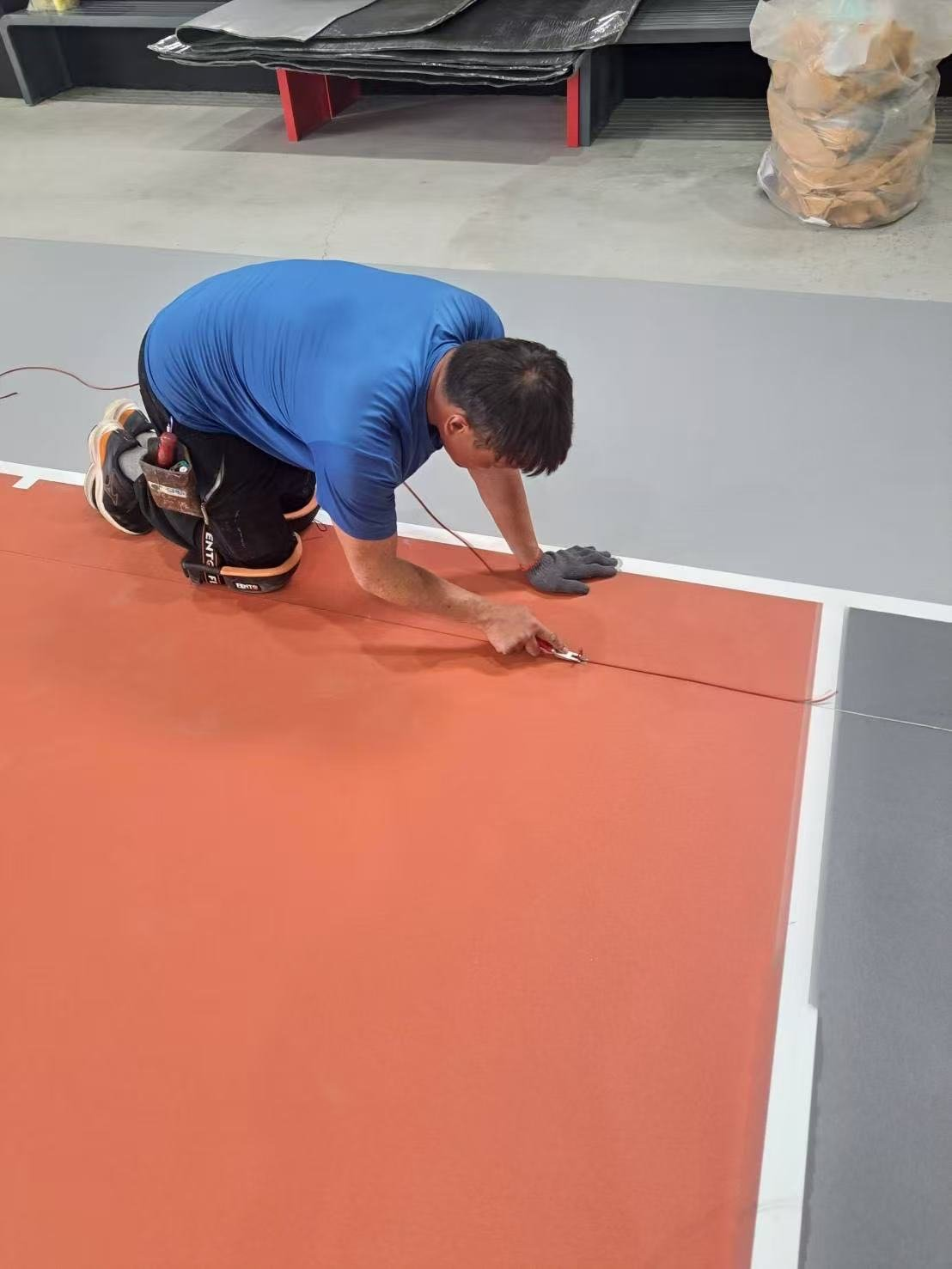
How to Install Roll-Out Pickleball Court Flooring
Cushioned Pickleball Courts: Sourcing Guide for Global Brands
Outdoor Pickleball Court Flooring: 5 Sourcing Tips