Table of Contents
Categories

KOLISTI Team
1. Introduction to Wooden Pickleball Paddles
Why Wooden Paddles Remain Relevant Today
Wooden paddles have stood the test of time, and there’s good reason for it. While newer materials like carbon fiber and fiberglass get all the flashy headlines, wood offers something no synthetic can quite replicate—pure, unfiltered connection to the ball. For teaching environments and grassroots pickleball growth, the humble wooden paddle is still a go-to solution for reliability, cost, and foundational skill-building.
How First-Time Players Benefit from Wood Construction
First-timers don’t need bells and whistles—they need consistency, forgiveness, and a tool that won’t break the bank. Wooden paddles deliver a familiar, predictable feel, letting beginners focus on mechanics without compensating for paddle-induced quirks. Plus, the solid mass of a wooden face helps reinforce basic form by offering instant tactile feedback on off-center hits.
Overview of the Article Focus
This article unpacks why wooden paddles remain essential in the entry-level market, particularly for procurement professionals looking to build sustainable beginner-focused product lines. We’ll explore everything from specs and materials to branding opportunities and sourcing considerations. If you’re looking to bring in a foundational paddle that supports learning and scales easily in volume, you’re in the right place.
2. What Makes a Paddle Ideal for Beginners
Importance of Control Over Power
Beginners thrive on control, not raw power. Too much punch off the face of a paddle can send balls flying into the net—or the next court over. Wooden paddles have a naturally muted rebound, giving new players a fighting chance to keep the ball in play and develop proper swing mechanics.
Weight and Handling Characteristics
A well-balanced wooden paddle typically sits in the heavier category, which helps stabilize the hand and reduce over-swinging. That extra weight, though sometimes scoffed at, acts like training wheels for form and timing. It also helps absorb impact vibrations, making the learning curve more comfortable.
Learning Curve Considerations
No first-time player wants to be bogged down by overly technical gear. Wooden paddles simplify the experience, allowing users to focus on rules, footwork, and ball tracking. For brand procurement pros, this simplicity translates to fewer returns and stronger user satisfaction right out of the box.
3. Core Benefits of Wooden Pickleball Paddles
Durability and Resistance to Damage
Wooden paddles can take a beating—literally. Whether it’s driveway court scrapes, beginner mishits, or kids dragging them across concrete, wooden paddles laugh in the face of abuse. Their dense structure resists cracking and delamination, unlike composite faces prone to edge fraying.
Affordability for Entry-Level Players
When it comes to cost-efficiency, wooden paddles knock it out of the park. For less than half the price of most composite options, they provide a viable entry point for new players and institutional buyers alike. For large-scale purchases like summer camps or school leagues, the budget-friendliness is unbeatable.
Simple Performance Profile for Skill Development
Wood doesn’t mask mistakes—it teaches you from them. That’s why coaches love them for fundamentals. The straightforward performance profile gives players clear feedback with every hit, helping to build proper form faster than more forgiving paddles might allow.
4. Materials and Construction of Wooden Paddles
Types of Wood Commonly Used
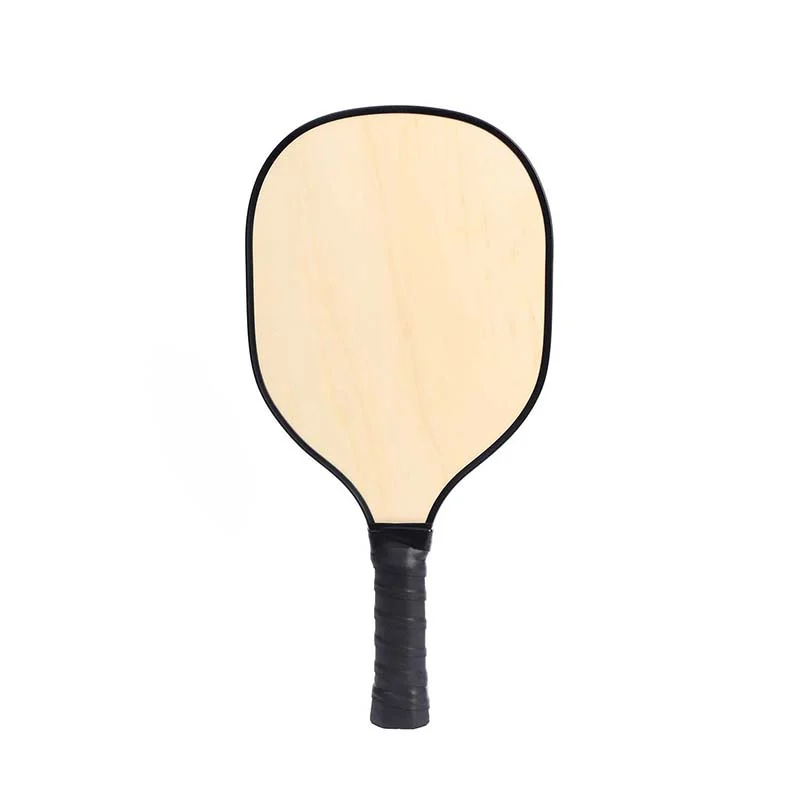
Birch, maple, and basswood are industry favorites for a reason. These hardwoods balance density with workability, offering a solid hit without adding excessive weight. Each species brings a slightly different vibration dampening profile, giving manufacturers a range of feel and finish options.
Manufacturing Techniques for Balance and Strength
Precision lamination is key when crafting a high-quality wooden paddle. Multi-ply construction techniques enhance core stability while allowing for customized weight distribution. Laser-guided cutting ensures uniformity in shape and balance—critical for scaled production.
Finishing Treatments for Durability and Grip
Finishing isn’t just cosmetic—it’s functional. Polyurethane coatings protect against moisture and grime, while ergonomic handle wraps improve long-term grip retention. Anti-chip edging can also be added to reinforce high-impact zones without compromising feel.
5. Comparing Wooden vs. Composite Paddles
Cost-Performance Analysis
Wooden paddles shine in the bang-for-your-buck category. While composites may offer more nuanced performance at the pro level, they come with a price tag that beginners often can’t justify. For training, giveaways, and bulk sales, wood remains a savvy choice.
Skill Level Suitability
At early skill levels, wooden paddles are all you really need. They encourage form-first learning and delay the need for high-end upgrades. Once a player’s ready for more nuanced spin or lightweight handling, that’s when a composite might make sense.
Maintenance and Longevity
Composites can crack, warp, or delaminate under pressure, especially in unpredictable climates. Wooden paddles are more forgiving—less fuss, more play. With proper care, a wooden paddle can outlast several budget-tier composites.
6. Weight and Thickness Factors
Standard Weight Range for Wooden Paddles
Wooden paddles generally range from 9 to 12 ounces, sitting on the heavier side of the pickleball spectrum. That heft helps new players maintain paddle awareness and control during swing follow-throughs. It’s not about agility—it’s about learning mechanics.
How Thickness Affects Control and Feel
Thicker paddles reduce vibration and give a softer response off the face. For beginners, this enhances ball tracking and reduces sting on mishits. A thicker core can also help mask inconsistent strokes while players refine their form.
Balancing Paddle Specs for Beginner Needs
Ideal beginner paddles strike a middle ground—thick enough for comfort, light enough to maneuver. By tweaking ply counts and handle dimensions, OEMs can tailor paddles to meet specific beginner demands without compromising on strength.
7. Grip and Handle Comfort
Types of Grip Wraps Used on Wooden Paddles
Synthetic leather, EVA foam, and PU overwraps are common for beginner paddles. They offer decent moisture absorption and tactile feedback. These materials are also cost-effective for large-volume runs.
Handle Shape and Length Preferences
Rounded handles fit smaller hands better, while squared edges provide more control for adult players. Entry-level paddles often stick with standard 5-inch handles, providing a versatile grip length for all ages.
Custom Grip Options for Bulk Orders
OEM production allows for fully custom grip textures, lengths, and wrap materials. Whether it’s for kids, seniors, or corporate events, grips can be tailored for comfort and branding without jacking up costs.
8. Surface Texture and Finish
Smooth vs. Textured Paddle Faces
Wooden paddles traditionally sport smooth faces, which limit spin but maximize control. Some models add a micro-texture or grip-coat to slightly improve ball manipulation. Smooth finishes are ideal for consistency-focused beginners.
How Finish Affects Ball Control
Glossy finishes reduce friction, while matte coatings enhance grip. Either way, beginners benefit most from predictable ball response—something wood provides without fuss. Proper finishing also minimizes wood grain expansion from sweat or humidity.
Non-Slip Coatings and Player Confidence
Adding non-slip coatings to the handle or face ensures beginners feel in control during long rallies. Confidence is everything when learning, and a paddle that stays put in sweaty hands goes a long way.
9. Branding Potential for Wooden Paddles
Large Printable Surface Area
Wooden paddles have a generous face for logos, slogans, or educational graphics. Laser etching and UV-printing are both compatible with wood, offering long-lasting branding that pops. Perfect for giveaways or club-level merchandising.
Logo Placement Options
Top-center, bottom-face, and even handle branding are all viable zones. Custom die-cut shapes can further elevate brand identity, especially for marketing-focused campaigns.
Color Schemes and Finish Customizations
From natural woodgrain to full-color printed faces, wooden paddles offer vast aesthetic flexibility. OEM clients can specify paint types, decals, and edge treatments to stand out in a crowded marketplace.
10. Ideal Use Cases for Wooden Paddles
School and Recreational Programs
Wooden paddles are perfect for phys-ed classes and community centers. Their durability withstands repeated use by students of all ages. Schools love them for their affordability and ease of storage.
Corporate Giveaways and Promotional Kits
Looking for a branded gift that’s actually used? Wooden paddles are unique, sport-forward promo items that turn heads and start conversations. They pair well with beginner balls and instructional flyers in custom kits.
Club-Level Training Sessions
Many clubs use wood for their intro clinics and evaluation sessions. It equalizes the playing field and helps coaches assess raw skills without paddle tech getting in the way.
11. Common Myths About Wooden Paddles
Misconceptions Around Weight and Playability
Some say wooden paddles are too heavy, but with today’s manufacturing improvements, they’re much more manageable. Strategic weight distribution and hollow-core designs can lighten the load. It’s not your grandpa’s clunky paddle anymore.
Performance Myths Versus Real-World Use
People underestimate how playable wooden paddles really are. For casual and beginner settings, their performance is more than sufficient. Many experienced players even use them for warmups or challenges to hone accuracy.
Why Wood Isn't Outdated for Beginners
The truth is, wood works—especially when learning. Composite paddles might dominate headlines, but wooden paddles dominate in places where growth matters most: schools, camps, and first-time tournaments.
12. Environmental and Sustainability Aspects
Renewable Sourcing of Paddle Wood
Most paddle-grade woods are sustainably harvested from managed forests. Certifications like FSC ensure environmental responsibility at the sourcing level. Wood beats plastic when it comes to renewable origins.
Low-Waste Production Processes
Wooden paddle production is less reliant on petroleum-based materials. Trimmings and scrap can often be repurposed or recycled locally. CNC automation also cuts down on material waste during shaping.
Biodegradability Compared to Synthetics
Unlike polymer-based paddles, wooden models will eventually return to the earth. For eco-conscious buyers, that’s a powerful message—especially when paired with recyclable packaging and minimal plastic use.
13. OEM/ODM Customization Opportunities
Custom Specs for Paddle Shape and Balance
OEM clients can fine-tune paddle outlines, edge curvature, and ply orientation. This allows for region-specific product lines that resonate with local preferences.
Private Labeling and Packaging Options
Private labeling is a breeze with wooden paddles. Full-color box printing, custom bagging, and barcoding all help streamline retail rollout. Branding feels organic and authentic on a wooden canvas.
MOQ Flexibility for Different Markets
MOQs can be adjusted based on client type and delivery timelines. Whether you’re launching a small local brand or stocking big-box shelves, production can scale accordingly.
14. Bulk Manufacturing Considerations
Lead Times and Production Planning
Typical lead times for wooden paddles range from 30–45 days, depending on volume and customization. Efficient raw material procurement keeps timelines tight. Advance planning ensures you hit seasonal sales windows.
Quality Control Protocols
From ply bonding to surface coating, each paddle goes through multiple QC checkpoints. Warping, chipping, and handle slippage are tested before packaging. Consistency is critical in volume production.
Logistics and Shipping Efficiencies
Wooden paddles pack flat and stack well—critical for international shipping. Palletization and carton dimensions can be tailored to minimize freight costs. FOB and EXW terms are typically offered.
15. Target Markets for Wooden Paddles
Entry-Level Sporting Goods Retailers
Big-box chains and independent retailers both benefit from wooden paddle SKUs. They’re perfect for starter sets and bundle deals. Shelf presence is strong due to their distinct look and lower pricing.
Nonprofit Sports Development Programs
NGOs and development groups need affordable, durable gear to fuel participation. Wooden paddles deliver high utility without financial strain, helping spread pickleball worldwide.
Event-Based and Seasonal Sales Channels
Summer camps, corporate retreats, and event giveaways thrive on simple, branded paddles. These are turnkey products that offer real use—not just shelf decoration.
16. Choosing the Right Wooden Paddle Supplier
Evaluating Factory Capabilities
A capable supplier will offer full-stack production: from design to packaging. Look for certifications, machining capabilities, and past client success stories. Experience in high-volume woodwork is key.
Ensuring Material Traceability and Compliance
Traceable wood sourcing and REACH-compliant finishes ensure your paddle meets international safety standards. Full documentation should be available for audits and import requirements.
Importance of Communication and Design Support
Clear communication is half the battle. A responsive OEM partner can fast-track revisions, troubleshoot production issues, and ensure your vision comes to life.
17. Conclusion and Key Takeaways
Why Wooden Paddles Are Still Essential
In a world of fancy polymers and carbon hype, wood remains the trusted first step. Its simplicity, reliability, and affordability make it an essential gear option for learning the game the right way.
Summary of Features That Support Beginners
From balanced weight to no-fuss handling, wooden paddles are designed to guide—not overwhelm. Their performance profile is intentionally forgiving and skill-reinforcing.
Final Tips for Procurement Professionals
Choose a supplier with a proven track record, tailor specs to your audience, and don’t overlook the branding opportunities. When sourced smartly, wooden paddles can be the cornerstone of a winning entry-level product line.
Related Posts
How to Install Roll-Out Pickleball Court Flooring
Cushioned Pickleball Courts: Sourcing Guide for Global Brands
Outdoor Pickleball Court Flooring: 5 Sourcing Tips