 Skip to content
Table of Contents
Categories

Charles Wong
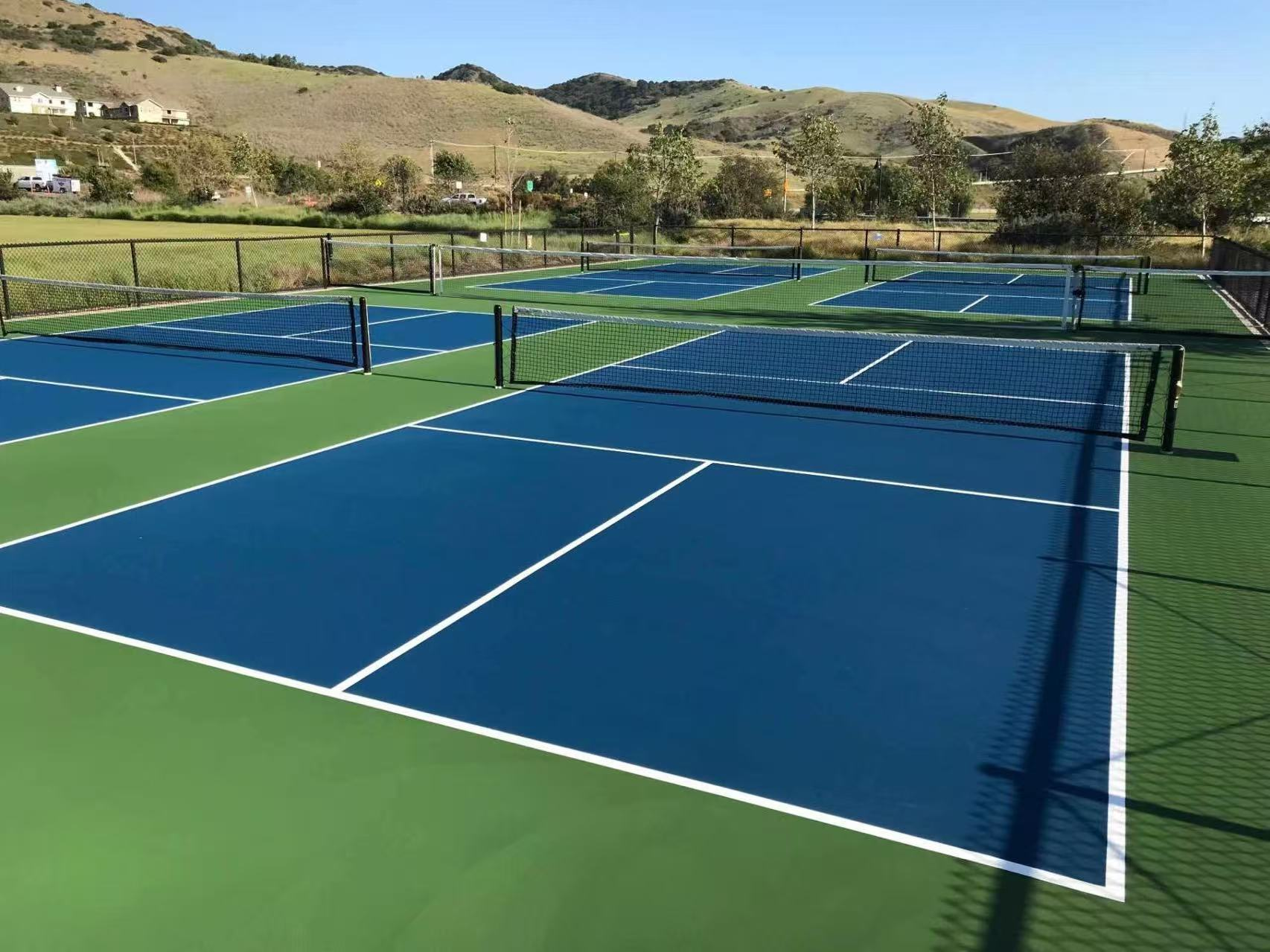
Understanding Acrylic Pickleball Court Durability Standards
Key Performance Indicators Procurement Teams Must Evaluate
Durability for an acrylic pickleball court cannot be judged by appearance alone; procurement teams must rely on quantifiable KPIs that reveal how the surface behaves under stress, abrasion, and long-term usage. The most critical indicators include tensile strength, surface hardness ratings, slip resistance coefficients, ball rebound uniformity, and weathering resistance scores—all of which help forecast lifecycle performance. When buyers analyze these KPIs with methodical comparison, they gain a clearer sense of which suppliers deliver consistently resilient flooring and which merely meet baseline requirements.
Global Sports Flooring Benchmarks Influencing Buyer Decisions
International standards such as ASTM, ITF, and ISO provide the backbone for objective evaluation, acting as universal benchmarks that keep suppliers honest and ensure courts perform predictably regardless of region. These frameworks articulate measurable expectations for friction ranges, shock absorption behavior, adhesion quality, and color fastness—parameters that procurement professionals depend on to avoid costly missteps. For global buyers managing multi-market distribution, aligning products with these standards minimizes compliance issues and smooths the pathway for consistent branding across diverse installation environments.
Why Durability Testing Matters for Long-Term Cost Control
In the pickleball world, durability is money—plain and simple—and ignoring proper testing is a fast track to spiraling maintenance costs and unhappy end users. When a surface begins to fade, crack, or lose traction prematurely, brands end up absorbing warranty claims, reputational damage, and replacement costs that could have been avoided with proper validation. Conducting comprehensive durability tests upfront protects operational budgets, ensures predictable replacement cycles, and strengthens customer satisfaction long after the installation is completed.
Core Material Properties That Determine Court Longevity
Acrylic Composition and How Formulations Affect Resilience
Not all acrylic blends are created equal; the ratio of binders, fillers, plasticizers, and pigments determines how effectively the court resists impact, UV, and environmental fatigue. High-quality formulations use premium emulsions with stable polymer chains that resist brittleness and maintain elasticity over time. When procurement specialists scrutinize the exact composition—rather than accepting vague supplier claims—they gain assurance that the surface can endure thousands of game hours without degrading.
Surface Hardness, Elasticity, and Impact Resistance Essentials
Surface hardness affects everything from ball bounce to player comfort, and incorrect hardness levels can lead to excessive wear or poor playability. A court must achieve the perfect balance: rigid enough for high-performance gameplay yet elastic enough to absorb micro-impacts that would otherwise accelerate cracking. Impact resistance tests measure how the acrylic layer distributes force, giving buyers insight into how the flooring behaves under real match scenarios, including aggressive footwork and repetitive ball strikes.
UV Stability and Weathering Tolerance in Outdoor Installations
Outdoor acrylic pickleball courts face relentless exposure to sunlight, humidity, and intermittent rainfall, making UV stability a non-negotiable priority. High-grade UV-resistant polymers and pigments ensure the surface retains its color saturation and structural integrity even in sun-drenched climates. Procurement teams evaluating outdoor-use materials must confirm accelerated weathering tests, which simulate years of exposure in condensed timeframes, to verify a supplier’s claims of long-term resilience.
Mechanical Stress Tests Buyers Should Request
Compression and Load-Bearing Capability Evaluations
Compression tests simulate the weight and pressure that courts encounter from constant foot traffic, ball impacts, and equipment loads. Acrylic systems must maintain structural cohesion beneath a variety of stressors, including repetitive downward force that can weaken poorly engineered layers. By reviewing compression data, buyers can determine whether the flooring can maintain its shape, thickness, and bonding under demanding usage conditions.
Abrasion and Friction Testing to Confirm Surface Wear Rates
Wear resistance is a critical predictor of long service life, especially for commercial courts hosting frequent play. Abrasion tests evaluate how quickly the surface material erodes under friction, while friction coefficient measurements confirm whether the court maintains proper traction throughout its lifespan. These results provide assurance that the acrylic surface won’t become slick, powdery, or uneven after only a short period of use.
Ball Rebound Consistency Checks for Performance Reliability
A competitive pickleball court must produce a uniform bounce across its entire surface—no dead zones, no inconsistencies. Ball rebound tests measure how the acrylic responds to energy transfer, revealing whether underlying layers or coatings create performance variations. Procurement specialists evaluating these reports can guarantee that end users enjoy predictable, professional-grade play regardless of court location or season.
Environmental Resistance Tests for Real-World Conditions
Temperature Cycling Tests for Extreme Heat and Cold Durability
Temperature fluctuations cause expansion and contraction that can stress acrylic coatings, leading to microcracks or delamination over time. Temperature cycle testing simulates the transition between extreme heat and cold, enabling procurement teams to assess whether the court retains elasticity and adherence in volatile climates. This is especially vital for regions with intense seasonal shifts or high-altitude installations where thermal behavior becomes a determining factor for longevity.
Humidity and Moisture Exposure Assessments for Deformation Risk
Moisture is one of the silent killers of acrylic sports flooring, infiltrating sub-layers and destabilizing the bond between the coating and substrate. Humidity and water exposure tests help evaluate how well the system resists warping, bubbling, or swelling when exposed to prolonged moisture. Reliable suppliers provide detailed moisture-resistance data that ensures installations remain structurally sound in humid or coastal environments.
Chemical Resistance Tests for Cleaning Agents and Spills
Pickleball courts undergo regular cleaning with detergents, disinfectants, and maintenance chemicals that can, over time, degrade inferior acrylic blends. Chemical resistance tests reveal how well the surface tolerates repeated exposure without discoloration or softening. This gives procurement teams peace of mind, knowing the court can withstand routine upkeep without compromising its appearance or safety profile.
Slip Resistance and Safety Performance Validation
Coefficient of Friction Standards for Player Safety
Slip resistance remains one of the most crucial factors for preventing player injuries, especially during lateral movements and sudden stops. The coefficient of friction must fall within established international guidelines that balance traction with smooth gameplay. Courts lacking adequate friction can lead to dangerous slides, making verified testing non-negotiable for brands selling into competitive or institutional markets.
Wet and Dry Traction Testing Protocols
Acrylic pickleball courts must maintain reliable traction regardless of moisture levels, whether from light drizzle, perspiration, or ambient humidity. Wet and dry traction tests simulate a range of real-world conditions, giving buyers confidence that the surface won’t become slippery or hazardous. Reviewing traction data allows procurement teams to ensure consistent performance across diverse climates and usage patterns.
Impact Absorption Measurements to Reduce Injury Risk
Impact absorption plays a major role in player comfort, joint protection, and overall safety. Courts with insufficient shock absorption can contribute to fatigue and long-term musculoskeletal issues, especially in high-traffic facilities. Impact absorption testing quantifies how effectively the surface dissipates force, helping buyers select flooring systems that prioritize athlete well-being.
Colorfastness and Visual Quality Retention Tests
UV Exposure Tests to Measure Fading Over Time
UV exposure tests mimic intense sunlight, evaluating a court’s long-term ability to retain its original color and vibrancy. Poorly formulated acrylic surfaces fade quickly, diminishing professional appearance and accelerating replacement cycles. Buyers examining UV performance data gain insights into which suppliers use high-quality pigments and UV-resistant polymer structures.
Surface Gloss and Texture Stability Under Continuous Play
Surface gloss affects both visual appeal and play performance, making gloss retention an essential metric for high-end installations. Texture stability testing evaluates how the surface microstructure holds up against foot traffic, abrasions, and cleaning procedures. These metrics help procurement teams avoid courts that become slick, patchy, or uneven with time.
Pigment and Binder Durability Differences to Compare
Pigments and binders determine how long the coating maintains its structural and aesthetic qualities. High-quality binders ensure the surface stays cohesive, while premium pigments prevent fading and chalkiness. By comparing pigment and binder durability across suppliers, procurement teams can identify which materials deliver superior stability in long-term, high-use environments.
Testing Protocols Specific to OEM and ODM Manufacturers
Factory-Level Quality Control Checkpoints Before Shipment
Reliable OEM/ODM suppliers implement rigorous QC procedures at each production stage—from raw material inspection to final surface coating evaluation. These checkpoints ensure every batch meets durability benchmarks before leaving the factory. Buyers reviewing documented QC workflows gain valuable insights into the supplier’s commitment to consistent quality.
Batch Testing Requirements for Consistent Production Output
Batch testing verifies that each production cycle maintains uniform material quality, eliminating performance discrepancies between orders. This is particularly important for brands requiring standardized play characteristics across multiple markets. Regular batch reports show whether suppliers maintain tight control over formulation ratios, curing processes, and coating uniformity.
Third-Party Lab Certifications Buyers Should Look For
Third-party testing adds a layer of impartial verification that instills buyer confidence. Certifications from accredited labs validate that durability, safety, and performance metrics meet or exceed recognized global standards. Procurement professionals should prioritize suppliers willing to provide these reports without hesitation.
Interpreting Test Reports and Setting Procurement Thresholds
How to Read Durability Metrics and Performance Charts
Durability reports often contain complex data, but procurement teams must understand the meaning behind friction ranges, tensile strength charts, and aging simulations. Carefully analyzing these metrics helps determine the real experiential quality of the flooring. When evaluated thoroughly, these charts reveal how well the court will perform under long-term use.
Minimum Acceptable Values for High-Traffic Applications
High-traffic courts—such as in clubs, schools, or recreation centers—require stricter performance thresholds. Buyers must set minimum acceptable scores for abrasion resistance, traction levels, and weathering performance to guarantee longevity. These thresholds guide supplier selection and reduce the risk of early surface failure.
Creating Sourcing Specifications Based on Test Results
Procurement teams should convert test findings into standardized sourcing requirements, clearly documenting the KPIs that suppliers must achieve. This ensures consistent product quality and simplifies future supplier evaluations. Detailed specifications also help align internal teams, such as engineering, compliance, and operations, around shared expectations.
Common Durability Issues and How to Prevent Them
Surface Cracking and Delamination Causes and Solutions
Cracking or delamination often stems from incorrect installation, poor substrate preparation, or insufficient elasticity in the acrylic formulation. Selecting high-quality materials and enforcing proper installation protocols mitigates these risks. Buyers should ensure suppliers provide thorough technical guides for surface preparation and application.
Premature Wear From Improper Installation or Substrates
Substandard substrates—such as uneven concrete or poorly cured surfaces—can drastically reduce the lifespan of acrylic coatings. Premature wear frequently results from skipping essential surface preparation steps or using incompatible materials. Verifying installation guidelines and conducting pre-installation site checks prevent costly performance issues.
Identifying Supplier Shortcuts That Affect Longevity
Some suppliers cut costs by using diluted acrylic, low-grade fillers, or insufficient coating thickness. Procurement teams must pay close attention to formulation disclosures, QC processes, and third-party test results to identify such shortcuts. Transparent data and consistent testing are key indicators of a trustworthy manufacturer.
Building a Durability-Focused Supplier Evaluation Process
Questions Buyers Should Ask During Supplier Audits
Effective audits reveal whether suppliers maintain rigorous material controls, testing procedures, and traceability systems. Buyers should inquire about formulation consistency, UV stabilizer usage, environmental testing protocols, and batch control methods. These questions help distinguish high-performing factories from those that merely claim compliance.
Required Documentation for Compliance and Traceability
Comprehensive documentation—including material safety data sheets, QC logs, batch certificates, and third-party reports—ensures procurement teams can verify product authenticity and compliance. Strong traceability practices also streamline issue resolution in the rare event of material defects. Suppliers who provide complete documentation upfront demonstrate reliability and professionalism.
Long-Term Testing Plans for Supplier Qualification and Renewal
Durability cannot be assessed once; suppliers must be re-evaluated periodically to confirm ongoing adherence to standards. Long-term testing plans allow brands to monitor performance trends, identify emerging issues, and maintain consistent product quality across years of production. Regular renewal testing keeps the supply chain robust and future-proof.
Related Posts
Removable Sports Flooring to Reduce Total Cost
Roll Out Gym Flooring Buyers Trust for Fast Scaling

Indoor Pickleball Court Flooring That Cuts Landed Cost
It’s interesting how the right material choice can drastically reduce long-term costs. Choosing durable, high-performance options like acrylic seems like a smart way to avoid expensive repairs and keep courts in top shape for years.
Thanks for your comments, can’t agree with you more!