 Skip to content
Table of Contents
Categories

Charles Wong
1. Introduction to Pickleball's Global Rise
Overview of Pickleball’s Popularity Surge
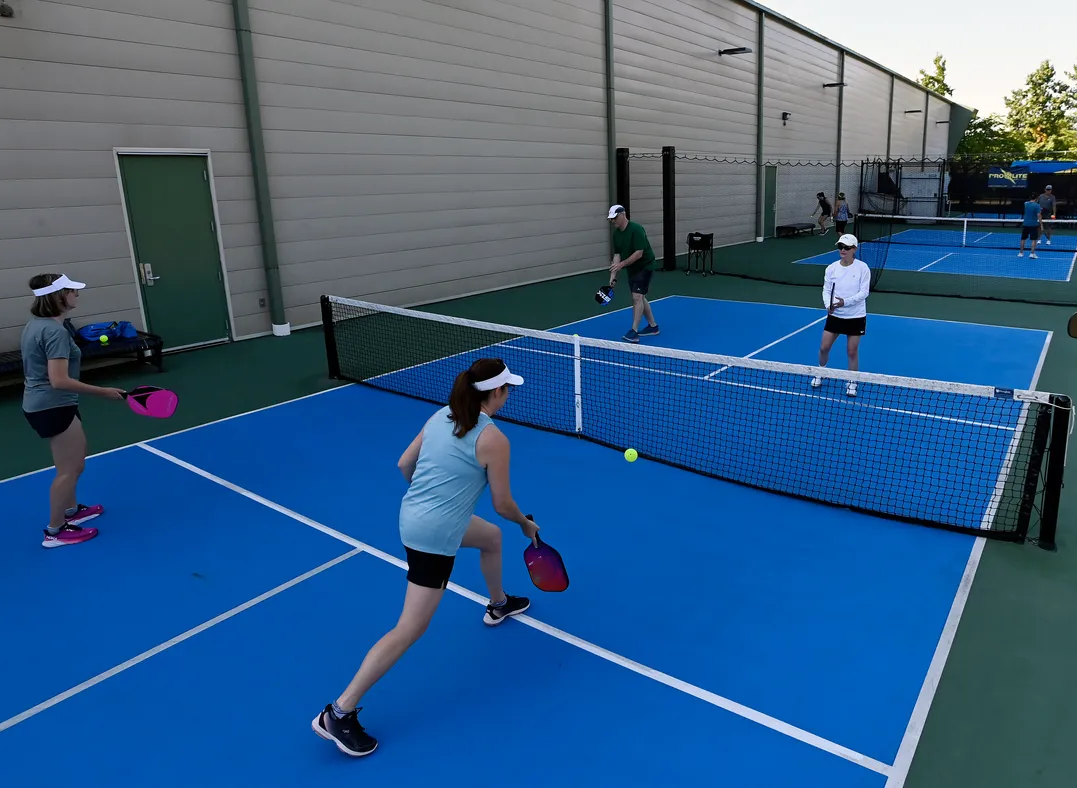
Pickleball’s rapid growth across the globe is nothing short of remarkable. What started as a casual backyard game has blossomed into one of the fastest-growing sports in the world, drawing players from all walks of life. The sport’s appeal is largely due to its unique combination of simplicity and competitive potential, making it an excellent choice for both newcomers and seasoned athletes alike. From local community parks to international tournaments, pickleball is catching fire at an incredible pace. Its adaptability to various skill levels and age groups ensures its broad reach, solidifying its place in the modern sporting landscape.
Key Growth Markets by Region
North America, particularly the United States, remains the epicenter of pickleball’s explosive growth. However, the sport is gaining significant traction in Europe and Asia, where new courts are being built, and leagues are forming to meet rising demand. In countries like Canada, Mexico, Spain, and the UK, pickleball’s presence is steadily expanding, fueled by an increasing interest in fitness and social engagement. Even regions like Australia are embracing the game, further pushing its global reach. It’s clear that the sport’s charm is transcending borders, driven by its inclusive nature and its ability to bring people together.
Role of Rules in Supporting Consistent Expansion
At the heart of this global growth is the establishment of clear and standardized rules. Pickleball’s simple yet comprehensive rule set has allowed the sport to maintain consistency, no matter where it’s played. This uniformity ensures that players and manufacturers can focus on quality and performance, rather than adjusting to conflicting regulations in different markets. By adhering to a single rulebook, pickleball remains accessible to newcomers, while giving seasoned players the structure needed for competitive play. Rules have become the backbone that supports both local and international growth, fostering a strong and sustainable foundation.
2. What Makes Pickleball Unique
Combination of Tennis, Badminton, and Ping-Pong
One of the main factors behind pickleball’s uniqueness lies in its hybrid nature. It takes the best elements of tennis, badminton, and ping-pong, combining them into a fast-paced, accessible sport. Players enjoy the court movement and strategy of tennis, the quick reflexes of ping-pong, and the aerial finesse of badminton. This fusion creates a game that is both exhilarating to play and watch. The result is a sport that feels familiar yet offers a fresh, dynamic experience for all involved.
Simple Learning Curve for All Ages
Pickleball’s simple rules and easy-to-understand gameplay make it an excellent choice for players of all ages. While it’s possible to dive deep into the technical aspects of the sport, beginners can quickly pick up the basics and start playing in no time. The paddle is lightweight, and the ball’s slower speed allows for longer rallies, making the game more enjoyable for new players. Whether you’re a child just learning how to hold a paddle or a senior looking for a low-impact, fun workout, pickleball provides an accessible entry point into the world of sports.
Accessibility and Low Equipment Cost
Unlike sports that require significant investment in equipment and facilities, pickleball is refreshingly affordable. The cost of a quality paddle is much lower than that of a tennis racket, and the playing courts are simpler and more cost-effective to build. This makes pickleball an attractive option for schools, community centers, and even retirement communities. Additionally, its low-impact nature appeals to those seeking a fun way to stay active without breaking the bank. For procurement professionals, this accessibility offers a straightforward path to offer affordable equipment that meets the needs of a wide range of players.
3. Defining Basic Pickleball Rules
Standard Court Dimensions and Layout
Pickleball courts are smaller than tennis courts, which makes them less intimidating for beginners and more engaging for seasoned players. A standard pickleball court measures 20 feet wide and 44 feet long, the same as a doubles badminton court. The layout includes a non-volley zone (also known as the kitchen), which extends 7 feet from the net on either side, and a 14-foot service area. These dimensions not only ensure fair play but also make the game more accessible to both indoor and outdoor venues. Understanding these measurements is key for any brand looking to design courts or accessories that are compliant with official standards.
Serve Rules and Scoring System
The rules around serving in pickleball are straightforward but crucial for maintaining the flow of the game. The server must stand behind the baseline, and the serve must be underhand, with the paddle contacting the ball below the waist. Additionally, the serve must land diagonally in the opponent’s service area, with the ball clearing the net by at least 3 feet. The scoring system follows a traditional rally scoring format where points can only be scored by the serving side, but the game allows for fast-paced action, as each match can go up to 11, 15, or 21 points. For procurement, understanding these serve mechanics is essential when designing paddles and equipment that align with competitive play.
Double Bounce and Non-Volley Zone Explained
Two fundamental rules govern the movement of the ball and the positioning of players: the double bounce rule and the non-volley zone. The double bounce rule mandates that the ball must bounce once on each side of the net before players can volley it (hit it in the air). This rule slows down the pace of the game slightly, making it more accessible to newcomers. The non-volley zone, on the other hand, prevents players from smashing the ball while standing too close to the net, ensuring longer, more strategic rallies. These unique rules play a major role in the game’s appeal, as they create a perfect balance between offense and defense.
4. How Rules Ensure Game Consistency
Standardized Gameplay Across Regions
By adhering to a uniform set of rules, pickleball ensures that the game remains consistent no matter where it’s played. This standardization helps eliminate confusion among players, coaches, and tournament organizers, making it easier for them to navigate the sport’s structure. Whether you’re in a local recreational league or competing in the World Pickleball Championships, the rules remain the same, creating a level playing field. For procurement professionals, this consistency means that the equipment and gear developed for one market can seamlessly transition into others, reducing the complexity of international product offerings.
Enabling Fair Competition and League Formation
Clear and universally accepted rules are the foundation upon which organized pickleball competitions are built. With standardized regulations in place, leagues and tournaments can flourish, attracting participants from all over the world. This structure allows for fair play, where participants can rely on the rules to ensure they’re competing on an even playing field. In turn, the increasing popularity of competitive pickleball drives demand for high-quality, rule-compliant products designed for serious players.
Supporting Player Retention Through Clarity
Clarity in the rules enhances player retention, as it reduces the learning curve and eliminates confusion. When players understand what is expected of them, they’re more likely to continue playing and improve their skills. The simplicity of pickleball’s rules also makes it less frustrating for beginners, allowing them to quickly experience success. As more players stick with the game, the market for pickleball products expands, offering greater opportunities for manufacturers and retailers alike to meet the needs of a growing community.
5. Key Rules Influencing Equipment Design
Paddle Specifications and Material Limits
Pickleball paddles are subject to specific rules regarding their size and materials. According to the official regulations, paddles must not exceed 24 inches in length and 8 inches in width, and the surface must be flat, with no holes or indentations. Materials used for paddles range from wood to composite and graphite, each offering different characteristics in terms of power, control, and durability. These specifications ensure that all players, regardless of their skill level, have access to equipment that adheres to the same performance standards. For manufacturers, understanding these limitations is critical to producing compliant and competitive paddles.
Ball Size, Weight, and Bounce Requirements
The ball used in pickleball is similarly governed by strict standards. It must be 2.87 inches in diameter and weigh between 0.8 and 0.9 ounces. The bounce of the ball is also carefully controlled to ensure consistent performance on various court surfaces. These standards help manufacturers design balls that meet the expected demands of the game, from recreational play to professional tournaments. By understanding these requirements, OEMs and ODMs can create products that are guaranteed to perform well in any competitive environment.
Apparel and Footwear Considerations for Movement
While paddles and balls often take center stage, apparel and footwear are just as crucial in ensuring peak performance. Pickleball’s dynamic movement requires footwear that provides excellent traction, stability, and comfort. Additionally, apparel must be designed to allow for freedom of movement while being durable enough to withstand the rigors of active play. Manufacturers must ensure that these products adhere to both the physical demands of the game and the rules that govern them, helping players perform at their best while remaining within the sport’s guidelines.
6. Regulatory Bodies and Rule Updates
Role of USA Pickleball and International Groups
In the United States, USA Pickleball is the governing body responsible for establishing and updating the official rules of the game. On a global scale, organizations such as the International Federation of Pickleball (IFP) work to standardize rules and foster the sport’s international growth. These bodies ensure that the sport is played fairly and consistently across different countries, making it easier for brands to operate in multiple markets while adhering to the same standards. By staying connected to these regulatory organizations, manufacturers can stay ahead of rule changes that may impact product design and performance.
Recent Changes and Rulebook Trends
In recent years, the rulebook has seen minor tweaks to further improve gameplay and ensure the sport remains accessible. For example, the introduction of no-ad scoring and changes to serving rules in competitive formats have affected the way tournaments are played. These updates reflect the ongoing evolution of the sport and are typically influenced by player feedback and the increasing demand for faster-paced action. Brands must stay aware of these changes to ensure that their products comply with the latest regulations and meet the expectations of both casual and competitive players.
Compliance Expectations for Brands
As pickleball continues to grow, compliance with established rules is becoming more important for manufacturers and suppliers. Players expect products that meet the performance standards set by regulatory bodies, and failing to comply with these standards can result in disqualification from tournaments or loss of consumer trust. For procurement professionals, aligning products with official regulations is a key strategy for maintaining a competitive edge in the market.
7. Impact of Rules on Consumer Expectations
Demand for Regulation-Compliant Products
As pickleball’s popularity skyrockets, consumers are increasingly looking for products that are not just functional but also adhere to official regulations. Whether it’s a paddle that meets the required size and material guidelines or a ball that bounces within the prescribed limits, players expect their equipment to meet the same standards seen in tournaments and leagues. This demand has pushed manufacturers to innovate while staying within the boundaries of the sport’s rulebook. For procurement professionals, this shift towards regulation-compliant gear offers a clear path to ensuring customer satisfaction and brand loyalty.
Rise in Interest for Tournament-Ready Gear
As the competitive landscape of pickleball grows, more players are seeking tournament-ready gear. Whether it’s amateur leagues or professional circuits, players want to ensure their equipment can handle the high demands of serious competition. With stricter adherence to the rules of play, having gear that aligns with these regulations can make the difference between winning and losing. This shift presents an exciting opportunity for brands to cater to a more performance-driven market, where the integrity of the product is key to player success.
Brand Trust Tied to Rule Alignment
For any brand involved in the pickleball market, aligning with official rules has become an essential aspect of maintaining consumer trust. Players and retailers alike are more likely to invest in products that are certified to meet regulatory standards, knowing that these products will provide consistent performance. When brands adhere to these standards, they not only demonstrate their commitment to the sport but also build a reputation for quality. Trust in a brand’s adherence to pickleball rules can significantly influence purchasing decisions, especially as the market grows more competitive.
8. Rules Supporting Market Scalability
Consistent Gameplay Promoting Mass Adoption
The standardized rules of pickleball contribute to its scalability by ensuring that the sport can be played consistently across different locations, communities, and countries. By adhering to the same rulebook, the game remains approachable for beginners while still challenging for seasoned players. This consistency helps foster an environment where more people feel comfortable picking up a paddle, knowing they can easily join games without worrying about local rule variations. As the sport expands, these standardized rules lay the groundwork for sustainable, global growth.
Easy Rules Encouraging New Players
One of the main reasons for pickleball’s rapid adoption is the simplicity of its rules. Compared to other racquet sports like tennis, pickleball offers a far more accessible entry point for new players. The game is easy to understand and doesn’t require extensive training or equipment to get started. For procurement professionals, this simplicity translates into an increased demand for entry-level products, such as beginner paddles, balls, and accessories. These items offer the ideal entry-level price point and ensure that newcomers feel welcomed into the sport, helping drive market expansion.
Rules as Foundation for Schools and Communities
Many schools and community centers are incorporating pickleball into their programs, and the straightforward rules are a key factor in this trend. The simplicity of the game allows it to be easily taught to young children and older adults alike, making it an ideal activity for diverse populations. By following the same set of rules, players at all levels can participate in organized events, from local community tournaments to national championships. For manufacturers, the growth of pickleball in schools and community centers presents an opportunity to create affordable, durable equipment that will appeal to educational institutions and recreational organizations.
9. Role of Rules in Competitive Play
Establishing Fairness and Standard Strategy
In competitive pickleball, the consistency and clarity of the rules create an environment of fairness where strategy and skill determine the outcome of the match. The rulebook ensures that every player, whether a novice or a pro, is on the same level playing field. With everyone adhering to the same standards, matches can be judged purely on performance, fostering a competitive spirit. This consistency drives up demand for high-quality, performance-oriented products that help players perform at their best.
Enabling Local and Global Tournament Growth
As pickleball’s popularity expands, both local and global tournaments are becoming more prevalent, thanks in large part to the clarity and consistency of the sport’s rules. Whether it’s a casual tournament at a local club or a world championship event, the standardized rules ensure that the competition remains fair and exciting. This growing tournament scene has opened up new opportunities for product innovation, as brands look to provide the gear required for competitive play. The role of rules in enabling these tournaments is a crucial factor in the sport’s global appeal.
Creating Product Opportunities for Pro Gear
For serious players, having the right equipment can be the difference between victory and defeat. As the competitive scene for pickleball grows, so does the demand for specialized, high-performance gear. Pro-level paddles, balls, and accessories are increasingly sought after by players aiming to compete at the highest level. Manufacturers have responded by designing products that meet the precise specifications required by professional players, ensuring they have the tools to perform at their peak. For procurement professionals, this shift represents an opportunity to meet the needs of an emerging market for advanced, tournament-ready gear.
10. OEM Considerations for Rule Compliance
Integrating Rule Specs into Product Design
For OEMs involved in the pickleball market, understanding the importance of rule compliance in product design is essential. Every detail of a pickleball paddle, ball, or accessory must adhere to the regulations set forth by governing bodies like USA Pickleball and the IFP. From paddle length and weight to ball bounce and court dimensions, each specification plays a critical role in ensuring the product is tournament-ready and compliant. For manufacturers, this requires ongoing collaboration with regulatory bodies to stay ahead of changes and ensure that products are designed to meet evolving standards.
Material Sourcing that Meets Regulation
The materials used in the construction of pickleball products, especially paddles and balls, must meet certain regulatory criteria. These materials are often tested for their durability, weight, and performance to ensure they meet the specifications laid out in the rulebook. For OEMs, sourcing materials that meet these regulations is crucial to creating products that are both high-performing and compliant. This involves selecting suppliers who understand the requirements of pickleball equipment and can deliver the necessary raw materials to meet these standards.
Avoiding Disqualification Risks for Brands
Failure to adhere to official pickleball rules can result in disqualification from tournaments, which can have a significant impact on a brand’s reputation. Manufacturers must be diligent in ensuring that their products comply with all relevant regulations to avoid the risk of their products being banned or disqualified in official competitions. For brands looking to succeed in this growing market, staying on top of rule changes and ensuring that all equipment meets official standards is essential to maintaining credibility and trust with players and retailers.
11. ODM Strategies for Rule-Aligned Innovation
Custom Product Development within Rule Limits
As demand for pickleball products continues to rise, ODMs are tasked with creating innovative gear that adheres to established rules. Custom product development within these limits presents an opportunity to push the boundaries of design while ensuring compliance. For example, the use of new materials or the development of ergonomic features for paddles can enhance player comfort and performance, all while staying within the regulated size and weight constraints. ODMs who focus on this balance between innovation and regulation are well-positioned to capture the growing market.
Trend Forecasting Based on Rule Shifts
Keeping a finger on the pulse of rule changes is crucial for ODMs looking to stay ahead of the competition. As the sport grows, rule updates and shifts in playing style may influence the design and functionality of equipment. By anticipating these changes and adjusting product designs accordingly, ODMs can position themselves as leaders in the market, offering cutting-edge products that meet the evolving needs of players. For example, modifications to court dimensions or ball specifications could open the door for new product categories or improved performance features.
Balancing Creativity with Standardization
While it’s important for ODMs to innovate, they must also ensure that their products remain within the boundaries of standardized rules. Striking the right balance between creativity and regulation is a key challenge in pickleball equipment development. Manufacturers that succeed in this space are those that find ways to introduce new features—such as enhanced grip materials or ergonomic designs—while still respecting the specifications laid out by regulatory bodies. By doing so, they ensure that their products stand out without risking non-compliance.
12. Challenges in Adapting to Rule Changes
Managing Inventory with Evolving Specs
One of the biggest challenges for manufacturers and suppliers is managing inventory when rule changes are announced. A shift in paddle size regulations or ball specifications can quickly render existing stock non-compliant, leading to costly recalls or product adjustments. For procurement professionals, staying agile and informed about upcoming rule changes is crucial for managing inventory effectively. By anticipating rule shifts, brands can proactively adjust their production schedules to avoid excess stock of outdated products.
Educating Distributors and Partners
Rule changes don’t just impact manufacturers; they also affect distributors, retailers, and other partners in the supply chain. Ensuring that all parties are well-informed about updated specifications is key to maintaining smooth operations. Training programs, clear communication channels, and up-to-date product documentation can help keep everyone in the loop and avoid costly errors. For brands, providing this level of education ensures that their products are distributed and sold in full compliance with the latest rules.
Quick Turnaround for Compliance Updates
As pickleball continues to grow, rule updates may come swiftly and unexpectedly, requiring quick product adjustments to stay compliant. Brands that can adapt quickly to these changes are better positioned to maintain their market share. For procurement professionals, having processes in place to swiftly implement compliance updates can make all the difference in staying competitive. This agility is particularly important in a fast-moving market where product cycles are getting shorter and consumer expectations are higher.
13. Rules Driving Niche Product Segments
Specialized Paddles for Beginners vs Pros
As the sport grows, there is an increasing demand for specialized products tailored to different player levels. For beginners, paddles need to be lightweight, forgiving, and affordable, while competitive players require higher-quality, precision-crafted paddles that offer more control and power. Manufacturers have the opportunity to tap into these niche markets by designing paddles that meet the specific needs of each player segment. By adhering to the rule specifications for size and material while offering customizable features, brands can cater to both novice and professional players.
Court-Specific Gear for Indoor/Outdoor Play
Pickleball courts can be divided into indoor and outdoor categories, with different surfaces, weather conditions, and environmental factors impacting the equipment used. For example, outdoor balls are designed to withstand wind and rougher surfaces, while indoor balls are softer and provide a different bounce. Similarly, footwear and apparel may differ depending on the type of court. Brands that cater to these distinctions by offering court-specific gear have a unique opportunity to capture a broader customer base. Understanding these subtle differences in playing conditions allows manufacturers to create products that are both effective and compliant with the rules.
Accessories Designed Around Rule Restrictions
As pickleball’s rules become more standardized, new accessory categories are emerging. From specialized nets that conform to official height regulations to bags designed to carry regulation-compliant paddles and balls, there is a growing market for equipment that enhances the playing experience. Accessories are often a great way for brands to innovate within the constraints of the rules while adding value for consumers. By designing accessories that help players maintain their gear and improve their play, brands can further establish themselves as leaders in the pickleball market.
14. Partnering with Brands on Rule-Based Design
Joint Development for Compliance Assurance
As pickleball’s global popularity increases, partnering with other brands to ensure compliance with official rules can be highly beneficial. Collaborating on product development allows brands to share resources, expertise, and insights, ensuring that products meet the necessary standards. Joint development can also open doors to co-branded products, which are often more attractive to consumers. For OEMs and ODMs, this type of collaboration is essential to ensuring that products meet regulatory standards while still offering innovative features.
Branding Opportunities Tied to Certification
Being able to display a certification that proves a product meets pickleball’s official rules can be a major selling point. Brands that successfully navigate rule compliance can leverage this certification as part of their marketing strategy. The seal of approval from governing bodies can give products a distinct advantage, especially in a crowded marketplace. For procurement professionals, partnering with brands that hold official certifications guarantees that the products they source will meet consumer expectations for quality and regulation.
Co-Marketing Regulation-Compliant Collections
Co-marketing partnerships offer a unique opportunity to combine forces and promote regulation-compliant products. By working with key players in the industry, brands can create comprehensive collections of gear that cater to both recreational and professional players. These collections could include paddles, balls, footwear, and apparel, all designed to meet the sport’s rules. Co-marketing efforts are a great way to amplify brand visibility and establish a strong foothold in the expanding pickleball market.
15. Future of Pickleball Rules and Market Impact
Potential Changes Shaping Product Evolution
As pickleball continues to evolve, future rule changes are likely to influence the design and performance characteristics of equipment. For example, changes in paddle material regulations or ball design may require manufacturers to rethink their product lines. Understanding these potential changes allows brands to stay ahead of the curve and develop products that align with the sport’s future trajectory. For procurement professionals, staying informed about potential rule shifts will be key to anticipating market demands.
Rule Expansion to Include Youth and Adaptive Play
One area where pickleball is expected to grow is in youth and adaptive play. As the sport becomes more inclusive, rules may evolve to accommodate younger players or those with physical disabilities. These changes could lead to a new wave of product development, as brands create gear tailored to these segments. For manufacturers, this expansion represents a huge opportunity to diversify their offerings and tap into new markets.
Implications for Smart Gear and Tech Integration
With the rise of wearable technology and smart gear, pickleball is poised to embrace tech innovations that enhance player performance and provide real-time data. Future rule updates could incorporate technology that tracks performance metrics like ball speed, player movement, and accuracy. For brands, this opens up new avenues for product development, creating opportunities to integrate smart technology into paddles, balls, and apparel. Staying ahead of these trends will be crucial for maintaining a competitive edge in the evolving pickleball market.
16. Conclusion and Takeaways for Procurement
Why Rules Are Central to Product Strategy
For procurement professionals, understanding the fundamental role that rules play in the pickleball market is key to developing a solid product strategy. Rules not only guide product design but also shape consumer expectations, drive demand for specific gear, and foster brand loyalty. By aligning product offerings with these regulations, brands can gain a competitive edge and position themselves as trusted leaders in the industry.
Top Priorities for Rule-Driven Sourcing
As the pickleball market grows, sourcing products that meet the official rules should be a top priority. This ensures that the products are not only functional but also compliant with tournament standards. Manufacturers and procurement professionals alike must focus on quality, consistency, and performance to meet the evolving needs of players worldwide.
Staying Competitive in a Rule-Governed Market
In a market governed by strict rules, staying competitive requires agility, innovation, and a commitment to quality. By keeping an eye on rule updates and ensuring products remain in compliance, brands can continue to thrive. For procurement professionals, this means sourcing products that meet the demands of players while staying ahead of the competition, ensuring a strong position in the expanding pickleball market.
Related Posts
Removable Sports Flooring to Reduce Total Cost
Roll Out Gym Flooring Buyers Trust for Fast Scaling

Indoor Pickleball Court Flooring That Cuts Landed Cost
What’s really interesting about pickleball’s growth is how it’s adapting to different cultures. It’s not just about the sport, but about creating communities where people can bond over a fun activity.
Yes. Pickleball can create a vibrant and friendly community, which is a bridge to connect all cultures.