Skip to content
Table of Contents
Categories

Charles Wong
Look at the Growing Pickleball Market
Rising global popularity of pickleball
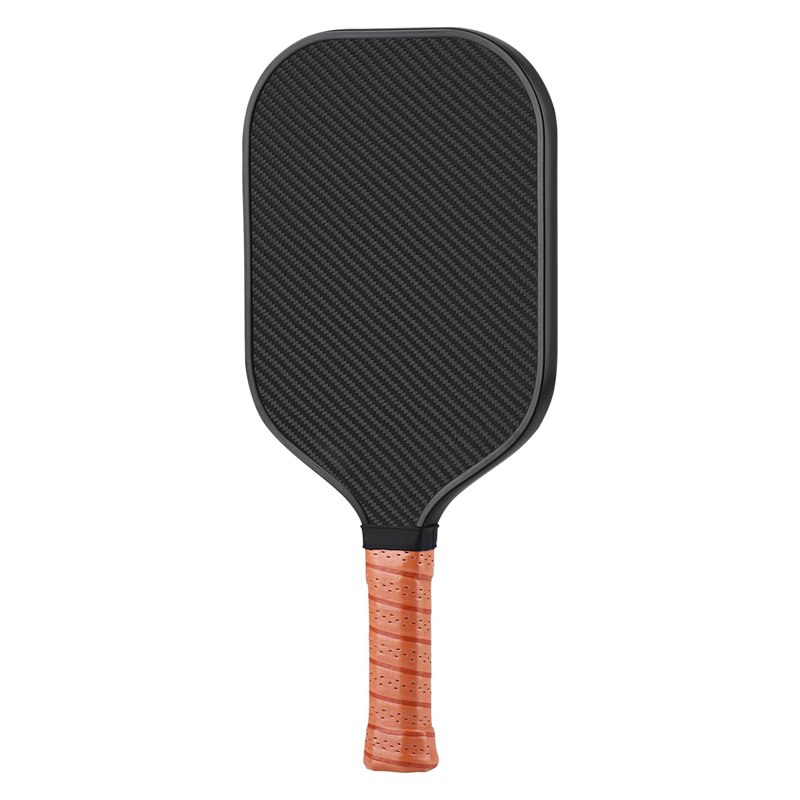
Pickleball is no longer a fringe pastime confined to community parks and retirement centers—it has surged into mainstream culture at an astonishing pace. From North America to Europe and Asia, the sport has grown into a global phenomenon, attracting players of all ages. Governments and municipalities are even allocating budgets to build dedicated pickleball courts, a testament to the sport’s skyrocketing presence. Industry reports consistently place pickleball as one of the fastest-growing sports in the world, with participation numbers climbing year after year. For brands and procurement professionals, this isn’t just a passing trend but a monumental wave of opportunity. As more players take up the game, the demand for high-performance gear has reached unprecedented levels.
Increasing demand for specialized equipment
The pickleball boom has transformed the market for equipment. Gone are the days when recreational players were satisfied with one-size-fits-all paddles. Today, consumers are more informed, more selective, and more demanding. They actively seek gear that complements their playing style, whether it’s power, control, or spin. This shift has given rise to a lucrative market segment for specialized paddles that cater to nuanced preferences. Spin-focused paddles, in particular, have emerged as a hot commodity. They are no longer viewed as niche products but as essential tools for serious competitors. For procurement professionals, aligning with this demand means tapping into a market segment that is both high-value and high-growth.
Importance of paddle innovation for brand success
Innovation has become the dividing line between brands that thrive and those that fade into obscurity. In an industry where players can instantly compare features online, sticking to generic paddle designs is no longer viable. Consumers expect paddles that reflect the latest technological advancements, whether in materials, ergonomics, or performance attributes. Innovation isn’t just about keeping pace—it’s about setting the standard. For procurement professionals, securing products that embody innovation is critical for building and sustaining brand credibility. Brands that fail to innovate risk being sidelined, while those that embrace it are positioned to lead the charge in this surging market.
Why Spin Performance Matters in Pickleball Paddles
How spin impacts game strategy and playstyle
Spin is the secret sauce that can turn an average player into a formidable competitor. With topspin, players can drive the ball deep with confidence, knowing it will dip sharply into the opponent’s court. Backspin, on the other hand, can create tricky drop shots that force errors and disrupt rhythm. Side-spin adds another layer of complexity, keeping opponents constantly on their toes. Spin introduces unpredictability, making rallies harder to defend and easier to control. The ability to generate spin consistently can completely redefine a player’s tactical options. This is why paddles engineered for spin have become such a cornerstone of advanced play.
Consumer preference for spin-focused paddles
Players aren’t shy about what they want, and spin sits at the top of the wish list. As their skills develop, they quickly realize that spin gives them an edge over competitors. Reviews, online forums, and social media conversations are filled with discussions about which paddles generate the best spin. The demand has been so strong that many brands now explicitly highlight spin performance in their product descriptions. This consumer-driven push has made spin-focused paddles not just desirable but essential for brands that want to remain competitive. For procurement professionals, it’s a clear signal that spin capability must be a priority in product selection.
Spin as a differentiator in competitive markets
The pickleball equipment market has become saturated, with countless brands vying for attention. In such a crowded landscape, differentiation is vital. Spin performance is a compelling way to stand out because it directly addresses player needs and preferences. A paddle renowned for spin can build a loyal following, creating a ripple effect of brand advocacy. This differentiator also allows brands to command premium pricing, as consumers are willing to invest more in products that demonstrably improve their game. For procurement teams, spin offers a clear path to market distinction and profitability.
Key Features That Enhance Spin in Paddles
Surface texture and grip technology
The face of the paddle is where the magic begins, and surface texture is the key ingredient for generating spin. Rougher, textured surfaces increase friction between the paddle and the ball, creating the grip needed to manipulate its flight path. Advanced grip technologies, such as micro-grit coatings, add another layer of spin potential while maintaining durability. The paddle handle also plays a role, as a secure grip ensures players can swing with confidence and precision. Without proper texture and grip, spin potential is dramatically reduced, no matter how skilled the player may be. This makes surface innovation one of the most critical factors in paddle design.
Core materials and responsiveness
The internal core of a paddle is its engine, dictating how energy is transferred at impact. Polymer honeycomb cores are currently favored for their balanced responsiveness, which allows players to fine-tune spin without sacrificing control. Denser cores can provide extra pop but may limit touch, while softer cores allow for delicate spins but require more effort for power. The trick lies in finding the sweet spot that maximizes spin while maintaining versatility. By pairing responsive cores with textured surfaces, brands can deliver paddles that feel alive in the player’s hands. For procurement professionals, understanding these material dynamics is essential to sourcing products that truly resonate with consumers.
Paddle weight and balance optimization
Weight and balance are often underestimated, yet they are pivotal in spin generation. A paddle that is slightly head-heavy can increase swing speed, allowing players to whip through the ball and create sharper spins. Conversely, lighter paddles offer quicker maneuverability, enabling players to adjust angles and finesse shots with ease. The balance between head weight and handle weight ultimately determines how effective a paddle will be in producing consistent spin. Procurement teams must look for manufacturers who can fine-tune these elements with precision. The result is a paddle that not only spins well but feels intuitive in play.
Market Trends Driving Spin Paddle Demand
Shift toward advanced player equipment
As players climb the learning curve, they naturally seek more advanced gear that matches their improving skills. Recreational paddles may suffice for beginners, but intermediate and advanced players demand paddles that help them unlock higher levels of performance. This shift has created a surge in demand for premium paddles, particularly those designed for spin. Brands that recognize this shift and tailor their offerings accordingly are well-positioned to capture long-term market share. Spin-focused paddles, therefore, are not just products—they are stepping stones for players chasing competitive excellence.
Growth of professional and amateur leagues
The rise of organized leagues has injected fresh energy into the pickleball ecosystem. From local amateur tournaments to professional circuits, competitive play has become a central driver of equipment demand. In these environments, spin is more than a novelty—it’s a necessity. Players and coaches recognize that mastering spin can be the difference between victory and defeat. As league participation grows, so too does the appetite for spin-optimized paddles. Procurement professionals who align with this trend can tap into a market that thrives on performance.
Influence of social media and athlete endorsements
Social media has amplified pickleball’s visibility, with highlights of jaw-dropping spin shots captivating millions of viewers. Influencers, coaches, and professional players frequently showcase their spin skills, sparking curiosity and desire among recreational players. Endorsements from top athletes carry significant weight, as consumers are eager to emulate their heroes. A single viral video can generate a surge in demand for a particular paddle, highlighting the influence of digital platforms. For brands, aligning with spin-savvy athletes and leveraging social media buzz can be a powerful driver of market demand.
What Procurement Professionals Should Look For
Consistency and quality in OEM manufacturing
Quality consistency is the foundation of brand credibility. Players expect their paddles to perform reliably, batch after batch, without variation in texture, weight, or balance. OEM manufacturers must demonstrate rigorous quality control and precision engineering. Procurement professionals who partner with consistent suppliers safeguard their brand reputation and ensure customer satisfaction. Inconsistent paddles, on the other hand, can quickly erode consumer trust and damage long-term growth.
Flexibility in customization for private labels
Private-label branding thrives on differentiation, and customization is the vehicle to achieve it. Whether it’s unique face designs, custom grip options, or exclusive materials, flexibility in manufacturing is essential. Brands that offer distinctive paddles can carve out their own identity in a crowded marketplace. Procurement professionals should prioritize manufacturers that accommodate creative design requests without compromising performance. Customization also allows for rapid adaptation to evolving market preferences.
Compliance with international standards
Distribution across multiple regions requires strict adherence to international safety and quality standards. Materials, coatings, and adhesives must all meet regulatory benchmarks to avoid costly delays or recalls. Compliance is not just about risk mitigation—it’s also a selling point for discerning buyers who value transparency and safety. Manufacturers with a proven track record of compliance streamline the procurement process. This allows brands to expand globally with confidence.
Competitive Advantages of Spin-Optimized Paddles
Positioning brands as performance-driven
Paddles designed for spin elevate a brand’s reputation from recreational supplier to performance authority. Serious players seek out brands that are synonymous with innovation and excellence. Offering spin-optimized paddles sends a strong message that a brand prioritizes performance. This positioning attracts not just players but also league organizers, coaches, and distributors. It creates a halo effect that enhances overall brand value.
Expanding product lines to meet niche demand
Spin paddles open the door for diversification within product lines. A brand might offer models optimized for heavy topspin, subtle control spins, or hybrid styles that balance power and finesse. This ability to cater to niche segments creates multiple entry points for different types of players. It also allows brands to capture a wider share of the market by appealing to varied consumer needs. For procurement professionals, this means securing a versatile portfolio of products that keeps brands relevant.
Creating higher-value margins in retail markets
Spin-optimized paddles often sit at the higher end of the pricing spectrum, thanks to their advanced features. Retailers and distributors benefit from stronger margins, while consumers are willing to pay a premium for proven performance. These higher-value products can transform a brand’s financial outlook, elevating profitability across channels. For procurement professionals, prioritizing spin paddles means securing inventory that delivers both consumer satisfaction and business growth.
Customization Opportunities for Spin Paddles
Custom design options for brand identity
OEM and ODM partnerships provide an unmatched opportunity to develop paddles that reflect a brand’s unique DNA. From innovative textures to eye-catching graphics, custom designs strengthen identity and consumer loyalty. A distinctive paddle face or grip design can become a visual trademark recognized instantly on the court. Procurement professionals should leverage these opportunities to build products that resonate deeply with their target market. In an era of personalization, distinctiveness is currency.
Scalable production for global distribution
Meeting global demand requires a partner capable of scaling production without compromising quality. Markets in North America, Europe, and Asia often have distinct preferences, requiring manufacturers to adapt quickly. Scalable operations ensure that brands can satisfy demand surges brought on by seasonal trends or viral marketing. Procurement professionals benefit from streamlined logistics and consistent quality across large-scale orders. This scalability is essential for brands looking to dominate globally.
Partnerships that reduce time-to-market
In a rapidly evolving industry, speed is a decisive advantage. The ability to move from design to retail shelves in record time can give brands the upper hand. Efficient partnerships with OEM and ODM manufacturers minimize delays through integrated design, testing, and production processes. Reducing time-to-market allows brands to capitalize on emerging trends before competitors catch up. Procurement professionals should prioritize partners with proven agility and responsiveness.
Future Outlook for Spin-Driven Paddle Innovation
Emerging materials and technologies
The future of paddle design is brimming with innovation, with advanced materials set to redefine performance. Carbon fiber composites, nanotechnology coatings, and hybrid polymer blends are already showing promise in increasing spin and durability. These emerging technologies not only enhance performance but also reduce weight, offering players a more responsive feel. For brands, adopting these innovations early ensures a leadership position in the marketplace. The pace of material science advancements suggests that the best is yet to come.
Anticipated consumer trends in paddle design
Consumers are becoming more discerning, not only about how a paddle performs but also how it looks and feels. Expect rising demand for paddles that combine performance-driven engineering with stylish aesthetics. Personalized paddles, whether through graphics, colors, or ergonomic grips, are likely to gain traction. Eco-friendly materials are also poised to attract environmentally conscious buyers. Anticipating these trends allows brands to align their offerings with consumer expectations.
Long-term growth potential for spin-focused products
Spin-focused paddles are not a fleeting trend—they are a long-term growth driver for the industry. As pickleball continues its ascent, the appetite for advanced paddles will only grow. Brands that prioritize spin innovation today will secure a strong foothold in tomorrow’s market. The convergence of rising participation, technological innovation, and consumer sophistication points to sustained profitability. Spin paddles will remain a cornerstone of growth, shaping the future of the sport for years to come.
Related Posts
Removable Sports Flooring to Reduce Total Cost
Roll Out Gym Flooring Buyers Trust for Fast Scaling

Indoor Pickleball Court Flooring That Cuts Landed Cost