Skip to content
Table of Contents
Categories

Charles Wong

Introduction to Custom Pickleball Court Manufacturing
Overview of the Booming Pickleball Industry
“Pickleball is developing rapidly in Florida, USA”, one of our customers who based in there told us early this year. It has exploded into one of the fastest-growing sports worldwide, attracting players of every generation. The sport’s accessibility, quick learning curve, and strong social appeal have turned it into a global phenomenon that brands are now racing to capitalize on. With more communities, clubs, and resorts demanding specialized facilities, the appetite for high-quality custom pickleball courts has never been stronger.
Why Customization Is Key for Brand Differentiation
In a world where players are spoilt for choice, cookie-cutter courts simply don’t cut it anymore. Customization allows brands to stand apart by embedding unique visual identities, from bold color palettes to distinctive floor markings that instantly communicate brand presence. For procurement professionals, a bespoke court is more than just a surface—it’s a tangible representation of innovation, exclusivity, and attention to detail that makes a brand unforgettable.
The Role of Low MOQ in Global Procurement
Low Minimum Order Quantity (MOQ) has become a game-changer in modern procurement, particularly for businesses navigating volatile markets and dynamic consumer demands. It eliminates the pressure of committing to oversized orders while giving brands the freedom to experiment with custom designs. In pickleball court manufacturing, low MOQ provides a strategic pathway for both established enterprises and emerging players to test the waters without breaking the bank.
Understanding MOQ in Sports Manufacturing
Definition and Importance of MOQ for Buyers
MOQ, or Minimum Order Quantity, refers to the smallest batch a manufacturer is willing to produce, and it serves as a crucial determinant in procurement negotiations. For buyers, understanding MOQ is not just about unit counts but about managing cash flow, forecasting demand, and aligning inventory with market realities. It creates the balance between achieving economies of scale and avoiding overstocked warehouses filled with unsold products.
Challenges with Traditional High MOQ Requirements
Historically, high MOQs have been the bane of small-to-medium enterprises trying to carve a niche in the sports sector. Many procurement teams face financial strain when forced into large orders, often tying up capital in slow-moving inventory. This rigidity stifles innovation, making it difficult for brands to test unique designs or pivot quickly in response to market shifts.
How Low MOQ Creates Flexibility for Procurement Teams
Low MOQ opens the door to agility, enabling procurement teams to place smaller, more frequent orders that better align with real-time market demands. It reduces risk, empowers product testing, and allows for more frequent updates in branding or materials. In essence, low MOQ transforms procurement from a rigid process into a dynamic growth tool that supports rapid adaptation and brand evolution.
Benefits of Custom Pickleball Courts for Brands
Showcasing Brand Identity Through Design Elements
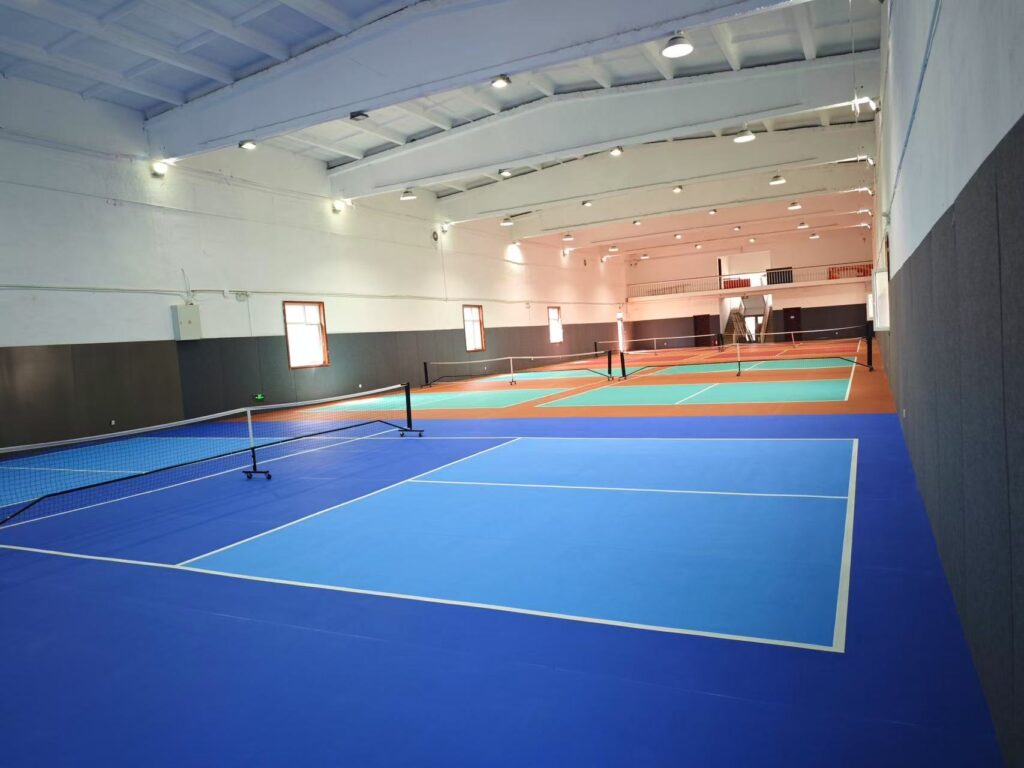
A custom court serves as a billboard underfoot, where every detail—from surface texture to sideline color—tells a story about the brand it represents. Incorporating logos, signature hues, and even unique net post designs can elevate the customer’s perception. Such visual reinforcement ensures that every game played doubles as an advertisement for the brand.
Delivering Unique Customer Experiences
Players don’t just remember the matches; they remember the environment in which they were played. A thoughtfully customized pickleball court enhances player satisfaction, offering a sense of exclusivity and prestige. This sensory experience translates into word-of-mouth marketing and encourages repeat visits, strengthening customer retention.
Building Long-Term Brand Loyalty in the Sports Market
A brand that invests in a personalized playing environment fosters deeper emotional connections with its audience. Players begin to associate the enjoyment of the sport with the distinct identity of the brand. Over time, this consistent reinforcement builds loyalty that transcends the court, creating advocates who carry the brand message far beyond the baseline.
Key Customization Options in Court Manufacturing
Material Choices and Surface Durability
The backbone of any great pickleball court lies in the materials used. Options range from cushioned acrylic coatings to modular tile systems, each offering distinct benefits in longevity and playability. Brands that prioritize high-quality, durable surfaces project reliability, ensuring that their facilities withstand heavy use without compromising performance.
Flexible Layouts and Size Adaptations
One size rarely fits all in pickleball court manufacturing. From single-court backyard setups to sprawling multi-court complexes, layout flexibility allows brands to align with their target market’s scale. This adaptability ensures the end product not only meets local regulations but also maximizes available space for optimal player flow.
Integration of Logos, Colors, and Private Labels
Visual identity is the crown jewel of customization. Manufacturers can seamlessly integrate logos into the playing surface, apply brand colors to borders, and even design packaging for portable courts with private labeling. These details create a unified and unmistakable brand experience that resonates with both players and spectators.
Advantages of Low MOQ for Global Procurement
Reducing Upfront Investment Risks
Low MOQ minimizes the financial burden by allowing smaller initial orders, freeing up capital for marketing, promotions, or additional product lines. This approach is particularly advantageous in unpredictable markets where demand patterns shift quickly. By reducing exposure, brands can move with confidence while safeguarding profitability.
Enabling Pilot Projects and Market Testing
Testing new ideas is the lifeblood of brand growth, and low MOQ provides the perfect avenue for trial runs. Procurement teams can introduce limited-edition courts or experimental designs without overcommitting resources. The feedback gathered from these pilot projects informs future scaling decisions, ensuring data-driven investments.
Expanding Into Regional and Niche Markets with Ease
Low MOQ makes it feasible for brands to tap into smaller regional markets or cater to niche communities, such as senior centers or exclusive resorts. This targeted approach allows procurement professionals to diversify revenue streams without bearing massive overheads. As the sport grows globally, this nimbleness becomes a critical competitive edge.
OEM and ODM Solutions for Custom Courts
What OEM Services Offer Established Brands
OEM, or Original Equipment Manufacturing, enables established brands to leverage their own designs while entrusting production to an experienced manufacturer. This model ensures brand control while benefiting from efficient, large-scale manufacturing expertise. The result is consistency in product quality and brand integrity across every court.
How ODM Supports Startups and New Market Entrants
ODM, or Original Design Manufacturing, provides ready-made solutions that can be branded and sold by new market entrants with minimal upfront design work. This is particularly attractive for startups eager to establish a foothold without the steep costs of R&D. It delivers a turnkey pathway to market presence with professional-grade results.
Combining OEM and ODM for Scalable Solutions
Many brands adopt a hybrid approach, using ODM for quick launches and OEM for long-term growth once they’ve validated their market strategy. This combination ensures agility in early stages and stability as the brand matures. It’s a strategy that allows procurement teams to balance speed, cost, and control effectively.
Step-by-Step Manufacturing Process
Initial Consultation and Custom Design Development
The journey begins with a comprehensive consultation, during which manufacturers and procurement teams align on design specifications, materials, and brand requirements. Detailed prototypes or digital renderings are often produced to visualize the final product. This collaborative stage ensures that every aspect aligns with both functional and aesthetic goals.
Quality Assurance and Safety Compliance Testing
Rigorous testing follows, addressing durability, traction, and safety standards to guarantee courts meet international benchmarks. Each component, from coatings to net systems, undergoes strict scrutiny. These quality controls safeguard the brand’s reputation while ensuring player satisfaction and safety.
Packaging, Logistics, and Timely Delivery Worldwide
Once production is complete, the focus shifts to secure packaging and efficient logistics tailored for global shipping. Strategic partnerships with logistics providers ensure timely and cost-effective delivery. This step is critical for procurement professionals who need predictable supply chains to meet project deadlines.
How to Choose the Right Manufacturing Partner
Evaluating Supplier Reliability and Certifications
A trustworthy partner demonstrates consistency, backed by relevant certifications and a proven track record in sports manufacturing. Procurement professionals should assess case studies, production capacity, and compliance documentation. These indicators reflect the supplier’s ability to deliver reliably on custom projects.
Communication and Customization Flexibility
Clear, responsive communication is the cornerstone of a successful procurement relationship. Manufacturers must not only understand brand needs but also adapt to evolving requirements during production. Flexibility in customization reflects a supplier’s willingness to collaborate, innovate, and deliver beyond expectations.
After-Sales Service and Warranty Options
After-sales support is the unsung hero of long-term brand satisfaction. Comprehensive warranties, installation guidance, and ongoing maintenance assistance reduce risks and ensure lasting value. A manufacturer that stands behind its products sends a strong signal of accountability and partnership.
Cost Factors in Low MOQ Court Production
Pricing Models for Small-Batch vs. Bulk Orders
Small-batch orders typically carry higher per-unit costs, while bulk orders benefit from economies of scale. Procurement teams must weigh the trade-off between flexibility and cost efficiency. A transparent pricing structure helps decision-makers align orders with both budget and strategy.
Balancing Affordability with Premium Quality
Cost savings should never come at the expense of quality. Courts that skimp on materials may deteriorate quickly, ultimately costing more in repairs or replacements. Striking the right balance ensures that brands deliver both value and excellence to their end-users.
Hidden Costs to Anticipate in Procurement Contracts
Beyond unit pricing, procurement professionals must account for hidden costs such as freight, customs duties, and installation expenses. Ignoring these factors can lead to unpleasant surprises and strained budgets. Proactive cost analysis prevents disruptions and ensures smooth project execution.
Conclusion
Summary of Low MOQ Benefits for Procurement
Low MOQ provides procurement teams with agility, reduced risks, and the ability to innovate quickly in an increasingly competitive market. It empowers brands to adapt to demand fluctuations while safeguarding capital and operational efficiency.
Custom Courts as a Driver of Brand Growth
Custom pickleball courts are more than sporting surfaces—they’re strategic brand assets that enhance visibility, elevate customer experiences, and build loyalty. Investing in bespoke facilities is a powerful way to cement a brand’s place in the global sports industry.
Final Advice for Global Buyers Entering the Market
Procurement professionals should seek manufacturing partners that combine low MOQ flexibility with expertise, quality assurance, and robust after-sales support. By aligning with such partners, buyers can confidently expand into new markets, strengthen brand equity, and stay ahead in the fast-paced pickleball revolution.
Related Posts
Removable Sports Flooring to Reduce Total Cost
Roll Out Gym Flooring Buyers Trust for Fast Scaling

Indoor Pickleball Court Flooring That Cuts Landed Cost