Skip to content
Table of Contents
Categories

Charles Wong
Introduction to Edgeless Pickleball Paddles
The Growing Demand for Modern Paddle Design
The pickleball world is evolving fast, and today’s players want more than just utility—they want performance and style. Modern paddle design is no longer about just hitting the ball; it’s about delivering finesse, power, and a polished aesthetic that reflects the player’s personality. With recreational players, club-level competitors, and pro athletes demanding top-tier gear, edgeless paddles are surging into the spotlight like a freight train on fresh rails.
Importance of Customization in Paddle Branding
For brands, standing out in a saturated market is no easy task. Customization gives brands the power to connect with players on a personal level—be it through colors, grip styles, or eye-catching graphics. It’s not just a paddle anymore; it’s a representation of the brand’s story, attitude, and commitment to quality.
Why Edgeless Paddles Are Gaining Traction
Edgeless paddles look clean, sleek, and unapologetically modern. Without that traditional bumper guard, they offer a larger, smoother surface that appeals to design-conscious players and performance purists alike. Their lightweight construction and enhanced aerodynamics are just the icing on the cake.
What Are Edgeless Pickleball Paddles?
Definition and Distinguishing Features
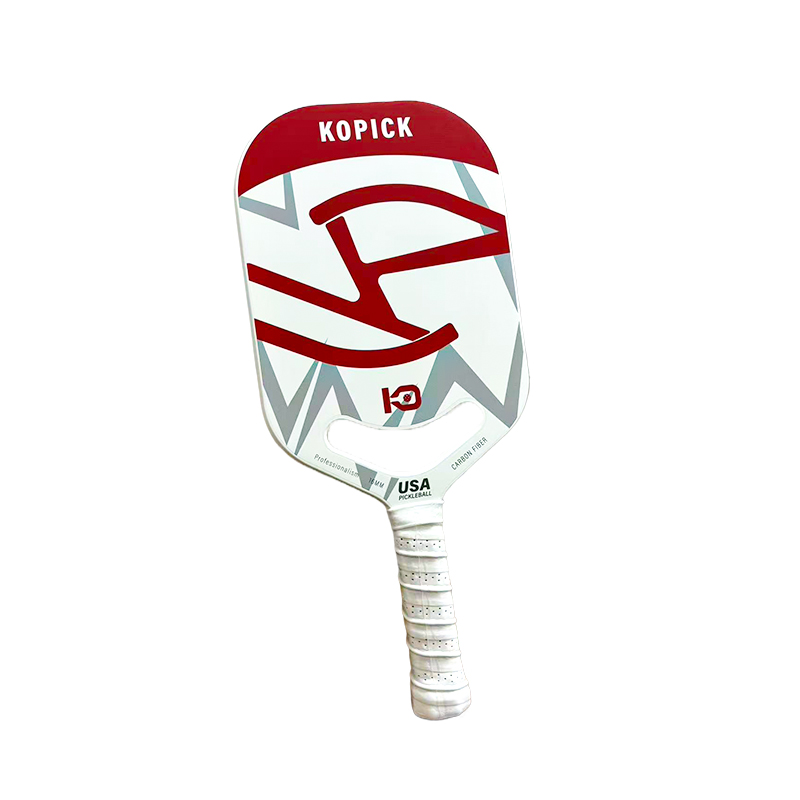
An edgeless pickleball paddle is exactly what it sounds like—no perimeter edge guard, just a smooth, flush surface from tip to handle. This design results in a streamlined profile, reducing potential mishits caused by edge interference. It’s the minimalist approach to paddle engineering, where every millimeter is intentional and sleek.
Comparison to Traditional Edged Paddles
Traditional paddles often rely on a thick edge guard to reinforce durability and protect against impacts. However, this edge can also interfere with ball contact near the rim and disrupt play for high-level competitors. Edgeless paddles eliminate this barrier, offering a more consistent feel and responsive touch across the entire face.
Performance Benefits on the Court
Functionally, edgeless paddles give players a slight edge—no pun intended—when it comes to maneuverability and spin. The absence of the bumper reduces drag during quick exchanges and dinks at the kitchen. In the hands of an experienced player, it can feel like wielding a surgical tool rather than a blunt instrument.
The Rise of Customization in Sports Equipment
Market Trends Driving Product Personalization
Consumers now crave individuality in every product they buy—from sneakers to smartphones. Sports gear is no different, and customization is quickly becoming the norm rather than the exception. Players are actively seeking paddles that match their style and playing identity.
Branding Opportunities for Sports Retailers
For retailers, custom paddles present a goldmine of opportunity. Offering bespoke paddles not only increases perceived value but also builds stronger customer loyalty. It allows brands to tell a richer story and build product lines that resonate with niche segments of the market.
Customization as a Competitive Advantage
Customization isn’t just a trend—it’s a strategic differentiator. In a competitive landscape, being able to offer tailored paddles can turn browsers into buyers and elevate a brand’s reputation. Those who embrace it now are setting themselves up for long-term market dominance.
Key Materials Used in Edgeless Paddles
Carbon Fiber vs Fiberglass Paddle Faces
Carbon fiber offers stiffness, power, and a crisp response—it’s like the Ferrari of paddle materials. Fiberglass, on the other hand, delivers more touch and flexibility, giving players that “feel” many crave. Choosing between the two depends on the play style a brand wants to promote.
Core Options: Polypropylene, Aluminum, and Nomex
Polypropylene cores are popular for their quiet, soft touch—great for control-based players. Nomex cores, being harder, offer explosive pop and speed, while aluminum cores provide a balance of control and durability. Each core type opens a different performance lane, and choosing wisely can make or break a product line.
Choosing Materials for Durability and Performance
Durability isn’t just about longevity—it’s about consistent performance over time. Materials should be selected with both use-case and branding goals in mind. Whether you’re targeting casual weekend warriors or tournament grinders, material choice matters.
Engineering Behind Edgeless Design
Structural Innovations in Paddle Molds
Edgeless paddles require precision engineering to ensure durability without the traditional edge reinforcement. Molds are built to support internal bonding methods that fuse face and core seamlessly. This is where tooling expertise meets innovation in composite science.
Edge-Free Construction Techniques
Specialized lamination techniques and pressure-curing processes are used to bond materials without leaving exposed seams. These edge-free builds demand tighter tolerances and higher quality control standards. It’s not a shortcut—it’s a masterclass in craftsmanship.
Balancing Weight, Power, and Control
Without the edge guard, manufacturers have more freedom to play with paddle balance and shape. This allows for unique combinations of weight distribution and sweet spot tuning. The goal is to create a paddle that feels like an extension of the player’s hand.
Design Aesthetics and Surface Finishing
Smooth Finishes for Premium Branding
Nothing says premium quite like a flawlessly smooth paddle face. Edgeless paddles allow for uninterrupted surface treatments, which is a dream for high-end branding. It gives the paddle a polished, professional look that draws eyeballs on the shelf and in play.
Custom Graphics and UV Printing
From full-color gradients to metallic logos, UV printing lets brands get bold with their designs. Logos can be printed sharp and clean without distortion or interference from edge guards. This printing method also holds up well under sun, sweat, and swing.
Anti-Slip Coatings and Color Treatments
Anti-slip coatings enhance grip during sweaty matches while adding texture to the design. Color treatments using specialized inks can create matte, gloss, or even color-shifting effects. These aren’t just bells and whistles—they’re branding tools that communicate quality.
OEM/ODM Capabilities for Custom Paddles
Full-Service OEM Offerings for Global Clients
OEM manufacturing provides brands with the ability to bring unique designs to life from scratch. This includes custom molds, materials, and finishes tailored to client specifications. It’s a turnkey solution that allows full control without the overhead of in-house production.
ODM Solutions for Faster Go-To-Market
For those who want speed, ODM is the fast lane. Clients can choose from proven paddle templates and apply their own branding elements—logos, grips, packaging—without starting from zero. It’s cost-effective, reliable, and scalable.
Benefits of Working with Experienced Manufacturers
An experienced manufacturer brings more than machines—they bring insights. From raw material sourcing to QC and logistics, having a seasoned partner ensures smoother operations and fewer surprises. The right factory can make or break your brand’s reputation.
Customization Options for Brands
Logo Placement and Sizing Flexibility
Edgeless paddles provide more printable real estate for custom logos and taglines. Brands can go bold with center-face logos or choose subtle placement near the grip. Sizing options are versatile, so whether you’re aiming for loud or low-key, there’s room to play.
Handle Grip Materials and Colors
From tacky synthetic leather to eco-friendly cork, handle grip customization is a major selling point. Color schemes can be matched to a brand’s palette or varied across models to offer customer choice. Even stitching color can become a part of the branding experience.
Custom Packaging and Retail Display Options
A paddle isn’t just sold—it’s presented. Custom retail boxes, hang tags, and QR-coded inserts can turn a product into an experience. Brands looking to dominate shelf space need to invest in packaging that pops.
Quality Control in Custom Paddle Manufacturing
In-House Inspection and Testing Protocols
Every custom paddle goes through rigorous inspection—from surface flaws to balance calibration. In-house QC teams test specs like deflection, surface flatness, and edge bonding. These protocols are key to ensuring the final product matches the brand’s promise.
International Safety and Performance Standards
Custom paddles should meet or exceed standards set by organizations like USA Pickleball or CE certification bodies. Compliance ensures the paddles can be sold worldwide without regulatory hiccups. It’s not just about performance—it’s about credibility.
Batch Consistency and Defect Minimization
Nothing kills a brand faster than inconsistency. Manufacturers invest in batch controls to ensure every unit meets the same spec as the one before it. Automated checks and human inspections work in tandem to keep defect rates low and customer satisfaction high.
Branding Strategies for Custom Paddles
Building Premium Lines Through Design
Design-led paddle lines can command higher price points and stronger loyalty. Cohesive graphics, materials, and packaging create a visual story that customers want to buy into. It’s about building an identity—not just a product.
Differentiating in Competitive Marketplaces
Unique shapes, colorways, and textures help paddles stand out in crowded markets. With the right customization options, brands can carve out a niche that competitors can’t touch. It’s all about being unmistakable.
Creating Cohesive Product Families
Successful brands don’t just sell one paddle—they build ecosystems. Offering variations across play styles, price points, and aesthetics helps reach a broader audience without diluting the brand. Think of it like building a wardrobe, not just one outfit.
Performance Testing and Player Feedback
Lab Tests for Spin, Power, and Control
Before a paddle hits the market, it gets put through the wringer. Laboratory testing measures torque response, deflection rate, coefficient of restitution, and spin potential. These objective metrics help dial in performance profiles to match target player segments—be it control-focused or power-heavy.
Real-World Trials with Pro Players
There’s no substitute for player feedback. Edgeless prototypes are often handed off to pros and club-level players who provide brutally honest assessments on feel, balance, and playability. These insights shape final iterations and make sure the product stands up to live-action intensity.
Adapting Design Based on Feedback
One round of feedback is never enough. Smart brands and manufacturers embrace a cycle of feedback, refinement, and retesting. Small tweaks—like changing the core thickness by a millimeter or adjusting grip taper—can turn a good paddle into a standout.
Private Label vs White Label Options
Key Differences and Business Considerations
Private labeling allows for full brand ownership—from design to materials—while white labeling is more about rapid branding over pre-made designs. The former requires more lead time and investment but offers higher margins and exclusivity. White labeling is quicker and cheaper, but more limited in long-term brand differentiation.
Customization Levels in Each Model
Private label paddles come with full-scale customization: shape, weight, materials, face graphics, and even handle ergonomics. White label options typically allow for logo placement and packaging tweaks but share base designs with other brands. Both models have their place depending on your business model and timeline.
Choosing the Right Strategy for Your Brand
If your brand is aiming to build a premium image or enter the competitive/pro market, private labeling is the ticket. But if you’re testing the waters or entering retail quickly, white labeling offers a low-risk entry point. The trick is aligning the model with your long-term goals.
Packaging and Retail Presentation
Branded Packaging Designs
Packaging isn’t just a container—it’s a silent salesman. Custom boxes with embossed logos, vibrant product photography, and clear value messaging enhance shelf appeal. First impressions matter, and packaging is often the first handshake with your customer.
Shelf Impact and Customer Appeal
Whether it’s in a sporting goods store or a pro shop, edgeless paddles with bold packaging command attention. Colors that pop, clean typography, and well-thought-out layouts can drive impulse buys. The goal? Stop shoppers in their tracks.
Unboxing Experience for Online Buyers
With online retail booming, unboxing has become part of the brand experience. Custom inserts, microfiber paddle sleeves, and thank-you notes turn a transaction into a moment. That emotional payoff builds brand loyalty in a way no discount ever could.
Logistics and Global Fulfillment
Lead Times for Bulk and Custom Orders
Time-to-market is everything. Custom paddles typically require lead times of 30 to 60 days depending on design complexity. Planning ahead and forecasting demand with your OEM partner can avoid stockouts or seasonal delays.
Warehousing and Drop-Shipping Support
Brands that lack warehousing infrastructure can benefit from manufacturer-managed logistics. Some OEM/ODM partners offer drop-shipping, warehousing, and just-in-time inventory support. This lightens your operational load and helps scale without headaches.
Shipping Solutions for Global Markets
Whether it’s going to Berlin, Brisbane, or Boise, global shipping logistics must be airtight. A reliable supply chain, efficient customs handling, and packaging that survives long hauls are key to protecting product integrity and brand reputation.
Sustainability in Paddle Production
Eco-Friendly Material Alternatives
The paddle industry is catching up with the green movement. Recycled carbon fiber, plant-based resins, and biodegradable packaging are becoming viable options. Brands that tap into sustainable sourcing aren’t just saving the planet—they’re appealing to a conscious consumer base.
Waste-Reduction in Manufacturing
Edgeless paddle molds often produce less scrap material due to tighter cutting tolerances and reduced edge material waste. Manufacturers are increasingly adopting lean production methods to reduce energy consumption and water usage. Efficiency is good for both the environment and the bottom line.
Sustainable Packaging Options
Ditching plastic clamshells in favor of kraft paper boxes or recycled pulp trays can give brands a green halo. Adding a sustainability message on the packaging helps communicate your commitment to eco-responsibility. This can sway purchasing decisions in your favor—especially in younger demographics.
Future Trends in Edgeless Paddle Customization
Smart Paddles and Embedded Tech
Tech is creeping into paddles. Embedded sensors that track swing speed, impact points, and stroke types are on the horizon. Customizing paddles with these smart modules will soon be as common as customizing grips.
Evolving Consumer Preferences
Today’s players want gear that not only performs but also makes a statement. Expect to see a rise in personalization options—player initials, limited-edition runs, and community-designed graphics. This wave of hyper-personalization will define the next era of paddle branding.
Next-Gen Printing and Design Capabilities
UV laser engraving, 3D texture printing, and AI-generated graphics are opening new frontiers in design. These advancements will enable paddles that are not just tools, but works of art. In the future, your paddle may say more about you than your T-shirt ever could.
Conclusion
Edgeless pickleball paddles are more than a passing fad—they’re the canvas for the next generation of brand expression and player connection. With a wide range of customization options, innovative engineering, and the backing of experienced OEM/ODM partners, brands have every reason to jump on this trend. The paddle game is changing fast—those who adapt will lead the rally.
Related Posts
Removable Sports Flooring to Reduce Total Cost
Roll Out Gym Flooring Buyers Trust for Fast Scaling

Indoor Pickleball Court Flooring That Cuts Landed Cost