Skip to content
Table of Contents
Categories

Charles Wong
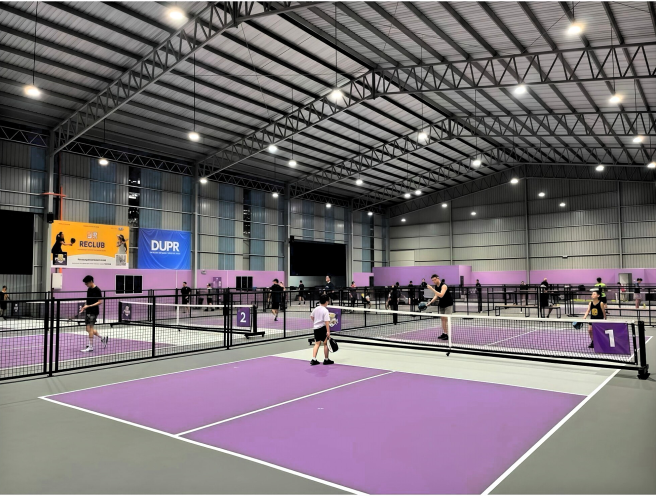
Introduction to Indoor Pickleball Flooring
Rising Popularity of Indoor Pickleball Worldwide
Pickleball has been taking the world by storm. In fact, it’s been growing faster than a pickleball rally at match point, especially indoors. The game, originally born in the U.S., has expanded globally, with players of all ages taking to courts across Europe, Asia, and beyond. As the sport’s popularity rises, more and more facilities are converting their gyms, warehouses, and sports complexes into indoor pickleball arenas. With indoor play, conditions are controlled, and players can keep swinging, even when the weather’s not cooperating. This surge in demand for indoor courts creates the need for specialized flooring that’s up to the task.
Flooring's Impact on Brand Perception and Playability
The flooring beneath a pickleball court isn’t just about functionality—it’s a huge part of how the game is perceived by players and fans alike. A slick, consistent playing surface can elevate the experience for athletes, allowing them to play their best. Brands that sponsor or provide equipment for indoor pickleball arenas understand that the quality of the flooring directly impacts how their product is experienced. A premium court surface can convey professionalism, ensuring both players and spectators associate your brand with quality. Simply put, the right flooring makes the game play smoother, safer, and more enjoyable.
Why Global Brands Require Tailored Flooring Solutions
When it comes to global brands, one-size-fits-all solutions just don’t cut it. Each market has unique requirements—whether it’s varying climate conditions, different types of play, or specific legal and environmental standards. For brands operating worldwide, a tailored flooring solution that can perform across multiple regions is essential. Flooring must not only support the high demands of professional play but also align with a brand’s image and marketing strategy. Customization options are key, as global brands need a flooring solution that speaks to their target audience while meeting international standards for safety, durability, and functionality.
What Global Brands Need in Pickleball Flooring
Consistent Quality Across Multiple Markets
For global brands, consistent quality is a must. Whether a court is being installed in Tokyo, London, or New York, the flooring must meet the same high standards, regardless of where it’s placed. Pickleball players expect the same smooth, safe, and responsive surface no matter where they play. Ensuring that the flooring performs consistently is key to maintaining brand reputation. This level of reliability means brands can confidently expand into new markets, knowing that their product will perform exactly the same, wherever it’s located.
Scalable Production and Timely Delivery
When a brand expands into new regions, it’s crucial that the flooring can scale with demand. Manufacturers need to be capable of ramping up production quickly and reliably without compromising on quality. Timely delivery is just as important, especially when dealing with tight construction schedules or market launches. Global brands can’t afford delays in the supply chain; they need flooring that can be delivered on time, every time. This is why selecting a flooring supplier with a proven track record of scaling production and meeting deadlines is crucial for brand success.
Strong Customization Capabilities
Customization is the name of the game when it comes to catering to global brands. From color schemes and logos to specific performance features, branded flooring must match the overall aesthetic and functional requirements of the brand. Tailored designs are important not only for marketing purposes but also to meet specific court dimensions and material preferences. Whether it’s the addition of special non-slip textures or incorporating the brand’s colors and logos directly into the flooring, manufacturers need to offer flexibility in design to accommodate diverse branding needs.
Core Materials Used in Indoor Pickleball Flooring
Common Materials Like PVC, PU, and Rubber
When it comes to materials for indoor pickleball flooring, durability and safety are the top priorities. PVC (polyvinyl chloride), PU (polyurethane), and rubber are commonly used materials. PVC is a popular choice for its affordability, durability, and ease of maintenance. PU, on the other hand, is known for its superior resilience and shock absorption, making it a favorite for high-performance courts. Rubber is prized for its excellent grip and slip resistance, offering players the traction they need for fast-paced rallies. Choosing the right material depends on factors like budget, court usage, and desired performance characteristics.
Performance Differences Among Flooring Types
Each material offers distinct performance advantages. For example, PVC is generally harder and more durable but may lack the shock absorption of PU, which makes for a softer, more forgiving playing surface. Rubber flooring tends to provide a great balance between grip and comfort, but it may be more expensive than PVC. It’s important for procurement professionals to evaluate the specific needs of the facility—whether that’s high impact resistance, optimal grip, or long-term durability—and select the flooring material that best suits those needs.
Environmental and Health Considerations
In today’s environmentally-conscious world, choosing the right flooring isn’t just about performance—it’s about sustainability. Many global brands are increasingly concerned with the environmental footprint of their products. Materials like PVC and rubber can be recycled, but they may also contain chemicals that are harmful to both human health and the environment. This is where PU flooring, with its more eco-friendly production processes, can stand out. Brands also need to consider the flooring’s indoor air quality, ensuring it does not release harmful VOCs (volatile organic compounds) or other pollutants into the space.
Durability and Safety Standards
Impact Resistance and Shock Absorption
Indoor pickleball courts take a beating, especially with the fast, dynamic movements of players. Flooring must be able to withstand high-impact use without cracking, warping, or degrading over time. Shock absorption is a key factor in preventing injuries, particularly for older players or those prone to joint issues. Floors designed with adequate shock absorption can help reduce strain on knees, ankles, and joints, providing a more comfortable and safe playing surface. Brands must choose flooring that maintains its structural integrity, even under heavy use.
Slip Resistance and Surface Traction
A safe playing surface is non-negotiable. Slippery floors can lead to injuries, and that’s the last thing any brand wants associated with their courts. Proper traction is crucial for both professional-level play and recreational games. Flooring needs to offer the perfect balance—firm enough to allow fast movement but smooth enough to prevent too much friction, which can tire out players. Manufacturers should prioritize slip-resistant properties in the design phase to ensure courts provide optimal grip, regardless of weather conditions or wear over time.
Long-Term Wear and Tear Management
Like any piece of equipment, pickleball flooring is subject to the wear and tear of constant use. Players running, sliding, and pivoting on the surface can cause the material to degrade over time. The best floors are built to last, with materials engineered to handle decades of play without significant degradation. Flooring that retains its visual appeal, grip, and safety over the long haul is a significant selling point for global brands, as it reduces the need for costly replacements and repairs. Choosing a flooring system that holds up against wear is crucial to the brand’s bottom line.
Customization for Brand Differentiation
Branded Colors, Logos, and Court Markings
For brands, differentiation is everything. A custom court design can include branded colors, logos, and markings that align with the brand’s overall identity. This is not only a great way to promote brand recognition, but it also creates a unique experience for players. Whether it’s incorporating a signature color scheme or designing exclusive court patterns, these elements make the court stand out as part of the brand’s identity. Customization is a powerful tool for elevating brand presence in a competitive market.
Tailored Surface Textures and Finishes
Another aspect of customization lies in the surface texture and finish. Different surface finishes can impact the game’s pace, the level of ball bounce, and even the players’ grip. Some brands may prefer a matte finish for a more traditional look, while others may choose a glossy finish to give their court a more polished, high-end feel. Tailoring surface textures not only adds to the brand’s aesthetic but also directly impacts playability, making it an essential consideration when designing courts for global markets.
Custom Shapes and Dimensions
While most pickleball courts follow standard dimensions, global brands often need flexibility to accommodate various space sizes or regional preferences. Custom shapes and dimensions can help maximize the use of available space, whether that’s in a small gym or a large, multi-court facility. Brands can stand out by offering bespoke court designs that optimize their environment, enhance player experience, and give their venue a signature look.
OEM/ODM Solutions for Brand Procurement
Benefits of Private Labeling and Full Customization
OEM and ODM solutions are particularly appealing to global brands looking for exclusivity and flexibility. Private labeling allows brands to control the look and feel of their product while leveraging the manufacturer’s expertise in creating high-quality flooring systems. Full customization ensures that every detail—from the logo to the color to the material—aligns with the brand’s vision. These options provide companies with a competitive edge, as they can offer a unique product tailored to their customers’ needs.
Supporting Documentation and Packaging
When dealing with global markets, having the right documentation and packaging is essential. International procurement requires detailed instructions on installation, maintenance, and safety guidelines. Custom packaging, too, ensures that the flooring arrives in top condition without damage during transit. Manufacturers should be able to provide all necessary documentation in multiple languages to comply with regional regulations, adding another layer of professionalism to the brand’s offering.
Flexibility in Design and Production
OEM/ODM partnerships offer global brands the flexibility to experiment with new designs, materials, and production techniques. This flexibility allows brands to react quickly to market trends and customer demands. Whether it’s a custom color, a specific material composition, or a unique texture, manufacturers working under an OEM/ODM agreement can accommodate these requests without the hassle of off-the-shelf products. This adaptability is crucial for staying ahead of the competition in the fast-paced pickleball market.
Meeting Global Compliance Standards
ISO, ASTM, and EN Certifications
For global brands, adhering to international standards is non-negotiable. Certifications such as ISO (International Organization for Standardization), ASTM (American Society for Testing and Materials), and EN (European Norms) are essential for maintaining product consistency and quality across borders. These certifications ensure the flooring is tested for its structural integrity, safety, and performance, giving brands the peace of mind they need when expanding into diverse markets. Meeting these standards not only strengthens a brand’s reputation but also reassures customers that the flooring meets globally accepted quality benchmarks.
VOC Emissions and Indoor Air Quality
Indoor air quality is a growing concern, particularly with the rise of environmental consciousness among consumers. Flooring materials that emit high levels of VOCs (volatile organic compounds) can negatively impact the health of players and staff. Global brands, especially those marketing to eco-conscious consumers, must ensure that their flooring options are low-VOC or VOC-free. This not only complies with regulations but also demonstrates a commitment to sustainability and the well-being of end-users. Manufacturers focusing on low-emission materials create a healthier environment and boost the brand’s green credentials.
Anti-Bacterial and Fire-Resistant Properties
In addition to environmental concerns, safety is paramount. Flooring designed for indoor pickleball must have anti-bacterial properties to minimize germs and bacteria, particularly in high-traffic areas where hygiene is crucial. Additionally, fire-resistant materials ensure that courts are safe in case of an emergency. These dual features add a layer of security for players and facility managers alike. By meeting both antibacterial and fire-resistance standards, brands can guarantee that their courts are not only safe but also compliant with building codes and regulations.
Installation Methods and Support
Modular Tiles vs. Roll-Out Flooring Systems
The choice between modular tiles and roll-out flooring systems can make or break a project’s timeline and budget. Modular tiles are incredibly versatile, allowing for easier installation, replacement, and maintenance without disrupting the entire court. They offer the flexibility of customization, enabling courts to be rearranged if necessary. Roll-out systems, on the other hand, provide a seamless surface and are typically quicker to install in large areas. Depending on the scope of the project, global brands must evaluate which system is more suited to their specific needs, balancing cost, installation time, and long-term maintenance.
On-Site Training and Technical Support
A strong relationship with a flooring manufacturer goes beyond just providing the product; it extends to ongoing technical support. Manufacturers should offer on-site training to ensure proper installation and maintenance, particularly for complex modular systems. Having a technical expert available to troubleshoot any installation or maintenance issues can prevent costly mistakes and delays. This proactive support helps global brands maintain the quality of their courts throughout their lifecycle, keeping players happy and facilities running smoothly.
Post-Installation Care and Maintenance
Flooring doesn’t end with installation—it’s an ongoing process that requires proper maintenance to maximize its lifespan and performance. Manufacturers should provide clear guidelines on how to maintain the court, including cleaning protocols, inspections for wear and tear, and how to address any damage. This ongoing care is essential for preserving the integrity of the surface and ensuring a consistent, high-quality playing experience. Brands that offer continued support after installation foster stronger customer loyalty, ensuring long-term satisfaction.
Cost and Budget Considerations
Price Factors in Materials and Production
When selecting indoor pickleball flooring, one of the first factors to consider is the overall cost. Materials like PVC and rubber have varying price points based on quality, durability, and performance. Additionally, production methods and manufacturing locations can significantly affect the cost structure. While it may be tempting to opt for the cheapest option, global brands should evaluate the long-term value of the flooring, considering its lifespan, maintenance needs, and the brand’s overall image. Higher upfront costs can often result in lower total costs over time if the flooring holds up better to wear and tear.
Bulk Order Pricing and Logistics
For global brands that require flooring for multiple courts or facilities, bulk order pricing is a key consideration. Ordering in bulk can lead to significant cost savings, but it also involves logistics management. Brands must ensure that the supplier has the capacity to handle large orders, while also meeting delivery timelines and managing shipping costs effectively. Furthermore, it’s essential to factor in potential customs duties, taxes, and other import-related costs when budgeting for international installations. Efficient logistics are crucial for meeting deadlines and avoiding unexpected costs.
Calculating Long-Term Value and ROI
Investing in high-quality flooring should be viewed as a long-term investment rather than a one-off expense. Global brands need to carefully assess the return on investment (ROI) of their flooring choice. This involves considering factors such as reduced maintenance costs, durability, player satisfaction, and the long-term reputation of the brand. A well-chosen floor can enhance customer retention, attract sponsorship deals, and provide a superior playing experience that keeps players coming back for more. The ROI of durable, high-performing flooring is felt not just in cost savings but in the intangible benefits of brand prestige and loyalty.
Sustainability and Eco-Conscious Manufacturing
Use of Recycled and Recyclable Materials
Sustainability is no longer just a buzzword—it’s a business imperative. Flooring manufacturers are increasingly turning to recycled materials to create products that are both high-performing and environmentally friendly. Recycled PVC, rubber, and other materials can be repurposed into durable, long-lasting flooring options that reduce environmental impact. Global brands that prioritize sustainability demonstrate a commitment to reducing their carbon footprint, which resonates with eco-conscious consumers and aligns with global trends toward greener manufacturing.
Energy-Efficient Production Processes
The process of creating flooring can be energy-intensive, but advances in manufacturing technologies have made it possible to reduce energy consumption. Brands looking to minimize their environmental impact should seek manufacturers that invest in energy-efficient production methods. This not only lowers the carbon footprint of the flooring itself but also reduces operational costs, making it a win-win for both the planet and the bottom line. Energy-efficient practices are becoming a standard expectation for global brands, signaling a commitment to sustainability at every stage of the supply chain.
Green Certifications and Eco-Labeling
Sustainability certifications, such as Green Seal or the Forest Stewardship Council (FSC), are becoming more prevalent in the flooring industry. These eco-labels provide a guarantee that the flooring has been produced using environmentally responsible methods. Brands looking to make a sustainable impact should prioritize suppliers with these certifications, ensuring that their flooring meets the highest environmental standards. Green certifications not only align with global sustainability goals but also appeal to customers who value eco-friendly products.
Innovation in Flooring Technology
Anti-Fatigue and Energy-Return Surfaces
Innovative flooring technologies now offer more than just protection and durability—they enhance player performance. Anti-fatigue surfaces are specifically designed to reduce the stress placed on players’ legs and joints during long periods of play. These surfaces incorporate materials that absorb and redistribute energy, providing a softer feel without sacrificing performance. This not only benefits athletes in terms of comfort and injury prevention but also improves their overall game. For global brands looking to cater to a wide range of players, offering flooring that reduces fatigue can set them apart from competitors and demonstrate a commitment to player welfare.
Smart Features Like Embedded Sensors
As the fitness and tech industries continue to merge, “smart” courts are becoming increasingly popular. Flooring systems with embedded sensors track player movement, shot speed, and other performance metrics in real-time. These sensors can provide valuable data to coaches, facility managers, and players themselves, improving training and performance. For brands with a forward-thinking vision, investing in smart flooring technologies can create a unique selling point and elevate the user experience. Whether it’s through tracking player statistics or integrating with apps for feedback, smart floors are leading the way in innovative pickleball court technology.
Lightweight and Portable Flooring Options
Not every venue has the space or infrastructure for permanent indoor courts, which is where lightweight and portable flooring systems come into play. These systems, often modular, can be easily set up and taken down without the need for complex installations. Perfect for temporary courts or multi-purpose venues, portable flooring options offer unmatched flexibility. Global brands looking to appeal to facilities with fluctuating needs or mobile events can benefit greatly from providing lightweight, durable flooring systems that allow for easy transport and installation without sacrificing performance.
Case Studies of Successful Brand Deployments
Major International Brand Rollouts
Over the past few years, several high-profile global brands have invested in indoor pickleball flooring systems to promote their involvement in the sport. From large-scale court installations at sports complexes in North America to smaller, boutique courts in Asia and Europe, these brands have reaped the benefits of offering high-quality, custom flooring solutions. A major international brand, for instance, could roll out hundreds of courts across multiple regions, ensuring that players everywhere enjoy the same premium experience. These case studies provide valuable lessons in scaling up operations, managing logistics, and meeting regional specifications—all while maintaining brand consistency and player satisfaction.
Region-Specific Customization Examples
What works in one part of the world might not work in another. That’s why successful brands tailor their flooring solutions based on regional preferences and regulatory requirements. For example, in markets with high humidity levels, flooring may need to be treated to prevent warping or mildew growth. In countries with colder climates, heating systems may need to be integrated into the flooring design. Case studies of region-specific customization showcase how flooring solutions can be adapted to meet unique challenges, giving global brands the ability to cater to local tastes and conditions while maintaining their global identity.
Long-Term Performance Feedback
Long-term performance feedback is a crucial aspect of evaluating the success of a flooring solution. In successful brand deployments, feedback from players, facility managers, and maintenance teams helps fine-tune future designs. For instance, consistent wear patterns on certain areas of the court may indicate the need for improved durability in those specific sections. Brands that incorporate this kind of feedback into their product development cycle can ensure their flooring remains relevant and high-performing over time. Monitoring long-term performance also ensures that brands can proactively address any issues, further cementing their commitment to quality.
Supply Chain and Logistics Capabilities
Global Distribution and Warehousing
For global brands, an efficient and reliable supply chain is key to keeping operations running smoothly. Flooring manufacturers must have a robust distribution network that can handle shipments to various regions, whether it’s to the U.S., Europe, or emerging markets in Africa and Asia. Warehousing capabilities are equally important to ensure that products are stored correctly, and are readily available for immediate shipment. A well-established global supply chain ensures that brands can meet tight deadlines and avoid disruptions, ensuring that facilities around the world get their flooring on time, every time.
Just-in-Time Delivery and Freight Options
Just-in-time (JIT) delivery has become the gold standard in global manufacturing, particularly for companies that want to reduce excess inventory costs and avoid overstocking. With JIT, flooring manufacturers can ensure that materials are delivered exactly when needed, keeping production lines moving without unnecessary delays. Along with JIT, having flexible freight options—whether by air, sea, or land—allows manufacturers to optimize delivery routes and costs. For global brands, this streamlined delivery model means they can maintain control over their inventory while ensuring timely installations in different regions.
Customs and Compliance Handling
Shipping flooring across borders introduces the complexity of dealing with customs regulations and import duties. Global brands must choose flooring manufacturers that are experienced in navigating these challenges. Manufacturers with a global footprint are typically well-versed in international customs procedures and can handle the necessary paperwork to ensure smooth clearance through customs. By partnering with such manufacturers, brands avoid delays and unexpected costs that could potentially affect their product rollout. Ensuring compliance with international trade laws and regulations is essential for maintaining a positive relationship with distributors and customers worldwide.
Overcoming Common Procurement Challenges
Ensuring Consistent Quality Across Orders
One of the biggest hurdles in global procurement is maintaining consistent quality, especially when ordering in bulk. For large-scale projects, such as equipping multiple facilities in various countries, brands need to be confident that each batch of flooring meets the same high standards. This requires tight quality control processes and regular inspections at every stage of production, from raw materials to final product. Brands that insist on quality at every step of the supply chain are less likely to face issues like product defects or mismatched flooring when installing courts across different regions.
Managing Lead Times and Stock Levels
Lead times are another challenge in global procurement. Flooring production and delivery can be impacted by factors such as raw material availability, factory capacity, and shipping logistics. For brands that operate on tight schedules—such as launching a new facility or event—managing lead times and stock levels is critical to ensuring that projects stay on track. Manufacturers with the ability to predict and manage lead times, as well as maintain adequate stock levels to fulfill large orders, are valuable partners in ensuring smooth and timely project execution.
Aligning Product Specs with Regional Regulations
Different regions have different standards for indoor sports facilities. Whether it’s the thickness of the flooring, the texture of the surface, or the environmental impact of materials, global brands must ensure their flooring complies with local regulations. Manufacturers should work closely with brands to align product specifications with the specific legal and safety requirements of each market. By staying ahead of regulatory changes and offering tailored solutions, brands can avoid costly compliance issues and ensure their flooring is approved for use in all target regions.
How to Evaluate a Flooring Manufacturer
Key Criteria for Vetting Suppliers
Choosing the right manufacturer is crucial for global brands looking for reliable, high-quality flooring. A comprehensive evaluation process should consider factors such as the manufacturer’s track record, production capacity, and ability to meet deadlines. Brands should also assess the manufacturer’s technological capabilities, particularly in terms of customization and innovation. Suppliers should be able to provide a portfolio of previous projects and demonstrate their expertise in the field of indoor sports flooring, ensuring they can meet the specific needs of the brand.
Site Audits and Production Capacity Reviews
Before committing to a manufacturer, it’s important to conduct site audits and production capacity reviews. These audits help confirm that the manufacturer has the necessary facilities and expertise to produce flooring at the scale required. A site visit can also provide insight into the manufacturer’s quality control processes and sustainability practices. Ensuring that the manufacturer’s operations align with the brand’s expectations is an essential step in the procurement process.
Reputation, Experience, and Client Testimonials
A manufacturer’s reputation speaks volumes about the quality of their product and their customer service. Global brands should look for manufacturers with extensive experience in the flooring industry and solid client testimonials. Industry references and case studies can provide invaluable insight into how well the manufacturer has delivered on large-scale projects in the past. Choosing a reputable manufacturer ensures that global brands can rely on their expertise and track record of success.
Making the Right Flooring Choice for Your Brand
Aligning Product Features with Brand Goals
The right flooring can serve as an extension of your brand identity. Whether a brand is aiming for a premium, high-performance look or a budget-friendly, functional court, the flooring should align with the company’s overall vision. A thorough understanding of your brand’s goals—whether it’s innovation, cost-effectiveness, or player satisfaction—will help guide the flooring selection process. For global brands, it’s essential to select flooring that supports both the brand’s values and the needs of the players.
Planning for Future Scalability
As the sport of pickleball continues to grow, brands need to choose flooring that can scale with the increasing demand for courts. Planning for future scalability involves selecting a flooring solution that can easily be adapted or expanded as new facilities open or new markets emerge. Manufacturers that offer scalable, modular solutions allow brands to plan ahead for future growth while maintaining consistency across all installations.
Steps to Initiate an OEM/ODM Partnership
For global brands looking to create a bespoke flooring solution, initiating an OEM/ODM partnership is the logical next step. This process typically begins with discussing the brand’s needs, preferences, and specifications with a manufacturer. From there, the manufacturer can propose designs, materials, and production timelines that align with the brand’s goals. Establishing a strong, communicative relationship with the right manufacturer ensures that the flooring solution is tailored perfectly to the brand’s specifications and market needs.
Related Posts
Removable Sports Flooring to Reduce Total Cost
Roll Out Gym Flooring Buyers Trust for Fast Scaling

Indoor Pickleball Court Flooring That Cuts Landed Cost