Skip to content
Table of Contents
Categories

Charles Wong
About 2025 Pickleball Paddle Market
Growth of pickleball as a global sport
Pickleball isn’t just a fad anymore—it’s a full-blown global movement. What started as a quirky backyard game has turned into one of the fastest-growing sports on the planet, with new courts popping up in North America, Europe, and Asia seemingly every week. Millions of people are picking up paddles for the first time, fueling tournaments, leagues, and even TV coverage.
This explosion in participation is creating a ripple effect in the paddle industry. Suddenly, the paddle isn’t just a piece of gear—it’s the centerpiece of the sport. For brands and procurement teams, the sheer scale of this growth is impossible to ignore.
Rising demand for innovative paddle designs
Players today know what they want, and they aren’t shy about demanding it. Beginners crave paddles that are lightweight and forgiving, while pros are looking for tools that deliver precision and raw power. Innovation isn’t just a “nice-to-have”—it’s the difference between a best-seller and a warehouse dust collector.
That means procurement decisions now hinge on how forward-thinking a paddle design is. Every season brings a new wave of features, and players are quick to jump on fresh ideas that give them even the slightest edge.
Importance of staying ahead of equipment trends
In pickleball, yesterday’s hot paddle can quickly become today’s clearance item. The market is moving at lightning speed, influenced by viral clips, pro endorsements, and shifting play styles. If a brand isn’t anticipating what’s next, it’s already falling behind. For procurement professionals, staying ahead of the curve isn’t just important—it’s survival. Spotting the next big trend before it hits the mainstream is what separates leaders from laggards.
Materials Driving the Next Generation of Paddles
Advances in carbon fiber and composite blends
Carbon fiber is still king, but the throne is getting an upgrade. Manufacturers are experimenting with blends of carbon, fiberglass, and even Kevlar to create paddles that are stronger, lighter, and more responsive than ever before.
The result? Paddles that feel alive in a player’s hands, offering both touch for soft dinks and the explosiveness needed for baseline drives. For buyers, these advanced composites are a clear signal that the industry is leveling up.
Lightweight cores improving playability
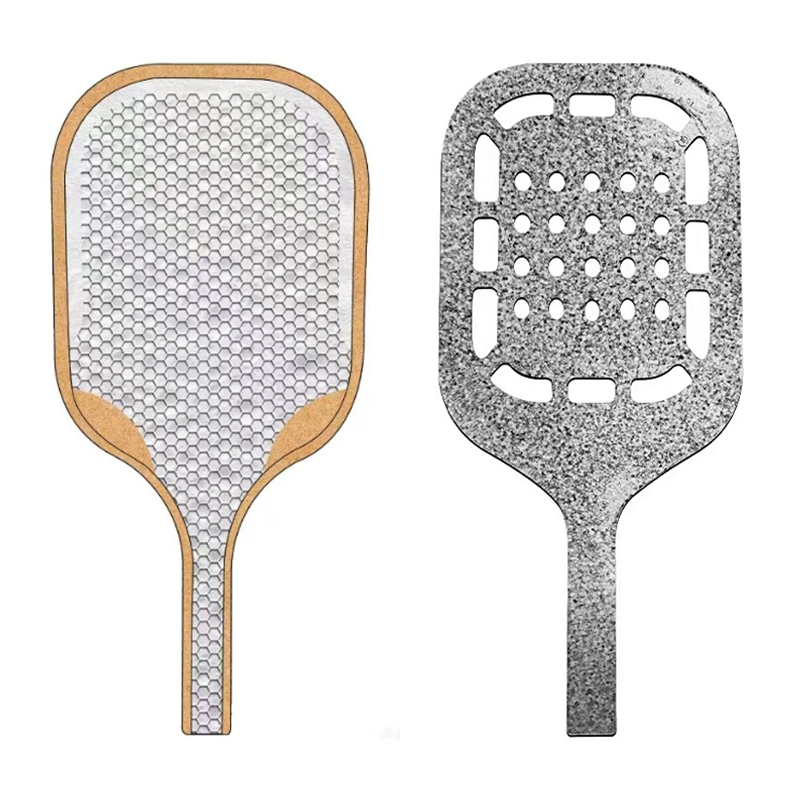
The paddle’s core has quietly become the heartbeat of innovation. Honeycomb polymer cores, once a niche feature, are now standard in high-performance models. They give players a paddle that reacts fast at the net while staying durable enough for long rallies.
By adjusting density and layering, manufacturers are building cores tailored to specific play styles—soft cores for control freaks, harder cores for power hitters. For procurement pros, this means more ways to match the right product with the right audience.
Sustainable materials shaping procurement choices
Eco-conscious buyers are speaking loud and clear: sustainability matters. Paddles made with recycled composites, biodegradable resins, or eco-friendly adhesives are gaining traction. And it’s not just about being “green”—it’s about aligning with values. Brands that lean into sustainability earn trust and long-term loyalty. For procurement, sourcing eco-friendly paddles isn’t just good ethics—it’s good business.
Design Innovations for Performance and Play Style
Paddle shapes catering to power vs. control
Not all players swing the same, and paddle shapes are reflecting that reality. Elongated paddles give aggressive players extra reach and torque, while wider bodies appeal to control-first players who live for precision at the kitchen line.
This variety is letting players choose paddles that truly fit their style instead of settling for one-size-fits-all. Offering that choice is a winning move for any brand.
Edge technology and durability upgrades
Edges aren’t just about protection anymore—they’re about performance. New edge guards are designed to absorb shock, minimize vibration, and extend a paddle’s lifespan. Some even reduce “dead spots,” making every inch of the face playable.
Durability upgrades like these matter to players who are grinding through daily games and don’t want to replace their paddle every few months. Procurement professionals know longevity is a major selling point, especially for recreational buyers.
Custom grip designs for diverse player needs
The grip is where it all comes together—it’s literally the connection between player and paddle. Manufacturers are offering customizable grip sizes, ergonomic shapes, and even sweat-resistant materials.
That’s a big win for inclusivity. Seniors, juniors, and pros alike can now find grips that feel right in their hands. Procurement teams that stock paddles with grip variety appeal to the widest possible base of players.
Technology Integration in Paddle Manufacturing
Smart paddles with data-tracking features
Yes, smart paddles are officially here. Embedded sensors now track swing speed, shot spin, and accuracy, sending feedback directly to an app. For players, it’s like having a personal coach in their hands.
Pros are using them to fine-tune their training, while recreational players enjoy the gamification of tracking their stats. It’s a whole new product category, and it’s only going to grow.
Precision engineering for consistent quality
Players expect every paddle off the production line to feel identical, and precision engineering makes that possible. With laser cutting and CAD-driven manufacturing, consistency is no longer a question mark.
That reliability builds confidence—not just for players, but also for procurement professionals who need large, uniform batches of product with zero headaches.
Automated production for faster scalability
The pickleball boom isn’t slowing down, which means demand is only going up. Automated production lines are helping manufacturers meet that demand without sacrificing quality.
Robotics, AI-driven checks, and streamlined assembly are cutting down errors and speeding up lead times. For brands expanding globally, that scalability is the secret weapon.
Market Trends Impacting Buyer Decisions
Growth of recreational vs. professional segments
Recreational players make up the lion’s share of the market, and they want durable, affordable paddles they can take to their local courts. But pros—and the serious amateurs chasing them—are fueling the high-performance end of the spectrum.
Balancing these two groups is the challenge. Successful brands offer both: affordable lines for casual players and pro-level gear for those chasing medals.
Influence of social media on product adoption
Scroll through TikTok or Instagram, and you’ll see why social media is shaping this sport. A single viral highlight of a pro using a new paddle can send demand through the roof overnight.
Procurement professionals know that paddles with strong influencer or pro endorsements don’t just sell—they fly off the shelves. Social buzz is now as critical as manufacturing specs.
Regional demand differences shaping procurement
What sells in Los Angeles may not sell in Seoul. North America leans heavily toward premium, high-performance paddles, while Europe values affordability. Asia is seeing explosive growth in both recreational and competitive categories.
Procurement strategies that adapt to these regional quirks maximize market penetration and prevent missed opportunities. One-size-fits-all simply doesn’t work anymore.
Customization Opportunities for Global Brands
Customization to fit brand positioning
OEM and ODM manufacturers are giving brands more freedom than ever to customize. From unique shapes and graphics to private-label designs, customization lets brands build identity right into the paddle.
Limited editions and exclusive drops also create buzz, keeping players engaged and excited. For procurement pros, customization is a way to stand out in a crowded market.
Cost efficiency through large-scale production
The bigger the scale, the lower the cost per unit. Large-scale OEM and ODM production makes it possible to balance quality and affordability while keeping margins healthy.
This is critical for staying competitive in recreational markets where price sensitivity runs high. For brands, it’s about hitting that sweet spot between value and performance.
Flexibility in meeting short product life cycles
Consumer tastes change fast. Paddles that are hot one year can be out of style the next. OEM/ODM partners offer the agility to pivot quickly—updating designs, tweaking specs, or launching limited runs.
That flexibility is gold for procurement teams, ensuring product lines stay fresh and relevant without major delays.
Compliance, Quality, and Certification Standards
Meeting international sports equipment regulations
To play in tournaments, paddles need to meet strict regulations from groups like USA Pickleball. Everything from size to surface finish has to be approved.
Brands that don’t meet these standards won’t make it into the competitive scene, which is a deal-breaker for serious players. Compliance isn’t optional—it’s the ticket to legitimacy.
Ensuring durability testing and performance validation
Durability is one of the first things players ask about. Manufacturers are now running paddles through stress tests, impact trials, and real-game simulations to guarantee reliability.
This kind of validation gives procurement teams confidence that they’re stocking gear built to last—and that translates into fewer returns and happier customers.
Importance of ethical and transparent sourcing
Consumers care more than ever about where their gear comes from. Ethical sourcing—fair labor, sustainable materials, transparent practices—isn’t just about doing good. It’s about building trust.
For procurement professionals, aligning with transparent suppliers strengthens brand reputation and appeals to a more conscientious buyer base.
Future Outlook for Pickleball Paddles Beyond 2025
Expected breakthroughs in material science
The next wave of paddle innovation may come from material science. Think nanotech-infused faces that adjust to swing speed or biomaterials that are lighter and stronger than carbon.
These aren’t far-off fantasies—they’re the likely future. Procurement teams that keep tabs on these breakthroughs will be the first to seize the advantage.
Growing potential in niche market segments
Youth paddles, senior-friendly paddles, pro-level lines—niche markets are carving out serious space. Catering to these segments broadens a brand’s reach while diversifying revenue streams.
It’s not just about volume anymore—it’s about depth. Brands that meet the needs of these communities will earn loyalty for the long haul.
Long-term opportunities for brand differentiation
Specs matter, but brand storytelling will matter even more. Players want paddles that perform, but they also want to connect with the values behind the brand.
Whether it’s sustainability, innovation, or community, the brands that tell the best stories will rise above the noise. For procurement professionals, choosing partners who embody those values is a long-term play for loyalty and growth.
Related Posts
Removable Sports Flooring to Reduce Total Cost
Roll Out Gym Flooring Buyers Trust for Fast Scaling

Indoor Pickleball Court Flooring That Cuts Landed Cost