Skip to content
Table of Contents
Categories

Charles Wong
1. Introduction to Permanent Pickleball Nets
Growing Demand for Permanent Installations
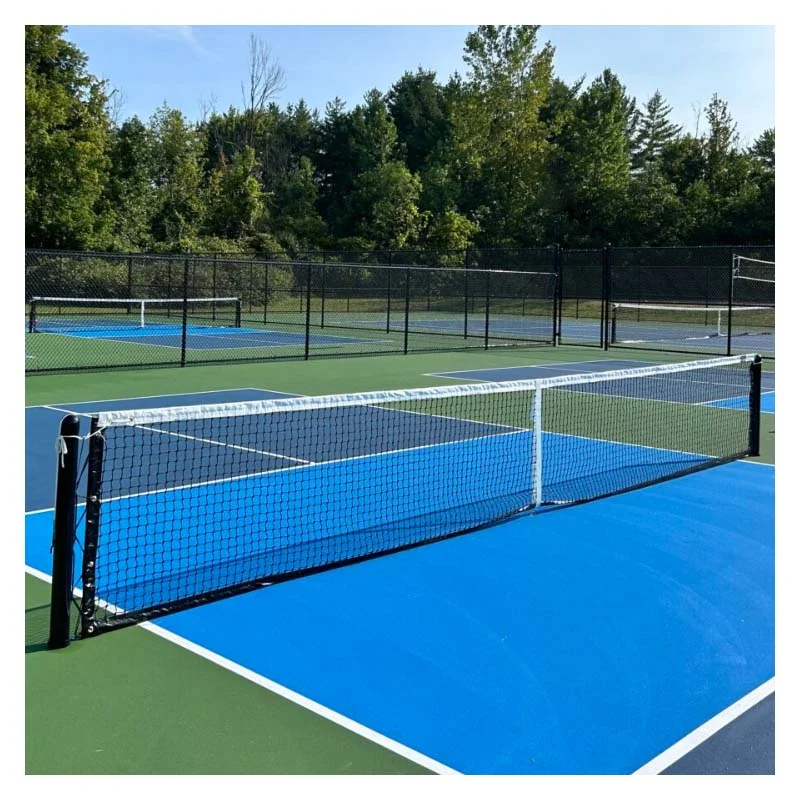
The boom in pickleball’s popularity has lit a fire under facility planners and municipalities to move past temporary solutions. Permanent pickleball nets are quickly becoming the go-to infrastructure choice for venues that are serious about long-term serviceability. As playtime volume increases, so does the expectation for professional-grade court setups that can go the distance.
Benefits Over Portable Nets
Portable nets may be great for casual backyard rallies, but when you’re dealing with relentless traffic and daily rotation of players, the cracks start to show—literally. Permanent nets provide unshakable consistency, better net tension retention, and eliminate setup headaches altogether. They also remove trip hazards and improve the aesthetic and perceived professionalism of any facility.
Why Durability Matters for Heavy Use
In the world of public and commercial pickleball courts, wear and tear is as constant as the serve. A net that buckles under pressure or frays at the edges within months will not only sour user experience but hammer your maintenance budget. That’s why ruggedized materials and commercial-grade engineering are non-negotiable for permanent setups designed for daily pounding.
2. Understanding Heavy Daily Use Environments
High-Volume Traffic at Public Courts
Public pickleball courts are often under siege from sunup to sundown, with players rotating in and out like clockwork. These courts face everything from beginner mishits to high-velocity slams from seasoned players. This relentless rhythm calls for nets that won’t quit halfway through a season.
Club-Level Demands and Organized Play
Private clubs and athletic centers are a different animal. They run leagues, lessons, and tournaments—all of which demand unwavering net integrity. In these structured environments, players expect precise net height, perfect tension, and no downtime due to hardware malfunctions.
Wear from Frequent Net Tension and Adjustments
Constant adjusting, tugging, and retensioning will chew through inferior materials fast. Nylon cords stretch, budget buckles warp, and center straps can become a mess. Heavy daily use amplifies even the smallest design flaws, making robust adjustment systems and reinforced net junctions absolutely essential.
3. Material Selection for Longevity
Powder-Coated Steel and Aluminum Frames
Steel gives you brute strength, while aluminum offers rust resistance with a lighter touch. The key is in the powder coating—a baked-on finish that fends off chipping, oxidation, and impact damage like armor. Facilities looking for a set-it-and-forget-it solution should look no further than these battle-tested materials.
UV-Resistant and Rot-Proof Netting
Nothing kills a net quicker than ultraviolet exposure and moisture. Top-tier netting is woven from synthetic fibers like HDPE or polyester that are treated to resist fraying, rotting, and sagging, even under the blaze of midday sun or drizzled-on mornings. It’s a difference you feel when a net holds true season after season.
Stainless Steel and Corrosion-Proof Hardware
If your court lives near a coast or sees frequent rain, you’re in the corrosion danger zone. Stainless steel hardware—from bolts to eyelets—ensures that salt air and moisture don’t send your infrastructure to an early grave. Anti-seize coatings and sealed fasteners are the unsung heroes of long-haul durability.
4. Structural Engineering and Load Capacity
Reinforced Support Posts and Crossbars
The foundation of a solid net system starts with the posts. Reinforced inner walls, welded seams, and structural-grade metals give these posts the spine to handle lateral force and wind shear without wobble. Crossbars must remain taut under tension, or else net sag becomes inevitable.
Ground Anchoring Systems for Added Stability
A permanent net is only as stable as its anchoring method. In-ground concrete footings or flange-mounted anchor plates ensure that your net doesn’t rock, tilt, or shift during high-octane matches. When anchored correctly, these nets become part of the court—not just an accessory.
Net Sag Resistance and Center Support Options
Net sag is the silent killer of play consistency. That’s why many premium systems incorporate center straps, tensioning winches, and double-weave netting to preserve regulation height at the middle. You want the net to behave predictably, whether it’s match point or minute one.
5. Compliance with Official Pickleball Standards
Dimensions Required by USAPA/IFP
Regulation nets must stretch 22 feet wide, with a height of 36 inches at the sides and 34 inches in the center. Any deviation from these specs means you’re not playing pickleball—you’re playing a knockoff. Net systems must lock in these dimensions with precision.
Regulation Net Height and Center Strap Usage
A reliable center strap isn’t just for show; it’s mandated to maintain the 34-inch mid-net height. Systems designed for heavy use should include a rugged center strap that resists stretch and slipping, backed by an anchor point built into the court or frame. This isn’t the place to cut corners.
Legal Post Placement and Boundary Clearance
Official rules dictate that the posts be 22 feet apart and positioned just outside the sidelines. Improper spacing or interference with the playing area can void the competitive viability of your court and frustrate players. Precision matters here—down to the inch.
6. All-Weather Performance Requirements
Resistance to Heat, Rain, and Humidity
From triple-digit heatwaves to foggy mornings, your net must be ready for all of it. Look for finishes that won’t blister under UV rays, and fabrics that won’t mildew when wet. The right net can take a beating from the elements and bounce right back into form.
Wind-Load Design for Open-Court Play
In open or elevated areas, wind can wreak havoc on loosely constructed nets. Systems must incorporate aerodynamic mesh, reinforced posts, and anti-sway tensioners to minimize lateral motion. If your net flutters or sways, it’s not doing its job.
Winter-Ready Builds for Cold Climates
Cold snaps cause brittleness in cheap plastics and metals. A winterized net system should include flexible materials, anti-freeze hardware lubricants, and post caps to prevent internal frost expansion. For facilities in northern climates, these features are make-or-break.
7. Installation Methods and Site Preparation
In-Ground Systems vs Surface Mounts
In-ground systems offer superior stability and are the industry gold standard for permanent courts. Surface mounts can be viable too, especially when retrofitting existing courts, but they must be reinforced properly to avoid rocking or shifting over time.
Required Tools, Measurements, and Prep
Installing a permanent net isn’t a weekend DIY project. You’ll need post hole diggers, concrete mix, alignment strings, laser levels, and torque tools to get the job done right. Precision measurements ensure compliance and long-term playability.
Installation Best Practices and Team Coordination
Even the best gear won’t hold up to a sloppy install. It’s essential to work with experienced contractors or trained installers who understand court regulations and material tolerances. Clear communication and coordinated timing will make or break your court launch.
8. Maintenance and Service Life Planning
Daily Inspection Checkpoints
A quick walkaround before open play can catch most issues early. Check net tension, inspect straps, and look for hardware looseness or post movement. This routine only takes minutes and can prevent larger structural failures down the road.
Seasonal Maintenance Routines
Each season comes with its own challenges—heat expansion in summer, freeze-thaw cycles in winter. Regular tension adjustments, hardware lubrication, and deep cleaning keep the system humming year-round. Think of it like changing the oil on a car—it’s preventive maintenance that pays dividends.
Replacement Parts and Service Kits
Having a service kit on-hand—extra bolts, net straps, tensioners—can dramatically reduce downtime. Choose manufacturers who offer easy-to-order parts and clearly labeled SKUs. A minor issue shouldn’t take weeks to resolve if you’ve planned ahead.
9. Use Cases Across Different Facility Types
Parks and Recreation Departments
Municipal parks are seeing a surge in pickleball demand, and permanent nets help them meet that demand without constant maintenance. They’re also theft-resistant and eliminate setup logistics. City buyers need a product that can take a beating and still look the part.
Schools, YMCAs, and Wellness Resorts
Youth programs and wellness centers prioritize safety and consistency. Permanent nets eliminate tripping hazards and provide the structure needed for coaching, training, and league play. For schools, long-term budget value matters just as much as durability.
Commercial Clubs and Tournament Venues
Clubs that charge for play or host competitive events need facilities that look elite and perform flawlessly. Permanent nets give a polished, tournament-grade feel that reflects brand professionalism. When every point counts, so does the hardware holding the court together.
10. Comparing Permanent and Portable Nets
Durability and Performance Under Pressure
Portable nets buckle and sway under repeated impact or outdoor abuse. Permanent nets, with their anchored systems and robust builds, stay true through every serve, dink, and drive. They’re purpose-built for longevity—not weekend warriors.
Long-Term Value vs Short-Term Cost
It’s easy to get lured in by the low price tag of portable nets. But when you factor in replacements, labor hours, and user dissatisfaction, permanent nets emerge as the smarter play. Over the long haul, durability pays off.
Brand Perception and Professionalism
Permanent installations send a clear message: this facility is serious about pickleball. Whether it’s a city court or a private club, clean lines and rock-solid nets elevate the player experience and boost your brand image with every match played.
11. Cost Breakdown and ROI for Buyers
Initial Procurement Cost vs Lifespan
Yes, permanent nets cost more up front—but their service life spans years, not months. Divide the investment by thousands of hours of play, and you’ll find they often cost less per use than their cheaper cousins. Smart buyers see the forest, not just the trees.
Reduced Repair and Downtime Expenses
With fewer moving parts, better materials, and stable construction, permanent nets dramatically reduce the need for repairs. That means fewer complaints, less downtime, and smoother operations for busy facilities. That’s less time fixing and more time playing.
Value-Add for Facility and User Satisfaction
Players notice the difference. They feel it in the tension, the consistency, the visual sharpness. Facilities that invest in permanent nets retain users longer, attract higher-level players, and see repeat traffic. It’s an upgrade that pays for itself in playtime.
12. Customization for Brand Identity
Net Sleeve Branding and Logo Print Zones
Brand visibility doesn’t stop at paddles and apparel. Custom net sleeves with your logo can elevate court aesthetics and serve as subtle but powerful marketing tools. It’s where form meets function—right in the middle of the action.
Frame Color Options and Finish Types
Don’t settle for industrial gray if your brand stands for innovation or premium experiences. Powder-coated frames come in a wide range of finishes and hues to match your identity or complement your court design. These visual details speak volumes.
Bulk Design Alterations via OEM/ODM
Need a specific post height, proprietary anchoring, or unique packaging for overseas markets? That’s where OEM and ODM capabilities come into play. With the right manufacturing partner, you can align your equipment with your market’s expectations and your brand’s mission.
13. Common Procurement Pitfalls to Avoid
Overlooking Structural Specs and Ratings
Not all nets are created equal—even if they look the part. Always check for structural load ratings, material grades, and weld quality. Skipping these details can lead to costly replacements or even safety liabilities.
Ignoring Player and Facility Feedback
Operators sometimes forget to loop in the people who actually use the courts. Get input from instructors, staff, and regulars before placing a large order. It’s the best way to avoid buying equipment that doesn’t fit real-world demands.
Choosing Based on Lowest Cost Alone
Cutting corners in procurement might win a short-term budget meeting, but it’ll lose the long game. Go cheap and you’ll likely spend more in the long run—on fixes, replacements, and unhappy users. Quality always finds a way to justify itself.
14. Case Studies of High-Volume Use Success
Government-Sponsored Court Installations
Municipalities across the U.S. have embraced permanent nets to serve growing pickleball communities. From city parks in Arizona to public rec centers in Florida, robust net systems have proven their worth in diverse environments and climates.
Private Clubs with Nonstop Weekday Traffic
Facilities seeing 12–14 hours of daily play need gear that can survive the grind. One example: a coastal club in California installed powder-coated aluminum nets that held up for years under relentless use and salt air exposure.
Harsh Environment Performance Testimonials
Cold-weather courts in Colorado and high-humidity gyms in the South both tell the same story: premium materials and smart design are the key to longevity. These case studies show how permanent nets can adapt and thrive no matter the abuse.
15. Selecting a Trusted Manufacturing Partner
Proven OEM/ODM Capabilities
Look for suppliers who offer deep OEM/ODM experience and full engineering support. This ensures you’re not just buying a product—you’re buying a system tailored to your specs and scalable for future rollouts.
Factory QA/QC Process and Certifications
Reputable factories invest in quality assurance at every production stage. From raw material inspection to final product load testing, strong QA systems protect your brand and ensure what arrives is what was promised.
Logistics Support and International Fulfillment
Global buyers need partners who can ship on time and handle customs, labeling, and local compliance. Whether you’re outfitting a park district in Australia or a wellness resort in Canada, dependable logistics close the loop on a successful procurement.
16. Final Checklist for Procurement Readiness
Technical Spec Review and Compliance
Before placing an order, double-check that all technical specs meet official play standards and facility needs. Cross-reference product sheets with court drawings and installation constraints. A spec mismatch can derail an entire project.
Custom Branding and Shipping Coordination
Coordinate early with your supplier on logos, packaging, and shipping deadlines. If you’re rebranding or outfitting multiple locations, aligning on these details upfront saves a world of headaches later on.
Long-Term Partnership and Reordering Options
Think beyond the first shipment. Choose a partner who offers reliable reordering, warranty coverage, and even on-site support if needed. A well-aligned partnership keeps your facilities running strong year after year.
Related Posts
Removable Sports Flooring to Reduce Total Cost
Roll Out Gym Flooring Buyers Trust for Fast Scaling

Indoor Pickleball Court Flooring That Cuts Landed Cost