 Skip to content
Table of Contents
Categories

Charles Wong
1. Introduction to Pickleball Accessories for OEMs
Rise in Global Pickleball Popularity
Pickleball’s no longer the best-kept secret on your grandpa’s cul-de-sac—this sport has gone full tilt across continents. From suburban driveways to pro-level stadiums, the demand for high-quality gear is ballooning faster than a paddle’s sweet spot in the summer heat. With millions of new players entering the court, the need for accessories that balance form, function, and flair has never been higher.
Role of Accessories in Brand Strategy
Accessories are where brands get to shine, showing off personality and purpose without reinventing the wheel. A well-designed paddle grip or custom paddle cover isn’t just a piece of kit—it’s a walking billboard. Smart brands use accessories to lock in loyalty and trigger repeat purchases, like breadcrumbs leading straight back to their product line.
OEMs as Key Manufacturing Partners
For brand procurement pros, OEMs (Original Equipment Manufacturers) are the engine behind the curtain, turning napkin sketches into fully realized, sellable products. OEMs bring scalability, technical know-how, and cost efficiencies that even the savviest D2C brand would struggle to match. When accessories are involved, the right OEM isn’t just a vendor—they’re a partner in shaping brand identity from the factory floor up.
2. Understanding OEM and ODM in Pickleball
Key Differences Between OEM and ODM
OEMs make exactly what you tell them to, while ODMs (Original Design Manufacturers) hand you a ready-made product you can tweak. With OEM, you control the design down to the thread count; with ODM, you’re choosing from a catalog and applying your brand’s spin. For most pickleball accessories, OEM gives brands more latitude to stand out in a crowded market.
Benefits for Brand Procurement Professionals
OEM relationships offer tight control over cost, quality, and customization, which is music to any procurement manager’s ears. These partnerships make forecasting easier, reduce lead time risks, and allow you to respond nimbly to market shifts. Whether it’s keeping margins healthy or launching fast, OEMs are a key piece of the procurement playbook.
Choosing the Right Model for Your Needs
If you’re gunning for speed and don’t need bells and whistles, ODM might cut it. But when differentiation and brand ownership are the endgame, OEM’s the clear pick. The decision ultimately boils down to your brand goals, budget, and how much you want to own the customer experience.
3. Why Custom Orders Drive Brand Success
Building Unique Product Identities
Custom accessories help a brand create a fingerprint in the market—something distinct, recognizable, and impossible to copy outright. Players want to feel connected to their gear, and custom elements like textured grips or team-color paddle bags deepen that bond. Identity starts with detail, and OEMs make it scalable.
Standing Out in Competitive Markets
Let’s face it—pickleball is booming, and new brands pop up faster than dinks at the kitchen line. Custom accessories become the differentiator when paddles start to look the same. When players see that your wristband or court marker has more pop and polish, they remember—and more importantly, they buy again.
Meeting Specific Customer Demands
Different regions, player types, and retail channels all come with quirks. Some want minimalist designs, others crave loud, expressive gear that turns heads. Custom orders allow you to speak directly to those pockets of demand, without being boxed into generic solutions.
4. Top Customizable Pickleball Accessories
Paddle Grips, Covers, and Bags
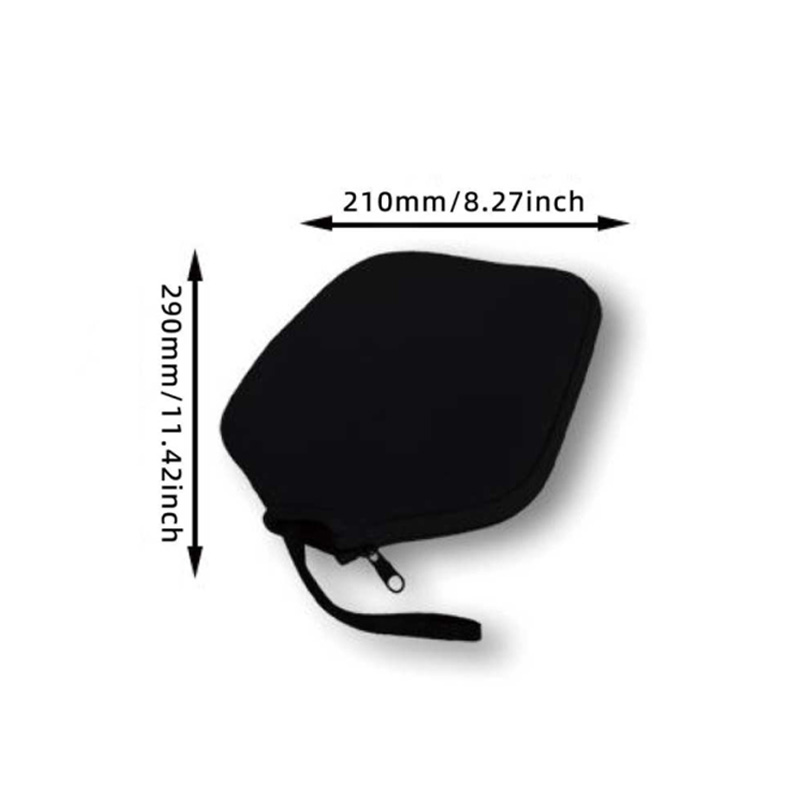
Grips aren’t just for sweat—they’re for style, control, and tactile connection. Covers and bags offer prime branding real estate and keep your gear safe while looking pro. Whether you’re offering neoprene paddle sleeves or canvas sling bags, customization is where the magic happens.
Apparel and Wearable Accessories
Branded visors, sweatbands, compression sleeves, and tees help extend your brand from the court to the community. These aren’t just add-ons—they’re revenue-generating merch that can live in pro shops or e-commerce stores. The right OEM can match colors, embroider logos, and nail fit specs for any demographic.
Court Equipment and Branded Gear
Think beyond the paddle—custom-branded net systems, cones, and score trackers create consistency across the entire customer journey. For events and clubs, this kind of gear becomes essential, especially when showcasing a polished, professional identity. If your accessories look elite, your brand earns that association.
5. Material Selection for Performance and Appeal
Durable vs. Eco-Friendly Materials
Durability is non-negotiable, but increasingly, buyers want sustainable choices too. The best OEMs are already sourcing recycled fabrics, biodegradable plastics, and plant-based rubbers. Balancing longevity with environmental impact isn’t easy, but it’s where top-tier brands win trust.
Comfort and Usability Considerations
A grip that feels right can be the difference between victory and a wild mishit. Accessories should feel intuitive—nothing too bulky, scratchy, or slick. Custom materials that improve ergonomics and absorb moisture better are huge value adds, especially for gear that sees high-frequency use.
Matching Materials to Target Markets
Selling in Florida? Go for UV-resistant and water-wicking. Targeting the European indoor league crowd? Thicker, warmer materials might fit better. Material selection needs to reflect not just quality but also cultural and climate expectations of your core market.
6. Customization Options That Add Value
Colorways, Patterns, and Textures
Offering more than just black and gray gives your brand a leg up. OEMs with Pantone-matching capabilities and unique texture molds open up creative possibilities. Think camo grips, iridescent paddle bags, or matte-finish overgrips that feel fresh and premium.
Logo Placement and Branding Elements
Strategic logo placement makes a product unmistakably yours without being obnoxious. Embossing, debossing, heat pressing, or even laser engraving create a tactile and visual distinction. OEMs help ensure logos last through wear and tear without losing vibrancy.
Retail-Ready Packaging Personalization
A good unboxing experience is part of the product now. Branded boxes, inserts, hang tags, and seals help sell accessories on both digital and physical shelves. OEMs offering these services eliminate the need for secondary vendors, saving both time and budget.
7. Design-to-Production Workflow
Initial Concept and Design Collaboration
A smart OEM starts by listening—really listening—to what you envision. From there, they help translate sketches or references into manufacturable formats. Collaboration here sets the tone for the entire process, reducing rework and keeping costs on track.
Sample Development and Refinement
The first prototype rarely nails it—but it gets you 80% there. From grip thickness to bag zipper location, refinements are part of dialing in product-market fit. This stage also builds confidence between both parties—it’s where trust is forged.
Final Approval and Production Launch
Once the sample hits the mark, production goes live, often with a short run to test machinery and materials. Clear documentation at this stage is crucial—spec sheets, dye files, and inspection criteria need to be locked in. It’s pedal to the metal from here on out.
8. Advanced Manufacturing Techniques
Precision Molding and Cutting Tech
Modern OEMs use CNC machines, laser cutters, and injection molds to reduce defects and improve consistency. This tech allows intricate designs, especially for molded accessories like paddle grips or rubber court markers. Precision makes the difference between premium and passable.
Sublimation, Screen Printing, and Embossing
Each printing technique has its strengths—sublimation for full-color detail, screen printing for bold impact, embossing for a luxe feel. A seasoned OEM will guide you based on fabric type, color durability, and volume. These aren’t just finishing touches—they’re brand signals.
Innovations Improving Efficiency and Quality
From automated assembly lines to AI-driven quality checks, manufacturing is getting smarter. These advances lower the risk of delays, minimize waste, and improve yield. OEMs that invest in innovation will future-proof your product pipeline.
9. MOQ Flexibility for Brands of All Sizes
Standard Minimum Order Quantities
MOQ typically depends on the complexity of customization and materials used. For common items like paddle grips or wristbands, the MOQ might be as low as 500 units. High-complexity items may require higher thresholds to justify tooling and setup.
Strategies for Lower-Volume Orders
Smaller brands can negotiate batch production, shared tooling, or seasonal ordering schedules. Some OEMs even offer bundled accessories to meet MOQs across SKUs. Being upfront about growth plans often leads to more favorable terms.
Cost-Efficiency vs. Production Scale
Lower unit costs kick in at scale, but that doesn’t mean small orders are a no-go. The trick is finding a balance—sometimes spending a bit more upfront helps avoid overstock, especially in fast-moving markets. A good OEM will help you weigh the options.
10. Production Lead Times and Planning
Typical Timelines for Custom Accessories
Standard lead times range from 30 to 60 days, depending on customization levels and material availability. Some accessories can be produced faster, but add-ons like retail packaging can extend timelines. Always pad your calendar by 2–3 weeks, just in case.
How to Plan Around Peak Seasons
Q4 and pre-summer are crunch time in the sports gear world. Planning three to six months ahead keeps your orders on track and avoids rush fees. Communicate early with your OEM so they can reserve factory time and prioritize accordingly.
Tips for Faster Turnaround Without Compromise
Pre-approve designs, use in-stock materials, and streamline approvals to speed things up. Ask your OEM if they offer pre-set templates or semi-custom formats. A tight process beats last-minute heroics every time.
11. Quality Control Standards for Custom Orders
Key Inspection Points During Production
QC typically checks stitching, logo accuracy, color match, and functional performance. For grips, this means tensile strength; for bags, zipper alignment and load capacity. Early inspections prevent costly rework later.
Certifications and Testing Protocols
Depending on your market, products may need compliance with ASTM, REACH, or CPSIA standards. A reputable OEM will have third-party testing partners on call. Don’t cut corners here—compliance isn’t optional, it’s your insurance policy.
Ensuring Brand Consistency Across Batches
Batch-to-batch consistency comes from good documentation—tech packs, Pantone codes, stitching diagrams. Your OEM should maintain a sample library and produce against golden units. Consistency builds brand equity like nothing else.
12. Branding Support Services by OEMs
Hang Tags, Barcodes, and Inserts
These small details make your accessories shelf-ready. Hang tags with brand stories, barcode stickers with SKUs, and inserts with care instructions all elevate perceived value. OEMs who handle this in-house save you time and coordination headaches.
Display and Packaging Design Assistance
Need a countertop display? Custom hanger packaging? Many OEMs have dielines and templates ready to roll. Good packaging doesn’t just protect—it sells.
Full-Service Support from Design to Delivery
From idea to fulfillment, the best OEMs act like an extension of your team. They manage timelines, troubleshoot hiccups, and keep you looped in at every turn. That kind of white-glove service turns one-time orders into long-term relationships.
13. Logistics and Global Shipping Considerations
Freight Options and Cost Optimization
OEMs offer sea freight for bulk and air for speed. Smart procurement professionals use hybrid models to balance cost and urgency. Consolidating shipments across product lines can also unlock volume discounts.
Customs, Duties, and Compliance
Import taxes can eat into margins if not managed proactively. OEMs familiar with international shipping will pre-calculate landed costs and flag potential red tape. Always double-check HS codes and country-specific restrictions.
Ensuring On-Time Delivery to Key Markets
Clear shipping timelines, tracking numbers, and buffer time make or break a launch. OEMs with established freight partnerships and export licenses streamline this process. You shouldn’t be chasing boxes across borders.
14. Selecting the Right OEM Partner
What to Look for in a Reliable Supplier
Look for proven category experience, references, and robust infrastructure. Bonus points for responsiveness, fluency in English, and transparent pricing. A handshake from 7,000 miles away still needs to mean something.
Communication and Transparency Factors
Your OEM should update you proactively—no ghosting, no vague timelines. Ask about communication tools they use (like Slack or project management platforms). The smoother the comms, the faster the results.
Long-Term Collaboration Potential
An OEM worth their salt thinks beyond the first PO. They’ll suggest new product ideas, flag market shifts, and invest in tooling you can share. That’s how you go from one-off buyer to brand partner.
15. Case Studies of Successful Custom Orders
Rapid Launch for a New Sports Brand
A US-based startup launched a full accessory line in under 90 days with a single OEM, leveraging pre-designed molds and custom packaging. The launch exceeded sales forecasts by 40% in Q1. Speed and precision made it possible.
Scaling Up for Retail Distribution
An EU distributor worked with their OEM to scale SKUs across 1,200 stores. Bulk packaging efficiencies and QC protocols kept returns under 1%. Their accessories are now in three major European chains.
Regional Customization for Niche Markets
A Japanese club brand ordered limited-edition paddle covers for local tournaments. The OEM handled small MOQs with specialty embroidery and local language packaging. The accessories sold out in two weeks.
16. Future Trends in Pickleball Accessories OEM
Smart Accessories and Wearable Tech
Think grips that track swing speed, or sweatbands that monitor hydration. OEMs are already prototyping smart integrations with Bluetooth and app syncing. This space is heating up fast.
Sustainable and Biodegradable Innovations
Materials like bamboo fiber, algae-based rubber, and recycled PET are on the rise. Forward-thinking OEMs are investing in these to meet rising consumer demand. Eco isn’t just a buzzword—it’s a competitive advantage.
On-Demand Customization and Micro-Manufacturing
The future is agile. OEMs with digital printing and 3D prototyping can offer small-batch, high-mix runs tailored to specific players or events. It’s personalization at production scale.
Related Posts
Removable Sports Flooring to Reduce Total Cost
Roll Out Gym Flooring Buyers Trust for Fast Scaling

Indoor Pickleball Court Flooring That Cuts Landed Cost
Totally agree on the rise of pickleball and the opportunity for smart accessory design. With OEMs enabling such customization, it feels like a goldmine for emerging brands looking to stand out without reinventing the wheel.
Thanks for your comment.