Skip to content
Table of Contents
Categories

Charles Wong
Introduction to Pickleball Ball Machines
The Rise of Pickleball and Training Equipment Demand
Pickleball is no longer just America’s backyard pastime. With explosive growth in both recreational and competitive play, players are investing more than ever in training gear to sharpen their edge. Ball machines, once a luxury, are now becoming essential tools in every serious player’s arsenal.
Why Ball Machines Are Becoming Essential for Players
Practice makes perfect, and consistency is king. Ball machines deliver relentless, repeatable shots—something even the best training partner can’t always guarantee. They let players drill footwork, dinks, volleys, and drives at their own pace, making them a cornerstone of modern pickleball training.
Opportunities for Brands in the Ball Machine Category
This surge in demand opens a wide lane for brands looking to differentiate with tech-forward training gear. Ball machines are high-ticket items with solid repeatability and customer loyalty. For brands already in the pickleball space, it’s a no-brainer expansion category with massive upside.
Understanding the Market Demand
Growth of Pickleball Participation Worldwide
With over 40 countries embracing organized pickleball play and membership numbers climbing globally, the sport is now international. Court construction is up, memberships are growing, and tournaments are being televised. The gear market—especially training tools like ball machines—is riding that wave.
Training Trends Among Amateur and Pro Players
Even casual players are investing in personal improvement. Private coaching, drills, and self-paced training sessions have become common. Professionals use ball machines to replicate match scenarios and sharpen their reactions, giving brands another angle for marketing performance-driven machines.
How Ball Machines Support Skill Development
Ball machines remove the variable of human error. They let players focus on specific mechanics like paddle angle, timing, and spin control. By targeting weak spots with programmed consistency, players can develop muscle memory faster and more effectively.
Why Pickleball Ball Machines Are a Smart Investment
Recurring Customer Interest in High-Value Gear
Pickleball enthusiasts don’t hesitate to spend on quality. From performance paddles to high-tech shoes, they’re already comfortable investing in their game. A ball machine offers clear training benefits and justifies its price with long-term value, making it a compelling addition to any lineup.
High Margins on Tech-Forward Training Products
Ball machines boast higher price points than paddles or accessories, and with OEM/ODM manufacturing, the cost-to-retail spread offers solid profit margins. With the right supplier, brands can keep quality high and costs manageable—a winning combo.
Cross-Selling Potential with Rackets and Accessories
A ball machine doesn’t sell alone. Customers often bundle in training balls, protective cases, and even exclusive paddles designed for machine drilling. The cross-sell and upsell opportunities boost overall order value and deepen customer engagement.
OEM vs. ODM for Pickleball Ball Machines
Key Differences in Production Models
OEM (Original Equipment Manufacturer) builds to your brand’s exact specifications. ODM (Original Design Manufacturer) offers pre-developed products that can be branded. Each model suits different business stages—OEM for custom innovation, ODM for speed-to-market.
When to Choose OEM and When ODM Fits Better
If your brand has unique feature ideas or a distinct design language, OEM is the route. But if you’re looking to enter the market quickly and test demand, ODM lets you ride on proven designs. Many brands eventually evolve from ODM to OEM as volume grows.
Customization Flexibility and IP Ownership
OEM manufacturing allows complete control over design, firmware, and feature sets, giving you full intellectual property rights. ODM usually offers shared designs with varying degrees of exclusivity. Brands looking for long-term positioning should carefully weigh the trade-offs.
Advantages of Manufacturing in China
Proven Expertise in Sports Tech Hardware
China has become the go-to for manufacturing advanced sports electronics. From precision motors to smart controllers, their factories have the infrastructure and know-how. Many leading brands already rely on Chinese partners for everything from tennis to golf training machines.
Access to Component Suppliers and Efficient Logistics
Being close to suppliers of key parts—motors, sensors, batteries—means faster lead times and lower BOM costs. Combine that with robust logistics channels and global freight solutions, and the advantages are clear. It’s a finely tuned machine from sourcing to shipping.
Cost-Effective Production with Strong Quality Control
Despite cost advantages, quality hasn’t taken a backseat. Many Chinese OEMs operate ISO-certified facilities with in-house QC teams and third-party verification. That blend of affordability and reliability makes China a dominant force in this segment.
Key Features Buyers Look for in Ball Machines
Speed, Oscillation, and Spin Functions
Customers expect adjustability in pace and movement. Machines should mimic real gameplay by mixing spin, direction, and tempo. The more lifelike the feed, the more effective the training.
Portability, Power Options, and Remote Control
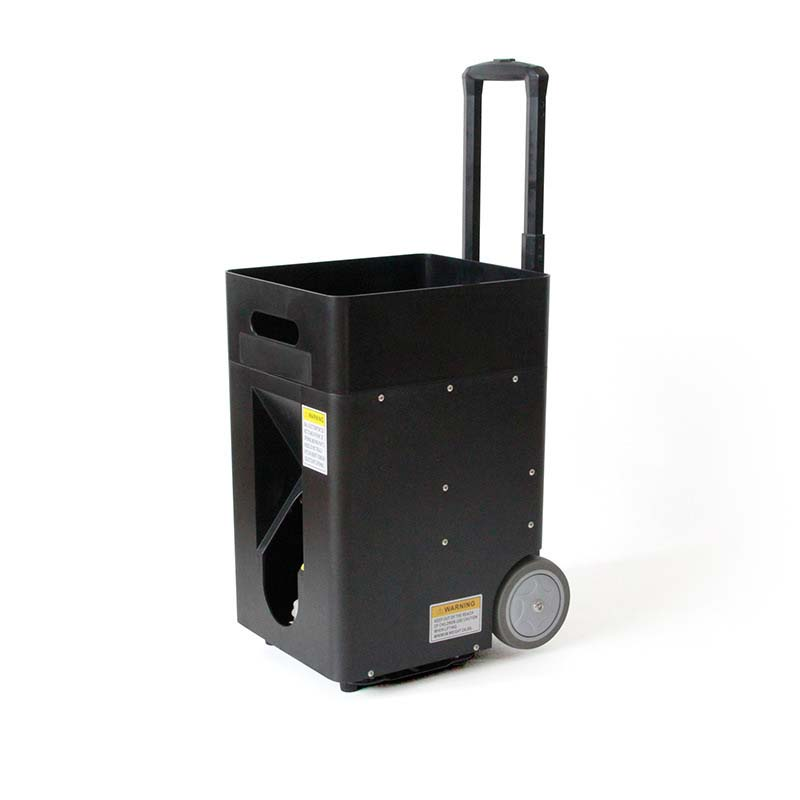
Wheels, handles, and battery options make portability a key selling point. Battery-powered units with AC backup provide training freedom. Remote control—whether manual or app-based—is now considered standard.
Hopper Size, Feed Rate, and Durability
Larger hoppers allow longer, uninterrupted sessions. Adjustable feed rates cater to beginners and pros alike. Rugged materials and waterproofing ensure the unit can handle dust, sweat, and weather changes without skipping a beat.
Customization Options for Brand Differentiation
Logo Printing and Housing Color Options
Stand out with custom colors and prominent logo placement. Some factories offer pantone matching for unique branding. A bold design can set your product apart both online and in stores.
Exclusive Firmware or Control Interface Features
OEM partnerships enable proprietary firmware and UI modifications. Features like custom drills, Bluetooth sync, or branded mobile apps create a unique value prop. It’s like giving your customers a ball machine with a brand personality.
Custom Packaging and Marketing Materials
Packaging isn’t just protection—it’s presentation. Branded inserts, manuals, and retail boxes help position your machine as premium. Many factories offer co-branded media kits to help your team hit the ground running at launch.
Materials and Engineering Considerations
Motor and Gear Selection for Long-Term Performance
The heart of any ball machine is its motor. Selecting high-torque, low-noise motors paired with reinforced gears ensures lasting precision under frequent use. Smart choices in drivetrain engineering drastically reduce maintenance calls.
Durable Casing Materials for Indoor/Outdoor Use
ABS plastic, reinforced polymer, or even lightweight aluminum casings offer different strengths depending on use case. For indoor gyms or dusty courts, sealed designs can extend longevity. Weather-resistant coatings also matter when machines are stored in club sheds or garages.
Battery Capacity and Charging Technology
Modern lithium-ion batteries provide long session times and faster recharge cycles. Smart charging features like overcharge protection and thermal monitoring reduce risks. Some advanced models offer solar charging options for eco-conscious buyers and outdoor training camps.
Minimum Order Quantities and Flexibility
Typical MOQ for Ball Machine OEM Orders
MOQ often starts at around 100 units for ball machines, depending on the complexity of customization. This threshold balances factory production efficiency with brand entry feasibility. Some suppliers offer lower MOQ for first-time partnerships.
Batch Size Flexibility for New Brands
New entrants often test the waters with small pilot batches. A good OEM partner will support flexible quantities with structured pricing tiers. This approach helps reduce upfront risk while gauging market reception.
Scaling Up Orders with Demand Growth
Once sales hit a stride, scaling production becomes essential. Factories that offer rolling forecasts, warehousing options, and rapid scale-up capacity allow brands to meet demand spikes without logistical headaches. Planning ahead keeps shelves stocked and customers happy.
Meeting International Compliance Standards
Safety Certifications Required in Major Markets
Pickleball machines sold in the U.S., EU, or Australia need certifications such as CE, FCC, and UL to satisfy safety and electromagnetic compliance. Without them, products could be stopped at customs or recalled. Ensuring these marks improves global shelf readiness.
Electronics Regulations and Documentation
Regulatory requirements extend to battery shipping labels, RoHS compliance for materials, and even packaging disposal instructions. OEMs should provide verifiable documentation, including test reports and datasheets. Missing docs means delays and potential fines.
Partnering with Compliant OEM Factories
Work with factories that pride themselves on global compliance, providing complete technical packages and certification support. That makes your market entry smoother and keeps your brand legally unshakable. Compliance isn’t a checkbox—it’s your brand’s backbone.
Logistics and Global Shipping Solutions
Common Shipping Terms: FOB, CIF, DDP
FOB gives you control over freight once goods leave the factory—great for brands with logistics know-how. CIF or DDP options bundle freight and customs handling into the factory price, easing your operational burden. Choose according to your team’s expertise and risk tolerance.
Freight Forwarding and Customs Clearance Support
Experienced OEMs usually work alongside seasoned freight forwarders and can manage shipping documentation on your behalf. That includes packing lists, commercial invoices, and certificates required by end markets. Smooth logistics means fewer headaches and faster delivery.
Managing Import Taxes and Documentation
Understanding Harmonized System (HS) codes and tariff classifications is key to cost predictability. Misclassification can result in fines or delayed customs release. Partner with OEMs that provide full support in navigating these nuanced regulations.
Pricing Models and Cost Breakdown
Breakdown of Typical Ball Machine Production Costs
Your landed cost consists of BOM (motors, PCB, plastic housing), labor, overhead, tooling amortization, QC, packaging, and freight. Each element plays into your final margin. Transparency in pricing gives you the leverage to optimize specs without hurting quality.
How Pricing Changes With Order Size and Specs
Higher volumes unlock discounts on motors and tooling, and streamline labor costs. Complex customizations like pantone-matched enclosures or proprietary firmware typically carry premium charges. Tiered pricing based on volume ensures fair value for both parties.
Structuring a Profitable Retail Markup
Retailers expect 40–60% markups, so aim for a 2.5x to 3x multiple on your wholesale cost. Understand your channel—direct ecommerce gives you more margin, while big-box distributors demand tighter pricing. Smart positioning ensures profitability at every level.
Building a Strong OEM Partnership
Establishing Trust Through Transparent Communication
Shoot straight with your partner—clear specs, deadlines, and expectations lay the foundation for consistency. Regular check-ins, shared calendars, and sample reviews keep both sides aligned. When transparency runs deep, quality issues stay at the margins.
Setting Clear Quality and Delivery Expectations
Contracts should specify tolerance levels, defect rates, and inspection criteria. Agreed-upon timelines and consequences for missed deadlines keep accountability tight. It’s not micromanagement—it’s mutual respect for excellence.
Long-Term Support and Co-Development Opportunities
Forge a relationship that grows with your brand—co-develop new models, firmware updates, or accessories. When you bring new ideas, a solid OEM partner can help you prototype quickly. That collaborative spirit fuels innovation and keeps you ahead of the competition.
Getting Started with Your First Order
How to Prepare a Professional RFQ
An RFQ should include specs (speed range, hopper size, power inputs), target pricing, expected volume, and any testing or certification needs. Be detailed—even firmware requirements or optional attachable accessories matter. Clear RFQs net sharper quotes and faster responses.
Sample Evaluation and Performance Testing
Once you receive a sample, put it through its paces—test feed accuracy, run time, remote functionality, and build sturdiness. Involve players to get real-world feedback. Send notes back to the factory for improvements before green-lighting mass production.
Finalizing Terms and Signing Manufacturing Agreements
Solidify agreements with POs that outline payment terms, delivery schedules, IP protections, and quality thresholds. Always include penalty clauses or remediation steps for missed specs or timelines. Get everything in writing—because in manufacturing, clarity prevents chaos.
Conclusion
Launching a branded pickleball ball machine is a thrilling leap into high-margin, tech-driven gear—but it’s a journey that demands planning, precision, and pals at the factory. With a trusted OEM partner and clear roadmaps from specs to shipment, your brand can serve up a game-changing product that fuels skill development, cross-sell opportunities, and long-term growth in this booming sport.
Related Posts
Removable Sports Flooring to Reduce Total Cost
Roll Out Gym Flooring Buyers Trust for Fast Scaling

Indoor Pickleball Court Flooring That Cuts Landed Cost