Skip to content
Table of Contents
Categories

Charles Wong
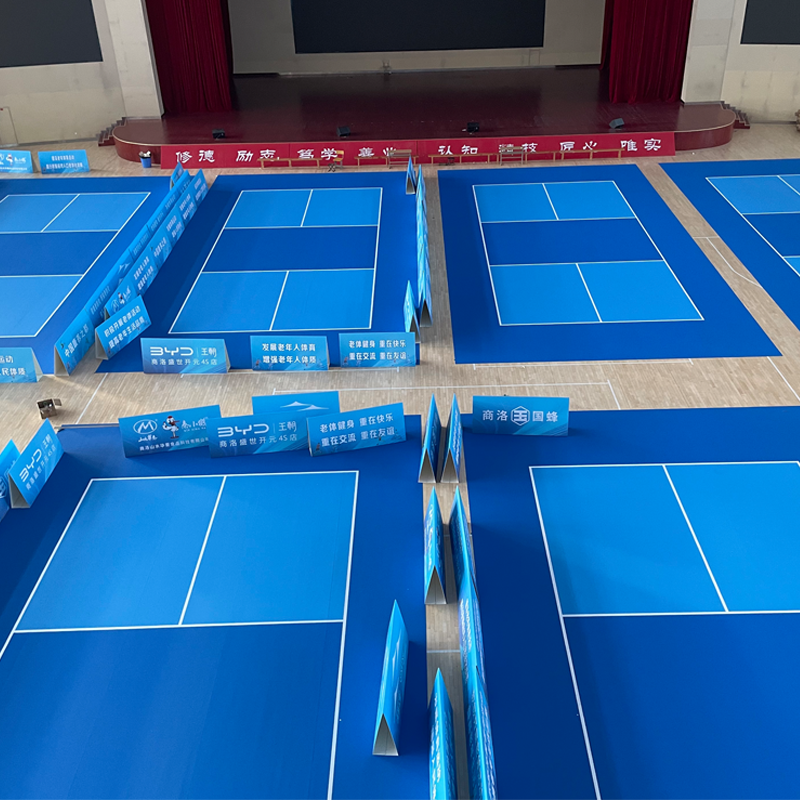
1. Introduction to Pickleball Court Flooring OEM Solutions
Overview of OEM in the Sports Flooring Industry
Original Equipment Manufacturing (OEM) is the engine under the hood of many sports flooring brands you see dominating today’s courts. It’s the behind-the-scenes powerhouse that allows companies to offer top-tier court surfaces without owning a single factory. Instead, they partner with experienced manufacturers who produce the flooring systems to spec—allowing brands to scale faster and focus on what they do best: sales and customer experience.
Rise of Pickleball and Global Demand for Courts
Pickleball’s been on a tear, no two ways about it. From retirees to Gen Z, the sport has crossed demographics like wildfire, and the demand for courts is ballooning globally. From park districts in the Midwest to luxury resorts in Southeast Asia, brands are scrambling to supply flooring fast enough to meet this tidal wave of interest.
Why Brands Are Turning to OEM Partnerships
Brands don’t want to reinvent the wheel—they want it rolling smoothly. OEM partnerships offer a plug-and-play model where branding, performance, and cost-effectiveness align in a way that’s tough to beat. It’s a lean, mean, go-to-market machine that lets brands avoid the growing pains of in-house production while capturing market share at speed.
2. What Is OEM and How It Benefits Flooring Brands
Definition and Key Characteristics of OEM Manufacturing
OEM manufacturing means you design it, they build it. It’s a system where the brand owns the concept and controls the specifications, while the manufacturing partner produces the physical goods. This creates a symbiotic relationship, where innovation meets industrial muscle.
Cost Advantages and Scalability for Brands
By sidestepping the upfront capital required to build production lines, brands can redirect their budget toward marketing, sales, and innovation. OEM allows companies to scale with minimal fixed costs—think less brick and mortar, more margin and maneuverability. And when you’re juggling fluctuating order volumes, OEM gives you breathing room without compromising consistency.
Speed to Market and Product Development Flexibility
OEM partners have the infrastructure and experience to bring new flooring products to life fast—sometimes in a matter of weeks. When a market trend hits, brands need to pivot quickly, and OEM makes that pivot feel like a smooth backhand shot down the line. It’s the agility modern brands need in a fast-paced landscape.
3. Key Features of High-Quality Pickleball Court Flooring
Surface Durability and Weather Resistance
A solid pickleball court needs to take a beating and keep its grip. Top OEM solutions offer surfaces that withstand UV rays, heavy foot traffic, and extreme temperatures without cracking or fading. Whether it’s installed in Phoenix or Paris, durability is non-negotiable.
Shock Absorption and Player Comfort
You want your flooring to be tough, not punishing. OEM floors are engineered with built-in shock absorption layers to minimize joint stress and reduce fatigue during play. It’s a winning combo for serious athletes and casual players alike.
Anti-Slip Properties and Safety Standards
A court that gets slick when it’s damp is a lawsuit waiting to happen. High-quality OEM flooring comes with engineered textures and micro-grip finishes that pass global anti-slip certifications. Safety’s not just a feature—it’s a requirement.
4. Materials Used in OEM Pickleball Flooring
Modular Polypropylene Tiles
These interlocking tiles are the workhorses of modern court systems. Lightweight, durable, and easy to install, they allow rapid deployment and modular expansion. Plus, if one tile gets damaged, you can swap it out faster than a dink rally ends.
Acrylic Surface Coatings
Acrylic topcoats give courts that sleek, professional look while adding durability and UV resistance. OEM manufacturers apply these finishes with industrial precision to ensure even texture and color consistency. They’re also easy to recoat down the line—handy for high-traffic installations.
Eco-Friendly and Recyclable Materials
The green game is strong in modern OEM production. Many facilities are using recycled polymers and low-VOC compounds to reduce environmental impact. It’s a win-win for sustainability and brand positioning.
5. Customization Options for Brand Differentiation
Logo Placement and Color Schemes
Want your logo smack in the center court? OEM partners can make that happen. Whether it’s branding tiles or custom color palettes, these customizations help brands create unique visual identities without sacrificing performance.
Surface Texture and Finish
From matte grip to glossy slip, brands can fine-tune surface finishes to suit player needs and venue conditions. OEM manufacturers offer various embossing patterns and finishes that change the feel and performance of the court. These details speak volumes to the end-user.
Packaging and Labeling Options
OEM partners can deliver your product boxed, labeled, and ready for retail—or for direct shipment to end users. Custom packaging adds that extra polish, turning a functional product into a branded experience. It’s a subtle but powerful tool in competitive markets.
6. OEM vs ODM: Choosing the Right Approach
Core Differences in Production and Design Control
OEM lets you call the shots on design, while ODM offers off-the-shelf solutions with some branding flexibility. If you’ve got a vision and the specs to back it, OEM’s the route to take. If you’re looking for a quicker entry with fewer decisions, ODM might do the trick.
When to Choose OEM Over ODM
When differentiation matters—OEM is the clear play. Brands with proprietary designs or unique performance features should opt for OEM to protect and control their product’s uniqueness. It’s about owning the soul of your product, not just slapping a label on it.
Hybrid Models and Co-Development Options
Some manufacturers offer a hybrid approach—OEM-level customization with ODM-style templates to speed things up. This is ideal for brands who want a middle ground between uniqueness and speed to market. It’s not one-size-fits-all, and that’s the beauty of it.
7. The OEM Manufacturing Process Explained
Design and Specification Submission
It starts with a blueprint—literally. Brands submit design files, technical requirements, and color specs to their OEM partner. This phase lays the groundwork for precision and alignment throughout the build.
Prototype Development and Approval
Before any full-scale production kicks off, you get a prototype in hand. This stage is where materials, colors, and performance get dialed in. It’s also the final checkpoint before the rubber meets the road.
Mass Production and Quality Assurance
Once greenlit, production ramps up—often in weeks, not months. Quality checks happen at every stage, from raw material inspection to final packing. The goal? Zero surprises when the shipment lands.
8. Essential Certifications and Standards for Flooring
International Sports Flooring Standards (e.g., ITF, ASTM)
Certifications like ASTM and ITF lend legitimacy to your court flooring. They confirm that the surface meets industry standards for ball bounce, traction, and player safety. These aren’t just rubber stamps—they’re key selling points.
Fire Resistance and Chemical Safety Certifications
Depending on the installation site, local laws may require fire-resistance ratings and chemical safety data. OEM products can be engineered to meet even the most stringent fire codes. It’s all about being ready for whatever the market—or inspectors—throw your way.
ISO Quality Management Compliance
An OEM factory with ISO 9001 certification signals reliability and process discipline. That means fewer headaches, fewer returns, and a smoother road from idea to delivery. It’s the kind of badge that puts procurement officers at ease.
9. Quality Control Measures in OEM Production
In-House Testing and Third-Party Verification
Factories worth their salt run continuous in-house testing—from tensile strength to UV resistance. Many also welcome third-party labs for unbiased testing, which adds credibility to your product claims. It’s about proving what’s on the label lives up to real-world use.
Batch Sampling and Performance Testing
Randomized batch checks keep consistency high. Products are tested mid-production to catch variances before they hit the container. If there’s a hiccup, it gets addressed right then and there.
Continuous Improvement and Defect Prevention
Top-tier OEM partners don’t just catch errors—they learn from them. Ongoing quality audits feed back into process refinements and tooling upgrades. It’s a mindset that separates the pros from the pretenders.
10. Logistics and Global Shipping for OEM Flooring
Packaging Solutions for Bulk Orders
Flooring is heavy and bulky—it demands smart packaging. OEMs offer stackable, palletized, or container-optimized solutions that protect goods and maximize load capacity. Efficiency here cuts freight costs and reduces damage risk.
Customs Compliance and Export Documentation
From HS codes to COOs, international shipping can be a red tape jungle. OEM partners familiar with global markets know how to prep the paperwork to sail through customs. It’s the unsung hero of hassle-free delivery.
Freight Options and Lead Time Management
OEMs offer a mix of sea, rail, and air freight depending on urgency and budget. With lead time forecasts and real-time tracking, brands can align marketing launches and distribution seamlessly. No more playing the waiting game blind.
11. Cost Considerations for Brand Buyers
Pricing Structures and Volume Discounts
Most OEMs offer tiered pricing—the more you buy, the sweeter the deal. Brands that plan out seasonal forecasts and negotiate larger runs get the best bang for their buck. It’s economy of scale, plain and simple.
Tooling and Mold Investment Breakdown
Custom molds require upfront investment, but they pay off in the long run. OEMs typically amortize mold costs over large orders, making it more affordable than it looks at first glance. Think of it as the price of brand uniqueness.
Total Landed Cost Analysis
It’s not just about unit price. Smart procurement pros calculate the full picture—product cost, freight, duties, warehousing, and last-mile delivery. OEM partners help make these calculations transparent so there are no gotchas down the line.
12. Lead Times and Production Planning
Average Production Timelines by Order Size
Smaller runs can often ship in 4–6 weeks, while larger orders may stretch to 8–12 depending on complexity. Knowing these timelines upfront helps brands plan promotions and distribution in advance. No surprises, no stockouts.
Seasonal Demand and Capacity Planning
Summer and tournament seasons can spike demand. Brands that forecast early and book production slots ahead of the curve get priority. Late planners? They get in line.
Tips for Faster Turnaround Without Quality Loss
Want to move quicker? Lock in your specs early, avoid mid-production changes, and work with OEMs that maintain raw material inventory. These steps streamline workflow and eliminate costly back-and-forths.
13. Working with a Chinese OEM Manufacturer
Benefits of Sourcing from China
China remains the global epicenter for OEM sports flooring, and for good reason. The manufacturing ecosystem is mature, efficient, and stacked with specialized suppliers offering competitive pricing. From raw materials to shipping logistics, everything is streamlined under one industrial roof.
Communication and Language Best Practices
Clear, concise communication is the lifeblood of any successful OEM partnership. Most Chinese manufacturers have English-speaking account managers, but it’s smart to follow up verbal agreements with written confirmation. Visuals, CAD drawings, and detailed spec sheets help cut through language barriers and prevent mix-ups.
Site Visits and Virtual Factory Audits
Seeing is believing. If travel’s not an option, virtual factory tours via video calls and recorded walk-throughs can still offer transparency. A peek at the production floor speaks volumes about quality, organization, and capability—and it builds trust.
14. Common Challenges and How to Overcome Them
Misalignment on Specs or Quality Expectations
Misunderstandings happen when assumptions are made. To avoid hiccups, every specification should be documented in excruciating detail—down to the Pantone code and tile thickness tolerance. A small oversight in early planning can snowball into costly delays later.
Delays in Prototyping or Approvals
Time kills deals. Brands can lose valuable market windows waiting on approvals or remakes. To stay ahead of schedule, maintain open channels for rapid feedback and empower decision-makers to greenlight minor changes swiftly.
Intellectual Property Protection Concerns
Brand IP is sacred. Choose OEM partners that are willing to sign NDAs and have clear policies for IP protection. In some cases, registering your design patents in China can add an extra layer of legal defense.
15. How to Evaluate an OEM Partner
Key Questions to Ask During Vetting
Don’t just ask about price—ask about capacity, raw material sourcing, lead time flexibility, and tooling costs. Dig into how they handle QC and what contingency plans they have for production hiccups. The right questions reveal the real picture.
Portfolio Review and Past Client References
Ask to see samples and previous projects. A legit OEM will proudly showcase their work and put you in touch with past or existing clients for references. If they get cagey, that’s a red flag.
Trial Orders and Performance Benchmarking
Before jumping into a large-scale order, start small. Trial runs allow you to stress test the product and the relationship. Use performance benchmarks—like bounce consistency, wear rate, and customer feedback—to gauge long-term potential.
16. Case Studies of Successful OEM Brand Partnerships
Mid-Size Sporting Goods Brand Scaling Globally
A U.S.-based sporting goods brand partnered with a Chinese OEM to scale from regional retail to global distribution in under two years. By leveraging modular court systems and custom branding, they grew their SKU catalog and tripled their dealer network.
Custom-Branded Flooring for Fitness Franchise
A European fitness chain wanted court flooring that matched its bold, energetic identity. Through an OEM partnership, they achieved seamless branding across dozens of locations with pre-packaged flooring kits—cutting installation time by 40%.
Private Label Launch with Rapid Market Entry
A new entrant in the pickleball space used OEM to fast-track their private-label court tiles. With minimal overhead and a short production window, they launched just ahead of peak season and captured early market share without building internal infrastructure.
17. Future Trends in Pickleball Flooring OEM
Smart Flooring and Embedded Sensors
Tech is making its way underfoot. Some OEMs are experimenting with smart tiles embedded with sensors that track movement, ball impact, and wear patterns. This data goldmine could revolutionize both training and maintenance.
Sustainability and Biodegradable Materials
Eco is no longer optional—it’s expected. Brands are pushing for recycled and even biodegradable options in court flooring. OEM manufacturers are responding with innovations in green polymers and cleaner production techniques.
AI-Assisted Design for Performance Surfaces
Machine learning is being used to simulate how materials perform under different use cases. This speeds up R&D cycles and leads to flooring solutions optimized not just for today’s conditions but for tomorrow’s athlete demands.
18. Conclusion and Next Steps for Brand Procurement
Recap of Key Advantages of OEM Solutions
OEM solutions offer a fast, flexible, and cost-effective way for brands to scale their pickleball flooring offerings. From customization to certification, OEM partners bring precision manufacturing and global shipping expertise to the table. It’s a strategic shortcut to market dominance.
Checklist for Engaging with an OEM Manufacturer
Start with your specs—be clear, detailed, and uncompromising. Vet your manufacturer thoroughly, review samples, and always start with a trial run. Lock in timelines, pricing terms, and packaging requirements early to keep things smooth.
How to Start Your OEM Project for Pickleball Flooring
Whether you’re launching a new line or expanding your current catalog, the first step is simple: reach out. Get samples in hand, submit your designs, and kick off a conversation with a trusted OEM manufacturer. With the right partner, your brand’s next big play might just start at ground level—literally.
Related Posts
Removable Sports Flooring to Reduce Total Cost
Roll Out Gym Flooring Buyers Trust for Fast Scaling

Indoor Pickleball Court Flooring That Cuts Landed Cost