Skip to content
Table of Contents
Categories

Charles Wong

Introduction to Pickleball Court Surface Innovation
The global rise of pickleball and market demand
In pickleball, participation rates have surged across North America, Europe, and Asia, creating an undeniable demand for high-quality playing environments. This rapid expansion has ignited a pressing need for surfaces that not only perform exceptionally but also endure the test of time and heavy usage. For brands, the message is crystal clear—get on board with innovation or risk being left behind.
Why surface technology matters for brand differentiation
In a crowded market, a pickleball court is no longer just a slab of concrete with a coat of paint—it’s a brand experience. Surfaces that provide superior grip, consistent bounce, and a sleek aesthetic can elevate a product line above the competition. Procurement professionals know that buyers and players alike judge quality with every rally, and a subpar surface can tarnish a brand’s reputation in an instant. By investing in cutting-edge technology, brands signal reliability, performance, and forward-thinking to the marketplace.
The role of OEM manufacturers in driving innovation
OEM manufacturers sit at the very heart of this evolution, bringing advanced materials, design expertise, and production capabilities to the table. By collaborating closely with global brands, OEMs serve as both technical partners and innovation incubators. Their ability to integrate proprietary surface technologies into scalable production runs ensures that brands can meet demand without sacrificing consistency. In many cases, it’s the OEM that quietly holds the keys to a brand’s success story in this booming market.
Understanding Pickleball Court Surface Requirements
Key performance factors: traction, durability, and safety
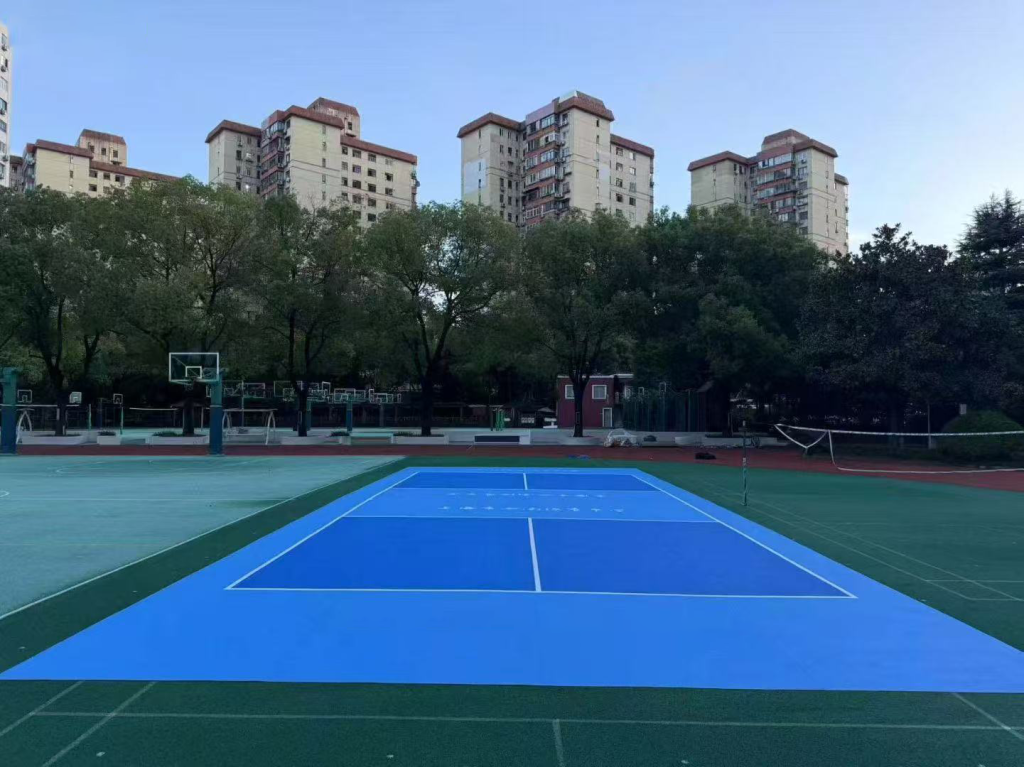
A winning surface must strike the perfect balance between traction and player safety, ensuring athletes can pivot, sprint, and stop without risking injury. Durability is another critical factor, as courts face relentless foot traffic, harsh weather, and constant impact from balls and paddles. Safety standards go beyond slip resistance, extending into shock absorption and the reduction of repetitive strain injuries. When all three elements align, players experience both performance and peace of mind.
Regulatory and industry standards for court surfaces
Court surfaces are not simply designed at whim; they must comply with governing body regulations and international quality benchmarks. From ASTM guidelines to regional sporting certifications, adherence to standards protects both brands and end-users. Non-compliance can lead to product recalls, reputational damage, and lost procurement contracts. Forward-thinking brands insist on OEMs that build compliance into the very fabric of production.
Balancing player experience with brand objectives
While player experience should always take center stage, procurement professionals must also weigh factors like lifecycle cost, branding opportunities, and global scalability. A surface that delights athletes but drains budgets is not a sustainable solution. Conversely, a surface that is cost-effective but uninspiring will fail to generate repeat business. The true sweet spot lies in surfaces that unify elite playability with long-term commercial viability.
Material Innovations in Pickleball Court Surfaces
Advanced synthetic materials for long-lasting use
High-performance synthetics are reshaping the way courts are built, offering resilience that surpasses traditional asphalt or acrylic. These materials resist cracking, UV degradation, and color fading, ensuring courts maintain their appeal season after season. With advanced polymers and engineered composites, OEMs can craft surfaces that endure relentless use while minimizing upkeep. The result is a playing environment that ages gracefully without compromising performance.
Eco-friendly and sustainable surface options
Sustainability has become more than a buzzword—it’s a mandate from both consumers and global procurement teams. Innovative court surfaces now incorporate recycled content, non-toxic adhesives, and low-VOC finishes. These eco-friendly choices not only reduce environmental impact but also enhance brand perception in socially conscious markets. Choosing sustainable materials is no longer just good practice; it’s a competitive advantage.
Multi-layered construction for optimal performance
Multi-layer designs are gaining traction, offering enhanced shock absorption, noise reduction, and superior playability. By combining a resilient base with performance-tuned top layers, OEMs can create courts that cater to both competitive athletes and casual players. This layered approach also allows for targeted customization, enabling brands to differentiate their product lines. The engineering precision behind these systems sets the stage for true game-changing innovation.
Design Flexibility for OEM Partnerships
Customizable surface textures and finishes
No two brands are identical, and neither should their courts be. OEMs now offer an array of customizable textures and finishes, allowing brands to tailor grip levels, ball response, and overall aesthetic. From ultra-smooth surfaces for speed-focused players to textured coatings that prioritize control, the possibilities are vast. This flexibility empowers brands to meet diverse market needs with precision.
Branding opportunities through color and design integration
A pickleball court doubles as a brand showcase, where every hue and line reinforces identity. Modern manufacturing allows for vibrant, fade-resistant colors and bespoke designs integrated directly into the surface. Logos, patterns, and unique color schemes can turn an ordinary court into a statement piece. This level of customization transforms courts into both functional assets and marketing canvases.
Adaptability for indoor and outdoor applications
Versatility is critical in a global market where climates and facilities vary widely. OEMs engineer surfaces that perform equally well under blazing sun or indoor lighting, resisting temperature fluctuations and humidity. Such adaptability ensures procurement teams can confidently source a single product line for diverse deployment scenarios. One size truly can fit all—when innovation leads the way.
Manufacturing Excellence for Global Brands
Precision production processes for consistency
Consistency is the backbone of global brand reputation. OEMs employ precision manufacturing techniques, from automated mixing systems to robotic coating applications, ensuring every square meter meets exact specifications. This meticulous attention to detail eliminates variability and delivers reliable performance at scale. For brands, it means peace of mind in every shipment.
Quality assurance and international compliance
OEM partners embed rigorous testing protocols into production, verifying everything from slip resistance to UV stability. Compliance with international standards ensures products can move seamlessly across borders without regulatory hiccups. This commitment to quality safeguards brand trust and opens doors to lucrative markets worldwide. When every court meets benchmark standards, procurement risk is minimized.
Scalable production to meet global procurement needs
Meeting the explosive demand for pickleball courts requires more than innovation—it requires scale. OEM facilities are designed to ramp up production quickly, fulfilling large orders without compromising quality. Scalable infrastructure allows brands to capture emerging markets at the speed of demand. In procurement terms, it’s about future-proofing supply chains.
Enhancing Market Competitiveness Through Innovation
Differentiating product lines with advanced surfaces
Surface technology has become a brand’s secret weapon in distinguishing product lines. By offering courts with unique play characteristics, brands can appeal to both recreational players and elite competitors. Differentiation through surface innovation not only expands customer bases but also cements market authority. The sharper the distinction, the stronger the brand presence.
Leveraging innovation to attract new partnerships
Innovation doesn’t just elevate products; it opens doors to fresh collaborations. Sports facilities, schools, and recreation brands seek partners with cutting-edge solutions. By showcasing advanced surfaces, brands position themselves as trendsetters, not followers. These partnerships, once forged, often lead to long-term procurement contracts and stable revenue streams.
Case studies of successful OEM collaborations
Time and again, brands that align with forward-thinking OEMs reap measurable rewards. From expanding into new geographies to reducing maintenance costs for large installations, these collaborations showcase tangible success. Procurement professionals value these proof points, as they transform marketing claims into documented outcomes. The evidence speaks louder than promises.
Cost Efficiency and Value Creation
Optimizing material selection for long-term ROI
Choosing the right materials is not just about upfront savings—it’s about lifecycle value. High-quality surfaces reduce repair and replacement cycles, delivering stronger ROI over time. Savvy procurement teams calculate these long-term benefits when evaluating suppliers. The lowest bid rarely wins when durability is factored into the equation.
Balancing cost control with premium quality
The art of procurement lies in balancing affordability with excellence. OEMs that provide tiered options allow brands to align surfaces with market segments, from budget-conscious buyers to premium clientele. This strategic balance ensures profitability without undermining brand credibility. In short, cost control should never come at the expense of playability.
Reducing maintenance expenses for end-users
Surfaces that resist wear, fading, and environmental stress reduce ongoing maintenance burdens for facility managers. Less maintenance means fewer interruptions for players and more consistent revenue for operators. Brands that deliver low-maintenance solutions win loyalty and repeat business. For procurement professionals, it’s a selling point that resonates deeply with end-users.
The Future of Pickleball Court Surface Technology
Emerging trends in sports surface engineering
Tomorrow’s courts will leverage breakthroughs in nanotechnology, advanced polymers, and hybrid materials. These innovations promise surfaces that are lighter, stronger, and more adaptive than ever before. Staying ahead of these trends ensures brands remain at the forefront of the industry. The future isn’t just coming—it’s already under construction.
Integration of smart technologies in court surfaces
Smart sensors embedded within surfaces will track player movement, monitor wear, and provide real-time performance feedback. Data-driven courts will reshape training, facility management, and player engagement. Brands that embrace this wave of technology will be seen as visionaries, not laggards. The integration of intelligence into infrastructure is the next great leap.
Strategic opportunities for brands in a growing market
The pickleball surge shows no signs of slowing, and forward-thinking brands are positioning themselves to ride the wave. By aligning with innovative OEMs, companies can enter untapped regions, diversify product lines, and capture market share. The strategic opportunities are vast, but only for those who act decisively. Timing, as always, is everything.
Choosing the Right OEM Manufacturing Partner
Evaluating expertise in surface innovation
Not all OEMs are created equal, and due diligence is paramount. Brands must assess a partner’s track record in material science, engineering, and large-scale deployment. Expertise translates into fewer surprises and greater confidence in product rollouts. It’s about choosing partners that know the game inside and out.
Importance of customization and flexibility in supply
Rigid supply chains are a relic of the past. Modern OEMs must offer adaptable solutions, from bespoke surface textures to modular delivery schedules. This flexibility allows procurement teams to respond swiftly to market shifts and emerging opportunities. The most valuable partners are those who bend without breaking.
Building long-term partnerships for global growth
Sustainable success stems from relationships, not transactions. Brands that cultivate deep partnerships with OEMs benefit from shared innovation, prioritized production, and strategic alignment. Long-term collaboration fosters trust, stability, and mutual growth. In a fast-moving market, strong alliances are a competitive shield.
Conclusion and Strategic Takeaways
The impact of innovation on brand success
Innovation in court surfaces directly influences brand strength, shaping perceptions of quality, performance, and reliability. Procurement teams that prioritize advanced solutions secure not just products but reputational capital. In a sport defined by momentum, innovation is the ultimate rally point.
Why surface technology drives procurement decisions
Surface technology affects everything from player satisfaction to lifecycle cost, making it central to procurement strategy. Choosing the right OEM partner becomes less about price and more about value creation. Every decision made echoes in the marketplace, amplifying or diminishing brand impact.
Steps to leverage OEM partnerships for growth
To fully harness the power of innovation, brands must carefully vet partners, invest in long-term collaboration, and align strategies with market demands. By doing so, they unlock the potential for sustained growth in one of the fastest-growing sports worldwide. With the right partnerships, brands don’t just keep pace—they lead the rally.
Related Posts
Removable Sports Flooring to Reduce Total Cost
Roll Out Gym Flooring Buyers Trust for Fast Scaling

Indoor Pickleball Court Flooring That Cuts Landed Cost