Skip to content
Table of Contents
Categories

Charles Wong
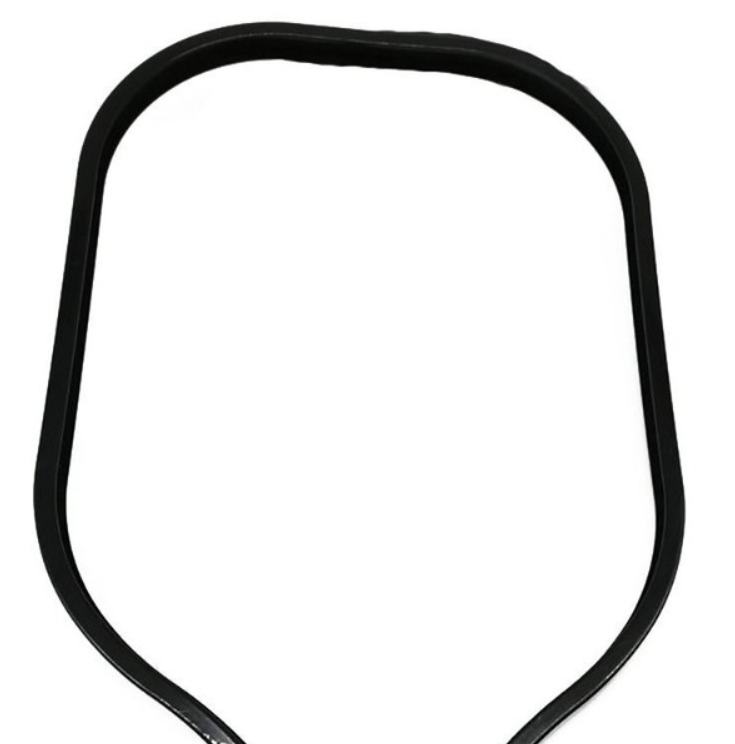
1. Introduction to Pickleball Edge Tape for Private Label
Overview of the Growing Pickleball Equipment Market
The pickleball market isn’t just growing—it’s downright exploding. With courts popping up faster than food trucks in a college town, this once-niche sport is now mainstream, drawing everyone from seasoned athletes to curious retirees. As a result, the demand for quality equipment is rising with the tide, and paddles have become a central battleground for brand innovation.
Importance of Edge Tape in Paddle Performance and Protection
Edge tape might not get the spotlight, but it’s doing the dirty work—absorbing nicks, dings, and scrapes that could turn a high-end paddle into glorified firewood. This thin strip of protection helps maintain paddle integrity while also enhancing its aesthetic appeal. In short, a solid edge tape not only safeguards a brand’s product but helps it shine on the court.
Why Private Label Edge Tape Is a Strategic Product Choice
Private labeling edge tape gives brands the upper hand by letting them control how their gear looks, feels, and performs. It’s not just about slapping a logo on something—it’s about crafting a product identity that players recognize and trust. For procurement professionals, this is a turnkey way to build brand loyalty while maintaining tight control over cost and quality.
2. What Is Pickleball Edge Tape?
Function and Purpose in Paddle Protection
Edge tape acts like a bumper guard for your paddle—taking the hits so the core materials don’t have to. It reduces structural wear and tear, especially along the vulnerable edges where accidental court contact or paddle clashes happen most. Over time, a paddle with quality edge tape looks fresher and plays truer.
Materials Commonly Used in Edge Tape Manufacturing
Common materials include PVC, PU, and synthetic rubbers, often with a fabric-reinforced backing for enhanced durability. Some advanced tapes also incorporate UV-resistant coatings and water-resistant adhesives. These materials vary in elasticity, adhesion, and weight—each affecting the tape’s performance and feel.
Differences Between Standard and High-Performance Edge Tape
Standard tapes typically offer basic coverage and come in generic widths, colors, and adhesion levels. High-performance edge tape, on the other hand, means advanced materials, stronger adhesives, sleeker designs, and custom branding options. Brands that want to elevate their game need tape that not only protects but complements the paddle’s overall design and performance specs.
3. Why Private Labeling Pickleball Edge Tape Makes Business Sense
Enhancing Brand Visibility on Every Paddle
Every time a player swings, spins, or smashes, their paddle becomes a billboard. With private label edge tape, your logo or signature color scheme is front and center, getting visibility on courts, social media, and in retail stores. It’s a cost-effective marketing tool that also boosts professional appearance.
Competitive Differentiation Through Customization
In a sea of sameness, customized edge tape sets a brand apart. Whether it’s a matte finish with neon stripes or a branded pattern woven into the tape, unique touches create a visual identity that players remember. It’s that little extra something that nudges a consumer to choose your product over a competitor’s.
Streamlined Product Offering for Distributors and Retailers
Distributors love simplicity, and private label edge tape allows brands to offer a cohesive, retail-ready package. Paddles, grips, bags, and tape can all carry the same branding, making merchandising easier and more attractive. Fewer moving parts mean fewer headaches in the supply chain.
4. Key Features to Look for in OEM/ODM Edge Tape
Adhesive Strength and Ease of Application
A strong adhesive ensures the tape stays put even during intense gameplay, sweat, or humid conditions. But here’s the kicker—it also needs to be easy to apply without bubbling, peeling, or requiring a PhD in paddle wrapping. Look for tapes that strike a balance between stick and simplicity.
Resistance to Wear, Moisture, and UV Exposure
Outdoor pickleball is no joke—sun, rain, and grit can break down subpar materials fast. A good OEM tape should resist fraying, fading, and water damage. UV protection, in particular, helps maintain color and branding, keeping paddles looking fresh off the shelf longer.
Color and Texture Customization Options
Procurement teams should look for partners that can provide not just color matching but also different finishes—matte, gloss, carbon-weave textures, and more. These options help align the tape with broader brand aesthetics and target demographics. The right texture can also improve grip and player comfort.
5. Customization Options for Private Label Brands
Branded Printing and Logo Integration
Custom printing allows for full-color logos, taglines, or patterns that reinforce brand recognition. Heat-transfer or embossed options elevate the visual impact and durability of the print. This is where branding meets engineering.
Sizing and Shape Variations for Paddle Compatibility
One-size-fits-all? Not quite. Paddles come in a wide range of shapes, so edge tape must be adaptable. A solid OEM will offer custom lengths, widths, and pre-cut shapes for easy integration across your full product line.
Packaging Customization for Retail-Ready Appeal
Customized packaging, like branded rolls, display cards, or paddle-bundle kits, adds polish to the presentation. It also makes the edge tape retail-shelf ready right out of the box. Thoughtful packaging enhances perceived value and consumer experience.
6. Choosing the Right Manufacturing Partner
Factors to Consider When Selecting an OEM/ODM Supplier
Start with reliability—production timelines, quality assurance systems, and responsiveness matter. Dig deeper into capacity, material sourcing, and experience in sporting goods manufacturing. A good partner doesn’t just make products—they help you scale.
Benefits of Working with Experienced Chinese Manufacturers
Chinese OEMs bring cost efficiency, technical know-how, and the ability to handle both mass production and boutique customization. Their factories are often vertically integrated, which means quicker turnaround and better quality control. Plus, many have deep experience with Western market expectations and compliance.
Questions to Ask During Supplier Evaluation
Ask about lead times, past clients, customization capabilities, and raw material sourcing. Demand sample runs and factory certifications. Don’t be shy—your supplier should feel like a partner, not a gamble.
7. Production, Quality Control, and Compliance
Typical Production Workflow from Prototype to Bulk Order
The process usually starts with design and prototyping, followed by tooling, sample review, and then full-scale production. A responsive partner will involve you in every step to fine-tune specs. Lead times vary, but good planning means fewer surprises.
Quality Control Measures to Ensure Consistency
Expect multi-stage quality checks—from raw materials inspection to post-production testing. Defect rates should be low, and transparency high. Some top-tier suppliers even offer video inspections and third-party audits.
Certifications and Compliance with International Standards
For global distribution, look for compliance with standards like REACH, RoHS, and ISO certifications. These ensure the materials are safe and sustainable. Proper documentation protects your brand from liability and import hassles.
8. Logistics and Fulfillment for Global Distribution
Lead Times and Minimum Order Quantities
Standard lead times range from 15 to 45 days, depending on customization and volume. MOQs vary, but many manufacturers are flexible, especially for first-time private label clients. Planning ahead minimizes rush fees and delays.
Shipping Options and Cost Management
Air freight gets your product fast but costs more, while sea freight offers better margins with longer timelines. Work with suppliers who have experience with global logistics and can offer DDP (Delivered Duty Paid) service. Proper packaging also reduces shipping damage and returns.
Supporting Documentation and After-Sales Service
From commercial invoices to MSDS sheets, reliable documentation is critical for smooth customs clearance. Post-sale, your partner should offer support for reorders, complaints, or technical questions. A little after-sales love goes a long way in building a strong supply chain relationship.
9. Case Studies and Success Stories
Brand A: Boosting Sales with Custom Edge Tape
Brand A leveraged custom-printed edge tape to differentiate their paddles in a crowded U.S. market. Within one season, their retail partners reported a 25% uptick in sales. The custom look added a premium feel without a premium price tag.
Brand B: Expanding into New Markets via Private Label
Brand B entered the European market by offering localized edge tape designs, including country flags and regional color palettes. This resonated deeply with national players and club teams. The campaign resulted in their first seven-figure distribution deal overseas.
Brand C: Improving Customer Loyalty Through Product Quality
Brand C focused on premium edge tape materials and durability. Their return rate for paddles dropped by 40%, and customer reviews began highlighting edge tape longevity as a key selling point. That small detail became a major trust driver.
Conclusion and Next Steps
Recap of Private Label Advantages
Private label edge tape isn’t just a nice-to-have—it’s a strategic tool. It boosts brand recognition, enhances product durability, and adds retail value without blowing the budget. From customization to logistics, it’s a low-risk, high-reward move for growing paddle brands.
How to Start Your Custom Edge Tape Project
Kick things off with a detailed RFQ (Request for Quotation) and send in a design brief or sketch. Ask for samples and be picky—good edge tape is worth waiting for. Lock in terms, place your first run, and start getting your brand into the hands of players worldwide.
Final Tips for Maximizing ROI in Private Label Paddle Accessories
Don’t treat edge tape like an afterthought. Promote it in marketing, bundle it with paddles, and collect feedback from customers. With the right approach and the right partner, edge tape can help your brand hold the edge—literally and figuratively.
Related Posts
Removable Sports Flooring to Reduce Total Cost
Roll Out Gym Flooring Buyers Trust for Fast Scaling

Indoor Pickleball Court Flooring That Cuts Landed Cost