Skip to content
Table of Contents
Categories

Charles Wong
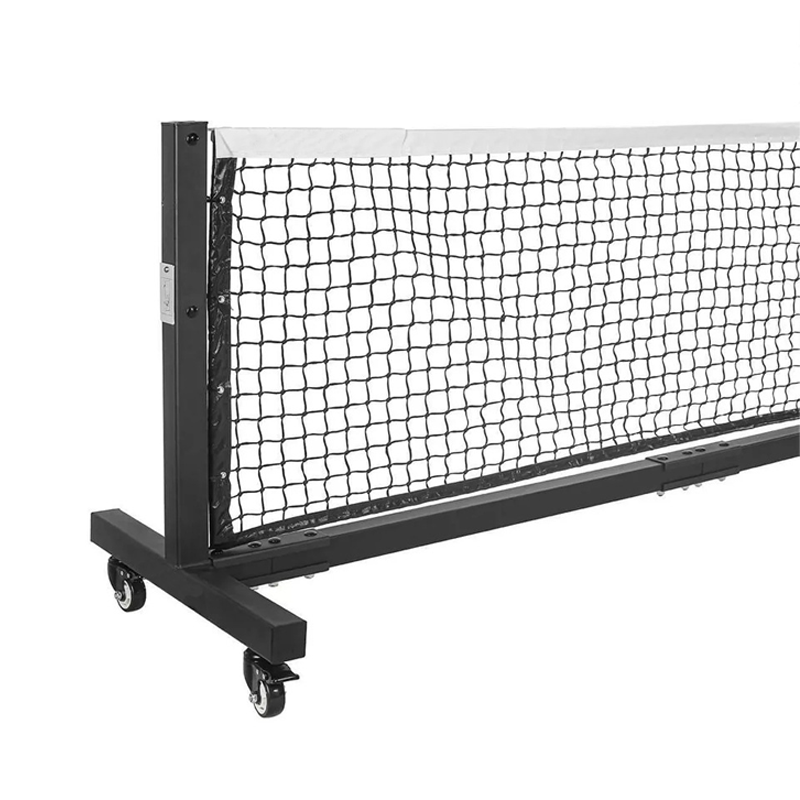
Introduction to Pickleball Net Customization
Rising global demand for pickleball equipment
Pickleball has spread across continents, drawing in schools, recreational centers, private clubs, and even professional leagues that now feature televised competitions. With this meteoric rise, equipment manufacturers have seen unprecedented demand, and nets—arguably the backbone of the game—are at the forefront. Every court requires one, every tournament needs multiples, and every household player aspires to own a net that mirrors the professional experience. For procurement professionals, this surge represents not just growth but also an urgent call to innovate, differentiate, and seize market share.
Why nets play a central role in product differentiation
Unlike paddles that can be swapped mid-match or balls that wear out quickly, the net endures as the constant centerpiece of the game. Its stability, tension, and design directly shape the players’ experience, influencing everything from casual rallies to competitive match outcomes. When a net droops, rattles, or feels flimsy, the overall perception of the brand behind it suffers. By contrast, when the net demonstrates professional-grade resilience, clever design tweaks, and sleek branding, it leaves players impressed long after the final point. The net thus becomes not just equipment but a symbol of reliability and innovation, a differentiator in a sea of generic options.
How customization supports brand positioning
Customization allows a brand to articulate its story and values in tangible form. Whether through bold, youthful designs targeting a younger demographic or classic, understated features catering to traditional clubs, customization signals alignment with the consumer’s identity. This alignment creates emotional resonance, ensuring that players not only recognize the brand but also associate it with trust, quality, and aspiration. For procurement professionals, customization offers a direct route to position their brand as forward-thinking and customer-focused, giving them a powerful edge in markets where sameness abounds.
Understanding Market Demands in Pickleball
Key demographics driving pickleball growth
Pickleball’s charm lies in its universality—accessible to retirees seeking gentle exercise, kids discovering a new pastime, and athletes craving competitive adrenaline. Senior communities across the United States have adopted it as a low-impact fitness activity, while youth sports programs increasingly introduce it as a skill-building discipline. This wide demographic spectrum has broadened the market and created layers of demand for equipment at varying price points. Procurement professionals must therefore plan product portfolios that cater not just to one group but to multiple segments simultaneously.
Regional preferences and playing styles
Different regions reveal distinct patterns in pickleball culture. North American players tend to prioritize convenience, gravitating toward nets that can be set up and dismantled within minutes. In Europe, the sport often finds a home in multi-use facilities that demand sturdy, professional-grade nets that can withstand heavy rotation. Asian markets show enthusiasm for compact, space-saving models suitable for urban settings. Recognizing and adapting to these nuanced demands allows brands to resonate more deeply with their intended markets while reducing wasted investment in mismatched products.
Market expectations for quality and durability
Consumers are no longer satisfied with “good enough” when it comes to pickleball nets. They expect UV resistance for outdoor play, rust-proof frames for long-term use, and tension systems that maintain consistent height without constant adjustment. Durability signals professionalism, and in turn, professionalism signals trustworthiness. A brand that delivers these attributes doesn’t merely sell equipment; it sets a standard that competitors are forced to match or surpass.
Types of Customization Options for Pickleball Nets
Material choices for frames and mesh
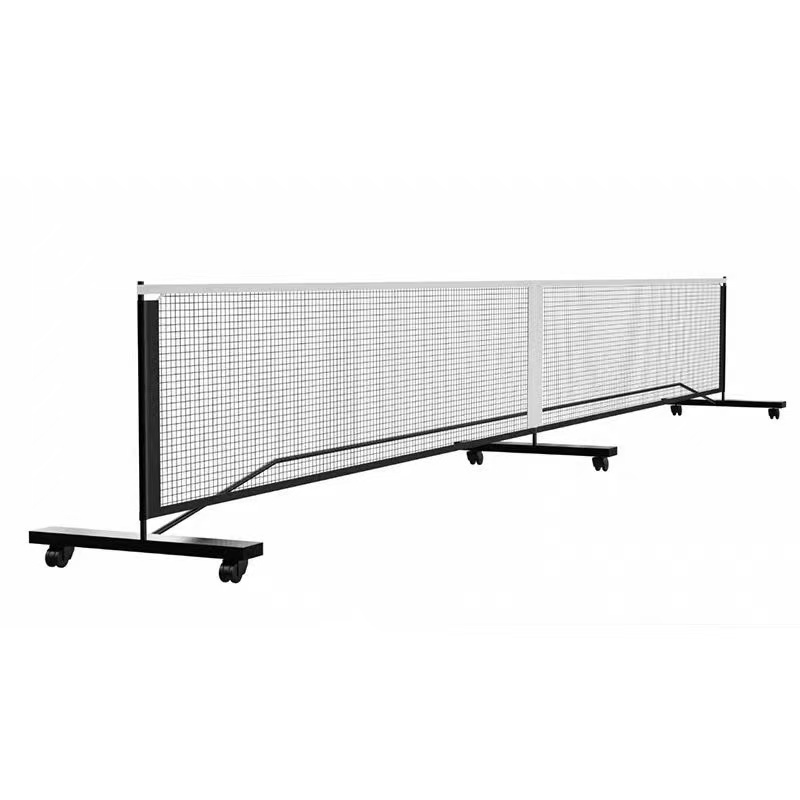
The foundation of any net begins with the frame, where customization options are plentiful. Steel frames provide rugged durability, capable of weathering years of use in club environments. Aluminum frames, lighter yet still strong, appeal to families or schools that require frequent transport. For the mesh, procurement professionals can select between nylon for affordability or polyester blends for extended UV resistance. By thoughtfully balancing these material decisions, brands can align product performance with the expectations of their targeted customer base.
Size and portability variations
Standard competition nets adhere to regulation dimensions, but the market extends far beyond tournaments. Recreational players crave portable versions that can be folded, wheeled, or packed into compact cases for travel. Adjustable-height options open new possibilities, transforming nets into multi-sport equipment suitable for both pickleball and junior tennis. These design variations ensure versatility, allowing brands to capture multiple market segments with a single, well-structured product line.
Branding through colors, logos, and packaging
Beyond function, customization in aesthetics builds brand recognition. Vibrant color schemes make nets instantly identifiable, while subtle logo placement conveys professionalism without overwhelming the design. Even packaging becomes an extension of branding, with eco-friendly or reusable bags enhancing the unboxing experience. A well-branded net not only performs on the court but also speaks for the brand wherever it travels, effectively becoming a portable billboard.
Customization Opportunities in Pickleball Nets
Differences between OEM and ODM services
OEM services excel when a brand already has a clear vision and requires precise manufacturing execution. By contrast, ODM services cater to those seeking innovation and fresh designs developed in collaboration with a manufacturer. Understanding these distinctions allows procurement professionals to align manufacturing models with their brand strategies, avoiding costly missteps. Both approaches, when deployed strategically, provide pathways to success depending on the maturity and ambition of the brand.
Advantages of working with a specialized manufacturer
Specialized manufacturers bring experience honed across countless production runs, often offering insights that general suppliers overlook. Their ability to anticipate market shifts, optimize material use, and implement advanced technologies translates into products that are both innovative and reliable. Procurement professionals benefit from reduced risks, faster turnaround, and stronger competitive positioning when they align with experts in the pickleball niche.
Case examples of successful brand partnerships
Brands that have embraced ODM partnerships frequently launch breakthrough products that generate buzz and capture consumer loyalty. For instance, collaborations that produced eco-friendly nets or ultra-light portable systems quickly established new industry benchmarks. Meanwhile, OEM-driven brands safeguard their identity by ensuring absolute fidelity to their original designs. Both pathways, when nurtured with mutual trust, produce results that ripple through entire markets.

Enhancing Brand Value Through Custom Features
Differentiating products with unique specifications
Customization empowers brands to offer features beyond the basics, such as reinforced tension systems, quick-locking mechanisms, or modular designs for versatile use. These enhancements become talking points that elevate consumer perception. They also create word-of-mouth momentum, as players who encounter these upgrades on the court are quick to share their positive experiences with peers.
Building customer loyalty through tailored designs
Players form emotional connections with equipment that feels designed for their unique circumstances. Families appreciate lightweight, collapsible nets, while clubs value heavy-duty systems built to last. Delivering on these expectations demonstrates attentiveness and care, instilling loyalty that endures through multiple product cycles. Such loyalty proves invaluable in markets increasingly saturated with competitors.
Using customization to justify premium pricing
In an environment where consumers are willing to invest in quality, premium features become more than a luxury—they become a necessity. Adjustable frames, long-lasting finishes, and ergonomic carry cases all justify higher price points. Brands that deliver these attributes not only expand their profit margins but also secure reputations as trusted suppliers of premium sporting goods.
Quality Control and Compliance Considerations
Meeting international safety and performance standards
Global expansion requires adherence to diverse regulatory frameworks, from ASTM standards in the U.S. to CE certifications across Europe. Compliance ensures smoother entry into markets while shielding brands from legal setbacks. For procurement professionals, certification is not a box to check but a strategic advantage that enhances credibility.
Importance of rigorous product testing
Testing verifies that nets hold tension, withstand repeated impacts, and endure environmental stresses. Simulated use under extreme conditions identifies weaknesses before products reach consumers. By rigorously vetting equipment, brands not only ensure reliability but also reduce long-term warranty claims and negative reviews.
Certifications that increase buyer confidence
Official certifications act as endorsements of quality and reliability, speaking volumes to buyers and end-users alike. Labels such as ISO, SGS, or eco-certifications for sustainable practices communicate transparency and commitment. These marks frequently influence procurement decisions, tipping the balance in competitive tenders.
Supply Chain and Production Efficiency
Streamlining sourcing and manufacturing processes
Supply chains determine the agility of a brand. Centralized sourcing reduces complexity, while modernized manufacturing facilities minimize inefficiencies. A streamlined process ensures timely delivery, enabling brands to ride market waves instead of lagging behind them.
Reducing lead times with flexible production
Flexible production systems allow quick adaptation to spikes in demand or sudden shifts in customization requests. By integrating modular processes and scalable staffing, manufacturers shorten lead times dramatically. This agility provides procurement professionals with a decisive advantage in dynamic markets.
Ensuring consistency across large-scale orders
Large-scale orders magnify small mistakes, making consistency critical. Advanced digital tracking and automated quality inspections ensure each unit matches specifications precisely. Brands that maintain uniformity project professionalism and reliability, reinforcing trust across international markets.
Cost Implications and ROI of Customization
Balancing upfront costs with long-term gains
Customization can require investment in new molds, designs, or specialized materials, which may initially appear costly. Yet, these costs pay dividends through brand recognition, customer satisfaction, and extended product lifecycles. When viewed strategically, customization shifts from a financial burden to a powerful revenue driver.
Pricing strategies for customized nets
Effective pricing models balance affordability with aspirational value. Offering tiered options—basic, mid-range, and premium—allows brands to capture varied audiences without alienating any group. This layered approach enhances profitability while ensuring broad accessibility.
Measuring ROI through sales growth and retention
ROI reveals itself not just in immediate sales spikes but in recurring purchases and expanding market reach. Customized nets that resonate deeply with players create communities of repeat buyers and vocal advocates. Measuring retention alongside revenue growth gives procurement professionals a complete picture of customization’s impact.
Future Trends in Pickleball Net Customization
Smart features and technology integration
The future promises nets embedded with sensors, app connectivity, and self-monitoring systems that ensure perfect tension. Such advancements blend sport with technology, creating immersive experiences for players. Brands pioneering in this area will stand at the forefront of innovation, attracting tech-savvy consumers worldwide.
Eco-friendly and sustainable materials
Environmental consciousness is reshaping procurement decisions. Nets made with recycled metals, biodegradable polymers, or produced through carbon-neutral methods resonate strongly with eco-minded buyers. Sustainability becomes not only a market advantage but also a responsibility that aligns with broader societal values.
Evolving consumer preferences and style shifts
As pickleball continues to spread, aesthetics will play a growing role in product design. Players will gravitate toward nets that reflect personal style, whether through bold, eye-catching patterns or minimalist, professional finishes. Staying tuned to these shifts ensures relevance and prevents stagnation.
Conclusion and Key Takeaways
Why customization drives competitive advantage
Customization isn’t a passing trend—it’s the linchpin for competitive success in the pickleball net market. By creating products that blend functionality with individuality, brands cultivate an identity that transcends basic utility. This advantage becomes particularly potent as more players enter the sport and seek equipment that reflects their personality and values.
Strategic tips for procurement professionals
Procurement professionals should prioritize manufacturers with proven expertise, invest in sustainable solutions, and adapt product lines to regional demands. Remaining nimble and forward-thinking ensures that brands stay ahead of consumer expectations. This strategic approach transforms challenges into opportunities for growth.
Partnering with the right manufacturer for success
At the heart of customization lies collaboration. Choosing a manufacturer with the right balance of technical skill, logistical reliability, and innovative spirit guarantees long-term success. When procurement professionals align with the right partner, they unlock a future of products that inspire confidence, delight players, and cement brand authority.
Related Posts
Removable Sports Flooring to Reduce Total Cost
Roll Out Gym Flooring Buyers Trust for Fast Scaling

Indoor Pickleball Court Flooring That Cuts Landed Cost