Skip to content
Table of Contents
Categories

Charles Wong
Introduction to Pickleball Overgrips
Why Overgrips Are Essential in Pickleball Equipment
In pickleball, a player’s paddle is only as good as their grip. Overgrips offer a tactile connection between athlete and gear, boosting control, comfort, and confidence during fast-paced play. Without a reliable overgrip, even the best paddle can feel like a wet fish in hand—slippery and unpredictable.
Growth of the Pickleball Market Worldwide
Pickleball isn’t just having a moment—it’s gone full-on global. From community parks in Iowa to elite clubs in Singapore, this paddle sport is outpacing other racquet games in participation growth. With this surge comes a parallel rise in demand for better, more personalized paddle accessories, especially grips.
Importance of Staying Updated with Product Trends
The pace of innovation in the overgrip space is enough to make your head spin. Brands that keep one eye on the pulse of what players want—and the other on what materials can deliver—are the ones that stay in the winner’s circle. Falling behind means missing out on both market share and brand loyalty.
Global Demand for Pickleball Overgrips
Rise in Recreational and Competitive Players
Pickleball has morphed from a retirement community pastime into a fiercely competitive sport with international tournaments. As more casual players turn pro or semi-pro, their expectations for gear performance escalate. That shift means overgrips must keep up—not just in feel, but in function.
Market Expansion in North America, Europe, and Asia
North America still leads the charge, but Europe and Asia aren’t just watching from the sidelines. The UK, Germany, and Japan are seeing rapid club growth, with retailers scrambling to meet the demand for high-quality accessories. For OEM and ODM suppliers, that’s a global opportunity ripe for the taking.
Impact of Seasonal and Regional Purchasing Patterns
Regional climates and seasonal trends dictate consumer preferences in grip texture and absorbency. A grip that sells like hotcakes in humid Florida might flop in dry Arizona or chilly Scandinavia. Brands need to dial into those subtleties to stock the right SKUs at the right time.
Material Innovations in Overgrip Manufacturing
Eco-Friendly and Biodegradable Grip Materials
Sustainability isn’t just a buzzword—it’s a bottom-line issue. Overgrips made with biodegradable PU or plant-based polymers are winning favor with eco-conscious brands and buyers alike. This shift is creating a competitive edge for manufacturers who can deliver green without sacrificing grip.
Enhanced Sweat Absorption Technologies
Nothing tanks a match faster than slippery hands. New-generation overgrips are engineered with micro-wicking layers that channel sweat away from the palm while keeping grip tension high. These moisture-control technologies are no longer premium—they’re becoming baseline expectations.
Non-Slip, High-Durability Synthetic Blends
Durability used to come at the cost of comfort, but no longer. Advanced synthetic blends now offer a soft, grippy texture that doesn’t wear down after a few games. Players are demanding overgrips that go the distance—through tournaments, training, and everything in between.
Design Trends Influencing Consumer Preferences
Popular Colors, Textures, and Patterns
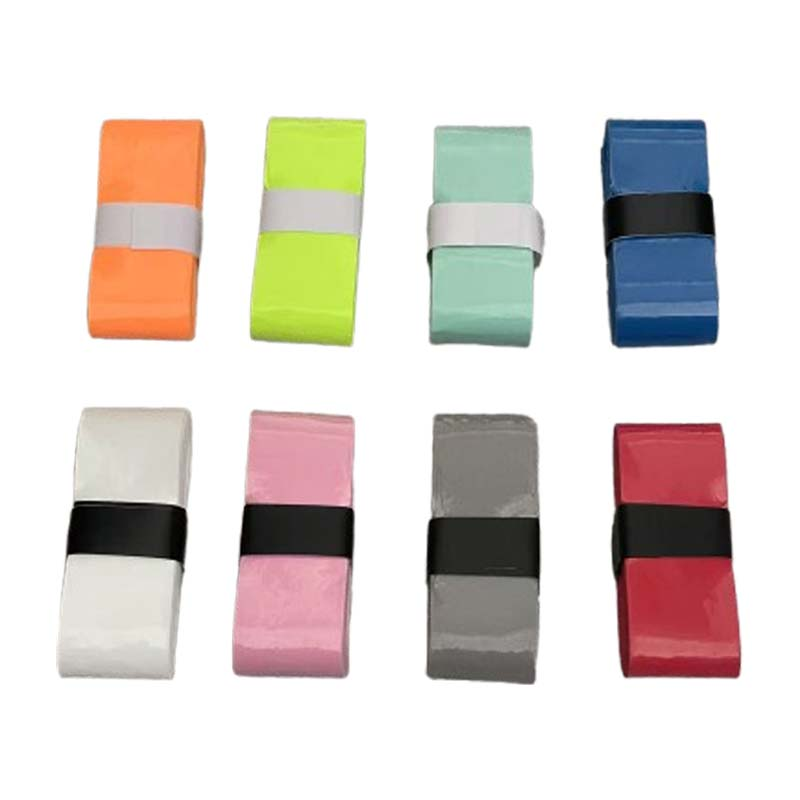
Grips are becoming just as much about style as they are about substance. Neon fades, camo patterns, and even limited-edition artist collabs are becoming hot commodities. Aesthetics drive impulse buys, especially for younger demographics and social-media-savvy players.
Branding Opportunities with Unique Designs
Grips are prime real estate for brand identity. Custom logos, embossed textures, and pattern-matching with paddles are helping brands stand out in a crowded marketplace. This visual cohesion boosts brand recall and adds perceived value to every unit sold.
Customization for Grip Thickness and Feel
One size no longer fits all—players want options. Some prefer ultra-thin wraps for a close-to-the-handle feel, while others crave cushioned layers to ease joint stress. Offering multiple SKUs in thickness and texture increases cart size and customer satisfaction.
Performance Features Buyers Are Requesting
Tacky vs Dry Grip Preferences by Player Segment
Some players want their grip to feel like a sticky note—others want a chalk-dry hold. Preferences vary wildly between recreational, competitive, and professional segments. Brands that cater to both ends of the spectrum win more shelf space and loyalty.
Shock Absorption and Comfort Improvements
Repetitive stress injuries are a real concern for frequent players. New overgrips are designed with foam-infused cores and layered composites that reduce vibration on contact. These features help players go longer and harder without sacrificing hand health.
Longevity and Resistance to Wear and Tear
Nobody wants a grip that frays after one sweaty afternoon. Overgrips must now endure hundreds of serves, drives, and dinks without losing texture or tackiness. Durability has become a deal-breaker for discerning players and serious resellers.
OEM and ODM Expectations from Manufacturers
Minimum Order Quantity Flexibility
Small brands can’t always commit to huge MOQs. Manufacturers who offer tiered pricing and low entry volumes are gaining traction, especially with niche and emerging brands. Flexibility here means more first orders—and more repeat business.
Private Label and Custom Branding Capabilities
White labeling is no longer enough. Today’s brands want embossed logos, custom die-cut shapes, and brand-matched colorways that shout their identity. OEMs who invest in full-spectrum customization win the contracts that matter most.
Fast Prototyping and Sampling Services
Speed to market is the name of the game. Brands want quick sampling, short lead times, and the ability to tweak specs on the fly. A responsive ODM partner becomes not just a supplier—but a strategic collaborator.
Quality Control and Compliance Requirements
International Safety and Material Certifications
Certifications like RoHS, REACH, and ISO aren’t optional anymore—they’re required. These assure buyers that overgrips meet global safety and environmental standards. Non-compliance isn’t just risky—it’s a deal-killer.
Standardized Testing for Durability and Function
Lab-tested durability, tack retention, and sweat resistance data help brands make confident purchasing decisions. Testing standards help differentiate premium grips from cheap knock-offs. Buyers want numbers that back up marketing claims.
Inspection Processes and Consistency Assurance
Inconsistency in thickness or tackiness between batches can ruin a brand’s reputation. Manufacturers must have robust QC systems in place, from raw material inspection to final packaging checks. Consistency builds trust—and trust builds brands.
Supply Chain and Fulfillment Considerations
Lead Times and Shipping Reliability
Nobody wants to hear the words “delayed container.” Predictable lead times and agile production schedules are more valuable than ever. Brands prioritize partners who communicate clearly and deliver on time—even when logistics get hairy. Lead times are closely related to the manufacturer’s capacity. It’s important to talk to your supplier at the beginning of quotation. The more accurate info.(quantity, material, packaging request, etc.) you provide, the more accurate the lead time.
Warehousing and Inventory Management Options
Manufacturers that offer bonded storage or drop-shipping solutions provide serious value-adds. These services help brands scale without overextending their logistics capabilities. Inventory visibility and management tools are icing on the cake.
Cost-Effective Logistics for Global Delivery
From container consolidation to last-mile partnerships, savvy manufacturers are optimizing freight strategies to trim fat and cut delays. Efficient logistics directly impact profit margins—so it pays to get it right.
Sustainability and Ethical Manufacturing Practices
Use of Recycled or Renewable Materials
As environmental regulations tighten, grips made from post-consumer plastics or natural rubber are gaining favor. These materials must still deliver performance, but their reduced environmental footprint makes them an easy sell to eco-minded buyers.
Reducing Production Waste and Carbon Footprint
Waste isn’t just bad for the planet—it’s bad for profit. Lean manufacturing practices, closed-loop systems, and energy-efficient facilities are separating the leaders from the laggards. Brands want their supply chain to reflect their values.
Transparency in Labor and Sourcing Practices
Ethical sourcing is no longer a luxury—it’s a prerequisite. Audits, documentation, and traceability reports give procurement teams peace of mind. Transparency builds long-term relationships, especially with Western brands held to stricter ESG standards.
Future Outlook and Strategic Recommendations
Emerging Technologies in Grip Manufacturing
From 3D-printed textures to smart grips that monitor pressure and sweat, the future is coming fast. Brands should keep an eye on pilot innovations that could shape next-gen overgrips. Early adoption could be a game-changer.
Forecasted Shifts in Consumer Demand
xpect the demand for gender-specific, youth-oriented, and senior-friendly grips to rise. As pickleball’s player base diversifies, so must product offerings. Brands that segment and personalize will dominate the shelves.
How Brands Can Stay Ahead in the Overgrip Market
The winners will be the brands that innovate, collaborate, and adapt. That means working closely with suppliers, investing in R&D, and listening to end-users. In a market this hot, standing still isn’t an option—it’s a fast track to being left behind.
Conclusion
The pickleball overgrip market is evolving rapidly, driven by global demand, innovation in materials, and increasing expectations from both players and brands. From biodegradable materials to highly customized textures and branding, overgrips are no longer just functional—they’re a competitive differentiator. For OEM and ODM brands, staying agile, offering low MOQs, and delivering fast, flexible customization are essential to capturing and retaining clients in this booming space.
As the market continues to evolve, those who prioritize innovation, speed, and quality in customization will capture the lion’s share of growth and loyalty.
With growing emphasis on quality control, sustainable sourcing, and global fulfillment capabilities, manufacturers must go beyond just producing—they need to become strategic partners. As player demographics shift and technology advances, forward-thinking brands that anticipate consumer needs and align with ethical, high-performance standards will carve out lasting success. The future of overgrips isn’t just in how they feel in the hand—but how well they reflect the values and agility of the brands behind them.
Related Posts
Removable Sports Flooring to Reduce Total Cost
Roll Out Gym Flooring Buyers Trust for Fast Scaling

Indoor Pickleball Court Flooring That Cuts Landed Cost