Skip to content
Table of Contents
Categories

Charles Wong
Introduction to Modern Pickleball Paddle Technology
Overview of the Global Pickleball Market Growth
Pickleball has exploded from local community courts to becoming one of the fastest-growing sports worldwide, with participation swelling across North America, Europe, and Asia. Major sports retailers have seen paddle sales surge year over year, and international tournaments are drawing sponsorships once reserved for more traditional racket sports. This momentum has triggered fierce competition among brands to differentiate themselves with advanced paddle technology that can capture both performance-focused athletes and recreational players.
Why Technology is a Brand Differentiator
In a market this crowded, a paddle’s performance is no longer just about hitting the ball—it’s about how seamlessly the technology complements a player’s style. Advanced materials, precise engineering, and innovative construction processes can turn an average paddle into a game-changer that players swear by. For brands, technology becomes the signature that drives loyalty, repeat sales, and the ability to command premium price points.
Key Trends Driving Product Innovation
The current wave of paddle innovation is fueled by three big drivers: lightweight durability, enhanced ball control, and production consistency at scale. Players want equipment that delivers competitive advantages without sacrificing comfort over long matches. Brands investing in new materials, precision molding, and sustainable processes are not only staying ahead—they’re setting the tone for the industry’s future.
Understanding the Core Materials
Polypropylene Honeycomb Cores for Durability and Feel
Polypropylene honeycomb cores (PP honeycomb cores) have become the industry standard for their exceptional balance of strength and touch. The hexagonal structure absorbs vibrations, reducing arm fatigue while providing a consistent ball response across the sweet spot. For brands, this material offers reliability in manufacturing, ensuring every paddle meets player expectations.
Carbon Fiber Cores for Lightweight Performance
Carbon fiber cores deliver a feather-light feel without compromising structural integrity, making them ideal for players who thrive on speed and quick reactions. The high stiffness of carbon also amplifies power transfer, rewarding aggressive swings with more forceful shots. While the cost is higher, its performance benefits make it a compelling choice for premium paddle lines.
Hybrid Core Designs for Balanced Playability
Hybrid cores combine different materials—often polypropylene with reinforced carbon layers—to achieve a tailored performance profile. This blend allows brands to fine-tune power, control, and vibration dampening, appealing to a wider player demographic. By strategically layering materials, manufacturers can deliver a “best of both worlds” product that stands out in the marketplace.
Surface Material Advancements
Carbon Fiber Faces for Power and Control
Carbon fiber faces offer unparalleled stiffness and resilience, translating to explosive power while maintaining pinpoint accuracy. The micro-textured surface enhances ball bite, giving players better spin potential on their shots. This is the go-to choice for serious competitors and is a clear signal of a high-performance product line.
Fiberglass Faces for Softer Touch
Fiberglass faces provide a more forgiving feel, absorbing impact and enabling greater finesse at the net. The material’s natural flex generates a dwell time, perfect for players who rely on tactical placement over brute force. For brands, fiberglass faces cater to intermediate markets and recreational players seeking comfort and playability.
Textured and Coated Surfaces for Grip Enhancement
Textured or grit-coated faces significantly improve ball grip, enabling players to impart advanced spin with minimal effort. These coatings also offer durability against wear, maintaining performance over time. By integrating surface technology, brands can differentiate their paddles visually and functionally in a saturated market.
Cold Press vs Thermoforming Manufacturing
Cold Press Process and Structural Characteristics
Cold press manufacturing bonds the paddle face, core, and opposite face under high pressure at room temperature. This approach is cost-effective and produces paddles with a softer, more traditional feel. However, it typically requires separate edge guards, which may slightly increase weight and potential wear points.
Thermoforming Process and Integrated Edge Design
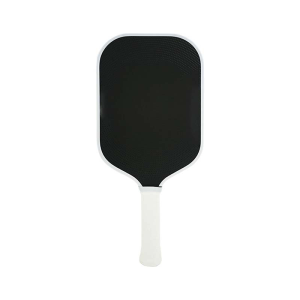
Thermoforming fuses paddle components at high heat and pressure inside a mold, creating a seamless, one-piece design. The edges are integrated into the face material, eliminating the need for separate guards. This results in improved structural integrity, a cleaner aesthetic, and reduced risk of delamination.
Comparative Analysis of Durability, Performance, and Cost
Thermoformed paddles generally offer greater durability and a more consistent feel across the surface, though at a higher manufacturing cost. Cold press paddles, while more affordable, may show edge wear sooner and offer a softer impact profile. For brands, the choice often comes down to target market positioning and desired product lifespan.
Edge Construction and Protection
Traditional Edge Guards and Their Benefits
Edge guards shield the paddle’s perimeter from chips, cracks, and court impacts. They are easy to replace and can be color-matched for branding purposes. While they add a touch of weight, they’re a tried-and-true solution for protecting investment in the paddle’s core and face.
Seamless Thermoformed Edges for Unibody Strength
Seamless edges created in thermoforming remove potential weak points along the paddle’s frame. The unibody structure feels sleeker in hand and often improves aerodynamics during play. This design also appeals to players who prefer a minimalist look without sacrificing performance.
Impact on Product Lifespan and Brand Reputation
Edge durability directly impacts customer satisfaction and return rates. A paddle that withstands repeated court impacts reinforces trust in the brand’s engineering. Consistently delivering products with robust edge construction helps secure long-term brand loyalty.
Weight and Balance Optimization
Importance of Weight Distribution for Player Comfort
Weight distribution influences swing speed, shot stability, and long-term comfort. A well-balanced paddle reduces strain on wrists and elbows, enabling players to maintain peak performance through extended matches. Brands that invest in ergonomic weight tuning stand out to discerning buyers.
Balancing Power and Maneuverability in Design
Head-heavy paddles generate more power but can slow reaction times, while head-light designs enhance quickness at the net. Finding the right equilibrium allows a paddle to cater to a wider spectrum of playing styles. Manufacturers can achieve this through core thickness adjustments and material placement.
Adjustability Options for Different Playing Styles
Some advanced paddles allow players to fine-tune weight using removable inserts or balance kits. This adaptability appeals to competitive athletes seeking customization for specific match conditions. Offering adjustable models positions a brand as forward-thinking and player-focused.
Customization Opportunities for Brands
Aesthetic Customization to Fit Brand Identity
Graphics, colors, and finishes can turn a paddle into a visual representation of a brand’s DNA. Custom printing techniques allow for high-resolution artwork without compromising surface performance. For private-label products, unique designs can become signature market identifiers.
Performance Customization for Target Markets
Different regions and player demographics prioritize different traits—such as power, control, or spin. Tailoring core materials, face composition, and weight profiles to specific markets can yield better sell-through rates. Brands that segment their offerings by market need often enjoy stronger customer retention.
Co-Branding and Limited Edition Strategies
Collaborations with influencers, clubs, or tournaments create buzz and scarcity appeal. Limited runs with distinctive designs can command premium pricing. This strategy not only drives sales but also enhances brand prestige in the competitive landscape.
Quality Control and Consistency
Material Sourcing and Inspection Standards
High-quality paddles begin with rigorous selection of raw materials from trusted suppliers. Strict incoming inspections ensure no substandard components enter production. This vigilance reduces variability and reinforces the brand’s reputation for excellence.
In-Process Testing for Performance Consistency
Ongoing checks during manufacturing catch defects before assembly is complete. Tests can include surface adhesion, core alignment, and weight accuracy. By maintaining consistency at every stage, brands ensure the final product delivers as promised.
Final Product Testing and Certification
Before paddles reach the market, they undergo impact resistance, flex, and performance evaluations. Certifications from recognized sports bodies add credibility, especially in competitive markets. These steps build confidence with both distributors and end-users.
Sustainability and Eco-Friendly Manufacturing
Recyclable Materials and Reduced Waste Processes
Incorporating recyclable cores, faces, and packaging meets growing consumer demand for sustainable products. Process innovations that minimize offcuts and scrap further reduce environmental impact. These measures are becoming selling points as buyers seek eco-conscious brands.
Energy-Efficient Production Methods
Switching to energy-saving equipment and optimizing production schedules lowers operational costs and carbon footprint. Renewable energy integration in factories can also become a marketing advantage. Efficiency in manufacturing is now both an ethical and strategic choice.
Communicating Sustainability to Consumers
Transparency in sourcing, production, and recycling practices builds trust and differentiates a brand. Highlighting eco-certifications and sustainability milestones in marketing materials strengthens brand appeal. Today’s consumers are quick to champion companies whose values align with their own.
Choosing the Right OEM/ODM Partner
Evaluating Manufacturing Capabilities and Technology
A strong OEM/ODM partner should have advanced machinery, skilled technicians, and proven experience in paddle innovation. On-site visits and sample evaluations can reveal true production capabilities. The right partner is equipped to scale while maintaining quality.
Lead Times, Scalability, and Logistics Support
Reliable delivery schedules and the ability to ramp up production during demand spikes are critical for global distribution. Efficient logistics networks ensure products reach markets without costly delays. Brands benefit from partners who can adapt quickly to changing market needs.
Building Long-Term Partnerships for Innovation
Sustained collaboration fosters co-development of new technologies, materials, and designs. Over time, shared investment in R&D can produce proprietary advantages in the marketplace. A stable, mutually beneficial relationship ensures continuous growth and innovation.
Related Posts
Removable Sports Flooring to Reduce Total Cost
Roll Out Gym Flooring Buyers Trust for Fast Scaling

Indoor Pickleball Court Flooring That Cuts Landed Cost