Skip to content
Table of Contents
Categories

Charles Wong
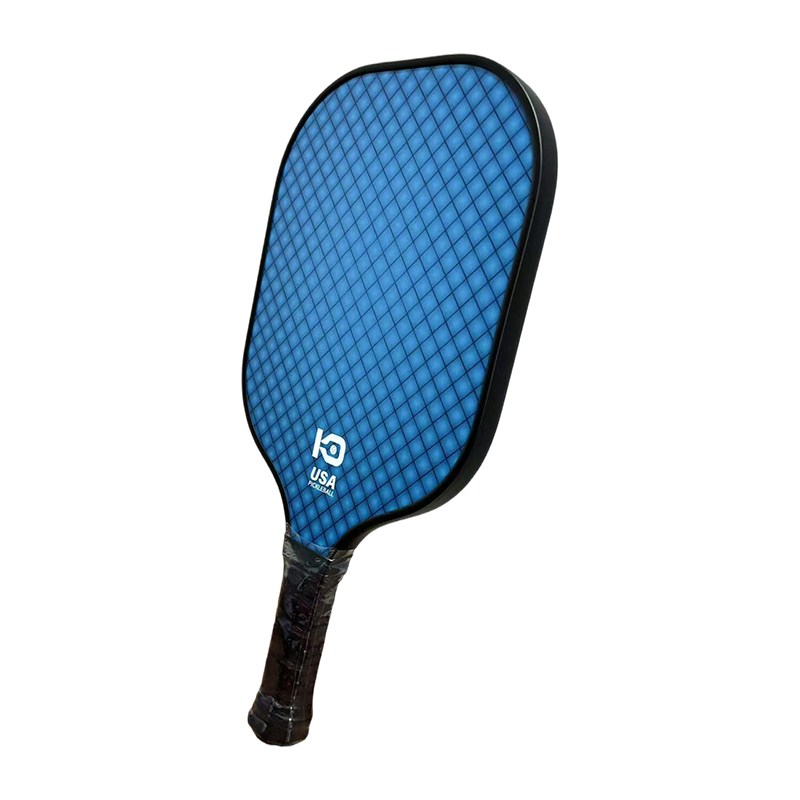
Introduction to Beginner Pickleball Paddles
Why the Beginner Market Is Key for Brand Growth
The beginner segment isn’t just the shallow end of the pickleball pool—it’s where the tide starts rising. New players make up the fastest-growing demographic, and their first paddle often determines brand allegiance. Get it right, and you’ve got a lifelong customer who upgrades within your product line. Get it wrong, and they bounce quicker than a wiffle ball in the wind. Brands that cater to beginners tap into a volume-based model that scales fast and delivers repeat business. Plus, beginner paddles are often gifted or bundled, spreading brand awareness like wildfire. For procurement pros, that means predictable, sustained demand.
Understanding the Global Rise in Pickleball Popularity
From Florida backyards to Tokyo gymnasiums, pickleball is blowing up like it’s the new yoga. The game is inexpensive to start, easy to learn, and addictive as sweet tea in July. As of 2025, millions are taking up the sport every year, many of them seeking reliable, approachable equipment. The beauty of pickleball’s growth is that it’s both grassroots and institutional—parks, schools, and rec leagues are all investing. That surge means the beginner paddle isn’t a side item; it’s the front door to a multi-billion-dollar industry. For brands that want to scale, ignoring this audience is like leaving money on the table.
The Role of Entry-Level Gear in Customer Acquisition
Think of entry-level paddles as the handshake between your brand and the player. If it’s firm, confident, and reliable, you’ve just started a relationship. If it’s weak or inconsistent, well, they’re shopping your competitor next time. Entry-level gear is the foundation of brand identity for first-timers, and it needs to deliver without intimidating. Great beginner paddles don’t just play well—they build trust. In B2B terms, that translates to customer acquisition at scale and lower churn on future product lines.
Who Are Beginner Pickleball Buyers?
Demographics and Purchase Motivations
Beginner buyers range from 12-year-old students to 70-year-old retirees—but they all want the same thing: gear that works without a learning curve. Many are buying paddles for family fun, school programs, or corporate wellness events. This group is motivated by ease of use, value, and brand credibility. They’re not shopping like pro athletes—they’re looking for reliable, well-reviewed products that won’t break the bank. And they’re often influenced by a quick YouTube video, TikTok trend, or neighbor’s recommendation. For procurement professionals, this means targeting accessible, adaptable products that hit broad appeal.
Typical Buying Channels and Habits
These customers aren’t digging through specialty catalogs or calling distributors—they’re clicking on Amazon, checking local sporting goods stores, or placing bulk orders through schools and clubs. D2C and B2B channels both matter, but in different ways. The key is visibility and volume: being where they shop and having the product ready. Bulk buyers like schools often need quotes, samples, and guarantees, while individuals want two-day shipping and glowing reviews. The flexibility to serve both channels is what separates successful paddle lines from one-hit wonders.
Expectations from Their First Paddle
New players don’t want the fanciest paddle—they want something that makes them feel like they can play. That means forgiveness in design, comfort in the grip, and no unnecessary complexity. If a paddle is too heavy, stiff, or hard to control, the player assumes the game isn’t for them. But when a paddle feels intuitive right out of the wrapper, that player becomes an advocate. First impressions in this category are everything. The paddle needs to say: “You’ve got this.”
Essential Features of a Beginner Paddle
Lightweight Build for Easy Handling
Weight is often the first thing a player notices. Too heavy and it feels like swinging a brick. Too light and it loses power. For beginners, the sweet spot is between 7.3–8.0 oz—a range that offers maneuverability without sacrificing swing integrity. Lightweight paddles reduce fatigue, especially in younger or older players. They also build confidence as players develop muscle memory. Think of it as training wheels with style.
Comfortable Grip and Shock Absorption
A paddle that feels good in hand is worth its weight in sales. Beginners tend to grip harder than experienced players, so a cushioned handle can reduce wrist strain and make play more enjoyable. Shock absorption is also critical—especially with polymer cores that help dampen vibration. A 4.25″ grip circumference fits most hands, but offering multiple sizes boosts accessibility. For brand buyers, customizable grips open up new markets with minimal tooling costs.
Balanced Power and Control
Nobody wants to feel like they’re smacking the ball into the parking lot—or barely clearing the net. A well-designed beginner paddle balances pop and precision. That typically means a mid-weight paddle with a polymer honeycomb core and a composite face. Control is crucial, but not at the expense of fun. When a paddle helps players place the ball and feel powerful, it becomes the one they recommend to friends.
Paddle Materials That Suit Beginners
Popular Core Materials and Their Benefits
The core is the engine under the hood. For beginners, polymer honeycomb cores reign supreme. They offer quiet play, durability, and a soft feel that reduces mishits. Nomex and aluminum cores are also on the table, but they tend to be louder and less forgiving. Polymer delivers the trifecta—affordability, consistency, and comfort. And when it comes to scale, that’s a material procurement managers can count on.
Face Materials: Composite vs. Graphite
Composite faces are ideal for entry-level paddles—they’re durable, slightly textured, and enhance ball control. Graphite, while lighter and more responsive, can be too “hot” for new players. Composite materials provide more surface forgiveness and are easier to manufacture with consistent quality. For private labels, composites offer a wider design canvas too—think custom textures, patterns, or branding effects. It’s the material of choice when you want beginner-friendly gear that still looks sharp.
Cost-Effective Options Without Sacrificing Quality
Smart buyers know it’s not about the cheapest paddle—it’s about the best value. That means finding the right blend of materials, design, and features without overspending. Manufacturers in China are now offering hybrid solutions that cut costs without cutting corners. This includes reinforced edge guards, injection-molded handles, and advanced adhesives—all of which enhance longevity. Entry-level doesn’t have to mean disposable.
Paddle Shapes That Help New Players Learn
Widebody for Forgiveness and Sweet Spot
The widebody is the rookie’s best friend. It offers the largest sweet spot and a bigger margin for error. Most beginner paddles are 8″ wide, providing players with better off-center performance. That translates to fewer frustrations and faster progress. It’s also a confidence booster—because hitting the ball cleanly just feels good. Widebodies are a no-brainer for high-volume beginner sales.
Standard Shape for All-Around Play
Standard shapes walk the line between pro and beginner performance. They’re well-balanced and easier to manufacture at scale. While the sweet spot is smaller than widebody models, they offer improved aerodynamics and faster swings. Brands looking to introduce progression in their paddle lines often use this shape to bridge beginner and intermediate tiers. It’s versatile, clean, and appeals to both recreational and competitive audiences.
Elongated Options for Reach and Power
Elongated paddles aren’t usually the first pick for beginners—but for tall players or those with tennis backgrounds, they make sense. More reach equals more defensive coverage and extra power on overheads. The trade-off is a narrower face, which means slightly less forgiveness. Still, they’ve got niche appeal in youth and athletic-focused segments. For buyers building full-range paddle lines, having an elongated model completes the picture.
How to Source Beginner Paddles at Scale
Advantages of OEM/ODM Manufacturing in China
When it comes to sourcing pickleball paddles at scale, China’s OEM/ODM infrastructure is the ace up the sleeve. With streamlined production lines, bulk material sourcing, and decades of composite expertise, Chinese manufacturers can deliver cost-effective products without compromising on quality. The economy of scale here is unmatched—thousands of units can be turned around in weeks, not months. In addition, most top-tier factories offer R&D support, tooling flexibility, and multilingual project managers who keep communication fluid. For procurement professionals, this means fewer headaches, faster cycles, and tighter margins.
Understanding MOQs and Customization Capabilities
Minimum Order Quantities (MOQs) can vary widely depending on design complexity, but they often start as low as 300–500 units. That’s ideal for launching pilot lines or testing markets. Higher-volume buyers enjoy more customization: unique molds, color-matched graphics, even proprietary paddle shapes. Factories accustomed to white-label production understand branding is king—so they’ll offer options like UV-printing, silk screening, and custom grip wrapping. Knowing where flexibility ends and costs spike is key to negotiating effectively.
Steps in the Procurement and Sampling Process
The journey starts with a spec sheet or a design concept. Once materials and shapes are agreed upon, the factory will usually produce 1–3 rounds of samples. These are tested for balance, weight, durability, and aesthetic consistency. Once approved, mass production kicks off—with most lead times running 30–45 days depending on order size. Final inspections are typically done in-factory or by a third-party QA service. A good supplier will welcome tight QC protocols and transparent updates throughout the process.
Customization for Private Label Success
Branding: Logos, Colors, and Design Elements
First impressions matter—especially in retail. Strong private-label paddles showcase the brand with crisp logos, cohesive color schemes, and eye-catching finishes. Matte, gloss, UV-reactive, and textured coatings are now widely available even on beginner paddles. Custom artwork can elevate a $20 paddle to feel like a $50 model. Whether you’re targeting teens, schools, or retirees, tailored visual identity boosts shelf appeal and perceived value.
Grip Sizes and Handle Materials
Comfort equals confidence. Offering grip options—from cushioned EVA foam to perforated synthetic leather—gives brands the flexibility to appeal across hand sizes and climates. Smaller grips may work better for youth markets, while oversized grips can help seniors with arthritis or limited dexterity. It’s a low-cost customization that makes a world of difference. Don’t forget end-cap branding; even the butt of the paddle is a branding opportunity.
Packaging and Market-Specific Labeling
Great packaging isn’t just protection—it’s persuasion. Entry-level paddles should be retail-ready with durable bags, hang tags, and barcode-ready boxes. For bulk or institutional sales, minimalist packaging cuts costs and waste. Labels should match market standards—metric vs. imperial measurements, language preferences, and safety info like lead content or child safety compliance. Thoughtful packaging not only supports the product—it elevates the brand.
Product Certification and Quality Assurance
USA Pickleball Certification Basics
If your paddle isn’t approved by USA Pickleball, you’re not playing in the big leagues—literally. Certification from USA Pickleball ensures the paddle is eligible for sanctioned tournaments and recognized for consistent play characteristics. It requires submitting physical samples and passing tests related to surface texture, deflection, and material specs. While not essential for casual play, having the stamp of approval increases credibility and value in competitive retail settings.
Global Compliance for Different Markets
European markets require CE compliance. Canada has bilingual labeling laws. Australia emphasizes sustainability disclosures. Understanding the rules of each target market is crucial to avoiding customs delays and liability headaches. Fortunately, seasoned OEMs can walk brands through these regulations. Certification isn’t just a box to check—it’s a barrier to entry you want on your side, not in your way.
Testing Protocols for Durability and Performance
Durability testing includes impact drops, moisture exposure, and stress simulations. For beginners who might drag, drop, or toss their gear, these aren’t optional—they’re essential. Paddle faces should resist warping, edge guards should withstand scuffing, and handles shouldn’t loosen over time. Performance metrics such as bounce uniformity, vibration dampening, and face texture consistency are often tested at multiple points in production. A reliable manufacturer won’t flinch at rigorous testing—they’ll invite it.
Common Procurement Concerns Solved
Managing Lead Times and Order Volume
Lead time is the make-or-break variable in paddle procurement. Seasonal spikes—especially in Q1 and Q3—can create bottlenecks if not forecasted early. Experienced factories plan for these waves and can scale labor and materials accordingly. Partial shipments, advanced booking, and staggered production are common solutions. When you’re planning 10,000+ units, you want more than a supplier—you want a partner with foresight.
Ensuring Consistent Quality Across Batches
Nothing torpedoes a paddle line faster than inconsistency. That’s why production templates, color standards, and material tracking must be part of the SOP. Many factories now use CNC-cutting and laser printing to reduce variance across batches. QC checklists should be double-checked on both ends—during production and post-arrival. Even small defects like handle angle or edge-glue residue can trigger returns or bad reviews at scale.
Intellectual Property Protection with Manufacturers
Let’s face it—no one wants to see their design pop up under another brand on Alibaba. Working with verified, contract-bound manufacturers is non-negotiable. NDAs and OEM-only agreements provide a legal foundation, but due diligence goes deeper. Avoid partners who overpromise or push ready-made catalog items as “custom.” Trustworthy factories will register molds and designs to your brand, not reuse them for others.
Beginner Paddle Trends Procurement Pros Should Know
Rising Demand in Schools and Recreational Leagues
Schools, YMCAs, and local leagues are buying beginner paddles by the hundreds. This segment values affordability, safety, and bulk availability. Many institutions also require warranty coverage and educational packaging that teaches the basics of play. Brands that can bundle paddles with balls and rule cards stand out. Procurement pros should watch for municipal grant cycles and educational contracts to lock in recurring sales.
Eco-Friendly Materials and Sustainable Design
The green wave is hitting pickleball. Bamboo face paddles, recycled cores, and biodegradable grips are gaining traction—especially in Europe and coastal U.S. cities. While some eco-options come at a premium, many buyers are willing to pay for sustainability if it’s clearly communicated. Brands that lead with environmental responsibility not only gain goodwill—they reduce risk as regulations tighten globally.
Design-Driven Appeal in Youth and Female Markets
Beginner paddles aren’t just tools—they’re fashion statements. Bright colors, artistic prints, and playful themes appeal to Gen Z and female buyers, two of the fastest-growing segments in the sport. Offering seasonal drops, limited-edition designs, or influencer-collab paddles can create hype even in the entry-level category. Paddle design is quickly becoming as much about self-expression as sport.
Pricing and Profit Margins for Entry-Level Models
Cost Structures by Material and Design
Beginner paddles usually cost less to produce, but that doesn’t mean there’s no art to the numbers. Material choice plays a massive role—polymer cores and composite faces are cost-effective, while graphite or carbon fiber can spike pricing fast. Design complexity also adds to tooling and labor costs. Simple shapes with screen-printed designs are cheaper, while embossed logos and color-matched grips cost more. Smart procurement keeps a close eye on these variables to maintain margin integrity. Efficiency in design means more dollars in your bottom line.
Setting Retail Prices for Competitive Segments
You’re not just setting prices—you’re shaping perceived value. Most entry-level paddles retail between $25 and $50. That range hits the impulse buy sweet spot for consumers and allows for decent markups, especially in bulk or D2C models. Brands should price to match value, not just cost, and always consider the channel. Big-box stores, Amazon, and club supply distributors each require their own pricing strategies. Don’t forget the halo effect—when beginners buy a great starter paddle, they’re more likely to stick with your higher-end models later.
Maximizing Margins with Volume Orders
Volume isn’t just about filling containers—it’s about maximizing yield. Bulk orders lower per-unit costs, reduce shipping inefficiencies, and make mold amortization far more affordable. Many top OEMs offer tiered pricing, which means the difference between 2,000 units and 5,000 units could be the margin between profit and real profit. Packaging consolidation and simplified SKUs also help pad the margins. Smart buyers align big orders with market launches and promotional seasons for maximum ROI.
Building a Scalable Beginner Paddle Product Line
Good-Better-Best Tiering Strategy
Tiering isn’t just for pros—it works wonders for beginners too. A solid lineup might include a budget-friendly “Good” model for under $25, a mid-range “Better” paddle with advanced features, and a “Best” model with premium styling and upgraded grips. This approach lets buyers upsell and meet various market needs without diluting the brand. Consumers appreciate having options without being overwhelmed. For brands, it’s a low-risk way to test features and see what clicks with the market.
Bundling with Starter Kits and Accessories
Bundle up and watch the ticket price rise. Starter kits with paddles, balls, cases, and instructional booklets deliver high perceived value. They’re especially effective in retail and online channels where comparison shopping is fierce. For procurement pros, kits streamline fulfillment and allow better packaging efficiency. Accessories are often sourced from the same factory, simplifying logistics. Bundling also helps educate players and promotes brand loyalty from day one.
Upgrading Customers Through Paddle Lifecycle
Once a player gets the hang of the game, their needs evolve—and that’s your cue to upsell. Entry-level paddles should be positioned as the first chapter in a longer journey. Build product roadmaps that nudge customers toward intermediate and performance models. Use packaging inserts, QR codes, and online communities to guide them forward. Brands that control the lifecycle—from first hit to tournament play—capture more long-term revenue.
Logistics and Fulfillment from China
Optimizing Container Loads and Transit Time
Shipping’s no joke—it’s where money can quietly disappear. Full container loads (FCL) are the most cost-effective method when orders reach scale. For smaller batches, less-than-container loads (LCL) can still be optimized with smart pallet packing and shared freight options. Transit time from China typically runs 25–40 days depending on the destination and port congestion. Choosing factories near shipping hubs like Shenzhen or Ningbo can shave time and cost. Every day shaved off the timeline is more time on shelves.
Choosing Between FOB, CIF, and DDP Terms
Freight terms aren’t just acronyms—they dictate your risk and cash flow. Free on Board (FOB) puts you in control once it leaves port. Cost, Insurance, and Freight (CIF) is convenient but offers less transparency. Delivered Duty Paid (DDP) is all-inclusive and great for predictable budgeting, especially if you’re new to importing. Understanding the tradeoffs ensures you’re not stuck holding the bag (or the bill) when things go sideways. A seasoned OEM will walk you through the pros and cons based on your capacity.
Warehouse Partnerships and Dropshipping Models
For fast-moving beginner paddles, fulfillment matters just as much as manufacturing. Many U.S. and European brands now store bulk inventory in bonded warehouses near their primary markets. Some go a step further and integrate with 3PL providers to manage D2C and wholesale distribution. Dropshipping directly from Chinese warehouses is also possible—though best for lightweight, low-urgency items. Fulfillment strategy should match your brand’s business model and velocity.
Quality Control Practices to Maintain Trust
Pre-Production Samples and Pilot Runs
Before committing to thousands of units, a pilot run is worth its weight in gold. Pre-production samples allow you to validate specs, branding, and overall feel. Minor issues—like mismatched logos or uneven grip textures—can be caught early. Pilot runs are also great for internal testing or seeding with early reviewers. Think of it as a dress rehearsal before opening night.
Mid-Production and Final Product Inspections
Mid-production checks help nip problems in the bud. Whether it’s paddle warping, edge guard alignment, or inconsistent core compression, issues are easier to fix halfway through than at the end. Final inspections ensure uniformity across the full order. Reputable OEMs often allow independent QC auditors or provide detailed photo and video reports. QC isn’t a luxury—it’s an insurance policy.
Continuous Improvement Based on Buyer Feedback
Feedback isn’t criticism—it’s currency. Use reviews, returns, and distributor insights to continuously refine your paddle line. A simple tweak—like changing grip tackiness or edge guard material—can drastically improve customer satisfaction. Smart suppliers welcome this feedback and proactively suggest improvements for future runs. Brands that listen evolve faster and build deeper buyer trust.
Case Examples of Brands Scaling with Beginner Paddles
US Retail Chain Growing Entry-Level Paddle Sales
One major U.S. sporting goods retailer partnered with a Chinese OEM to develop a $29.99 paddle line. With smart shelf positioning and summer promotions, sales tripled in 18 months. They began with two SKUs and now carry six variations, including school kits. Their secret? Consistent quality and a design refresh every quarter. It’s a model worth emulating for procurement teams.
European Brand Leveraging Custom OEM Designs
A mid-sized European brand launched with just one paddle style, but differentiated with vibrant, limited-edition prints. They built a cult following among casual players and yoga studios, expanding into clubs within a year. Their OEM partner enabled small-batch production with rapid turnaround—key to their trend-driven strategy. Their beginner paddle became their best seller, even outperforming their intermediate offerings.
Online Startup Launching with ODM Support
An Amazon-based startup leveraged ODM paddle designs with light custom tweaks—just enough to feel branded but without deep R&D costs. With strong marketing and influencer outreach, they moved 50,000 units in their first year. Their success came from choosing an ODM partner with fast scaling capability and reliable fulfillment support. It’s a testament to starting lean and growing smart.
How to Choose the Right OEM/ODM Paddle Partner
Key Criteria: Experience, Certifications, Responsiveness
Your paddle partner needs more than machines—they need muscle, brains, and heart. Look for factories with at least 5 years in composite paddle production, ISO certifications, and USA Pickleball compliance. Responsiveness is non-negotiable. If they ghost you before the contract, imagine what happens mid-order. Fast feedback and transparency signal long-term reliability.
What to Ask During Initial Manufacturer Vetting
Ask about tooling costs, lead times, sample policies, and capacity thresholds. Dive deep into their QC process—don’t accept generic answers. Request factory photos, production flowcharts, and references from current clients. If they shy away from details, it’s a red flag. Real partners are proud to show their process.
Building Long-Term, Scalable Supplier Relationships
Think long game, not one-off order. A great supplier grows with you—offering new materials, innovations, and ideas as your brand scales. Lock in terms that reward loyalty: better pricing, faster sampling, and shared R&D. Treat your supplier like a business partner, not a transaction. The best paddle brands all have one thing in common: a rock-solid relationship with their factory.
Related Posts
Removable Sports Flooring to Reduce Total Cost
Roll Out Gym Flooring Buyers Trust for Fast Scaling

Indoor Pickleball Court Flooring That Cuts Landed Cost