 Skip to content
Table of Contents
Categories

Charles Wong
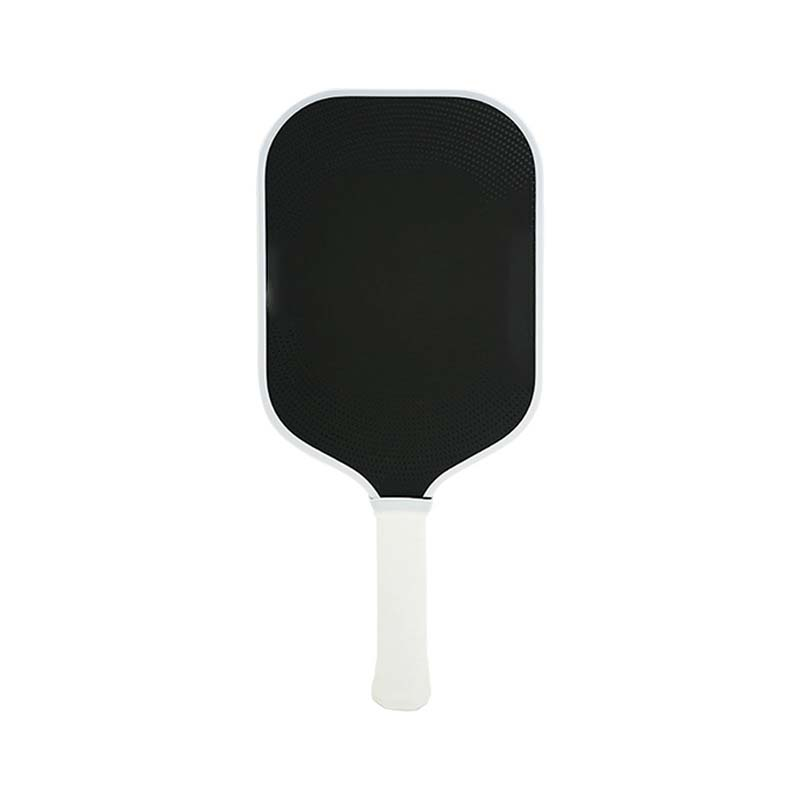
Introduction to Men’s Pickleball Paddles
Growth of Male Participation in Pickleball
The male pickleball scene has exploded like a powder keg over the last few years, with guys from all walks of life jumping into the game in droves. This surge isn’t just about weekend warriors picking up paddles casually—it’s men hitting the courts with fire in their eyes, hungry for competition and skill development. The sport’s blend of agility, power, and strategy has attracted a broad demographic, making men’s pickleball one of the fastest-growing segments in the athletic equipment market.
Importance of Specialized Equipment for Men
When it comes to gear, men demand more than generic, one-size-fits-all paddles; they want tools that amplify their strengths, accommodate their larger physiques, and suit their unique playing styles. Off-the-rack paddles often fall short in providing the balance of power and control men seek, pushing manufacturers to innovate with men-focused designs. Specialized equipment doesn’t just improve play—it boosts confidence, reduces injury risk, and creates a deeper connection between player and paddle.
Overview of Global Market Opportunities
The global appetite for men’s pickleball paddles is growing at a breakneck pace, with North America leading the charge and Europe and Asia following closely behind. Each region brings its own preferences, but the common thread is an insatiable demand for high-performance, durable paddles tailored to men’s play styles. This opens up expansive opportunities for brands willing to invest in R&D, cultural customization, and localized marketing, allowing them to carve out significant market share in this booming sport.
Understanding Male Player Preferences
Playing Style: Power vs. Control
Men often gravitate toward power-driven gameplay, looking to dominate with aggressive shots and fast-paced rallies, yet many appreciate the subtlety of control when finesse is called for. Balancing these seemingly contradictory desires is a key design challenge, as the paddle must deliver both explosive pop and delicate touch. Understanding this dichotomy helps engineers tailor paddles that can shift gears seamlessly, enabling players to adapt mid-game without switching equipment.
Common Grip Sizes and Handle Lengths for Men
Since men generally have larger hands, grip size plays a critical role in comfort and control, with thicker grips reducing slippage and wrist fatigue during extended play. Handle length also factors into leverage and swing speed; longer handles can offer more torque for power shots, while shorter ones improve maneuverability. Getting these dimensions right is essential for crafting paddles that feel like an extension of the player’s arm rather than a foreign object.
Insights from Male Athletes and Coaches
Pro players and coaches provide invaluable feedback, emphasizing features that enhance both performance and longevity—whether it’s a paddle’s balance point or the texture of its grip. Their insights highlight the importance of responsiveness, vibration control, and overall paddle stability during rapid exchanges at the net. Incorporating this real-world input into design ensures the final product not only performs well in the lab but thrives under the intense pressure of competitive play.
Key Performance Features for Men’s Paddles
Optimal Paddle Weight and Balance
For men’s paddles, finding that sweet spot in weight—usually between 7.5 and 8.5 ounces—delivers enough heft for power without turning the paddle into a lead brick. Balance is just as vital; head-heavy paddles generate extra momentum on smashes, while evenly balanced ones offer quicker reaction times. Engineering these factors precisely means players get a paddle that complements their natural swing mechanics, maximizing output while minimizing strain.
Core Technologies for Enhanced Shot Power
Advanced core materials and constructions, such as polymer honeycomb or Nomex composites, provide the backbone for explosive energy transfer on every hit. These cores act like mini trampolines, storing and releasing energy to amplify shot speed without compromising control. Innovations here also help dampen vibrations, reducing player fatigue and the risk of injury from repetitive impacts.
Surface Textures and Spin Control
The paddle face isn’t just a flat slab; its texture significantly influences ball grip, spin potential, and shot accuracy. Rough or gritty surfaces enhance the ball’s bite, allowing players to impart topspin, backspin, or sidespin with surgical precision. For men looking to dominate rallies and outmaneuver opponents, this added control on spin can be a true game-changer, turning simple shots into tactical weapons.
Material Innovations in Men’s Paddle Design
Carbon Fiber and Hybrid Face Materials
Carbon fiber is the reigning champ for men’s paddle faces, prized for its lightweight strength and stiffness that translates directly into more power and durability. Hybrid faces that combine carbon fiber with other composites allow designers to fine-tune flexibility and response, creating paddles that are tough yet forgiving. These materials also resist wear and tear from intense gameplay, ensuring longevity season after season.
Core Material Options: Polymer, Nomex, Aluminum
Each core material brings a unique flavor to paddle performance: polymer cores offer a soft, quiet feel with controlled power; Nomex cores deliver crisp, lively rebounds for aggressive shot-makers; aluminum cores provide a balanced mix of durability and responsiveness. By choosing the right core material, manufacturers can tailor paddles to suit different playing preferences and competitive levels, offering men a broader palette of performance options.
Durability and Impact Resistance Enhancements
Given the brutal smashes and hard volleys in men’s pickleball, paddles need reinforced edges and impact-resistant coatings to fend off chipping and cracking. Innovations such as edge guards with shock-absorbing polymers and UV-resistant finishes extend paddle life while maintaining aesthetics. These durability enhancements not only protect the investment but also help maintain consistent playability over time.
Ergonomics and Comfort in Men’s Paddle Engineering
Handle Shape and Grip Comfort
Men’s paddles typically feature ergonomically sculpted handles designed to fit larger hands and reduce grip fatigue, using contoured shapes that cradle the palm securely. Textured, sweat-wicking grip materials keep hands dry and steady, crucial when the pressure’s on during those nail-biting points. This thoughtful design ensures players maintain maximum control without compromising comfort during marathon matches.
Vibration Dampening Technologies
Excess vibration can be a silent killer, leading to tennis elbow and other repetitive stress injuries, especially in male players who often hit with more force. Incorporating vibration-absorbing materials like elastomer layers or foam inserts inside the handle significantly cuts down on these micro-shocks. The result is a paddle that feels smooth and stable, letting players swing hard without paying a long-term price.
Weight Distribution for Reduced Fatigue
Strategically distributing weight throughout the paddle—whether slightly head-heavy for power or more balanced for speed—helps reduce wrist and forearm fatigue by aligning with natural biomechanics. This nuanced engineering allows players to maintain consistent strokes and quick reflexes without their arms turning into lead weights by mid-match. Proper weight distribution is the quiet hero behind sustained performance.
Global Market Demand and Regional Preferences
Leading Regions for Male Paddle Sales
North America, with its vast pickleball community, remains the largest market for men’s paddles, followed by Europe’s emerging enthusiasm and Asia’s rapidly growing interest. Each region’s demand reflects distinct cultural and playing style nuances, with North American players favoring aggressive, power-centric paddles and Europeans leaning toward precision and control. Asia’s market often prioritizes lightweight designs suited for fast, agile play.
Cultural Influences on Paddle Design
Cultural preferences strongly influence paddle aesthetics and features—from bold graphics and aggressive branding in the U.S. to sleek minimalism in Europe, and vibrant, intricate patterns favored in parts of Asia. Understanding these differences helps brands create region-specific products that resonate deeply with players’ identities, creating a sense of pride and ownership. It’s not just about performance; it’s about style and cultural expression on the court.
Regional Color and Style Preferences
Color psychology plays a subtle yet powerful role in buyer choice: masculine palettes like blacks, blues, and metallic tones dominate Western markets, while brighter, more varied hues appear in Asian markets. Pattern preferences also vary, with some regions favoring geometric shapes and others leaning toward organic, flowing designs. Tailoring color and style to regional tastes ensures paddles stand out and align with consumer expectations.
Customization and Branding Opportunities
OEM and ODM Collaboration Models
Partnering with original equipment manufacturers (OEM) and original design manufacturers (ODM) allows brands to customize paddles extensively, from shape and weight to core materials and surface finishes. These collaborations offer flexibility in responding quickly to market trends and consumer feedback, enabling tailored solutions that keep brands competitive. The right partnership turns ideas into high-quality products that meet specific demographic demands.
Logo and Graphic Integration
Integrating logos and custom graphics isn’t just branding—it’s storytelling, connecting players emotionally with their paddles. High-definition printing technologies enable vivid, durable images that resist wear, allowing men to showcase team colors, personal logos, or sponsor marks. This customization adds a layer of personalization that makes each paddle feel unique, enhancing brand loyalty and player satisfaction.
Unique Mold and Weight Customization
Custom molds and adjustable weight options empower brands to offer paddles that cater to niche markets and individual preferences. By tweaking blade shape or handle thickness, manufacturers can target power hitters, control specialists, or all-around players more precisely. This bespoke approach delivers paddles that feel tailor-made, standing apart in a crowded marketplace.
Regulatory and Certification Requirements
USA Pickleball Standards and Certifications
Adhering to USA Pickleball’s strict equipment standards ensures paddles meet legal size, weight, and surface requirements for tournament play, protecting players and preserving fair competition. Obtaining official certification is often a prerequisite for products entering competitive markets and lends credibility that influences consumer trust. Compliance also streamlines product acceptance at sanctioned events worldwide.
International Compliance and Testing
Different countries impose varied regulations, from material restrictions to safety testing protocols, requiring thorough documentation and testing before paddles can be sold legally. Navigating these international waters demands diligence and expertise, as non-compliance can lead to costly delays or product bans. Rigorous pre-market testing and certification pave the way for smooth global distribution.
Material Safety and Export Documentation
Ensuring all materials used comply with chemical safety standards and environmental regulations is critical for export readiness. Proper documentation—such as material safety data sheets (MSDS) and certificates of origin—facilitates customs clearance and reassures buyers about product safety. This compliance is a cornerstone of responsible manufacturing and global trade.
Quality Control and Product Testing
Structural Integrity and Durability Tests
Pickleball paddles must endure countless impacts without cracking or warping, so rigorous drop tests, flex tests, and edge impact simulations are standard in quality control. These stress tests identify potential weak points, enabling engineers to reinforce critical areas before products reach consumers. Reliability under pressure is non-negotiable for men who push their gear to the limits.
Performance Trials with Male Athletes
Real-world testing with experienced male players validates design choices, ensuring paddles deliver expected power, control, and comfort. Feedback on swing feel, balance, and responsiveness during these trials informs final tweaks and fine-tuning, resulting in paddles optimized for the dynamic demands of actual gameplay. This iterative process bridges the gap between lab and court.
Consistency in Mass Production
Maintaining uniform quality across large production runs is essential to avoid variability that frustrates customers and damages brand reputation. Tight manufacturing tolerances, automated inspections, and batch testing help ensure each paddle performs identically, giving players confidence that their next paddle will feel just like their last. Consistency is king in building lasting trust.
Marketing Strategies for Men’s Pickleball Paddles
Messaging That Appeals to Male Players
Marketing copy aimed at men often leans into themes of dominance, precision, and toughness—qualities that resonate deeply with competitive mindsets. Using straightforward, no-nonsense language that highlights tangible benefits rather than fluff grabs attention and builds credibility. Telling stories of overcoming challenges and winning hard-fought points connects emotionally with this audience.
Highlighting Technology and Performance Benefits
Demonstrating how cutting-edge materials and engineering translate into real-world advantages—like extra power, better control, and less fatigue—helps justify premium pricing and differentiates products. Clear visuals and data-backed claims reinforce these messages, giving players a reason to trust and invest in the brand. Performance-driven marketing elevates the product beyond a simple commodity.
Partnering with Influencers and Trainers
Collaborations with top male players, coaches, and social media influencers expand reach and authenticity, putting paddles in the hands of trusted voices. These partnerships generate engaging content, reviews, and testimonials that drive buzz and build community around the brand. Influencer alignment with product values enhances perceived quality and desirability.
Packaging and Retail Presentation
Designing a Premium Unboxing Experience
A well-crafted unboxing experience adds excitement and reinforces the paddle’s quality before it even touches the court. Using textured materials, magnetic closures, and thoughtful inserts creates a memorable moment that elevates brand perception. This “wow factor” can turn casual buyers into loyal fans who feel proud to own and display their paddle.
Packaging Durability for Shipping and Storage
Robust packaging materials protect paddles during the rough-and-tumble of shipping and storage, preventing damage that can sour first impressions. Reinforced corners, foam inserts, and weather-resistant coatings ensure the product arrives in showroom condition. This attention to detail reduces returns and builds retailer confidence.
Retail Display and Merchandising Techniques
Eye-catching retail displays that highlight paddle features and benefits attract buyers’ attention in crowded sporting goods stores. Interactive demos, clear signage, and smart placement near complementary products increase the likelihood of purchase. Well-designed merchandising turns browsers into buyers by making the paddle’s value immediately apparent.
Manufacturing Processes and Lead Time Management
In-House vs. Outsourced Production
Balancing in-house control with outsourcing flexibility is crucial for managing costs and lead times effectively. In-house production allows tight quality oversight on critical components, while outsourcing can handle volume spikes and specialty parts. Smart hybrid strategies enable brands to scale efficiently without compromising standards.
Batch Production and Scaling Strategies
Producing paddles in batches aligned with demand forecasts helps optimize inventory and reduce waste. Scaling up or down quickly in response to market trends keeps production lean and responsive, avoiding costly overstock or shortages. Agile manufacturing practices give brands a competitive edge in a fast-moving marketplace.
Demand Forecasting and Inventory Planning
Accurate forecasting models that analyze sales data, seasonality, and market signals enable proactive inventory management. This foresight ensures popular models stay in stock and slow movers don’t clog warehouse space. Effective planning supports smooth order fulfillment and customer satisfaction.
Distribution Channels and Global Logistics
International Shipping and Customs Considerations
Navigating the complex web of customs regulations, tariffs, and shipping logistics is essential for global paddle distribution. Efficient routing, proper documentation, and compliance with import/export laws minimize delays and unexpected costs. This logistical expertise ensures paddles reach customers swiftly and intact.
Warehousing and Fulfillment Best Practices
Strategically located warehouses near major markets reduce shipping times and improve customer experience. Automated fulfillment centers streamline order processing, cutting turnaround times and errors. These best practices enable brands to meet growing demand without sacrificing service quality.
Collaborations with Importers and Distributors
Strong partnerships with regional importers and distributors help navigate local market nuances and build brand presence. These allies provide on-the-ground insights and logistics support, making it easier to enter new territories and expand reach. Collaborative relationships are key to sustainable global growth.
Pricing Strategies and Profitability
Calculating Landed Costs and Markups
A deep understanding of landed costs—including production, shipping, tariffs, and taxes—allows brands to price paddles competitively while protecting profit margins. Accurate cost modeling prevents surprises that erode profitability and helps set realistic retail prices. Transparency here is critical for long-term financial health.
Tiered Pricing for Different Market Segments
Offering paddle lines at various price points—from entry-level to pro-grade—broadens appeal and meets diverse consumer budgets. Tiered pricing enables brands to capture casual players and serious competitors alike, maximizing market penetration. This strategy also supports upselling as players upgrade their equipment over time.
Bundling and Upselling Opportunities
Combining paddles with accessories like grips, covers, or balls in bundled offers boosts average order value and enhances perceived value. Upselling complementary products at purchase points encourages additional spending without alienating budget-conscious buyers. Well-designed bundles improve overall sales and customer satisfaction.
Case Studies and Industry Success Stories
Global Brands Launching Men’s Paddles
Several leading brands have cracked the code on men’s paddle success by blending innovative design, aggressive marketing, and regional customization. These trailblazers show how aligning product development with user feedback and market trends creates winning formulas that resonate globally. Their success stories offer valuable blueprints for newcomers.
Lessons from Fast-Growing Product Lines
Rapidly scaling product lines highlight the importance of agile manufacturing, quality control, and customer engagement. Brands that listen closely to early adopters and iterate quickly tend to dominate, outpacing slower competitors. Learning from these fast growers emphasizes the need for flexibility and responsiveness in a dynamic market.
Real-World Feedback and Performance Data
Gathering and analyzing user data—from player satisfaction surveys to performance metrics—drives continuous improvement and innovation. Real-world feedback confirms design efficacy or exposes areas for enhancement, ensuring paddles evolve alongside player expectations. This data-driven approach underpins long-term brand loyalty and market relevance.
Future Trends in Men’s Pickleball Paddle Design
Integration of Smart Technology and Sensors
The next frontier involves embedding sensors that track swing speed, impact location, and shot consistency, delivering real-time analytics to players hungry for improvement. These “smart paddles” could revolutionize training and gameplay by merging traditional sport with cutting-edge tech. The fusion promises a level of insight and customization previously unseen.
Use of Eco-Friendly and Sustainable Materials
Sustainability is no longer optional; it’s a demand from both consumers and regulators, pushing manufacturers toward recyclable composites and low-impact production methods. Eco-conscious paddles appeal to environmentally aware players, aligning brand values with global responsibility. Innovations in green materials are reshaping paddle manufacturing for the better.
Modular and Personalized Paddle Systems
Future designs will likely feature modular components—interchangeable handles, adjustable weights, and customizable faces—that let players fine-tune their gear on the fly. This personalization caters to evolving skill levels and playing conditions, giving men a dynamic toolkit rather than a one-size-fits-all paddle. Such adaptability sets the stage for a new era in pickleball equipment.
Related Posts
Removable Sports Flooring to Reduce Total Cost
Roll Out Gym Flooring Buyers Trust for Fast Scaling

Indoor Pickleball Court Flooring That Cuts Landed Cost
The emphasis on customized paddles for men really resonates—generic equipment just doesn’t cut it when the sport is becoming this competitive. I’d be curious to see how regional preferences are shaping design trends globally.
can’t agree more, different countries, regions, preferences and playing styles will lead to different requirement of paddles. So customization is no doubt a trend.