Skip to content
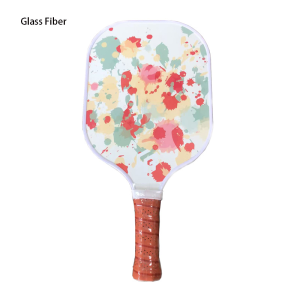
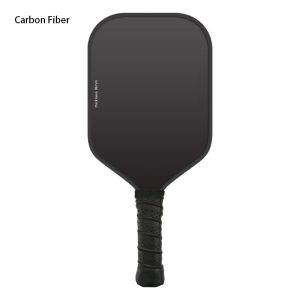
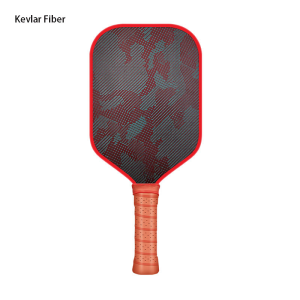
Table of Contents
Categories

Charles Wong
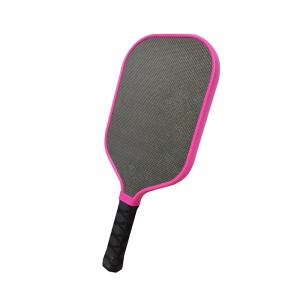
Introduction to Pickleball Paddles for Brand Growth
Rising Global Demand for Pickleball Equipment
As one of the fastest-growing sports on the planet, pickleball is attracting more and more players. Participation rates are skyrocketing, with millions of new players joining the courts every year, not just in North America but also across Europe, Asia, and Australia. Community centers, athletic clubs, and even luxury resorts are racing to build courts to meet this new wave of demand. Alongside that growth, the need for reliable, performance-driven equipment has expanded exponentially. The paddle is the centerpiece of the sport, and with such a surge in players, the market for paddles has become an enormous opportunity for brands ready to seize it.
Why Paddles Are the Key Product for Market Entry
Every pickleball game starts and ends with the paddle—it’s the tool that defines how a player experiences the sport. Unlike apparel or smaller accessories, the paddle is essential, highly personal, and often the first serious investment a player makes. Whether a beginner looking for an affordable entry-level paddle or a seasoned competitor chasing that perfect blend of power and control, players shop for paddles before almost anything else. For brands entering the pickleball industry, launching with paddles puts them in the spotlight immediately. This focus builds credibility, because if a brand can deliver on performance paddles, it signals expertise and authenticity in the sport as a whole.
How Sourcing Impacts Brand Positioning
The manufacturer a brand chooses to work with has a direct effect on how the market perceives the brand. High-quality, consistent sourcing communicates professionalism, reliability, and respect for the sport. On the other hand, flimsy or inconsistent production risks damaging reputation, and in such a competitive market, trust can be lost overnight. For procurement professionals, this means selecting the right manufacturing partner isn’t just about cost savings—it’s about shaping the brand’s long-term identity. In a sport where players talk, share recommendations, and form communities quickly, quality sourcing is the bedrock of growth.
Understanding the Pickleball Paddle Market
Market Size and Growth Potential Worldwide
The pickleball paddle market is riding an unprecedented growth curve. Participation in the sport has doubled or even tripled in some regions within a few short years, creating a booming market for paddles and accessories. In the United States alone, estimates suggest tens of millions of active players, with projections pointing to continued growth as the sport gains Olympic-level recognition. Globally, this translates into a multibillion-dollar opportunity for equipment providers. Procurement professionals who recognize this potential now have the chance to get ahead of the wave and secure market share before the field becomes saturated.
Consumer Trends Influencing Paddle Design
Modern pickleball players want more than just a piece of equipment—they’re looking for paddles that reflect their playing style and personality. Trends show demand for lighter paddles with improved control among beginners and mid-level players, while competitive athletes are drawn to advanced materials like carbon fiber for greater precision. Visual design trends also matter—bold graphics, eye-catching colors, and unique finishes are in high demand. Procurement specialists who stay tuned to these shifting preferences can ensure their brand delivers exactly what players crave.
Competitive Landscape and Opportunities
The pickleball equipment sector has attracted both established sports giants and smaller specialty brands. While the big players command wide distribution networks, niche brands often succeed by offering unique customization, specialized performance features, or eco-friendly materials. Opportunities are abundant for brands willing to differentiate themselves and carve out a specific identity. Procurement professionals who align their sourcing strategies with these market gaps can build a competitive edge and scale rapidly.
Key Features Buyers Look for in Pickleball Paddles
Materials That Drive Performance and Durability
Materials are the backbone of paddle performance. Carbon fiber paddles provide precision and power, fiberglass offers a great balance of control and affordability, while polymer cores enhance durability and reduce noise. Players are increasingly aware of the material differences and often research specifications before buying. Brands that source high-quality composites and cores will appeal to performance-focused buyers who see their paddle as an extension of their game.
Ergonomic Design for Player Comfort
Comfort is key when matches stretch for hours. Paddles with well-designed grips, cushioned handles, and sweat-resistant finishes ensure players can stay focused without fatigue or discomfort. Poor ergonomics can lead to blisters or strain, turning customers away quickly. Brands that prioritize comfort in design not only win first-time buyers but also encourage repeat purchases from loyal players who associate the brand with effortless play.
Weight, Balance, and Grip Preferences
The weight and balance of a paddle dramatically shape gameplay. Lightweight paddles allow for faster reflexes and quicker volleys, while heavier paddles deliver stronger smashes and deeper shots. Grip size also makes or breaks a paddle—too large or too small, and players lose control. By offering a range of options, brands can meet diverse needs and expand their reach across player demographics.
Customization for Brand Identity
Logo Placement and Private Label Options
Private labeling and logo placement elevate a paddle from generic gear to a brand-building asset. Prominent logos on paddle faces and handles ensure visibility during play, tournaments, and social media posts. This level of customization allows brands to create a unified identity across product lines and strengthen recognition in competitive markets.
Unique Shapes, Colors, and Finishes
Customization doesn’t stop at logos. Offering unique paddle shapes, textured finishes, and bold color palettes creates standout products that appeal to modern buyers. Players often choose paddles that match their personality or style, so design flexibility becomes a powerful differentiator. By enabling this kind of customization, brands tap into both performance and lifestyle markets simultaneously.
Packaging Solutions for Brand Impact
The unboxing experience has become part of product marketing. Well-designed packaging not only protects paddles during shipment but also tells a story about the brand’s values. Eco-friendly packaging appeals to conscious consumers, while premium boxes emphasize luxury positioning. This attention to packaging detail reinforces professionalism and makes lasting impressions on buyers.
OEM and ODM Solutions for Procurement
Benefits of OEM for Established Brands
Original Equipment Manufacturing (OEM) allows established brands to control design while outsourcing production. This model ensures product consistency while maintaining brand identity. With OEM, companies can leverage the expertise of skilled manufacturers while focusing their energy on marketing, distribution, and customer engagement.
ODM for Fast Market Entry and Innovation
Original Design Manufacturing (ODM) is particularly advantageous for brands entering pickleball quickly. Factories provide ready-made designs, often backed by market research, allowing brands to hit the ground running with proven products. This approach is also ideal for experimenting with innovative paddle concepts without investing heavily in in-house design teams.
How Factories Adapt to Brand Requirements
Flexible factories act as partners rather than just suppliers. They adapt paddle specifications, adjust materials, and even develop new molds to match brand vision. Whether catering to boutique volumes or scaling up for mass production, this adaptability ensures brands remain competitive and responsive to changing market needs.
Ensuring Quality and Consistency
Quality Control Processes in Manufacturing
Quality assurance is non-negotiable in pickleball paddle production. Rigorous processes—from raw material inspections to play-testing each batch—guarantee paddles meet performance expectations. Procurement professionals who prioritize factories with transparent quality controls can safeguard their brand reputation and avoid costly recalls or dissatisfaction.
Meeting International Certification Standards
Global brands often face strict compliance standards, from material safety to performance testing. Partnering with manufacturers that meet or exceed these certifications simplifies market entry across multiple regions. This compliance ensures smooth distribution and demonstrates a brand’s commitment to excellence.
Long-Term Reliability and Repeat Orders
Consistency across batches builds player trust. When customers buy the same paddle twice, they expect it to perform identically. Manufacturers who guarantee reliability create long-term repeat buyers, which fuels steady brand growth.
Pricing and Supply Chain Advantages
How Factory-Direct Pricing Supports Margins
By eliminating middlemen, factory-direct procurement maximizes profit margins. Brands can maintain competitive retail pricing while investing in marketing or product development. These savings directly impact scalability and market competitiveness.
Flexible Order Quantities for Scaling
Not all brands start with large-scale orders. Factories that offer low minimum order quantities support small brands in testing markets before committing to higher volumes. At the same time, the ability to scale quickly ensures growing brands don’t hit production bottlenecks when demand spikes.
Global Shipping and Logistics Efficiency
Manufacturers with robust logistics expertise streamline customs, shipping, and delivery. Efficient logistics networks reduce delays and ensure products reach markets on time. This smooth operation allows brands to maintain availability and momentum in fast-moving markets.
Building Strategic Partnerships with Manufacturers
Communication and Collaboration Best Practices
Strong partnerships begin with clear, consistent communication. Regular updates, transparent cost breakdowns, and responsive service create trust between procurement teams and factories. Collaborative dialogue ensures issues are addressed before they become obstacles.
Long-Term Supplier Relationships for Growth
A trusted supplier becomes a growth partner, anticipating future needs and offering proactive solutions. As brands scale, these long-term relationships simplify negotiations and create stability. Such partnerships transform supply chains into competitive advantages.
Case Examples of Brand Success Stories
Many brands have grown from local recognition to international reach by choosing the right manufacturing partner. Their success stories highlight the importance of customization, consistent quality, and strong communication. These examples prove that reliable partnerships drive lasting brand expansion.
Emerging Trends in Pickleball Paddle Manufacturing
Eco-Friendly Materials and Sustainability
Sustainability is no longer optional—it’s expected. Manufacturers are adopting recycled composites, biodegradable packaging, and environmentally conscious production practices. Brands that embrace these trends align with consumer values and capture eco-minded buyers.
Smart Technology Integration in Paddles
The next wave of innovation includes paddles with embedded technology. Sensors that track swing speed, shot accuracy, and play statistics are becoming feasible. Brands embracing these advancements will stand out in a crowded market and appeal to data-driven players.
Shifts in Consumer Preferences by Region
Different markets have different tastes. While North American players may prefer performance-focused paddles, European buyers often value design aesthetics. Adapting to these regional preferences ensures global appeal and maximizes sales opportunities.
Conclusion: Driving Brand Growth with the Right Paddle Partner
Aligning Procurement with Brand Goals
Procurement is more than sourcing—it’s a strategic decision that shapes brand reputation. By aligning product quality, design, and reliability with brand values, companies reinforce their place in the market. Choosing the right partner ensures consistency and long-term credibility.
Maximizing Market Share Through Customization
Customization allows brands to differentiate in ways that go beyond performance. Personalized paddles, unique packaging, and region-specific designs all enhance consumer appeal. These strategies directly impact market share and strengthen brand loyalty.
Next Steps for Procurement Professionals
The pickleball paddle market is bursting with potential, but seizing it requires swift, informed action. Procurement professionals should focus on manufacturers who combine innovation, flexibility, and consistent quality. By forging strong partnerships today, brands can position themselves as leaders in one of the world’s fastest-growing sports.
Related Posts
Removable Sports Flooring to Reduce Total Cost
Roll Out Gym Flooring Buyers Trust for Fast Scaling

Indoor Pickleball Court Flooring That Cuts Landed Cost