Skip to content
Table of Contents
Categories

Charles Wong
1. Introduction to the Women's Pickleball Market
The Rise of Women in Pickleball Globally
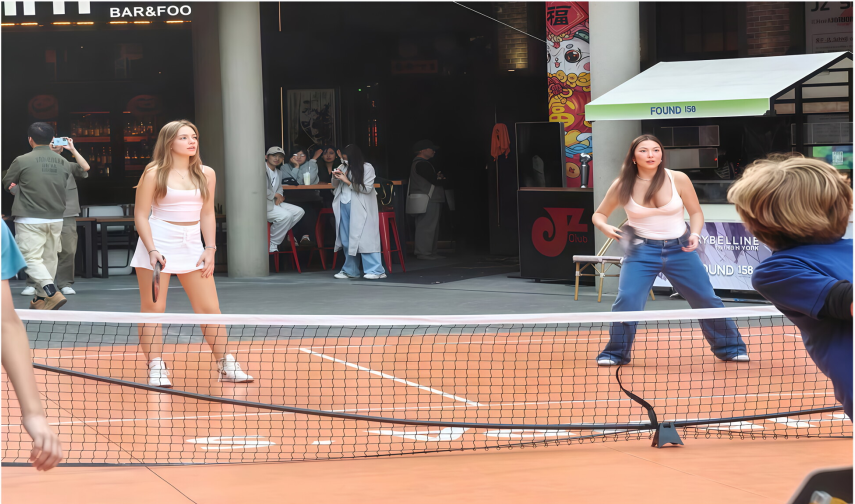
Over the past few years, women have been flocking to pickleball courts like ducks to water. From recreational leagues in suburban neighborhoods to competitive circuits across the globe, female participation is growing at breakneck speed. This isn’t just a passing trend—it’s a full-blown movement, driven by social connection, fitness goals, and a growing appetite for inclusive sports.
Market Opportunities for Specialized Products
As more women pick up paddles, the demand for specialized gear tailored to their needs is skyrocketing. Most off-the-shelf paddles are still built with a “one-size-fits-all” mentality, which simply doesn’t cut it anymore. Brands that offer products designed specifically for women are not only filling a market gap—they’re seizing a golden opportunity to differentiate and dominate.
Why Targeting Women Matters for Your Brand
Catering to female athletes isn’t just about pink paint and floral graphics. It’s about understanding ergonomic needs, aesthetic preferences, and performance expectations. By dialing into what women want and need on the court, brands can build loyalty that runs deeper than just the next sale. A well-positioned women’s paddle line can become the crown jewel of your product lineup.
2. Understanding Your Target Customer
Player Demographics and Skill Levels
From teenage newcomers to seasoned retirees, women in pickleball cover the whole age and skill spectrum. Many begin casually and quickly get hooked, upgrading their gear as their skills evolve. Knowing where your target buyer sits on this spectrum is key to delivering paddles that truly resonate.
Common Purchasing Motivations
Women typically shop with a blend of logic and emotion—performance matters, but so does how the paddle feels in their hand and how confident it makes them on the court. Functionality, value, and visual appeal are all weighed carefully before a purchase is made. They’re not just buying a paddle—they’re investing in their game.
Lifestyle and Aesthetic Preferences
Whether it’s pastel tones, minimalist matte finishes, or edgy metallic designs, women care about how their gear looks and matches their vibe. For many, a paddle is an extension of their personal style, just like a good pair of sneakers. The brands that “get” this nuance stand out loud and clear.
3. Why Women Need Tailored Pickleball Paddles
Ergonomic Fit and Weight Considerations
Women’s hands tend to be smaller, which means grip size and paddle weight need serious rethinking. A paddle that’s too heavy or bulky throws off control and increases fatigue, especially during long rallies. Tailored designs that reduce strain while maximizing agility win major points.
Design Appeal and Feminine Color Trends
Design isn’t fluff—it’s part of the performance package. Colors like teal, coral, or lavender, when paired with sleek or athletic design language, can strike a perfect balance of sportiness and sophistication. Avoiding cliché aesthetics while embracing femininity is the sweet spot.
Performance Needs Across Different Play Styles
Women play hard, and their paddles should keep up. Some rely on finesse and ball placement, others on quick net volleys or baseline power. Creating options that cater to these different playing profiles shows attention to detail and respect for the diversity of women in the sport.
4. Key Performance Features to Prioritize
Lightweight Builds for Easier Handling
Lighter paddles enhance speed and maneuverability, especially in fast-paced kitchen battles. They’re easier on wrists and shoulders, reducing the risk of repetitive strain injuries. A well-balanced lightweight paddle can offer a powerful mix of comfort and control.
Paddle Core and Surface Combinations
Choosing the right combo of core and surface is like dialing in the perfect suspension on a race car. Polymer cores offer quiet control, while nomex delivers pop and power. Surface textures also matter—a fiberglass face will behave differently than raw carbon fiber, especially for spin-heavy players.
Grip Comfort and Sweat Resistance
A grip that slips mid-rally is every player’s nightmare. Cushioned, sweat-absorbent grips with the right circumference can dramatically improve consistency and confidence. Offering grip customization or proprietary textures gives your paddle a competitive edge.
5. Designing for Brand Appeal
Creating Unique, Brand-Aligned Visuals
Visual identity is branding’s secret sauce. Custom paddle graphics, whether subtle or bold, help customers connect emotionally with your brand. Think of your paddles as wearable art for athletes—they need to look as sharp as they perform.
Integrating Logo and Color Schemes
A well-placed logo shouldn’t scream—it should speak. Consider paddle areas with high visual real estate to integrate your branding in a way that complements the design. Matching paddles to your larger brand palette creates cohesion and strengthens recall.
Crafting Packaging That Stands Out on Shelves
Packaging isn’t just about protection—it’s your first handshake with the customer. Retail buyers and players alike are drawn to clean, premium packaging that feels intentional. Think recycled materials, tactile finishes, and messaging that speaks to empowerment and performance.
6. Customization Options for OEM/ODM Brands
Full Paddle Customization: Shape, Size, Materials
From classic wide-body paddles to elongated shapes, customization starts with the foundation. Paddle shape and edge guard designs influence both performance and aesthetics. Material options also impact feel and function—offering choices shows flexibility and manufacturing depth.
Handle and Grip Customization for Comfort
Grips come in all flavors—tacky, cushioned, contoured—and women know what they like. Offering multiple grip styles, colors, and sizes gives your brand an advantage. Adjustable handle lengths can also solve for various hand anatomies and personal preferences.
Personalized Branding and Accessories
Players love add-ons that let them show off their style. Matching paddle covers, wristbands, or even paddle bags give your product line extra flair. Branded accessories also increase basket size and keep your branding visible off the court.
7. Material Innovations Driving the Market
Benefits of Carbon Fiber, Fiberglass, and Hybrid Builds
Carbon fiber offers strength without weight—perfect for agile play. Fiberglass adds flex and pop, ideal for finesse players. Hybrid constructions can balance these traits, creating paddles that feel like an extension of the player’s body.
Core Technology: Polymer vs. Nomex vs. Aluminum
Polymer cores are quiet and forgiving, popular with many women for their softer feel. Nomex brings speed and stiffness but may feel harsh to newer players. Aluminum is a wildcard—light and responsive but harder to dial in for consistency.
Eco-Conscious Material Trends
Sustainability isn’t just a buzzword—it’s becoming a buyer requirement. Bamboo cores, recycled edge guards, and biodegradable packaging are just the beginning. Brands that lean into eco-conscious engineering signal thoughtfulness and future-readiness.
8. Balancing Style and Function
Designing Paddles That Are Both Beautiful and Durable
Durability doesn’t have to look industrial. Smart design uses materials that hold up over time while maintaining a sleek appearance. A balance of fashion-forward form and battle-tested function ensures paddles stay on court—and in shopping carts.
Using Patterns, Textures, and Colors Effectively
Subtle design details go a long way—laser-etched patterns, embossed textures, and tonal gradients can make your paddle pop. Avoid over-designing; instead, lean into elements that enhance both grip and visual allure. Contrast is your friend in a saturated market.
Trends in Feminine Yet Competitive Gear
Today’s female players want gear that commands respect—no frills, all fire. Think rose gold meets graphite, or blush meets black carbon weave. It’s about projecting confidence through design without compromising grit or edge.
9. Testing, Compliance, and Quality Assurance
USAPA and IFP Paddle Requirements
Before a paddle ever sees court time, it has to pass muster with the big leagues. The USA Pickleball Association (USAPA) and the International Federation of Pickleball (IFP) both have strict performance and material standards. Getting your product approved by these governing bodies isn’t just a badge of honor—it’s essential for tournament eligibility and market credibility.
Durability and Playtesting Best Practices
Lab testing only tells half the story. Real-world playtesting with diverse player groups—especially women of different skill levels—is key to refining paddle feel and performance. You want paddles that can take a beating, hold their pop, and stay consistent through months of aggressive play.
Quality Control Processes in Manufacturing
Consistency is king. Implementing multi-stage quality checks—from raw material inspection to final assembly—helps catch flaws before they ship. Using barcode tracking, standardized testing rigs, and trained inspection teams ensures that every unit hitting the shelves earns your brand’s name.
10. Navigating the OEM/ODM Manufacturing Process
Differences Between OEM and ODM
OEM (Original Equipment Manufacturing) means we build your design; ODM (Original Design Manufacturing) means we help create it from scratch. OEM works well for brands with tight specs and established design teams. ODM is ideal for buyers seeking expert input on form, function, and innovation.
Ideal Model for Branded Women’s Paddles
For most brand procurement pros focused on women’s paddles, a hybrid OEM/ODM setup often works best. It gives you creative control over aesthetics while leaning on the manufacturer’s know-how for performance optimization. This approach lets your brand move fast without reinventing the wheel.
Intellectual Property and Design Protection
IP protection is no joke. Work only with factories that understand international patent and trademark law, and use NDAs liberally during sampling. Ensure your custom molds, artwork, and packaging templates are protected with exclusivity agreements to prevent knockoffs.
11. Sourcing Strategies for Global Procurement
Evaluating Suppliers in China and Beyond
China remains the epicenter for high-quality, scalable paddle manufacturing. But not all factories are created equal—look for partners with proven track records, transparency, and third-party audits. Some brands also explore Vietnam, Taiwan, or India for diversification and cost control.
Managing Supply Chain Risks
Whether it’s raw material shortages or shipping snarls, supply chain hiccups can wreak havoc. Mitigate risk by building redundancy into your vendor network, securing backup suppliers, and locking in pricing contracts where possible. Always expect the unexpected—especially in today’s global climate.
Contract Negotiation and Quality Benchmarks
Get everything in writing. Clear contracts covering MOQs, lead times, payment terms, and defect allowances prevent headaches later on. Include performance benchmarks like bounce tests, torque resistance, or USAPA pass rates to set expectations from day one.
12. Production Scalability and MOQ Considerations
Typical MOQ Ranges for Custom Paddles
MOQs (Minimum Order Quantities) vary based on customization level. Fully bespoke paddles may require 500–1000 units per design, while semi-custom models can be produced in runs as small as 200. It’s all about tooling complexity, material sourcing, and factory load.
Scaling from Small to Large Orders
Start small, scale smart. Begin with low-volume test batches to gather market feedback and iterate your design. Once you find a hit, leverage volume discounts and optimized tooling to drive down per-unit costs without sacrificing quality.
Cost Structures and Volume Pricing
The more you order, the less you pay per unit—it’s simple math. But beyond quantity, factors like surface material, grip quality, and packaging design also influence price. Work closely with your supplier to strike the right balance between cost, performance, and visual appeal.
13. Packaging and Retail Display Solutions
Retail-Ready Packaging Design Ideas
Retail is a visual battlefield—your packaging has to stand out from ten feet away. Consider hang tags with bold messaging, cut-out windows to show off design, and QR codes that lead to demo videos. Use matte laminates, embossed logos, or foil stamping for a premium feel.
Display Kits and Retail POS Solutions
Don’t just send a box—send a sales experience. Branded POS (point-of-sale) displays, tabletop stands, or paddle racks can make your product the star of the aisle. Give retailers a reason to give you prime shelf space with turn-key merchandising kits.
Sustainable Packaging Options
Eco-conscious packaging isn’t just ethical—it’s marketable. Recycled cardboard boxes, soy-based inks, and compostable inserts are increasingly demanded by younger, sustainability-minded customers. Plus, retailers love brands that reduce waste and shipping costs.
14. Marketing and Brand Positioning
Communicating Performance and Style
Speak to both halves of the buying brain—highlight the tech and flaunt the design. Showcase paddle specs like weight, core, and surface, but also focus on how the paddle helps a player “feel unstoppable” or “own the court.” Testimonials and real-world use stories go a long way.
Leveraging Influencers and Social Proof
Get your paddle into the hands of respected female players—recreational and pro alike. Let them do the talking on TikTok, Instagram, and YouTube. Authentic reviews, fun unboxings, and gameplay footage give buyers a peek at what they’re getting and why it matters.
Creating Compelling Stories Around Your Paddle Line
Every paddle should have a story—a reason it was designed, who it’s for, and what it stands for. Maybe it’s built for moms getting back into sports, or for aggressive net players dominating club tournaments. Narrative builds brand affinity and helps paddles fly off the shelves.
15. Case Studies: Winning Paddle Brands for Women
Brand Examples That Successfully Captured Female Players
Companies like Selkirk, Paddletek, and JOOLA have created female-friendly models that balance style and power. Some have focused on colorways and marketing; others have leaned into ergonomics and performance specs. The most successful brands blend both.
Product Features That Resonated With Women
Common winners include smaller grips, lighter swing weight, and softer touch faces. Add in color palettes that range from bold to chic, and it’s no wonder these models outperform unisex competitors. Offering options—rather than a one-size-fits-all approach—is key.
Takeaways for Procurement and Branding Teams
Study what’s working, not to copy, but to learn. Take note of feature combinations, pricing tiers, and how these brands present themselves online and in stores. Then ask yourself: how can your paddle lineup do it better, smarter, or more beautifully?
16. Next Steps for Brand Buyers
Defining Your Product Specs and Goals
Before diving into manufacturing, clarify what you’re building and who it’s for. Nail down dimensions, weight class, material composition, and key performance characteristics. This upfront clarity speeds up the entire production cycle.
Requesting Samples and Prototyping
Once specs are set, move quickly into sample development. Expect multiple iterations—adjusting grip size, weight distribution, or even core density—to hit the sweet spot. Be picky here; good prototyping is the foundation of successful mass production.
Preparing for Launch With the Right Partner
Choose a manufacturer that not only builds paddles but also understands the game and its players. The right partner helps with compliance, scaling, packaging, and even launch strategy. With a solid product and the right support team, your women’s paddle line can carve out serious market share.
Related Posts
Removable Sports Flooring to Reduce Total Cost
Roll Out Gym Flooring Buyers Trust for Fast Scaling

Indoor Pickleball Court Flooring That Cuts Landed Cost