Skip to content
Table of Contents
Categories

Charles Wong
Overview of Pickleball’s Rise in the Philippines
Rapid adoption among sports enthusiasts nationwide
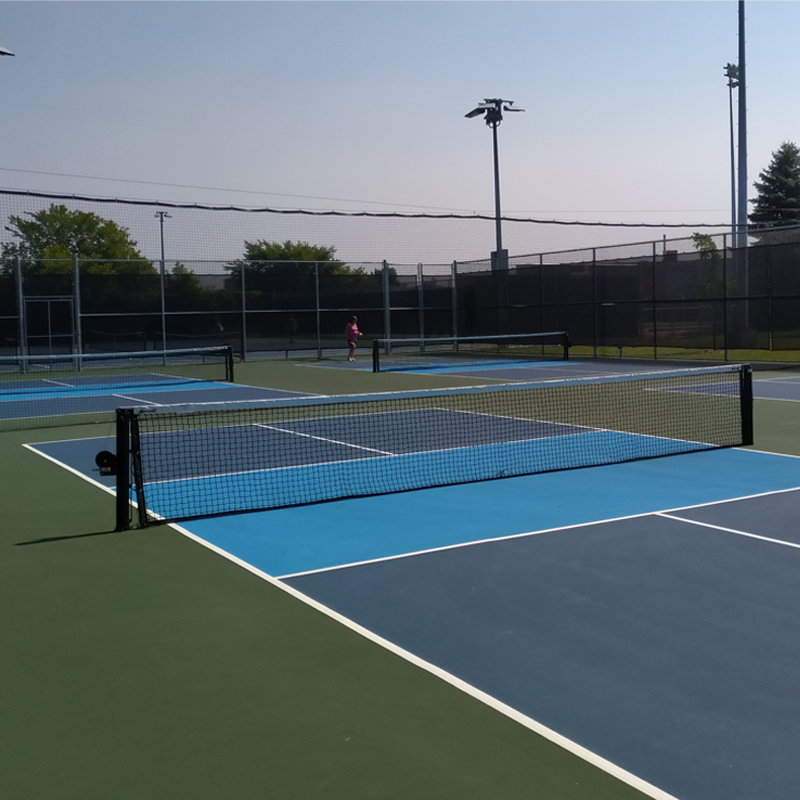
Pickleball has swept across the Philippines like wildfire, igniting a movement that’s impossible to ignore. From the quiet residential streets of Quezon City to the vibrant beach towns of Cebu and Davao, the sound of paddles cracking balls has become a familiar morning and evening rhythm. Filipinos, known for their communal love of sport and social play, have taken to pickleball as if it were tailor-made for their lifestyle.
What makes this adoption particularly remarkable is the speed at which it has taken hold. In less than three years, pickleball has shifted from being a niche activity introduced by a few expats to a mainstream recreational sport embraced by thousands. Local barangay gyms are being converted into makeshift pickleball courts, and even tennis clubs are now adding pickleball lines to accommodate the growing number of enthusiasts. It’s not just a trend; it’s a sporting phenomenon in motion.
Influence of global pickleball trends on local growth
The Philippines isn’t just catching the pickleball bug on its own—it’s syncing with a global movement. In the United States and Canada, pickleball has become the fastest-growing sport, attracting celebrities, major sponsors, and even professional leagues. The ripple effect has reached Asia, where the Philippines stands out as one of the most responsive markets.
As international players post game highlights on platforms like YouTube, TikTok, and Instagram, local players follow suit, mimicking strategies, investing in better gear, and aspiring to compete at higher levels. International tournaments are livestreamed in local sports cafes, sparking conversations and inspiring community leagues. This international exposure, combined with the natural Filipino passion for community-driven recreation, has amplified the sport’s appeal tenfold.
Early signs of a sustainable and scalable market
Unlike many fitness fads that spike and fade, pickleball in the Philippines shows strong structural foundations for sustained growth. Equipment retailers are expanding their inventories, importers are securing stable supply chains, and specialized coaching programs are emerging. Local pickleball federations and clubs are also forming, setting standards for tournaments and creating pathways for national competitions. This level of early organization is a critical marker of a scalable market. As more players commit, businesses follow, and infrastructure investment accelerates. The sport has moved beyond a casual pastime—it’s becoming an industry.
Market Size and Growth Trajectory
Current participation and market penetration rates
Participation has ballooned in record time. Urban centers such as Metro Manila, Angeles City, and Davao are witnessing packed courts at dawn and dusk, with both amateur and club-level players vying for space. Some clubs report a doubling of membership every six months, a pace that few recreational sports have achieved locally.
Although comprehensive national statistics are still being compiled, local organizations estimate the number of active pickleball players at over 60,000 as of 2025. That figure is expected to climb sharply as more cities establish permanent facilities. The sport’s inclusivity—appealing to teenagers, seniors, and corporate wellness programs—has ensured wide penetration across demographics.
Key regions driving the sport’s expansion
Luzon stands at the center of this expansion, home to many of the country’s most active sports clubs. Metro Manila leads with a dense cluster of pickleball facilities, supported by nearby provinces such as Cavite, Laguna, and Pampanga. In the Visayas, tourist destinations like Cebu and Iloilo have embraced pickleball as both a leisure activity for locals and a draw for visitors, integrating it into resort sports offerings.
Meanwhile, Mindanao, often overlooked in early sports trends, has quietly been building its own pickleball community through municipal initiatives. Cities like Davao and Cagayan de Oro are beginning to see local tournaments attracting both new players and sponsors. This nationwide spread creates a balanced growth pattern that isn’t overly centralized.
Forecasted growth for the next five years
If current growth holds steady, the number of active pickleball players in the Philippines could surpass 200,000 by 2030. This trajectory is supported by three reinforcing factors: low barriers to entry, accessible equipment, and enthusiastic community networks. More brands entering the space will also accelerate participation. Local sports authorities are already hinting at potential recognition of pickleball under national sports programs, which would further fuel expansion. As sponsorships increase and infrastructure improves, the Philippines may very well become a leading pickleball hub in Asia.
Consumer Demographics and Behavior
Age groups and segments embracing pickleball
Pickleball in the Philippines is uniquely cross-generational. Senior citizens are embracing it for its low-impact cardiovascular benefits, enjoying the movement without the strain of high-intensity sports. Millennials and Gen Z, on the other hand, love the fast pace and social energy of doubles play. Families have found a rare sport that allows grandparents and grandkids to play together on the same court. This multi-generational participation not only expands the market but ensures that pickleball isn’t confined to one demographic bubble—it’s interwoven into community recreation.
Lifestyle and purchasing patterns of players
The typical Filipino pickleball player tends to start with basic gear, often shared within a group, before eventually upgrading to personal paddles and shoes. Once they get serious about the game, they gravitate toward performance-driven equipment—paddles with composite cores, moisture-wicking apparel, and high-quality nets. Purchasing often happens online through e-commerce platforms, but physical specialty stores are starting to emerge, particularly in major cities. Branded apparel is also on the rise, as players like to wear their club colors or sponsor logos during tournaments.
Role of community engagement in driving demand
Community is the lifeblood of pickleball in the Philippines. Neighborhood clubs, church groups, fitness gyms, and sports communities organize weekly matches, mini-tournaments, and training clinics. These gatherings fuel enthusiasm, build loyalty, and indirectly stimulate purchasing activity.
Players who become part of these close-knit communities tend to invest more in the sport—not just in equipment, but in memberships, training, and travel for tournaments.
Infrastructure and Facility Development
Surge in dedicated pickleball courts and clubs
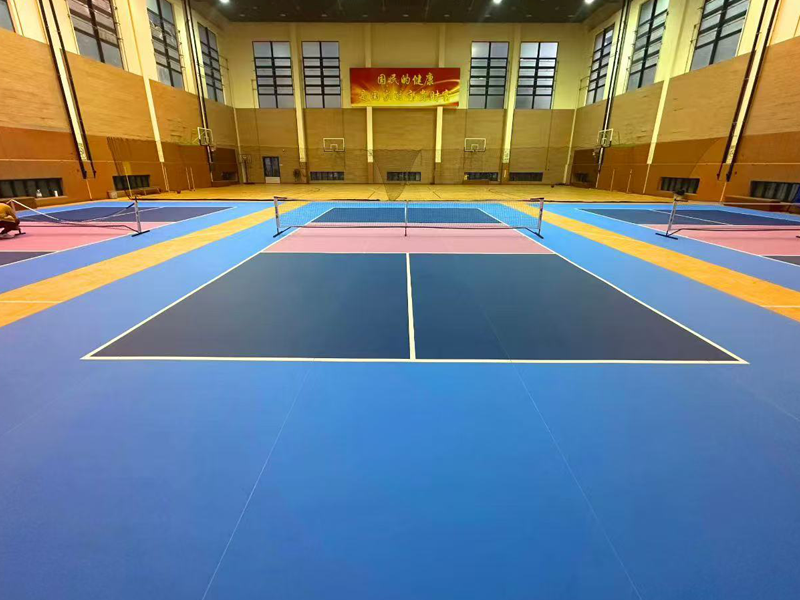
The Philippines has seen a remarkable boom in the number of pickleball courts in just a short period. Public parks have been retrofitted to include dedicated pickleball spaces, while tennis clubs are converting underused courts to meet the growing demand. Indoor facilities are also on the rise, catering to year-round play despite unpredictable weather. Some developers have even begun designing entire sports complexes centered around pickleball, a sign of the sport’s commercial viability. Court bookings are often maxed out weeks in advance, indicating demand is outpacing current infrastructure.
Integration of pickleball in mixed-use sports complexes
Pickleball is proving to be the perfect addition to existing sports hubs. Because the courts are smaller and require less maintenance than tennis courts, facility owners can quickly integrate pickleball into their offerings without hefty construction costs. Mixed-use centers—especially those that already host badminton, futsal, or basketball—find pickleball a cost-efficient and community-friendly option. This flexible integration is one of the main accelerators of rapid facility expansion across the archipelago.
Public and private sector support for facility growth
Support for pickleball facility development is coming from both public and private players. Several local governments have included pickleball in their wellness programs, while private investors are treating it as a high-yield amenity for residential developments and commercial spaces. Partnerships between sports clubs, municipalities, and corporate sponsors are also taking shape. This joint momentum is creating a sustainable network of venues ready to support future competitive leagues and national tournaments.
Opportunities for Global Brands and Manufacturers
Rising demand for quality paddles, balls, and nets
As Filipino players level up their skills, their appetite for premium gear grows. Basic wooden paddles are giving way to advanced graphite and carbon-fiber models, while durable balls designed for tropical conditions are in high demand. Tournament-ready nets are also seeing a spike in sales as more clubs host formal competitions.
This creates a ripe entry point for international brands that can offer reliability, consistency, and innovation—qualities that local manufacturers are still scaling to match.
OEM and ODM opportunities for international suppliers
The Philippines offers fertile ground for OEM (Original Equipment Manufacturing) and ODM (Original Design Manufacturing) collaborations. With local distributors eager to introduce specialized product lines, international suppliers can co-create gear tailored for Filipino preferences.
Lighter paddles suited for humid climates, grip designs for tropical sweat conditions, and versatile court kits are examples of customized offerings that would thrive here. Manufacturers that adapt to these local needs will gain a clear competitive edge.
Potential for co-branding and private label partnerships
Co-branding partnerships between international manufacturers and Filipino sports retailers are gaining momentum. Local brands want the credibility of established foreign names, while international suppliers benefit from rapid market penetration. Private label collaborations also enable retailers to differentiate their offerings, catering to a growing segment of players seeking gear that feels personal and exclusive.
Challenges and Competitive Landscape
Market entry barriers and distribution complexities
While the market is promising, navigating it isn’t without challenges. Import regulations can be cumbersome, with tariffs and customs clearances adding complexity to logistics. Establishing efficient distribution channels that can reach both major cities and provincial markets requires strategic planning. Brands that fail to account for these structural hurdles risk slower rollouts and higher costs, which can quickly erode early advantages.
Local vs. imported product competition
Local manufacturers are ramping up production of budget-friendly gear, competing head-to-head with imported products. While imported goods enjoy a perception of higher quality, price-sensitive segments often choose locally made paddles and accessories. This dynamic forces international suppliers to carefully balance pricing and value propositions. Strategic pricing models and smart bundling can help close this gap.
Pricing sensitivity and quality expectations
Filipino consumers are savvy buyers. They may start with entry-level products, but they expect those products to deliver real value. As players advance, they’re willing to pay more—but only if the quality justifies the investment. Brands that overprice without a clear performance advantage will struggle, while those that offer durable, well-engineered gear at fair prices will build loyalty quickly.
Strategic Procurement and Sourcing Insights
Key sourcing channels for sports equipment
Global procurement teams eyeing the Philippines are leveraging both direct manufacturing partnerships and established distributor networks. China remains the primary sourcing hub, known for its efficient production lines and flexible OEM/ODM services. Brands that can secure stable and scalable sourcing relationships are better positioned to respond to fluctuating demand without sacrificing quality or speed.
Building relationships with reliable manufacturers
Sourcing success depends on more than just contracts—it’s about cultivating trust. Long-term relationships with reputable manufacturers lead to better pricing, priority production schedules, and improved quality assurance. Manufacturers willing to engage in product development collaborations offer additional advantages, allowing brands to innovate faster than their competitors.
Leveraging cost advantages without compromising quality
Cost efficiency is critical in the Philippine market, but it can’t come at the expense of quality. By optimizing logistics, securing volume discounts, and maintaining rigorous quality control processes, brands can offer competitive prices while delivering exceptional products. Those who master this balance will dominate procurement strategies in the region.
Future Outlook and Industry Impact
Predicted evolution of the pickleball ecosystem
The pickleball landscape in the Philippines is on the cusp of a transformative phase. What began as casual community games is evolving into a structured, competitive ecosystem with regional tournaments, coaching certifications, and youth development programs. Expect to see tech-enabled training tools, professional league sponsorships, and international player exchanges in the coming years. The ecosystem is maturing at a speed rarely seen in new sports introductions.
How brands can position for long-term success
Brands that act now will secure first-mover advantages. Establishing localized operations—through distribution hubs, event sponsorships, or exclusive product launches—can cement loyalty before the market becomes oversaturated. Strategic storytelling and authentic engagement with local communities can also help brands stand apart from competitors relying solely on pricing strategies.
The Philippines as a model for pickleball expansion in Asia
The Philippines is emerging as more than just a participant in the global pickleball boom—it’s poised to become a regional model. Its blend of community engagement, rapid infrastructure growth, and passionate players offers a blueprint that neighboring countries can replicate. As Asian markets look for sustainable pathways to grow pickleball, the Philippines stands ready to lead the charge, setting the tone for how the sport can scale effectively across borders.
Related Posts
Removable Sports Flooring to Reduce Total Cost
Roll Out Gym Flooring Buyers Trust for Fast Scaling

Indoor Pickleball Court Flooring That Cuts Landed Cost