Skip to content
Table of Contents
Categories

Charles Wong
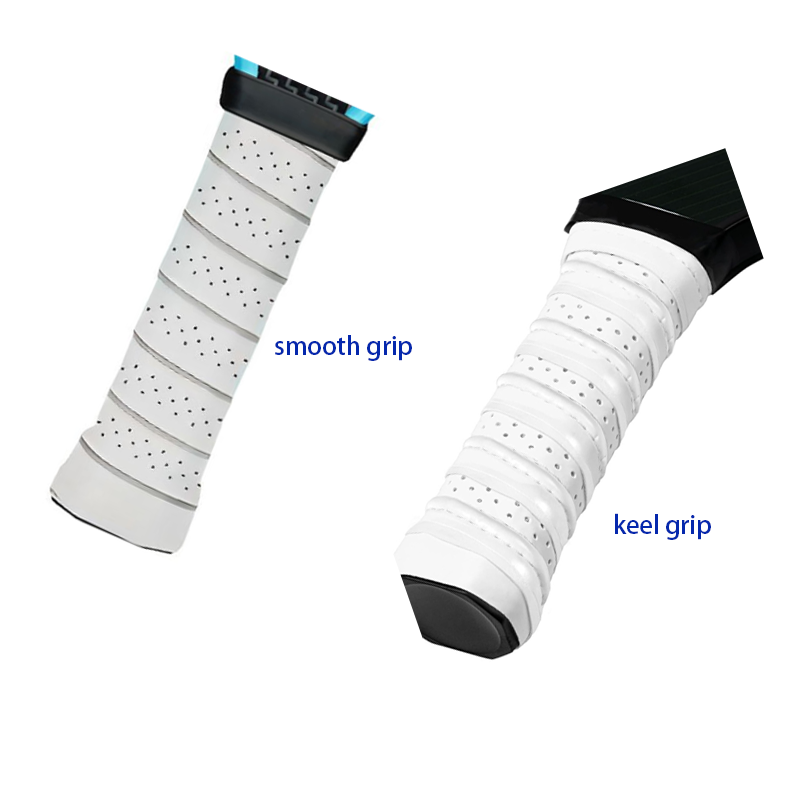
Introduction to Pickleball Racket Grip Options
Growing global demand for pickleball equipment
Pickleball has exploded into a worldwide sporting phenomenon with participation numbers skyrocketing year after year. As more players flood courts across North America, Europe, and Asia, the demand for high-quality equipment has intensified, particularly when it comes to rackets and their grips. For brands looking to capture this momentum, having reliable and scalable grip options is a vital piece of the supply puzzle.
Why grip design matters for performance and comfort
A racket’s grip is the handshake between the player and their equipment, and it dictates control, stability, and endurance on the court. Poorly designed grips lead to slippage, discomfort, and fatigue, while well-engineered grips enhance precision and give athletes the confidence to hit their shots with flair. In a game where matches can swing on a single rally, grip design becomes a subtle yet decisive factor in performance outcomes.
The role of scalable supply in brand competitiveness
Scaling supply is about more than just producing large quantities—it’s about maintaining quality at every stage while meeting the evolving needs of diverse markets. Brands that can consistently deliver top-tier grips at scale will outpace competitors who struggle with inconsistency or slow lead times. A reliable grip supply chain becomes a strategic weapon for brands vying to lead in the global pickleball market.
Types of Pickleball Racket Grip Materials
Synthetic grips for cost efficiency and consistency
Synthetic grips dominate the market thanks to their affordability, uniformity, and adaptability across different racket models. They allow manufacturers to produce massive volumes without compromising performance, making them ideal for large-scale procurement. Moreover, synthetics can be engineered with surface textures that mimic natural materials while keeping costs under control.
Leather and natural materials for premium markets
For brands targeting premium or luxury segments, leather and other natural grips remain a hallmark of craftsmanship. These grips provide a distinctive tactile feel and aesthetic appeal that resonates with players seeking exclusivity. While production volumes are more limited, natural materials add a layer of prestige and differentiation that cannot be replicated by synthetics.
Eco-friendly grip alternatives for sustainable branding
Sustainability is no longer a buzzword but a purchasing driver, especially for younger demographics and eco-conscious buyers. Eco-friendly grips, made from recycled or biodegradable materials, allow brands to position themselves as environmentally responsible while capturing new customer segments. With regulatory and consumer pressure mounting, sustainable grip options will only grow in importance.
Key Features That Define Grip Quality
Comfort and shock absorption for player satisfaction
Comfort is king when it comes to grip design, as players demand equipment that reduces hand strain during long matches. Shock absorption features ensure vibrations from ball impact don’t travel harshly through the arm, minimizing fatigue and injury risk. A grip that prioritizes comfort becomes a brand’s silent ambassador, encouraging repeat purchases and brand loyalty.
Moisture resistance and sweat management
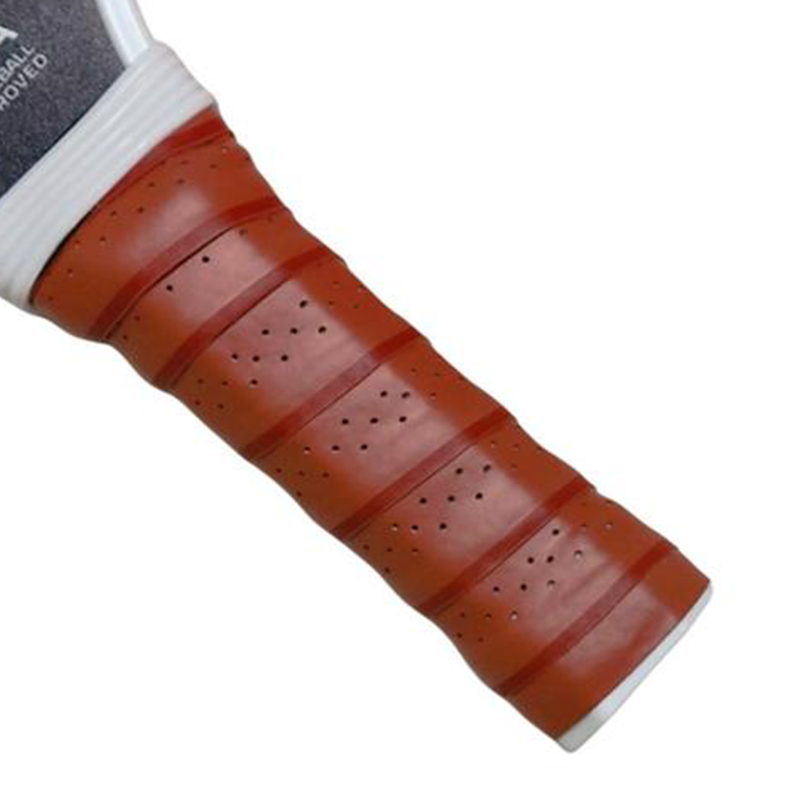
On hot days or under tournament pressure, moisture can become a player’s worst enemy. Advanced grip designs incorporate moisture-wicking materials or perforated patterns to keep palms dry and the racket firmly in control. This balance of grip security and comfort is a critical differentiator for brands aiming to satisfy serious players.
Durability and long-term performance under stress
A grip that wears out after only a few matches is a fast ticket to customer dissatisfaction. Durability ensures players can rely on their equipment over extended periods without performance degradation. Investing in long-lasting grips not only improves user experience but also positions a brand as dependable and trustworthy in competitive markets.
Customization Options for Brand Differentiation
Color, texture, and pattern variations
Customization is where grips transform from a commodity to a brand statement. Offering diverse colors, unique textures, and eye-catching patterns helps brands cater to both recreational players and professionals seeking individuality. This creative flexibility allows procurement teams to align grips with broader brand aesthetics and market positioning.
Logo placement and brand identity integration
Grips are a subtle yet effective canvas for brand identity, with logos, embossing, or color schemes reinforcing brand recognition. Seamlessly integrating brand elements into grip design elevates the racket’s overall appeal while strengthening customer recall. It’s a small detail that creates outsized impact in a crowded marketplace.
Size and thickness adjustments for target markets
Not all hands are the same, and not all players prefer identical grip sizes. Brands that offer multiple thickness options create inclusivity for diverse consumer groups while expanding their appeal. By tailoring grip dimensions to specific markets, procurement professionals can serve both recreational newcomers and high-level competitors.
Manufacturing Processes That Enable Scaling
Automated production lines for large-volume orders
Automation is the cornerstone of modern racket grip manufacturing, enabling rapid output with minimal errors. Robotic systems streamline cutting, wrapping, and finishing processes, reducing labor costs and boosting consistency. For brands focused on high-volume distribution, automated lines make scaling supply both feasible and profitable.
Quality control systems to ensure consistency
Scaling supply without quality control is a recipe for disaster, as even minor defects can tarnish a brand’s reputation. Rigorous inspection systems, including tensile testing and surface analysis, ensure every grip meets strict standards. A robust quality control framework reinforces consumer trust and procurement reliability.
Flexible production models for OEM and ODM clients
Brands with varying needs benefit from manufacturers that can toggle between OEM and ODM models. OEM provides exact adherence to brand specifications, while ODM opens the door to innovative designs pre-developed by the manufacturer. Flexibility here ensures procurement teams can adapt quickly to shifting market dynamics.
Procurement Considerations for Global Brands
Supplier reliability and production capacity
In procurement, a reliable supplier is worth its weight in gold, especially in fast-growing markets like pickleball. Evaluating production capacity, delivery history, and client references helps ensure dependable partnerships. Reliable suppliers keep brand timelines intact and safeguard against costly disruptions.
Lead times and inventory management strategies
Long lead times can cripple market responsiveness, particularly when demand spikes unexpectedly. Partnering with manufacturers who balance just-in-time production with scalable capacity provides procurement teams with a competitive edge. Effective inventory management strategies reduce bottlenecks and keep supply chains humming smoothly.
Cost efficiency versus premium product positioning
Striking the right balance between affordability and exclusivity is a constant procurement challenge. While low-cost grips drive accessibility and mass-market reach, premium grips enhance brand prestige and margins. Smart procurement strategies align product positioning with consumer expectations while maintaining profitability.
Emerging Trends in Pickleball Grip Innovation
Smart grips with performance-tracking technology
Technology is weaving its way into pickleball grips with embedded sensors that monitor swing speed, impact, and hand placement. These innovations transform grips into data-driven training tools, appealing to players who want to level up their game. For brands, smart grips create new revenue streams and differentiation opportunities.
Sustainable grip solutions for eco-conscious buyers
Eco-conscious consumers are reshaping the sports equipment industry, and grips are no exception. Manufacturers are experimenting with plant-based polymers, recycled composites, and biodegradable materials. These sustainable solutions allow brands to capture new audiences while supporting long-term environmental goals.
Advanced ergonomics for evolving player needs
As player demographics expand, grips must evolve to suit varying hand shapes, skill levels, and playing styles. Ergonomic designs with contoured shapes and adaptive cushioning cater to diverse player segments. Forward-thinking brands that embrace ergonomic innovation will secure a strong foothold in future markets.
Conclusion
How grip options align with brand growth strategies
Grip options are not just technical features; they are strategic levers for brand expansion. By aligning grip design with broader growth strategies, brands can build lasting loyalty while unlocking new market segments. A well-chosen grip becomes a foundation for both brand storytelling and revenue growth.
Balancing customization with scalable supply
Customization delights players, but without scalable supply, even the most innovative grip designs fall flat. Successful brands strike a delicate balance by offering diverse options while maintaining streamlined production processes. This equilibrium ensures both creativity and efficiency in global distribution.
Positioning grip innovation as a competitive advantage
Grip innovation is no longer optional—it’s a battlefield where brands distinguish themselves from rivals. By embracing material advances, ergonomic design, and sustainability, brands transform grips into powerful differentiators. Ultimately, grip innovation drives not just player satisfaction but also long-term market leadership.
Related Posts
Removable Sports Flooring to Reduce Total Cost
Roll Out Gym Flooring Buyers Trust for Fast Scaling

Indoor Pickleball Court Flooring That Cuts Landed Cost