Skip to content
Table of Contents
Categories

Charles Wong
Introduction to Pickleball Rackets Manufacturing in China
Overview of the Booming Pickleball Market
Pickleball has gone from a backyard curiosity to a full-blown sporting juggernaut. In the U.S. alone, millions of new players are picking up paddles each year, and international markets are catching on like wildfire. As demand soars, so too does the need for reliable, high-quality equipment that won’t break the bank or buckle under performance pressure.
Why China Is a Global Hub for Racket Manufacturing
China isn’t just the world’s factory—it’s the nerve center of advanced sports equipment production. Decades of manufacturing evolution, paired with deep expertise in composite materials and mass-scale logistics, make China a go-to for brands looking to scale quickly. Whether you need a thousand units or ten thousand, Chinese OEMs have the chops to deliver.
Key Considerations for Sourcing From China
Before diving headlong into a sourcing agreement, there are a few needles you’ll need to thread. Lead times, intellectual property protection, and quality control protocols should be top-of-mind. Get those ducks in a row early, and the rest of the process can run smoother than a polymer core on a glass fiber face.
Understanding OEM and ODM Services
Difference Between OEM and ODM Manufacturing
OEM (Original Equipment Manufacturer) means you come in with your blueprint, and the factory builds to your specs. ODM (Original Design Manufacturer) flips the script—they’ve already got the designs, and you slap your brand on it. Both models have their place, but which you choose depends on how hands-on you want to be.
Benefits of OEM/ODM for Racket Brands
OEM and ODM models take the R&D burden off your shoulders and let you ride the wave of existing manufacturing efficiency. It’s a plug-and-play way to accelerate product launches while staying competitive on margins. Plus, you can scale faster without having to invest in heavy tooling or complex supply chains.
How OEM/ODM Supports Brand Scalability
When the market starts pulling more than you can push, you’ll need partners who can keep up. With OEM/ODM, scalability isn’t a pipe dream—it’s a baked-in benefit. As orders grow, manufacturers can ramp production without sacrificing consistency, ensuring your brand keeps its promise on every paddle.
Why Choose a Chinese OEM Partner
Cost Advantages With High Production Value
Let’s not beat around the bush—pricing is critical. Chinese OEMs offer aggressive per-unit costs without skimping on materials or craftsmanship. It’s like getting filet mignon for the price of a burger, assuming you know where to shop.
Mature Supply Chain and Raw Material Access
From aerospace-grade carbon fiber to industry-standard polypropylene honeycomb cores, China’s raw material ecosystem is unmatched. Their vertically integrated supply chains mean fewer middlemen and quicker turnarounds. That kind of reliability can be a game-changer when you’re racing to hit a seasonal launch window.
Skilled Labor and Advanced Manufacturing Tech
Today’s top factories are more Silicon Valley than sweatshop. CNC milling, hot-press molding, and UV printing stations are manned by technicians with years—sometimes decades—of experience. It’s a lethal combination of old-school craftsmanship and new-school tech.
Key Features of Quality Pickleball Rackets
Material Types: Carbon Fiber, Fiberglass, Polymer
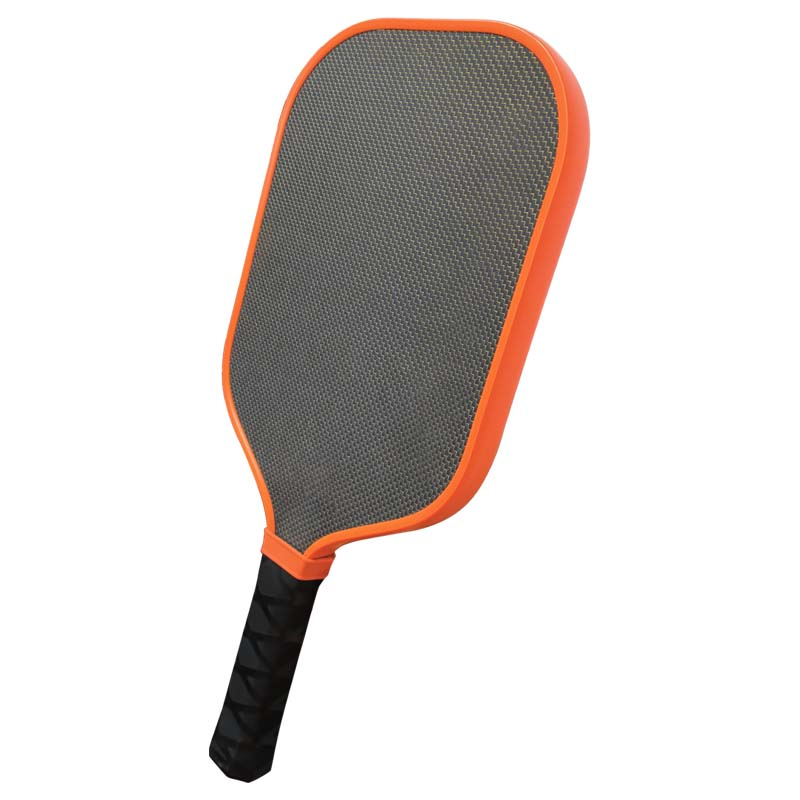
A quality paddle starts with the right blend of materials. Carbon fiber offers precision and power, fiberglass brings finesse and forgiveness, and polymers provide control without compromising feel. Mixing these materials intelligently is what separates the big boys from the bargain bin.
Weight, Balance, and Grip Design
Weight distribution can make or break a paddle’s playability. Pros tend to favor heavier models for pop, while newcomers lean toward lightweight builds for maneuverability. Add in an ergonomically contoured grip and you’ve got a paddle that feels like an extension of the arm, not a foreign object.
Surface Texture and Core Technology
Spin and control live and die by surface texture. A lightly textured face gives players just enough bite to finesse the ball over the net, while core tech like aluminum or polymer honeycombs affect sound, shock absorption, and energy return. It’s all in the engineering—no shortcuts allowed.
Customization Capabilities in OEM Manufacturing
Private Label and Logo Printing Options
Putting your mark on a paddle is more than just slapping on a sticker. With OEM customization, full-surface UV printing and laser engraving are on the table. That means your branding looks sharp, consistent, and durable—right out of the box.
Unique Mold and Shape Customization
Want a thicker core, oval silhouette, or aerodynamic edge guard? No problem. Many OEMs offer custom mold creation, allowing you to differentiate with a truly proprietary design. That’s how boutique brands punch above their weight class.
Color, Grip, and Packaging Personalization
From matte neon finishes to recycled kraft boxes, today’s OEMs can personalize almost every aesthetic element. Matching the paddle’s vibe to your brand’s ethos is easier than ever. It’s not just form meeting function—it’s branding meeting performance.
Navigating MOQ and Production Lead Times
Typical Minimum Order Quantities
Most factories won’t blink unless you’re ordering at least 300 to 500 units. But don’t panic—some will work with smaller batches for first-time clients. Flexibility varies by factory, so don’t be afraid to negotiate upfront.
Factors Affecting Lead Time
Lead times usually range from 30 to 60 days depending on customization, materials, and order volume. Seasonal demand spikes—especially around spring and summer—can add delays. Lock in your timeline early and stay ahead of the curve.
How to Plan Procurement Cycles Effectively
Forecasting demand isn’t just about avoiding stockouts—it’s about maintaining cash flow and customer trust. Aim to plan 2–3 months ahead and build buffer time into every procurement cycle. The early bird gets the on-time delivery.
Quality Control in Chinese Factories
In-House Inspection Protocols
The top-tier factories have dedicated QC teams that test everything from paddle weight to handle adhesion. Think drop tests, flex tests, and grip torque trials. Consistency is king, and daily inspections are how they keep the throne.
Third-Party Audits and Certifications
To go the extra mile, many brands bring in third-party inspectors like SGS or TÜV. These audits verify everything from materials to labor practices, adding a layer of transparency and peace of mind. It’s trust, verified.
How to Ensure Consistent Product Quality
Beyond inspection, the secret sauce is process standardization. Whether it’s vacuum molding or heat-setting edge guards, SOPs ensure that paddle #1 is indistinguishable from paddle #10,000. Quality isn’t an act—it’s a habit.
Compliance with International Standards
USA and EU Regulatory Requirements
Pickleball paddles need to meet performance, labeling, and safety standards—especially for big-box retail. In the U.S., ASTM specs apply, while the EU has REACH and CE certification to consider. Getting tripped up here can mean customs delays or outright bans.
Common Racket Certifications and Tests
Tensile strength, impact resistance, and material toxicity are often tested for certification. Factories that are ISO 9001 certified usually already have these protocols in place. Better to confirm compliance upfront than scramble post-production.
Export and Documentation Support
From HS codes to certificates of origin, experienced OEMs provide full export support. They’ll even help with the paperwork if you’re new to international trade. One less headache on your to-do list.
Logistics and Shipping Made Easy
FOB vs. CIF and Other Shipping Terms
FOB (Free On Board) means you own the goods once they hit the ship; CIF (Cost, Insurance, and Freight) covers more but costs more. Know your Incoterms and pick what’s best for your budget and risk tolerance. Each has its pros and cons—pick your poison wisely.
Coordinating With Freight Forwarders
Working with a solid freight forwarder is like having a GPS in a foreign city. They manage container booking, customs clearance, and last-mile delivery. The factory might build the paddles, but your forwarder gets them across the finish line.
Managing Customs and Import Duties
Duties and tariffs can hit like a surprise backhand. Make sure your harmonized codes are correct and your documents airtight. Misclassification is a rookie mistake that can cost you thousands.
Pricing Models and Cost Transparency
Cost Breakdown of a Typical Racket Order
Expect to pay for raw materials, labor, tooling, printing, packaging, and freight—at a minimum. Clear breakdowns help identify where you can save without cutting corners. It’s not just the unit price that matters—it’s the all-in landed cost.
How Pricing Scales With Volume
Higher volumes unlock tiered discounts, better payment terms, and faster turnaround times. It’s the classic economy-of-scale model in action. The bigger your order, the better your leverage.
Negotiating Fair and Transparent Terms
Don’t just chase the lowest price—chase the best value. Transparent pricing, milestone payments, and penalties for late delivery all protect your interests. A fair deal builds long-term trust on both sides of the table.
Building a Long-Term OEM Relationship
Importance of Clear Communication
In the world of manufacturing, assumptions are the silent killers. A clear spec sheet, shared production calendars, and regular updates via email or WeChat keep everyone aligned. When communication flows smoothly, errors get caught early, and expectations stay realistic.
Setting Expectations and Production Schedules
A good OEM partner thrives on predictability. That means locking in timelines, batch quantities, and quality checkpoints from the get-go. Don’t wait for the fire to start—set the fire drill before production kicks off.
Handling Disputes and Quality Claims
Even with best practices, hiccups can happen. The best factories won’t ghost you—they’ll work to make it right. Clear warranty clauses and remediation steps (like partial refunds, remakes, or credit memos) keep both parties protected and relationships intact.
Supporting Your Brand Beyond Production
Design and Prototyping Support
Many Chinese OEMs have in-house design teams ready to bring your vision to life. From CAD renderings to 3D-printed samples, they can help refine your ideas before a single mold is cut. It’s like having your own R&D lab without footing the full bill.
Marketing Material Assistance
High-res product images, packaging mockups, and even user manuals can be produced alongside your paddles. Some partners offer lifestyle photography to support your e-commerce or retail push. Branding doesn’t stop at the product—it stretches all the way to the shelf.
After-Sales and Warranty Collaboration
A smart OEM will help you build a returns and warranty system that doesn’t tie up your time or money. Whether it’s spare parts, replacement paddles, or usage guides, the right partner supports the customer experience even after the sale. It’s one more way they help your brand stay trusted.
Case Studies of Global Brand Success
Example: US-Based Startup Scaling Fast
A West Coast startup launched its first private-label paddle through a Chinese OEM and grew from 500 units to 20,000 in under 18 months. With short lead times and flexible order volumes, they beat their competitors to market and secured exclusive Amazon listings. Their secret sauce? Speed, quality, and a no-nonsense factory partner.
Example: European Brand Gaining Market Share
One mid-sized brand in Germany doubled its market share after revamping its product line with carbon fiber paddles manufactured in Shenzhen. Using the OEM’s design support, they launched a performance line that rivaled big names at half the price. Today, they’re in sporting goods stores across the continent.
Lessons Learned From Top-Performing Clients
The common thread? Communication, clarity, and consistency. Successful brands didn’t treat their OEM like a vending machine—they treated them like a partner. And that mindset shift made all the difference.
Trends in Pickleball Racket Design
Emerging Technologies and Innovations
We’re seeing wild things like graphene-infused surfaces, aerodynamic edge guards, and vibration-dampening cores. These aren’t just gimmicks—they’re performance boosters. A forward-thinking OEM will already be experimenting with these innovations and offering them to serious brands.
Eco-Friendly Materials and Sustainability
Recycled polymers, biodegradable grip wraps, and FSC-certified packaging are becoming hot topics. Consumers want to win on the court without hurting the planet. OEMs that offer sustainable material options are ahead of the curve—and so are the brands that choose them.
Rising Demand for Performance Optimization
Players want paddles that enhance their style—whether it’s finesse, power, or spin. That means thinner cores for control or edgeless designs for max surface area. Performance isn’t a luxury anymore—it’s a selling point, even for beginners.
How to Vet and Select a Reliable OEM Partner
Red Flags to Watch Out For
Be wary of vague pricing, lack of samples, or inconsistent communication. If a factory hesitates to offer references or won’t show their facility (even via video call), it’s time to walk away. A legit OEM will be proud of their operation and eager to build trust.
Questions to Ask During Factory Visits
Ask about their quality inspection process, machinery, materials sourcing, and client history. Tour the production floor. Is it clean, organized, and well-staffed? How do they store and trace raw materials? The devil’s in the details.
Verifying Licenses and Production Capacity
Always confirm business licenses, ISO certifications, and third-party audits. Make sure their production volume can meet your long-term needs. You don’t want to outgrow your partner just when things start picking up.
Getting Started with Your First Order
Preparing a Detailed RFQ (Request for Quote)
A good RFQ includes specifications, quantity, desired materials, and timeline. Include drawings or reference samples if you have them. The more precise you are upfront, the faster and more accurate your quote will be.
Sampling and Prototype Evaluation
Never skip the sample phase. Test for weight, balance, surface grit, and overall durability. Bring in your team or even a few advanced players to give real-world feedback before green-lighting the full run.
Finalizing Terms and Production Agreement
Use a formal PO (Purchase Order) or manufacturing agreement that includes delivery dates, payment milestones, quality standards, and IP protections. When both sides sign on the dotted line with crystal-clear expectations, that’s when the real magic begins.
Conclusion
Pickleball is no longer just a backyard pastime—it’s a booming business. For brands looking to ride the wave, partnering with a trusted Chinese OEM can be a game-winning strategy. From scalable production and world-class engineering to creative customization and supply chain mastery, the right factory doesn’t just build paddles—they help build legacies.
Now’s the time to pick your partner wisely, get your specs dialed in, and hit the court running. The global pickleball market is heating up—don’t get left on the sideline.
Related Posts
Removable Sports Flooring to Reduce Total Cost
Roll Out Gym Flooring Buyers Trust for Fast Scaling

Indoor Pickleball Court Flooring That Cuts Landed Cost