Skip to content
Table of Contents
Categories

Charles Wong
About Pickleball Retrievers
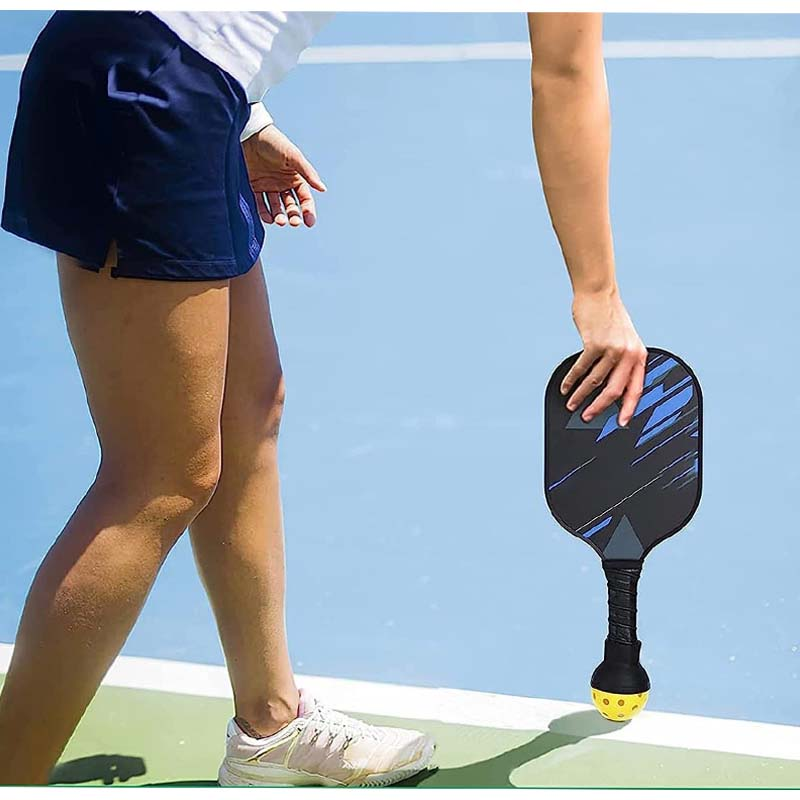
What is a Pickleball Retriever
A pickleball retriever is a nifty little gadget that saves players from constantly bending down to scoop up balls during games or practice sessions. It attaches to the end of a paddle or functions as a standalone tool, making ball collection as easy as pie. From an engineering standpoint, it’s a low-tech solution with high-impact potential—especially when scaled for mass production and global distribution.
Importance in the Pickleball Ecosystem
While it may seem like a minor accessory, the retriever is quickly becoming a staple in recreational and professional environments. It’s part of a growing range of court gear that enhances user experience, reduces fatigue, and keeps the rhythm of play smooth as butter. For facility operators and coaches, it’s one of those unsung heroes that keeps the court humming without the hiccups.
Rising Demand in Global Markets
As pickleball explodes across the globe, especially in North America, Europe, and parts of Asia, accessories like the retriever are gaining traction. Procurement professionals are seeing a surge in orders as the sport makes its way into clubs, community centers, and retail stores. Smart brands are jumping on the bandwagon early, locking in OEM/ODM deals before supply constraints catch up with demand.
The Role of Supply Chain Efficiency in Sports Equipment
Impact on Profit Margins and Delivery Time
Every extra step in a supply chain chews into profit margins like a woodpecker on a fencepost. In the world of sports equipment, where speed to market can make or break a season’s revenue, streamlined operations are non-negotiable. The pickleball retriever, when designed smartly, can be a beacon of efficiency in both production and distribution.
Supply Chain Challenges in Sporting Goods
Sporting goods face seasonal demand swings, container backlogs, and raw material price volatility. These hiccups can throw a wrench in even the best-laid procurement plans. Add to that the pressure for customization and sustainability, and you’ve got yourself a juggling act worthy of a circus.
The Link Between Product Design and Logistics
Design isn’t just about aesthetics—it’s logistics in disguise. A retriever that nests, stacks, or ships flat can shave thousands off freight bills and slash warehouse space requirements. When design decisions factor in pallet optimization and container loading efficiency, you’re not just engineering a product—you’re engineering a logistics solution.
How Pickleball Retrievers Can Improve Operational Flow
Compact Design for Easier Shipping
Pickleball retrievers built with nesting or telescoping parts drastically cut down shipping volume. That means more units per crate, fewer trips across the ocean, and better carbon footprint stats to show your board. Compact design also means distributors can stock more SKUs without needing a warehouse the size of a football field.
Simplified Assembly and Packaging
A retriever that’s intuitive to assemble and comes in minimalist packaging saves time at every touchpoint. Whether it’s on the factory floor, at a fulfillment center, or in a retail store, simplicity rules. Fewer instructions, fewer parts, and fewer complaints—music to the ears of any supply chain manager.
Lower Handling and Storage Costs
When products are lighter and more space-efficient, downstream logistics become a breeze. You’ll cut costs in areas like manual handling, shelf stocking, and even customer returns. That’s the kind of operational flow that moves the needle without reinventing the wheel.
OEM and ODM Manufacturing Advantages
Custom Design Flexibility
OEM/ODM partners in China can tailor the pickleball retriever to fit a brand’s exact specifications—size, shape, material, you name it. Want a glow-in-the-dark version or a biodegradable grip? No problem. Flexibility in design is key to creating differentiation in a saturated market.
Scalability for Large Orders
Reliable manufacturers are set up to scale from small test runs to full-blown container loads without skipping a beat. This gives brands the confidence to forecast, test, and launch across markets with agility. It’s like having a turbo button for your product rollout.
Integration with Existing Product Lines
Retrievers can be engineered to complement current paddle or bag lines, with matching colors, branding, and POS materials. This seamless integration creates a cohesive brand story and makes upselling a walk in the park. A coordinated SKU suite is easier to market and far more appealing on the shelf.
Cost Optimization Through Streamlined Production
Raw Material Sourcing Efficiency
Using locally sourced or widely available materials can mitigate delays and control costs. Some retrievers can be molded from the same polymers used in paddles, allowing material orders to consolidate. It’s a savvy play that keeps BOM (Bill of Materials) costs in check.
Reduced Labor and Manufacturing Waste
Smart mold design and modular components reduce cycle times and scrap rates. Fewer rejected units mean better yield per production run and less landfill contribution. That’s not just good business—it’s good optics for sustainability-minded brands.
Automated Production Capabilities
High-volume retriever components lend themselves to injection molding and automated assembly. Automation trims labor expenses, ensures consistency, and shortens lead times dramatically. It’s the kind of precision that procurement teams dream about.
Inventory Management and Fulfillment Benefits
Space-Efficient Storage Solutions
Retrievers that ship flat or stack tight take up minimal warehouse real estate. That translates into more SKUs per shelf and lower per-unit storage fees. In urban distribution centers, where space is gold, this kind of design is worth its weight.
Faster Order Picking and Packing
Uniform sizing and simplified packaging speed up picking times and reduce fulfillment errors. Whether you’re shipping to Amazon FBA or a local tennis pro shop, operational efficiency boosts customer satisfaction and margin alike. It’s plug-and-play for 3PLs.
Just-In-Time Inventory Compatibility
Products that are quick to produce and easy to stock allow for leaner inventory strategies. This reduces cash tied up in stock and opens the door for reactive order cycles. The retriever becomes not just a product—but a supply chain enabler.
Custom Branding and Private Label Options
High-Quality Logo Printing Techniques
Advanced pad printing, laser etching, and UV transfer options are now standard for retrievers. Crisp logos, vivid colors, and long-lasting finishes give brands the polish they’re after. No more cheap stickers that peel off in the sun.
Tailored Packaging for Brand Identity
Custom blister packs, hang tags, and retail-ready cartons ensure your retriever tells the right story on the shelf. Good packaging isn’t just protective—it’s persuasive. It helps customers recognize and trust your brand at a glance.
Adaptability for Regional Market Preferences
Some regions prioritize eco-packaging, while others demand bilingual labeling or specific safety icons. An experienced OEM knows how to tailor units per country, minimizing regulatory headaches and customs delays. That’s localization done right.
Logistics and Shipping Advantages
Lightweight and Stackable for Container Loading
A retriever that’s feather-light and stack-friendly lets you max out every inch of shipping volume. This can mean tens of thousands in savings per year. It’s not sexy, but it’s strategic.
Compatibility with Air, Sea, and Rail Freight
Whether you’re air freighting to LA or sending containers to Rotterdam, retrievers built with multimodal transit in mind perform better. Non-breakable parts, moisture resistance, and smart labeling prevent mid-shipment disasters.
Reduced Shipping Damages and Returns
Solid engineering minimizes the risk of broken clips or warped parts. Fewer returns mean fewer headaches for logistics, customer service, and warranty departments. That’s what we call a triple win.
Quality Control for Consistency and Reliability
Factory Testing and Inspection Protocols
Routine drop tests, tolerance checks, and real-use simulations ensure every batch meets spec. Quality control isn’t optional—it’s foundational. If your retrievers are built to last, your brand reputation will be too.
Certifications and Compliance for Export
Meeting CE, RoHS, or ASTM standards opens up access to major markets. A compliant retriever sails through customs and retail onboarding without hiccups. That’s peace of mind for procurement teams with international scope.
Return Rate Reduction Strategies
Durability, ease of use, and strong packaging directly impact return rates. Low returns are good for bottom lines and even better for brand loyalty. A well-made retriever builds trust before the customer ever hits the court.
Technology Integration for Smarter Tracking
Barcode and RFID Options
Retrievers can be labeled with barcodes or embedded with RFID chips for inventory accuracy. Tracking every unit in your supply chain is now easier than hitting a backhand dink. Welcome to the modern warehouse.
Supply Chain Visibility and Analytics
Digitally tagged units allow for real-time monitoring from factory to customer. This helps forecast reorders, identify bottlenecks, and prevent loss. Data isn’t just numbers—it’s leverage.
Integration with ERP and WMS Systems
An OEM that supports digital sync with your ERP or warehouse system helps eliminate paperwork and manual input. That translates to fewer errors, tighter controls, and faster decision-making. Efficiency is the name of the game.
Choosing the Right Pickleball Retriever Manufacturer
Key Questions to Ask Suppliers
How flexible are MOQs? What’s the lead time? Can you support regional compliance needs? Ask the hard questions early and often to avoid headaches later.
Evaluating Production Capacity and Lead Time
Capacity planning ensures you won’t get bottlenecked mid-season. Reliable suppliers should offer buffer stock or express production lanes. Long lead times kill product momentum—so plan with the long haul in mind.
Assessing After-Sales Support and Responsiveness
From part replacements to warranty fulfillment, a dependable manufacturer acts like a partner, not just a vendor. Communication should be fast, clear, and action-oriented. When things go sideways, you need folks who jump in—not just pass the buck.
Case Studies and Success Stories
Global Retailer Launch with ODM Retriever
A North American big-box chain launched a custom-branded retriever and sold through initial inventory in weeks. Fast reorders were enabled by pre-approved tooling and just-in-time production.
Streamlining Distribution for a Sports Brand
One European paddle brand reduced fulfillment times by 35% after switching to a collapsible retriever model optimized for pallet shipping. The impact was immediate—better margins and happier distributors.
Expansion into New Markets with Custom Solutions
A Southeast Asian distributor introduced a bamboo-handled retriever variant tailored for eco-conscious consumers. The localized design captured market share fast and attracted new retail partnerships.
Future Trends in Pickleball Equipment Logistics
Sustainable Materials and Green Shipping
Biodegradable plastics and recycled packaging are no longer fringe—they’re frontline. Brands that embrace green logistics now will win hearts and shelf space tomorrow.
AI and Automation in Supply Chains
Forecasting, warehousing, and even customer service are being reshaped by artificial intelligence. Predictive inventory models ensure you’re never caught with your pants down during a sales spike.
Market Expansion into Emerging Regions
Latin America, India, and Eastern Europe are heating up in pickleball. Getting your retriever in now builds brand equity before the gold rush. Early birds, meet your worms.
Conclusion and Strategic Takeaways
Why the Retriever Matters to Your Supply Chain
It’s more than a plastic stick—it’s a logistics-friendly, margin-boosting, brand-building machine. Overlook it, and you’re leaving easy money on the table.
Key Benefits Recap for Brand Procurement
Lower costs, faster fulfillment, easier shipping, and strong OEM support. If you’re hunting for an accessory that punches above its weight, this is it.
Next Steps to Partner with a Reliable OEM
Get your specs ready. Ask the right questions. Lock in a supply chain advantage that’ll set your brand apart—one retriever at a time.
Related Posts
Removable Sports Flooring to Reduce Total Cost
Roll Out Gym Flooring Buyers Trust for Fast Scaling

Indoor Pickleball Court Flooring That Cuts Landed Cost