Skip to content
Table of Contents
Categories

Charles Wong
Introduction to Pickleball Tube Customization
Rising Demand for Premium Pickleball Accessories
Pickleball isn’t just a backyard hobby anymore—it’s a full-blown craze that’s sweeping the globe. With the sport’s explosive growth comes a rising demand for accessories that are just as stylish and high-performing as the gear itself. Players today want more than functionality; they want products that reflect their identity, whether they’re casual weekend warriors or tournament-level competitors.
Role of Packaging in Brand Perception
Like it or not, we all judge books by their covers—and in retail, packaging is that cover. A sleek, well-designed pickleball tube can do more than hold balls; it communicates professionalism, care, and quality from the get-go. Brands that underestimate the power of packaging often find themselves buried beneath competitors that get the presentation right.
How Customization Elevates Product Value
Customization isn’t just flair for flair’s sake—it’s a strategic lever. A custom pickleball tube turns a generic product into a branded experience, one that builds connection and loyalty with buyers. When you tailor packaging to fit your brand’s ethos and your customers’ expectations, the perceived value of your line shoots up faster than a third-shot drop.
What Is a Pickleball Tube?
Standard Design and Purpose
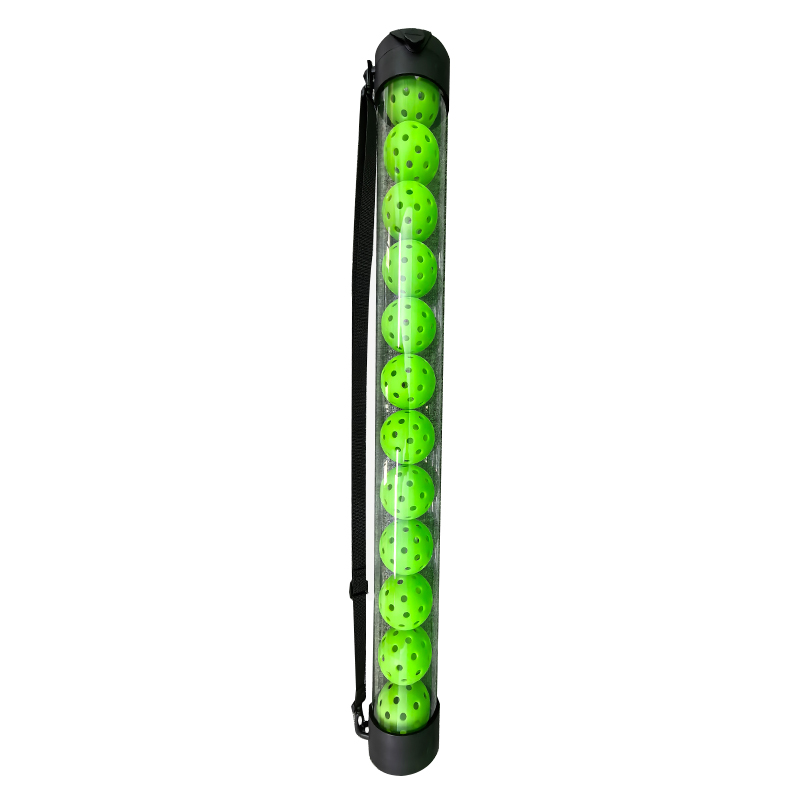
At its core, a pickleball tube is a storage and transport container for balls, usually cylindrical and durable enough to handle a bit of jostling. Most tubes are designed to hold three to four balls and are intended to protect their roundness, bounce, and cleanliness. Functionality comes first, but there’s ample room for creativity in execution.
Common Materials and Features
You’ll typically find tubes made from clear PET plastic, high-density polyethylene, or even sturdy cardboard composites. Many feature screw-top or pop-top lids for ease of access, and a growing number include breathable or vented designs. Visibility, grip, and stackability are often baked into the design to boost retail practicality.
Evolution of Packaging in the Sport
Back in the day, players used repurposed containers or toss-in bags—simple and unbranded. Today, packaging is more refined, acting as a visual handshake between the product and the player. As pickleball shifted from the rec center to the retail shelf, tube design evolved into a brand’s frontline ambassador.
Why Customization Matters for Brands
Differentiation in a Competitive Market
Let’s face it—the market is getting crowded. A sea of sameness on store shelves is the kiss of death for any brand. Customization gives your line a competitive edge, helping it rise above commodity status and become something players remember.
Enhancing Brand Storytelling
Every brand has a story. Whether it’s rooted in performance, community, or sustainability, custom packaging is a vehicle for telling that story. With the right design choices, even a simple tube can communicate innovation, passion, and trustworthiness.
Increasing Consumer Engagement
When packaging resonates, people engage. Think about the unboxing experience—how it feels, looks, and even sounds. Customized tubes create a tactile and emotional connection that encourages repeat purchases and word-of-mouth buzz.
Material Options for Custom Tubes
Plastic, Composite, and Eco-Friendly Choices
You’ve got choices—from durable, crystal-clear PET to biodegradable PLA and paperboard hybrids. Plastic remains popular for its strength and transparency, but the market is steadily tilting toward sustainable alternatives. Brands must weigh performance versus environmental impact when selecting materials.
Durability and Cost Considerations
Sure, premium materials may cost more upfront, but they often pay for themselves in customer satisfaction and brand reputation. Skimping on quality can result in cracked tubes and dented perceptions. It’s a balancing act—engineering durability without blowing the budget.
Visual and Tactile Impact of Material Selection
Material isn’t just about function—it’s about feel. A soft-touch matte finish or a textured grip can drastically elevate a user’s perception of quality. The right material makes your product feel intentional and polished, not slapped together.
Structural Design Variations
Tube Shapes and Dimensions
Round is the standard, but custom shapes—like square or hexagonal—can instantly stand out on a crowded shelf. Slight tweaks to diameter or height can also better fit specific ball types or retail constraints. Form meets function when structural design complements both brand identity and user convenience.
Lid Styles and Closures
Screw-on, flip-top, pop-off—each has its pros and cons. A good closure keeps the balls secure without annoying the user every time they open it. Some brands even add tamper-evident seals for that extra layer of confidence.
Usability and Protection for Balls
A good tube isn’t just eye candy—it protects the product inside. That means shielding balls from UV light, moisture, and mechanical stress. Smart design also ensures users can open, carry, and store the tube without hassle.
Visual Branding Elements
Custom Logo Placement and Scale
Your logo is your brand’s face, and where you place it matters. A centered, oversized logo can command attention, while a subtle corner placement suggests elegance. Placement should work harmoniously with other design elements—not fight them.
Color Matching and Brand Consistency
Consistency builds trust. Accurate color reproduction ensures your brand’s hues look the same on every tube, every time. Whether it’s PMS-matched orange or a signature navy, maintaining that visual identity across packaging is non-negotiable.
Typography and Visual Hierarchy
The fonts you use—bold, clean, script, modern—carry meaning. Typography should be readable from a distance and structured to lead the eye. Make sure product names, slogans, and key information don’t get lost in a design jungle.
Printing and Finishing Techniques
Offset, Screen, and Digital Printing
Offset delivers crisp lines and color fidelity in bulk, while screen printing adds texture and pop for short runs. Digital is ideal for prototyping or personalization. Choose your method based on volume, budget, and aesthetic goals.
Matte, Gloss, and Textured Finishes
Finish affects first impressions. Matte is sleek and sophisticated, gloss is vibrant and attention-grabbing, and textures like soft-touch add an element of surprise. The finish can reinforce your brand’s tone—be it rugged, luxe, or playful.
Embossing, Debossing, and Foil Stamping
These tactile flourishes take packaging to the next level. Embossing or debossing adds a dimensional feel that screams quality, while foil stamping can catch the light—and the shopper’s eye. Don’t overdo it, though—elegance lives in restraint.
Functional Features to Add Value
Resealable and Reusable Designs
Give your tube a second life. A resealable lid encourages reuse, adding value for eco-conscious buyers. Repeat use means more brand impressions over time, too.
Built-In Handles or Grips
Convenience sells. A built-in handle or finger groove might seem minor, but it makes a difference on the court and in retail. Thoughtful design earns loyalty.
QR Codes, NFC Tags, and Smart Packaging
Want to wow your customer? Add a QR code that links to instructional videos, loyalty programs, or gear upgrades. NFC tags go a step further, enabling product registration or interactive storytelling right from the tube.
Targeting Specific Market Segments
Tubes for Amateur vs. Professional Players
Pros want performance. Amateurs want value. Design your packaging to speak directly to its intended user with cues that reflect experience level and usage frequency.
Gender-Specific and Youth-Friendly Designs
Bright colors, mascots, and playful typography work well for youth markets, while sleek lines and minimalist tones resonate with adults. One-size-fits-all rarely fits anyone well.
Limited Edition and Seasonal Packaging
Nothing gets players reaching for their wallets faster than FOMO. A limited-run design for summer leagues or winter holidays creates urgency and drives brand excitement.
Sustainability in Custom Packaging
Recyclable and Biodegradable Materials
Green is the new black. Using recyclable or compostable materials isn’t just a moral win—it’s a marketing advantage. Players are increasingly aligning their purchases with their environmental values.
Minimalist Design for Waste Reduction
Less is often more. A streamlined design not only reduces material use but also signals a modern, no-nonsense approach. It can cut costs while reinforcing your sustainability narrative.
Communicating Eco-Values to Customers
Don’t let your green efforts go unnoticed. Use icons, statements, and storytelling on the tube to make your sustainability commitment clear. Transparency builds trust.
Private Label and OEM/ODM Flexibility
Customization Depth and Brand Control
OEM and ODM partners offer varying degrees of creative freedom. Ensure you have the latitude to control details like mold shape, print quality, and accessory options. The more control, the closer the final product will reflect your brand’s soul.
Turnkey Solutions for Global Brands
Full-service manufacturers streamline the process—from concept to mass production. For international brands, this means fewer headaches and faster market entry. Choose a partner who speaks the language of global logistics.
Balancing Creativity with Consistency
Creativity can’t come at the expense of cohesion. Ensure new designs align with your brand standards across all SKUs. Innovation should amplify identity, not dilute it.
Cost and MOQ Considerations
How Customization Affects Unit Cost
Customization comes at a premium, but smart decisions can keep costs in check. For example, using existing molds or standardized closures lowers tooling expenses. It’s all about getting more bang for your buck.
MOQ Options for Small and Large Brands
Minimum order quantities vary depending on complexity. Some manufacturers offer tiered pricing for startups and scaled options for larger operations. Flexibility in MOQ can help you test markets without overcommitting.
Budgeting for Design, Tooling, and Production
A smart budget accounts for more than just per-unit cost. Factor in design fees, mold charges, and print setup. Long-term ROI often justifies short-term investment.
Production Timeline and Lead Time
Stages of Custom Tube Development
From initial sketches to prototype and final production, tube customization follows a structured path. Collaboration is key during each stage to ensure accuracy and satisfaction. Skipping steps can lead to costly do-overs.
Estimated Timelines from Design to Delivery
Typically, the full process takes 6 to 12 weeks, depending on complexity and volume. Allow extra time for approvals, revisions, and shipping. Rushed jobs often sacrifice quality—plan accordingly.
Planning Ahead for Seasonal Launches
If you’re gearing up for a holiday release or tournament rollout, backtrack your schedule six months. Seasonal launches require precise timing, and the earlier you start, the smoother it goes.
Ensuring Quality and Compliance
Quality Control Procedures and Checkpoints
Don’t leave quality to chance. Look for partners with standardized inspection procedures, including material tests and print consistency checks. A single defect can derail a brand’s credibility.
Meeting International Packaging Standards
Each region has its own rules—from labeling to safety standards. Make sure your packaging complies with the markets you serve, whether it’s the EU, US, or beyond.
Certifications and Audit Readiness
Third-party certifications add legitimacy. ISO, FSC, and SGS credentials show your supply chain is up to snuff. Being audit-ready makes life easier when big retailers come knocking.
Choosing the Right Manufacturing Partner
What to Look for in an OEM/ODM Supplier
Experience, transparency, and capacity—these are your non-negotiables. A proven track record in sports gear packaging is a huge plus. Ask for samples, references, and a breakdown of capabilities.
Communication and Design Support
Clear communication shortens timelines and reduces errors. Choose a partner who can walk you through revisions, mock-ups, and approvals without the back-and-forth circus.
Reliability, Flexibility, and Production Capacity
You want a manufacturer who delivers on time, adjusts to shifting demands, and can grow with your brand. Whether it’s a pilot run or a full-scale production, consistency is king.
Conclusion and Next Steps
Recap of Benefits of Customization
Customized pickleball tubes do more than store balls—they elevate your brand. From aesthetics to functionality, they’re a strategic asset that enhances value, trust, and engagement.
Key Takeaways for Procurement Professionals
Customization helps differentiate your line, reach specific market segments, and tell your brand’s story. Material, design, cost, and timelines all factor into a successful packaging strategy.
How to Initiate a Custom Project with Confidence
Start by defining your goals and target audience. Partner with a reliable OEM/ODM manufacturer that offers design support, flexibility, and a clear production process. With the right team and planning, your next packaging launch can be a game-changer.
Related Posts
Removable Sports Flooring to Reduce Total Cost
Roll Out Gym Flooring Buyers Trust for Fast Scaling

Indoor Pickleball Court Flooring That Cuts Landed Cost