 Skip to content
Table of Contents
Categories

Charles Wong

Introduction to Portable Pickleball Courts
Overview of the Portable Court Market
Portable pickleball courts are redefining how and where the game is played—surfacing pop-ups in parking lots, rooftops, and convention halls with the ease of snapping together a puzzle. The market has matured from DIY mats to engineered interlocking systems built for pro-level play and commercial resilience. As demand explodes, manufacturers are innovating to balance lightweight portability with rock-solid performance, making courts as easy to ship as they are fun to play on.
Growing Demand in Recreational and Commercial Sectors
Recreation departments, fitness chains, and even corporate campuses see pickleball as a high-return engagement tool. They want turnkey court solutions that deploy fast, store compactly, and deliver consistent play. With pop-up events, camps, and leagues on the rise, management teams chase court systems that elevate user experience and keep ROI metrics shining.
Role of Portability in Rapid Deployment
Portability is the secret sauce—pop it out, snap it together, game on. Courts that assemble in under an hour let brands hit multiple venues in a single day, maximizing foot traffic and brand presence. The agility to deploy, dismantle, and redeploy transforms a passive product into a mobile marketing machine.
Why Brands Are Investing in Portable Court Solutions
Speed to Market and Flexible Sales Models
Brands want to strike while the iron’s hot—demand surges wait for nobody. Portable courts let you test markets with minimal investment and pivot fast based on performance data. Retailers and event organizers can deploy products aligned with real-time trends, instead of waiting on build-out and construction.
Expanding Reach in Temporary or Seasonal Locations
From ski resorts in summer to beachside boardwalks in winter, portable courts thrive in transitory spaces. Brands can chase customers wherever they congregate seasonally—think festivals, pop-ups, and more. That savvy flexibility lets them capitalize on niche opportunities without permanent overhead.
Lower Capital Investment Compared to Fixed Courts
Building permanent courts is a hefty line item on any budget, but portable systems slash those costs dramatically. You skip concrete, labor, land leases—keeping expenditure variable instead of fixed. That translates to leaner books and faster break-even points, especially critical for newer or agile brands.
OEM and ODM Options for Portable Pickleball Courts
Understanding OEM vs ODM in Court Manufacturing
OEM partners build to your exact specs—ideal if you want full control and uniformity across SKUs. ODM partners offer ready-made designs you can brand—perfect for fast entry without R&D investment. Picking wisely between the two is key: one gives you creative control, the other gives you speed.
Advantages of OEM for Custom Branding and Specs
OEM means full spec control—from tile thickness to edge trim design—you own it. Brands can push differentiated features like high-performance shock layers or color-matched border tiles that resonate with their audience. That customization builds more than courts; it builds identity.
When to Choose ODM for Faster Deployment
Short on time or testing market fit? ODM’s pre-engineered setups let you launch fast. These plug-and-play options often come stocked and ready to ship, which means you can skip mold creation and go straight to sales. It’s handy for pilot programs or low-risk market entries.
Key Features of High‑Quality Portable Courts
Lightweight Yet Durable Construction
The sweet spot is durability minus the heft—courts built with engineered thermoplastics that flex, resist cracking, and shrug off UV damage. Lightweight but tough enough to handle tournament-level play, they balance transportability with performance. Think featherweight pro courts that can take a beating.
Modular and Easy-to‑Install Design
Interlocking tile systems are the backbone of portable court design, allowing one or two people to build an entire court in less than an hour. These modules align precisely, preventing gaps or uneven sections—essential for consistent play. Plus, they make maintenance easier: damaged tiles swap out in seconds.
Adaptability for Indoor and Outdoor Use
The real champs are courts that thrive on hardwood gym floors and outdoor asphalt alike, thanks to UV stability, drainage channels, and grip-optimized textures. They’re engineered for anything from rain-slicked patios to desert-side resorts. Brands can pitch to a broader client base with courts that perform anywhere.
Materials Used in Portable Court Manufacturing
Polypropylene Tile Systems
Polypropylene gives you the trifecta: light, strong, and weatherproof. With high tensile strength and low moisture absorption, these tiles maintain integrity under heat or flood and resist freezing in cold storage. Their engineered flexibility keeps bounce consistent and installation smooth.
Non‑Slip Acrylic Coatings
Acrylic coatings boost grip and rebounding control without turning the surface into a knee-grinder. Applied through precision spraying or roll-out processes, they resist scuffs and maintain color fidelity under heavy UV exposure. They also accept crisp branding—logos stay vibrant play after play.
Weather‑Resistant and UV‑Stable Materials
Sun and rain can wreck lesser court surfaces, but UV-stable additives and hydrophobic compounds keep these systems intact. Tiles are formulated to resist yellowing, warping, and brittleness through years of weather exposure. That longevity boosts perceived value and decreases replacement cycles.
Court Surface Technology and Performance
Shock Absorption and Joint Protection
Integrated shock layers cushion joints during frenetic rallies, diminishing strain on knees, hips, and ankles. Some systems use domed underside geometry or elastomer inserts to fine-tune energy return and feel. For brands, promoting this biomechanical engineering sells comfort over crunch.
Ball Bounce Consistency and Surface Traction
Even bounce is non-negotiable. Court surfaces are engineered with consistent rebound ratios using precise texture embossing and material formulation. That reliability gives players confidence and uplifts brand reputation—predictability in play equals perceived professionalism.
Anti‑Slip Safety in Varied Weather Conditions
Surface safety is paramount when moisture hits the court. Yes, even a sprinkle can turn slick scenes into hazard zones. Courts are engineered with micro-channel systems and embossed grip patterns to shed water quickly, keeping things safe without compromising play.
Customization Options for Brand Differentiation
Court Color and Texture Personalization
Brands aren’t stuck with standard green or blue—OEM courts can be finished in signature Pantone shades or team colors on demand. Textural customization also shifts player experience, from ultra-grippy to smooth glide. That differentiation helps your product portfolio pop off the shelf.
Logo Printing and Custom Markings
Center court or baseline logos elevate brand visibility; full-court branding takes it up another notch. Modern digital print methods are weather-resistant and fade-free—similar to outdoor signage durability. Logos can be integrated during tile manufacture or via adhesive overlays, offering flexibility in design and cost.
Branded Packaging and Promotional Kits
Court presentation extends beyond the surface itself—packaging, manuals, and promo kits are your first touchpoint. Custom-designed shipping boxes, branded carrying cases, and QR-backed video guides bring brand cohesiveness from storage to setup. That premium feel uplifts perception across the board.
Target Markets for Portable Pickleball Courts
Schools, Gyms, and Community Centers
Educational institutions and recreational facilities are prime clients—portable courts allow multi-use spaces to pivot between sports with ease. With low storage footprint and fast install time, these setups respect budget constraints while delivering big-play value. Safety and compliance features seal the deal when catering to young players.
Event Organizers and Pop‑Up Sports Retailers
Festival stadiums, expos, corporate wellness programs—pop-up pickleball has become a brand-builder. Portable courts make it easy to weave activations into high-traffic events, delivering instant play and instant brand connection. Easy teardown and re‑deployment means minimal logistical headache.
Resorts, Cruise Lines, and Temporary Venues
Hospitality spaces need entertainment that packs and unpacks on the fly. Courts can go from cruise deck to ballroom floor without skipping a beat, giving guests fresh engagement options at every port. For resorts, they’re an amenity that elevates guest experience and keeps social media buzz alive.
Logistics and Assembly of Portable Courts
Flat‑pack and Container‑Friendly Packaging
Engineered packaging solutions align tiles and components to maximize container space, reducing freight costs per square foot. Palletized systems can stack 10 courts in a single 40-foot container, optimizing load value. That attention to pack density translates to cost savings and logistical efficiency.
Quick Assembly with Minimal Tools
Standard install requires just a rubber mallet and two people—it’s that simple. Reduced tooling means fewer points of failure, fewer lost parts, and fewer setup delays. That ease appeals to procurement managers and operators focused on speed and consistency in deployment.
Instructions and Training Support for Setup
OEMs often supply slick, branded manuals, quick-start guides, and QR-linked videos that walk installers through every step. Virtual training sessions can be scheduled directly with OEM engineers, ensuring proper fit and finish at every setup. That support arms your brand with confidence and reduces call-backs.
Certifications and Standards Compliance
Compliance with ASTM and ITF Regulations
Surface thickness, rebound, friction—every spec must meet ASTM and ITF regulation thresholds for official play. Courts that bear these certifications are instantly more marketable to institutions and tournament operators. It’s not just paperwork—it’s performance credibility.
Fire, Chemical, and Slip Resistance Ratings
Gyms, cruise ships, and festivals demand safety—fire-retardant additives, chemical resistance, and slip testing are key to compliance and liability mitigation. Courts that exceed these standards give peace of mind to venues and legal teams alike. That safer design equals smoother contracts.
ISO Quality and Safety Certifications
ISO 9001 certifies operational consistency; ISO 14001 backs sustainable manufacturing practices. Having these stamps of approval signals that every court out the door meets high standards in process control and environmental responsibility. Those badges are resume-builders for brand credibility.
Lead Time and Production Planning
Typical Manufacturing Timelines for OEM Orders
OEM production timelines hover around 30–60 days depending on complexity and order volume; add shipping and customs and the total cycle lands around 90 days. Brands that lock in demand spikes months out can avoid delays caused by capacity bottlenecks. Well-timed procurement lets brands capitalize on seasonal play without compromise.
Seasonal Demand and Capacity Considerations
Pickleball peaks during warmer months, meaning capacity fills fast early in the calendar year. Planning ahead secures production slots while inventory is still available. Brands that pre-book production avoid the scramble and cost spikes common during peak demand.
Strategies for Faster Production Without Quality Loss
Pre-approved molds, stocked raw materials, and shared tooling templates shave weeks off lead time. Joint planning with OEMs on material sourcing and production scheduling smooths the process from PO to delivery. Leveraging predictive analytics on demand also helps level load across production runs.
Cost Structure and Budget Planning
Unit Pricing and Volume Discounts
Ordering in bulk slashes unit costs, and OEMs typically tier pricing to reward larger commitments. Larger runs mean higher ROI per court and lower per-unit freight costs. Procurement teams can leverage this to drive better margins and scalable inventory control.
Tooling, Mold, and Customization Costs
Upfront tooling and mold fees are inevitable with customization, but they can be amortized across large batches. Understanding the break-even point—and negotiating shared tooling for color variants or tile patterns—helps optimize spend. Patience here pays off in differentiated product and stronger brand ROI.
Full Landed Cost Estimation for Procurement
True cost isn’t just factory price—it’s landed cost, including customs, duties, shipping, warehousing, and local delivery. Accurately forecasting all these variables ensures margin integrity and prevents sticker shock. Transparency on landed cost helps procurement forecast budgets and maintain competitive pricing.
Working with a Chinese OEM Manufacturer
Manufacturing Advantages in China
China’s supply chain remains best-in-class for high-volume, precision-polymer manufacturing, complete with injection molders, material suppliers, and logistics hubs working in concert. That infrastructure speeds up R&D, toolmaking, and volume production under one industrial umbrella. It’s scale, quality, and cost-efficiency rolled into one powerhouse.
Managing Communication and Technical Details
Clear CAD files, detailed spec sheets, and sample approvals are critical to avoiding translation errors. Video calls with engineering teams help clarify ambiguities and expedite design validation. Keeping a precise feedback loop avoids mistakes and keeps launches on track.
Virtual Factory Audits and Quality Verification
If you can’t go onsite, recorded factory tours, live video inspections, and third-party audits are effective proxies for in-person visits. Random batch sampling via third-party labs ensures specs are being met. Quality verification is the bedrock of long-term brand-OEM relationships.
Case Studies of Rapid Brand Launches
Startup Launching Seasonal Courts in Under 90 Days
A startup used an ODM court design, customized modestly, and went from idea to market in 12 weeks—right in time for summer play. Their fast turnaround and budget-conscious approach enabled them to undercut competition and secure community deals.
Global Brand Expanding via Private‑Label Courts
A mid-sized sports equipment company partnered with a Chinese OEM to produce private-label courts, releasing them across Europe and North America in parallel launches. Custom branding elements helped strengthen their market presence and foster loyalty across territories.
Franchises Using Portable Courts for Turnkey Locations
A fitness franchise incorporated portable pickleball courts into its expansion playbook—deploying courts to new locations as part of the grand-opening experience. That turnkey aspect differentiated their offering and boosted member engagement on day one.
Common Pitfalls and How to Avoid Them
Incomplete Specifications Causing Delays
Vague specs are death by a thousand cuts—tile color tolerance, thickness overspecification, incomplete logo files all cause misalignment. Be obsessive about specifications to avoid costly redesigns and production delays. The devil lives in the details, and procurement pros know it.
Packaging Issues in International Shipping
Saving a buck on packaging can cost you in damaged goods—and returns. Courts need rigid, palletized, shrink-wrapped packaging to survive handling and container shifts. Investing in intelligent packaging today avoids product returns and protects brand reputation.
Misaligned Expectations on Material Quality
If a product arrives looking or feeling cheap, buyers won’t care about cost savings. Request physical samples or small trial orders to validate material and finish before scaling. Real-world testing preserves brand integrity and prevents unpleasant surprises post-launch.
Future Trends in Portable Pickleball Courts
Smart Courts with IoT and Tracking Technology
The next-gen courts will go beyond surface—they’ll track player metrics, ball movement, and usage data in real time. Embedded sensors and Bluetooth connectivity are turning courts into intelligent coaching platforms. Brands tapping into data-driven solutions position themselves as innovators.
Eco‑Friendly Materials and Modular Upgrades
Sustainability is becoming non-negotiable—expect biodegradable compounds, recycled polymers, and modular upgrade paths to reduce waste. Modular overlays allow incremental enhancements instead of full replacement. That adaptability extends product life and aligns with green branding goals.
Integration with Brand Ecosystems and Apps
Portable courts can connect to brand apps for facility booking, play tracking, and team challenges. This integration solidifies user engagement well after courts pack up and ship out. Courts become not just equipment, but touchpoints in a user’s branded journey.
Share the Post:
Related Posts
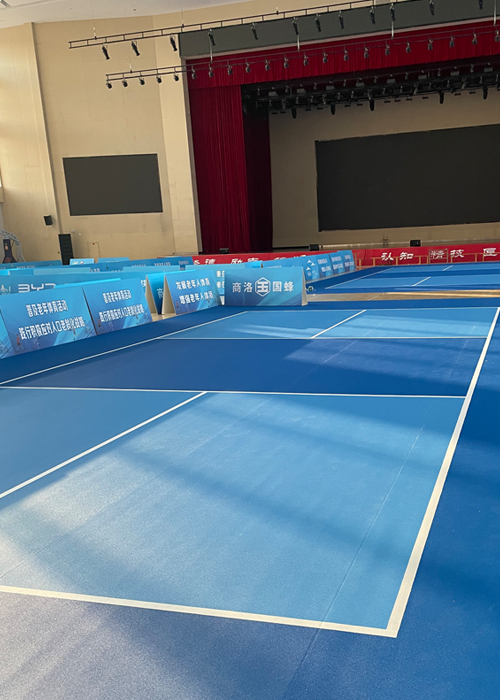
Removable Sports Flooring to Reduce Total Cost
Charles Wong
March 4, 2026
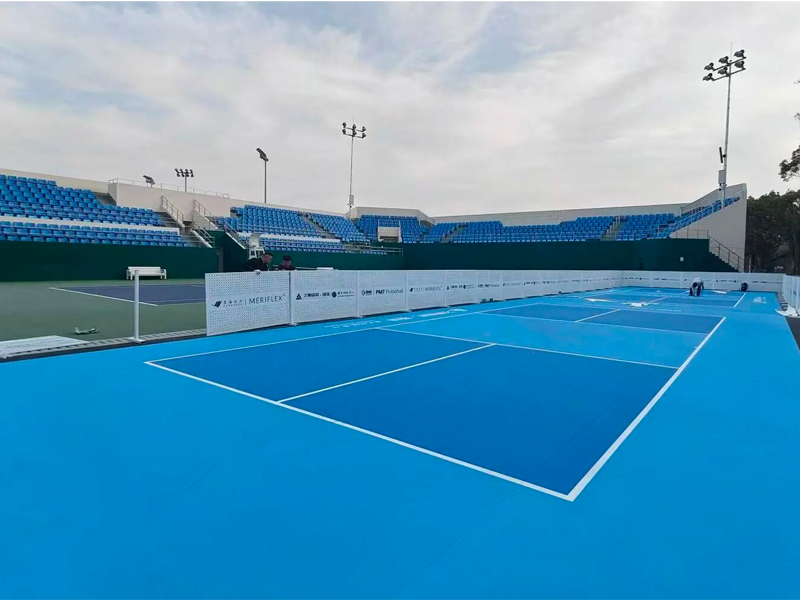
Roll Out Gym Flooring Buyers Trust for Fast Scaling
Charles Wong
February 25, 2026

Indoor Pickleball Court Flooring That Cuts Landed Cost
Charles Wong
February 12, 2026
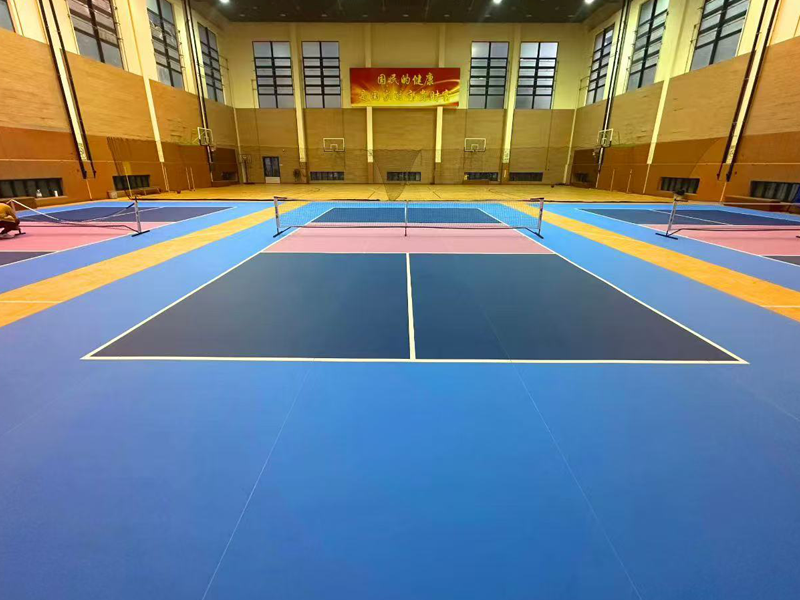
Indoor Pickleball Court Surface Designed For Fast Deployment
Charles Wong
February 3, 2026