Skip to content
Table of Contents
Categories

Charles Wong
Introduction to Quiet Pickleball Balls
Why Noise Reduction Matters in Modern Pickleball
Pickleball has exploded in popularity, but with that growth comes a not-so-silent side effect: noise. The repetitive pop-pop of plastic balls echoing through neighborhoods and indoor courts is enough to make some folks climb the walls. Reducing that racket isn’t just a luxury anymore—it’s become a necessity for sustaining long-term growth in noise-sensitive environments.
The Rise of Community and HOA Restrictions
Homeowners’ associations (HOAs) and residential communities have started to push back. Across North America and parts of Europe, complaints from nearby residents have led to stricter court-hour limitations, facility restrictions, and in some cases, outright bans. This cultural shift has catalyzed demand for equipment that flies under the radar—quiet balls that help keep peace with the neighbors while keeping the game alive.
Market Demand for Next-Gen, Quiet Equipment
Brands looking to future-proof their product lines are now embracing the quiet revolution. From private label startups to established sports manufacturers, there’s a surge of interest in creating high-performance gear that aligns with modern usage trends. Quiet pickleball balls are not a niche experiment—they’re fast becoming a staple of next-gen inventory planning.
Understanding Quiet Pickleball Ball Technology
Materials Used to Reduce Sound Levels
The secret sauce starts with the materials. Quiet balls are often made from specialized thermoplastics or proprietary blends engineered to dampen sound upon contact. These compounds absorb impact energy rather than rebounding it into noise, offering a stealthy yet consistent feel that’s easy on the ears.
Design Features That Minimize Impact Noise
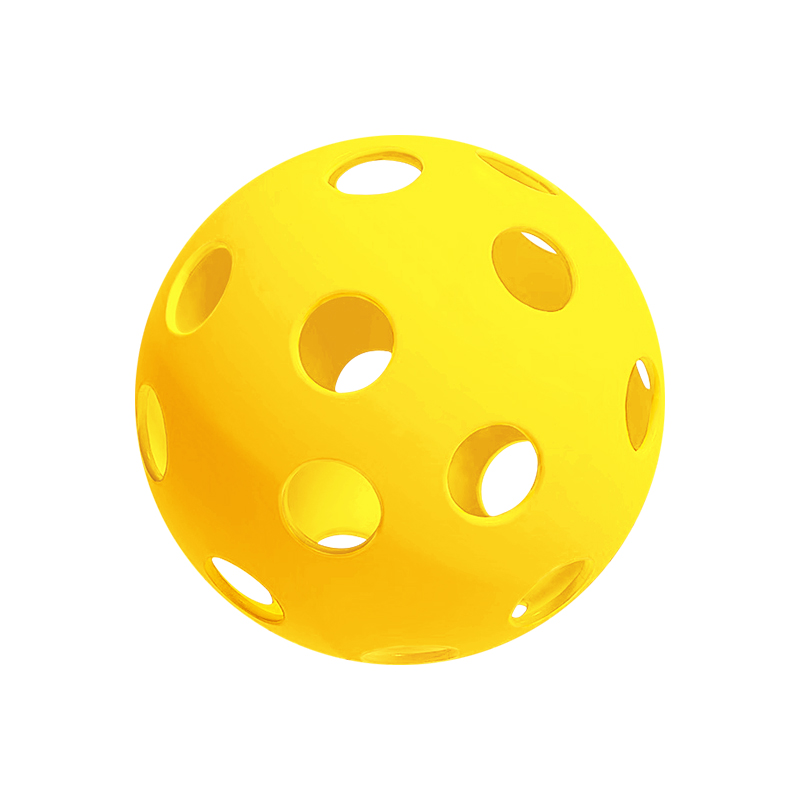
Beyond materials, design matters. Quiet balls typically feature strategic hole patterns, reinforced seams, and a slightly softer shell to mitigate high-decibel pops. Engineering teams also tinker with wall thickness and internal air displacement to achieve optimal acoustics without compromising flight dynamics.
Quiet pickleball balls are designed to reduce impact noise, but their performance is also heavily influenced by the court surface they are played on.
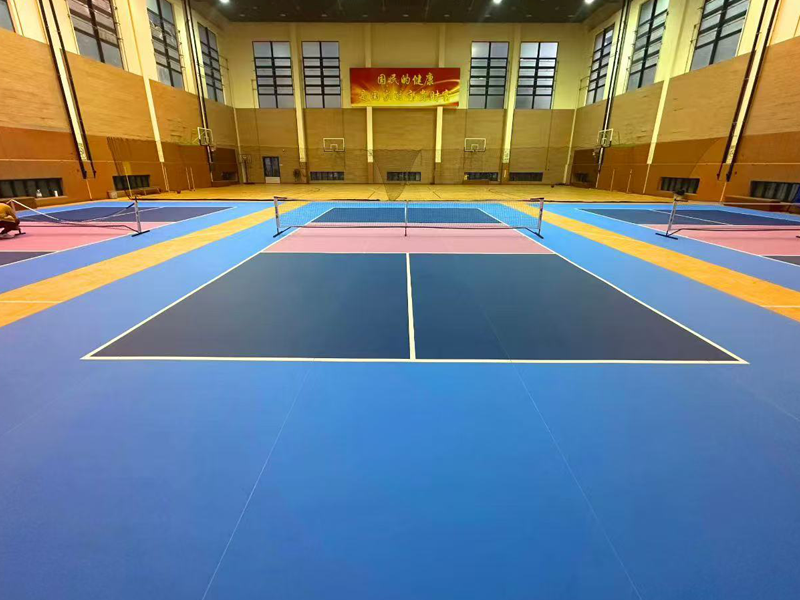
A professional pickleball court flooring system helps control bounce consistency, surface friction, and sound reflection. In indoor training facilities, schools, and multi-use venues, pairing quiet pickleball balls with roll-out acrylic pickleball flooring can significantly improve both play quality and acoustic comfort.
For temporary or portable courts, roll-up flooring systems provide a stable, non-slip surface without permanent installation, making them ideal for noise-sensitive environments.
Differences Between Standard and Quiet Balls
At a glance, quiet balls may look like their louder cousins, but they behave quite differently on the court. Standard balls tend to be harder, louder, and more responsive, which some players equate with performance. Quiet balls, however, offer a smoother bounce and reduced clatter—ideal for environments where sound is under scrutiny.
Compliance with Global Noise Regulations
Key Standards in the US and Europe
In regions like California and parts of Germany, noise ordinances can directly affect which pickleball products are permitted. Regulatory bodies increasingly rely on decibel thresholds and testing standards to evaluate compliance. Brands that meet these benchmarks gain credibility and access to more court installations and retail channels.
Meeting HOA and Recreational Facility Guidelines
HOAs often impose their own specific guidelines, distinct from municipal regulations. Facilities seeking to avoid fines or neighbor disputes must rely on gear that falls within those local parameters. Brands that cater to these hyper-local needs gain a competitive advantage in exclusive markets.
Importance of Third-Party Acoustic Testing
To ensure compliance, third-party acoustic testing is not just a nice-to-have—it’s mission-critical. Independent labs provide certified decibel readings under controlled conditions, offering proof that products meet community standards. This data is often required by large buyers or institutions before a ball is even considered for bulk purchase.
Ideal Use Cases for Quiet Pickleball Balls
Residential and Indoor Pickleball Courts
Quiet balls are the golden ticket for courts nestled in residential neighborhoods or indoor gyms. These locations demand low acoustic profiles without sacrificing playability. With quiet balls, facilities can expand play hours and reduce community pushback, boosting usage rates.
Training Academies and Coaching Centers
Training centers often run multiple courts and host back-to-back sessions—meaning the sound can build up quickly. Quiet balls provide a more focused, less chaotic environment, allowing coaches to communicate more effectively and players to concentrate. Plus, they’re easier on the ears over long sessions.
Community Parks and Shared Recreational Spaces
Public parks and multi-use recreational centers must cater to a variety of user groups. When basketball courts are next to pickleball lines, or playgrounds sit just feet away, noise complaints can arise quickly. Quiet balls help maintain harmony and allow diverse activities to coexist peacefully.
Product Development for Brand Differentiation
Integrating Quiet Balls into Brand Lineups
Adding quiet balls to a brand’s product catalog signals modern thinking and market awareness. These aren’t just accessories—they represent a shift toward more inclusive, thoughtful gear design. Whether bundled with paddle sets or sold as standalone SKUs, quiet balls elevate a brand’s street cred in the pickleball space.
Enhancing Product Appeal for Niche Markets
Quiet balls open doors to niche sectors: senior communities, rehab facilities, rooftop courts, even school gyms. These markets often operate under strict noise limitations and are eager for alternatives. Catering to their needs with specialized quiet gear is not just smart—it’s strategic.
Designing Packaging and Messaging for Quiet Play
Packaging that emphasizes “noise-reduced,” “neighbor-friendly,” or “approved for indoor use” messaging catches the eye of procurement professionals and facility managers. Visual cues, decibel ratings, and usage icons all help quiet balls stand out on both shelves and digital storefronts.
Customization and OEM/ODM Capabilities
Private Labeling and Branding Options
OEM/ODM manufacturers offer extensive private labeling services that allow brands to fully own their product identity. From custom logos to color-matching and exclusive molds, the possibilities are wide open. This allows for unique brand experiences without investing in in-house manufacturing.
Material and Color Customization Services
Customization doesn’t stop at branding. Clients can choose from a range of materials with varying softness, durability, and acoustic profiles. Color palettes can also be tailored to match a brand’s existing aesthetic or seasonal campaigns, giving products a cohesive, premium feel.
MOQ and Lead Times for Bulk Procurement
Minimum order quantities (MOQs) are a key concern for procurement professionals. Fortunately, many Chinese OEMs offer flexible MOQs with competitive lead times, especially for repeat buyers. Advanced planning ensures seamless integration into seasonal launches and long-term supply chains.
Performance Without Compromise
Testing Bounce, Durability, and Control
Quiet shouldn’t mean mushy or unpredictable. High-end quiet balls are rigorously tested for bounce height, shape retention, and rotational accuracy. These performance metrics ensure the ball plays just as well as traditional models, while still whispering across the court.
Feedback from Professional and Amateur Players
Player feedback is the ultimate litmus test. From club champions to casual rec-leaguers, most players report that quiet balls offer smoother play with slightly less bounce speed—ideal for placement and control. The feedback loop from players to manufacturers helps continuously refine product specs.
Comparisons to Traditional Pickleball Balls
Compared head-to-head with standard balls, quiet versions perform admirably, especially indoors. While they may have a marginally softer touch, they maintain consistent trajectory and durability over dozens of games. For many environments, the trade-off is well worth the sonic relief.
Sustainability and Material Innovation
Eco-Friendly Material Options
Sustainability is no longer optional—it’s expected. Many manufacturers now offer eco-conscious material choices such as recyclable polymers or bio-based plastics. These innovations reduce environmental impact without compromising performance or durability.
Recyclable and Reusable Packaging Solutions
Packaging waste has come under scrutiny across industries. Forward-thinking suppliers now offer recyclable cartons, minimal plastic packaging, and reusable storage bags that double as branding tools. These small touches make a big impression on eco-minded consumers and procurement officers alike.
Reducing Carbon Footprint in Manufacturing
Manufacturers that operate energy-efficient plants and reduce emissions during production hold a distinct edge. Carbon-conscious operations resonate with global buyers looking to meet ESG goals. Integrating quiet ball production into sustainable practices enhances a brand’s value proposition.
Sourcing and Manufacturing in China
Advantages of Working with Chinese OEM/ODM Suppliers
China remains a powerhouse in pickleball manufacturing thanks to its mature supply chains and skilled labor. OEM/ODM partners offer cost efficiency, production scale, and advanced R&D capabilities that are hard to match elsewhere. For brands looking to scale globally, China offers reliability with flexibility.
Quality Control Processes and Certifications
Top-tier suppliers adhere to strict quality control systems, including ISO certifications and in-house QA audits. From raw material inspection to final packaging, every step is monitored to ensure consistency. This attention to detail reduces return rates and builds long-term buyer confidence.
Logistics, Export, and Global Shipping Solutions
Manufacturers with robust export networks make international procurement seamless. They offer support with customs documentation, duty optimization, and bulk freight coordination. This logistical fluency is especially critical when meeting tight launch timelines or multi-region delivery schedules.
Future Trends in Quiet Pickleball Equipment
Integration with Smart Tracking Technologies
The same as pickelball paddles, pickleball flooring, the next wave of quiet balls may include embedded chips or surface markers for real-time tracking. These features could enable stat collection for training, gameplay analytics, or league scoring. Combining quiet play with smart tech is a win-win for innovation and function.
Expansion into Global Urban Markets
Urban environments—from rooftop courts in Seoul to indoor gyms in London—are ripe for quiet gear adoption. These high-density areas are particularly sensitive to noise, making them prime markets for silent solutions. Quiet balls unlock access to these booming segments with minimal friction.
Collaborations with Brands for Signature Lines
Forward-looking brands are partnering with influencers, pros, and clubs to create signature quiet ball lines. These co-branded efforts enhance visibility, tap into loyal fanbases, and elevate product positioning. In a saturated market, a well-executed collaboration can make all the difference.
Conclusion
Quiet pickleball balls are no longer an afterthought—they’re at the center of product innovation and regulatory adaptation. For procurement professionals looking to stay ahead of the curve, integrating quiet technology into next-gen product lines isn’t just smart—it’s essential.
Related Posts
Removable Sports Flooring to Reduce Total Cost
Roll Out Gym Flooring Buyers Trust for Fast Scaling

Indoor Pickleball Court Flooring That Cuts Landed Cost