Skip to content
Table of Contents
Categories

Charles Wong
1. Introduction to Roll-Up Pickleball Courts
Defining Roll-Up Pickleball Courts
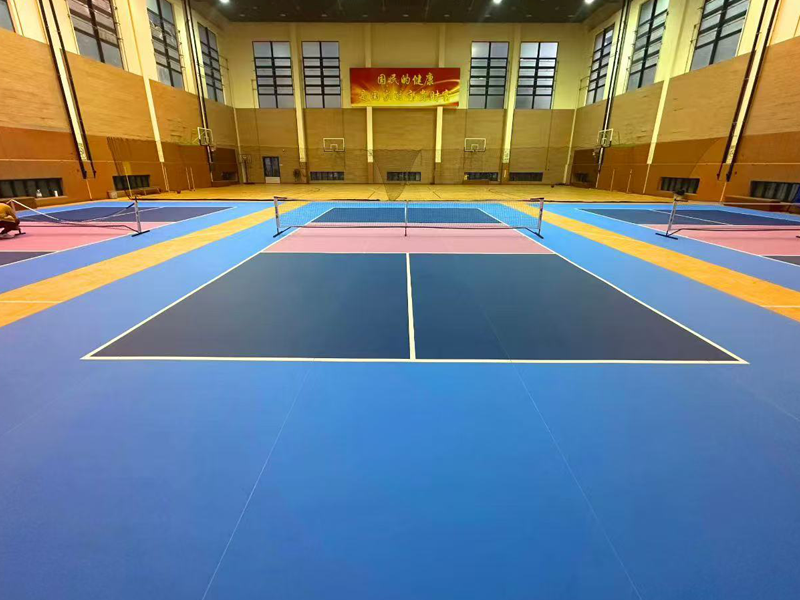
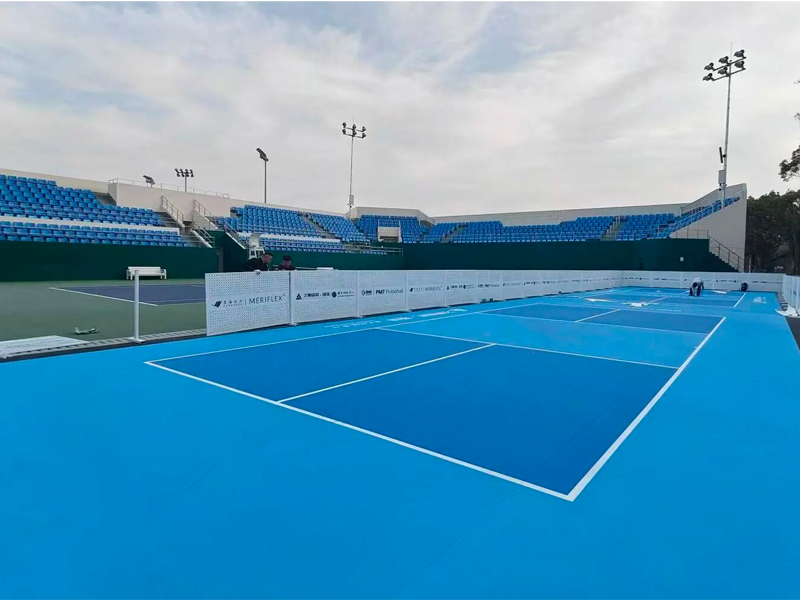
A roll-up pickleball court is a modular, portable surface engineered to deliver a pro-level playing experience without the need for permanent installation. Unlike traditional concrete or asphalt courts, these surfaces can be unfurled and set up on almost any flat ground, transforming underutilized spaces into active pickleball venues in a matter of minutes. This design innovation is fueling a new era of flexibility for facility operators, event organizers, and brands looking to scale quickly.
Why the Product Is Gaining Global Traction
The rise of pickleball as a mainstream sport has created a surge in demand for infrastructure that keeps pace with rapid growth. Permanent courts can’t always meet that need—they’re expensive, immovable, and time-consuming to install. Roll-up courts, on the other hand, allow brands to keep their fingers on the pulse of the market, responding swiftly and strategically to spikes in demand.
Link Between Portability and Profitability
Portability isn’t just convenient—it’s a profit multiplier. A roll-up court can be deployed, moved, and repurposed with minimal operational friction, cutting fixed costs dramatically. That flexibility means lower overhead, faster scaling, and higher margins, making it an appealing choice for procurement teams aiming to get more bang for their buck.
2. Rising Global Demand for Pickleball
Growth in Recreational Sports Markets
Pickleball isn’t just a fad—it’s a full-blown movement. Recreational sports participation is climbing steadily, with pickleball leading the charge thanks to its accessibility and social appeal. This upswing fuels an ever-growing appetite for quality courts that can be installed fast and used anywhere.
Expansion Across North America, Europe, and Asia
North America remains the beating heart of the pickleball boom, but Europe and Asia aren’t far behind. Public parks, private clubs, and sports retailers are all racing to meet consumer demand. Roll-up courts offer a turnkey solution, opening the door for international expansion without hefty capital investment.
Opportunities for Private-Label Brands
For brands looking to carve their niche, the roll-up court presents an exceptional white-label opportunity. With custom branding and competitive pricing, companies can differentiate their offerings and tap into an exploding recreational market. This is where savvy procurement can turn opportunity into pure profit.
3. Core Features of Roll-Up Pickleball Courts
Material Quality and Construction
Built from resilient, non-slip materials, roll-up courts are engineered to withstand heavy play while maintaining a professional-grade bounce. They’re designed for durability, resisting warping and wear even in high-traffic environments. This level of construction ensures longevity and consistent performance—a win for both brands and players.
Portability and Space Efficiency
Lightweight and easily rolled, these courts can be stored in compact spaces and transported with minimal effort. Whether it’s a retail warehouse, a sports club, or a shipping container, storage no longer eats into overhead. That nimbleness translates directly to operational agility.
Adaptability to Multiple Venues
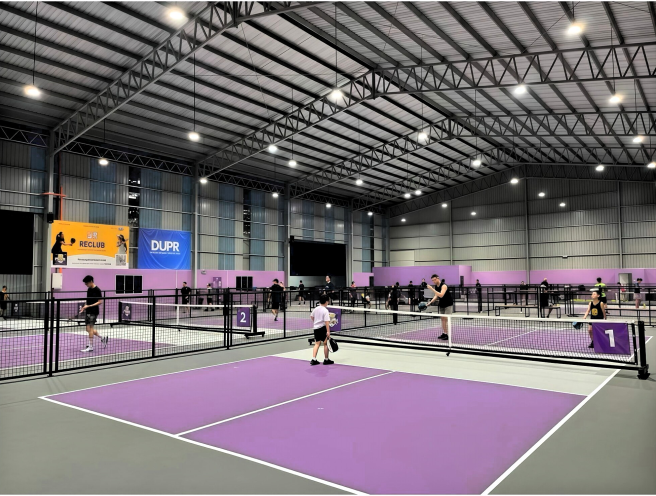
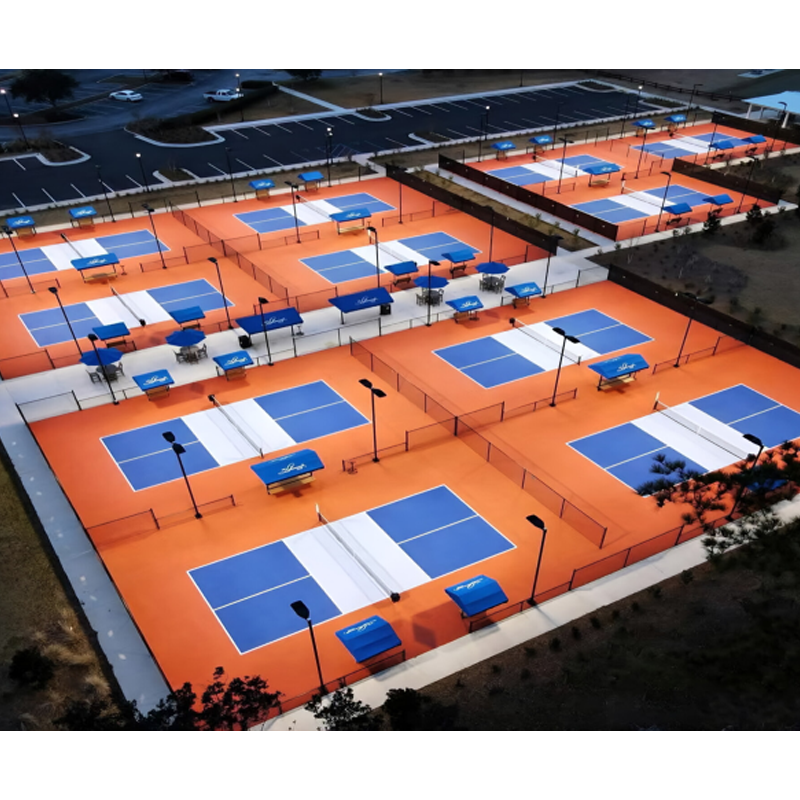
From gymnasiums and tennis courts to parking lots and rooftops, roll-up courts can transform any flat space into a high-energy pickleball zone. This adaptability creates new revenue streams without the need for costly infrastructure. It’s like turning an empty room into a profit center overnight.
4. Cost Efficiency Through OEM/ODM Manufacturing
Economies of Scale in Bulk Production
OEM and ODM production models unlock cost advantages that simply aren’t achievable through smaller-scale sourcing. By ordering in bulk, brands can dramatically lower per-unit costs while maintaining quality consistency. This scalability lays the groundwork for stronger profit margins.
Lower Material and Labor Costs
Manufacturing in cost-efficient regions allows for significant reductions in material and labor expenses. These savings don’t just pad the bottom line—they give brands the breathing room to offer competitive pricing without compromising margins. It’s a classic case of working smarter, not harder.
Competitive Pricing Advantages
With a leaner cost base, brands can outprice competitors or maintain premium positioning with stronger profit per unit. This strategic advantage is critical in a crowded market where speed, cost, and value define the winners. A well-negotiated OEM contract can be the golden ticket.
5. Simplified Installation and Labor Savings
Fast and Tool-Free Setup
One of the biggest draws of roll-up courts is their plug-and-play nature. No specialized tools, no construction headaches—just roll it out, secure it, and start playing. This simplicity shortens installation timelines dramatically.
Reduced Operational Workforce Needs
Without the need for skilled installers or construction crews, brands can reduce labor costs and allocate resources more efficiently. The ripple effect on operational expenses is profound, allowing organizations to reinvest savings into growth. That’s a powerful lever for margin expansion.
Faster Turnaround Time for Events
Whether it’s a tournament, promotional event, or a pop-up activation, roll-up courts make same-day setups possible. Shorter lead times translate to faster revenue generation and reduced downtime. In a fast-moving market, speed is a profit accelerant.
6. Shipping and Logistics Cost Reductions
Lightweight and Compact Packaging
Unlike bulky court installations, roll-up courts ship light and tight. Their modular design minimizes freight costs and simplifies handling, making international distribution a breeze. Brands benefit from leaner logistics and quicker delivery cycles.
Lower Freight and Handling Fees
Reduced weight and volume translate directly into lower shipping fees. This cost efficiency compounds as volumes increase, creating a meaningful difference in margin calculations. Every square inch and kilogram saved counts.
Easier Cross-Border Distribution
With simpler shipping formats and streamlined customs processing, brands can distribute globally without wrestling with cumbersome logistics. This flexibility paves the way for market diversification and revenue growth beyond domestic borders.
7. Faster Market Entry for Global Brands
Shorter Lead Times with OEM/ODM
OEM/ODM partners can produce and ship roll-up courts swiftly, allowing brands to capitalize on market trends in real time. Reduced production timelines keep businesses nimble and ahead of slower-moving competitors. In a game of speed, the agile win.
Custom Branding with Minimal Delay
Branding elements like logos, colors, and packaging can be seamlessly integrated into production without adding weeks to timelines. This accelerates go-to-market strategies and helps brands maintain momentum. The result is faster traction with end customers.
Rapid Response to Market Demand
When demand spikes, agility is everything. Roll-up courts let brands scale quickly, meeting customer needs without sacrificing quality or profitability. It’s a built-in advantage in a sport that’s growing at breakneck speed.
8. Optimized Storage and Inventory Management
Stackable, Space-Saving Design
Storage efficiency is a silent profit driver. Roll-up courts can be stacked, stored, and organized with minimal footprint, reducing warehouse sprawl. That means less space, lower costs, and more operational flexibility.
Lower Warehouse Rental Costs
Smaller storage requirements directly impact rental expenses, which can add up quickly at scale. By cutting these fixed costs, brands keep more revenue in their pockets. It’s a quiet but powerful way to safeguard margins.
Flexible Inventory Planning
With easy handling and minimal space needs, inventory can be scaled up or down swiftly to match demand cycles. This flexibility reduces the risk of overstocking or understocking, creating a leaner supply chain.
9. Versatile Applications for Multiple Markets
Commercial, Residential, and Event Use
Roll-up courts serve a wide array of markets—clubs, schools, community centers, residential complexes, and beyond. This broad appeal ensures steady demand across multiple segments. That diversity buffers brands against seasonal fluctuations.
Ideal for Pop-Up Sports Venues
Their portability makes them perfect for temporary installations, from festivals to sports expos. These pop-up opportunities allow brands to tap into new audiences while generating immediate revenue. It’s marketing and profit rolled into one.
Expanding Reach to Diverse Customer Groups
From amateur enthusiasts to corporate event planners, the buyer profile for roll-up courts is expanding. This diversified demand creates a more stable revenue stream and greater growth potential for brands willing to seize the opportunity.
10. Strengthening Brand Identity Through Customization
Tailored Colors, Logos, and Layouts
Customization turns a product into a brand ambassador. Roll-up courts can be produced in signature colors, with logos and design elements that enhance visibility. This creates a cohesive brand presence at every event and location.
Creating a Unique Market Presence
In a crowded market, standing out is half the battle. Customized courts create instant visual recognition, amplifying brand personality. It’s a powerful differentiator that turns heads and drives loyalty.
Enhancing Product Value Perception
Branded products often command higher prices and stronger customer trust. By investing in customization, brands elevate perceived value, allowing for premium pricing and fatter margins.
11. Enhancing End-User Experience
High-Quality Play Surface Performance
The court’s engineered surface ensures optimal ball response, traction, and consistency. Players feel the difference—and so do facility operators looking for professional standards. A better playing experience translates into repeat usage and stronger reputation.
Easy Handling for Customers
End users value convenience, and roll-up courts deliver it in spades. Simple installation and low maintenance mean customers spend less time fussing and more time playing. That ease fuels positive word of mouth.
Encouraging Repeat Purchases and Referrals
Satisfied customers become brand advocates. Word spreads fast in the pickleball community, and quality experiences lead to repeat orders, long-term contracts, and referral business.
12. Boosting Profit Margins with Bulk Procurement
Lower Cost Per Unit at Scale
Buying in bulk lowers unit costs significantly, amplifying profit margins with every sale. Procurement teams can negotiate better deals and stretch budgets further. This is the cornerstone of high-margin growth.
Strategic Shipping Consolidation
Bulk shipments reduce per-unit freight costs, streamlining logistics and trimming operational fat. It’s a tactical way to boost margins without touching retail pricing.
Long-Term Supplier Partnerships
Consistent volume purchasing fosters strong relationships with suppliers. These partnerships often yield better pricing, priority production slots, and improved service quality.
13. Capitalizing on Seasonal and Event Opportunities
Quick Deployment for Tournaments
Pickleball tournaments are popping up worldwide, and organizers need fast, flexible infrastructure. Roll-up courts make these events possible with minimal lead time. That agility keeps brands on the front lines of high-demand periods.
Pop-Up Installations for Promotions
Pop-up events are marketing goldmines. With a roll-up court, brands can set up promotional activations in malls, parks, or convention centers in no time. Every event becomes a revenue engine.
Monetizing Short-Term Demand Surges
Seasonal spikes are no problem when products can be deployed or shipped quickly. This enables brands to ride demand waves without overcommitting resources.
14. Sustainability and Eco-Friendly Advantages
Reusable and Durable Materials
Durability is built into every layer of a roll-up court. Instead of single-use setups or heavy construction waste, these courts can be rolled out time and time again. That’s good for the planet and the profit statement.
Reduced Carbon Footprint
Lightweight shipping and reusable components slash transportation emissions. For brands committed to sustainable practices, this is a meaningful way to back up their claims.
Aligning with Global Sustainability Goals
More procurement teams are aligning with ESG standards. Offering a sustainable product positions brands as forward-thinking partners in a market that values responsibility.
15. Choosing the Right OEM/ODM Partner
Quality Control and Certifications
Not all manufacturers are created equal. The best partners uphold stringent quality standards and carry relevant certifications, ensuring every court meets global expectations. This safeguards both product integrity and brand reputation.
Transparent Communication and Pricing
Clear pricing structures and open communication foster trust. Brands benefit from predictable costs, fewer surprises, and smoother production cycles.
Flexible MOQs and Customization Options
The ideal partner offers flexibility in minimum order quantities and customization. This gives brands room to scale at their own pace while staying competitive.
16. Conclusion and Strategic Takeaways
Recap of Key Profit-Boosting Factors
Roll-up pickleball courts deliver a trifecta of benefits: lower costs, faster market response, and greater adaptability. Each of these elements feeds directly into stronger profit margins. It’s a strategy built for a fast-growing, high-energy sport.
Why Procurement Strategy Matters
Smart procurement isn’t just about buying products—it’s about engineering profitability from the ground up. Choosing the right partners, scaling wisely, and leveraging customization can transform margins. This is where strategic foresight pays dividends.
Roadmap to Maximize Margin Growth
Invest in scalable manufacturing, streamline logistics, and capitalize on market momentum. With roll-up courts, brands can seize opportunities quickly, build strong customer loyalty, and maximize profit per square foot. In pickleball, agility isn’t just an advantage—it’s the game changer.
Reference
Related Posts
Removable Sports Flooring to Reduce Total Cost
Roll Out Gym Flooring Buyers Trust for Fast Scaling

Indoor Pickleball Court Flooring That Cuts Landed Cost